
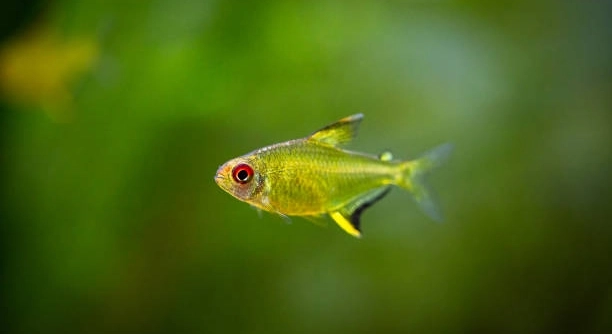
Setting up a tank for lemon tetras can feel overwhelming at first. These small, bright fish need a space that is both comfortable and visually appealing. A well-planned tank enhances their health and natural behavior.
The easiest way to design a tank for lemon tetras is by combining live plants, hiding spots, and open swimming areas. Including driftwood, substrate variety, and gentle lighting promotes natural movement, reduces stress, and creates a balanced aquatic environment.
Exploring simple tank layouts can make caring for lemon tetras more enjoyable and keep them active and vibrant in your home aquarium.
Minimalist Tank Layout
Keeping a lemon tetra tank simple can make maintenance easier and highlight the fish’s natural colors. Use a neutral substrate, a few carefully chosen plants, and minimal decorations. Tall plants at the back provide hiding spots, while shorter ones in front allow open swimming. A single piece of driftwood adds structure without cluttering the tank. Lighting should be soft to avoid stressing the tetras. Leaving enough open space helps them swim freely and display schooling behavior. Regular water changes and careful monitoring of water parameters are essential for keeping the tank healthy. Avoid overcrowding with decorations, as too many objects can make the tank feel cramped and reduce the tetras’ activity. Even with a minimalist approach, you can create an attractive, functional environment that supports natural behavior. This layout is ideal for beginners or anyone preferring a low-maintenance setup while keeping their fish comfortable and visually appealing.
A minimalist layout focuses on space and simplicity, reducing stress for lemon tetras and emphasizing their natural movement and coloration.
This setup encourages observation and appreciation of the fish’s behavior, making tank care straightforward and enjoyable.
Planted Aquarium Layout
Adding live plants to a lemon tetra tank creates a natural and calming environment. Plants improve water quality, offer shelter, and encourage natural behavior. Tall plants at the back and sides provide cover, while floating plants diffuse light and create shaded areas. Grouping plants of different heights adds visual interest and allows fish to explore different zones. Driftwood and rocks can be placed strategically to support plants and offer hiding spots. Substrate should support plant growth, with root tabs or nutrient-rich layers if needed. Maintaining a balance between plants and swimming space ensures tetras remain active and healthy. Lighting should support plant growth without being too intense for the fish. Pruning regularly prevents overcrowding and keeps the tank tidy. A planted layout not only benefits the tetras but also creates a relaxing, natural aesthetic that brings life to your aquarium space.
Live plants enhance both fish health and tank aesthetics while supporting natural behavior and water quality.
With the right plant selection and placement, this layout offers a dynamic and engaging environment for lemon tetras. Regular maintenance and careful observation ensure plants thrive and fish remain active, creating a sustainable, attractive aquarium. This approach balances beauty and practicality, making it suitable for those who enjoy a visually rich but manageable tank setup. Selecting hardy plants, using gentle lighting, and monitoring water conditions prevents common issues like algae growth or plant decay. Pairing plants with simple decorations and driftwood maintains open swimming space, which is vital for schooling species like lemon tetras. Over time, the tank develops a natural rhythm as plants grow and fish establish territories, enhancing the overall harmony. This layout supports a healthy ecosystem where fish can display natural behaviors, while also offering a serene and vibrant environment for observation.
Driftwood-Focused Layout
Using driftwood as a central feature creates a natural feel and gives lemon tetras plenty of hiding spots. Combine one or two pieces with minimal plants and open swimming areas to maintain balance. Driftwood also supports beneficial bacteria growth in the tank.
Driftwood adds structure without crowding the tank. Position pieces so they create natural swimming paths and small caves. Pair with low-light plants like Java fern or Anubias attached to the wood. Keep substrate simple, using fine sand or smooth gravel to avoid harming the tetras. Driftwood can slightly lower water pH, which suits lemon tetras, but monitor water parameters regularly. This layout encourages natural schooling behavior, as fish move around and through the driftwood features. Simple décor reduces stress while still making the tank visually interesting. Regular cleaning around the wood prevents debris buildup and keeps water quality high.
This layout works well for creating depth and interest in the tank. Fish can explore the wood, swim freely, and use hiding spots for comfort. Driftwood gives the tank a natural appearance while remaining easy to maintain. Combining wood with selective plants ensures a stable ecosystem that benefits both the fish and the overall aesthetic. Open swimming space is essential to avoid territorial disputes and to keep tetras active.
Rock and Cave Layout
Rocks and caves provide secure shelters, making tetras feel protected. Arrange stones to create multiple hiding spots and visual layers, leaving enough open swimming space between them.
Position rocks carefully to form stable caves and overhangs, preventing collapse. Use smooth, non-toxic stones to avoid injuries. Combining rocks with hardy plants like moss or Anubias softens the layout visually. This setup promotes natural schooling and territorial behaviors, as fish can retreat when stressed. Ensure caves are large enough for tetras to swim in comfortably but small enough to feel secure. Avoid overcrowding rocks, which can reduce swimming space. Check water parameters regularly, as some rocks can alter pH or hardness. This layout supports both aesthetic appeal and fish well-being, creating an active and engaging environment.
This type of tank encourages exploration while giving lemon tetras clear boundaries. Fish can interact with rocks and caves safely, while open areas allow free movement and display natural schooling behavior. Layering rocks at different heights adds dimension, while careful plant placement complements the structure. This balance between shelter and swimming space helps reduce stress and promotes health. Regular maintenance of rocks and substrate ensures the tank remains clean and functional. Combining visual appeal with practical design creates a layout that is both attractive and supportive of the tetras’ needs.
Floating Plant Layout
Floating plants provide shade and reduce stress for lemon tetras. They create a natural look while softening bright lighting, making the tank feel calmer.
These plants offer hiding spots underneath and allow fish to swim freely below. Common choices include frogbit or water lettuce, which are easy to maintain and multiply quickly.
Mixed Substrate Layout
Using a combination of sand and gravel adds texture and natural appeal. Fine sand in open areas supports swimming, while gravel near plants helps roots anchor securely. Carefully blending substrates prevents sharp edges that could harm tetras. Regular cleaning prevents debris buildup between layers.
Corner-Focused Layout
Placing decorations and plants mainly in tank corners maximizes open swimming space. This setup keeps the tank organized and allows tetras to school freely in the center.
FAQ
How many lemon tetras should I keep together?
Lemon tetras are schooling fish and feel most comfortable in groups. Keeping at least six together allows them to display natural behaviors and reduces stress. Smaller groups can lead to shy or nervous behavior, while larger schools provide activity and visual appeal in the tank.
What water parameters are best for lemon tetras?
Lemon tetras prefer slightly acidic to neutral water with a pH between 6.0 and 7.0. Temperature should range from 72 to 78°F. Soft to moderately hard water is ideal. Regular testing and adjustments help maintain stable conditions, which is essential for long-term health.
Do lemon tetras need special lighting?
They don’t require intense lighting, but a standard aquarium light that supports plant growth is sufficient. Floating plants or low-intensity bulbs create shaded areas and reduce stress, mimicking their natural habitat. Consistent light cycles also support normal activity and sleep patterns.
What should I feed lemon tetras?
A varied diet keeps them healthy. Feed high-quality flake food, small pellets, and occasional live or frozen foods like daphnia, brine shrimp, or bloodworms. Small portions two to three times daily prevent overfeeding and maintain water quality.
How often should I clean their tank?
Partial water changes of 20–25% weekly are recommended. Remove debris from substrate and decorations, but avoid disturbing beneficial bacteria. Cleaning filters as needed ensures stable water quality. Consistent maintenance supports fish health and keeps the tank visually appealing.
Can lemon tetras live with other fish?
Yes, they are peaceful and compatible with other small, non-aggressive species. Suitable tank mates include rasboras, guppies, and small Corydoras. Avoid larger or aggressive fish that may stress or prey on the tetras.
Do lemon tetras need a heater?
A heater is recommended to maintain stable water temperatures between 72–78°F. Fluctuating temperatures can cause stress or illness. A reliable thermometer helps monitor conditions and prevent overheating.
How long do lemon tetras live?
With proper care, lemon tetras can live 3–5 years. Maintaining stable water conditions, a balanced diet, and a well-structured tank improves longevity. Healthy fish display bright coloration, active swimming, and schooling behavior.
Should I include plants in the tank?
Yes, live or artificial plants provide shelter, reduce stress, and mimic a natural environment. Dense plant areas allow hiding, while open swimming spaces support active schooling. Choosing hardy plants or attaching them to driftwood helps maintain a balanced, low-maintenance tank.
How do I prevent aggression in the tank?
Aggression is rare among lemon tetras, but overcrowding or small spaces can increase stress. Maintain adequate swimming areas, avoid aggressive tank mates, and provide hiding spots. Keeping fish in proper school sizes also promotes calm behavior.
Can lemon tetras breed in a home aquarium?
They can breed in a planted tank with slightly acidic, soft water. Spawning often occurs in dense plant areas or spawning mops. Remove adults after eggs are laid to prevent predation. Fry require fine foods such as infusoria until they grow large enough for small flakes.
What common health problems should I watch for?
Watch for signs of stress like faded color, clamped fins, or erratic swimming. Common illnesses include ich, fin rot, and bacterial infections. Maintaining clean water, proper diet, and stable temperatures reduces the risk of disease. Early detection ensures successful treatment.
Is it necessary to use a filter?
Yes, a gentle filter keeps water clean and oxygenated. Lemon tetras prefer calm currents, so avoid strong-flow filters. Regular filter maintenance prevents clogging and supports beneficial bacteria that maintain tank health.
How can I make my tank more natural for lemon tetras?
Combine plants, driftwood, rocks, and open swimming space. Floating plants provide shade, while decorations create hiding areas. Use soft substrate and avoid overcrowding to mimic their natural habitat, reducing stress and encouraging active schooling.
What size tank is suitable for lemon tetras?
A minimum of 20 gallons is recommended for a small school. Larger tanks allow more swimming space, decorations, and plant variety. Proper size reduces stress and supports natural behavior, ensuring a healthy, vibrant group of tetras.
How often should I feed them live food?
Live food can be offered one to two times a week. It adds variety and encourages natural hunting behavior. Overfeeding live food may pollute water, so small, controlled portions are best.
Can lemon tetras adapt to artificial plants?
Yes, they can use artificial plants for hiding and exploration. Ensure plants have smooth edges to avoid injuries. Combining artificial and live plants can create a visually appealing and practical setup.
Do lemon tetras require a specific tank shape?
A standard rectangular tank is ideal because it maximizes swimming space. Depth is less important than horizontal space, which supports schooling behavior. Decorations and plants can be arranged to create zones while keeping the center open.
Is it okay to keep lemon tetras alone?
No, they are social fish and thrive in groups. A lone tetra may become stressed, hide constantly, or show abnormal behavior. Keeping at least six together ensures proper schooling and reduces anxiety.
How can I prevent algae growth in a planted tank?
Control light exposure, avoid overfeeding, and perform regular water changes. Adding fast-growing plants can outcompete algae. Occasional algae-eating tank mates like snails or shrimp can help, but balance is important to maintain a healthy environment.
What are the signs of a happy lemon tetra?
Active swimming in groups, bright coloration, and exploration of the tank indicate contentment. They interact with plants, decorations, and other fish naturally. Calm, consistent behavior reflects proper care and a healthy tank environment.
How long should the lights be on daily?
Eight to ten hours of light per day supports fish activity and plant growth. Using a timer ensures consistency, preventing stress from irregular lighting and reducing the chance of excessive algae growth.
Can lemon tetras live in cold water?
They prefer stable tropical temperatures and do not tolerate cold water well. Sudden drops can cause stress or illness. A heater is recommended to maintain a consistent, safe range for their health and activity.
What is the best way to acclimate new lemon tetras?
Float the sealed bag in the tank for 15–20 minutes to equalize temperature. Gradually add small amounts of tank water into the bag over 30–60 minutes before releasing the fish. This reduces stress and prevents shock from sudden water parameter changes.
How often should I trim plants in a planted layout?
Trim plants as needed to prevent overgrowth and maintain swimming space. Removing dead leaves improves water quality. Regular pruning keeps the tank tidy while encouraging healthy plant growth and providing consistent shelter for tetras.
Can lemon tetras live in a community tank with larger fish?
They can, but avoid aggressive or predatory species. Larger fish may stress or eat lemon tetras. Suitable companions are peaceful, small to medium-sized fish that share similar water parameters and temperament.
What is the best substrate for lemon tetras?
Fine sand or smooth gravel is ideal. It allows safe swimming, supports plant roots, and prevents injury. Mixing substrate types can create visual interest while maintaining practical benefits for both fish and plants.
Are lemon tetras sensitive to water changes?
They are sensitive to sudden fluctuations. Gradual, regular water changes maintain stability. Drastic changes can cause stress, illness, or even death, so consistent monitoring and adjustments are essential.
How can I introduce new fish to a lemon tetra tank?
Quarantine new fish for at least two weeks to prevent disease. Gradually acclimate them to the main tank’s water conditions. Observe interactions carefully to ensure peaceful integration with the existing school of tetras.
Do lemon tetras need a tight school to feel safe?
Yes, schooling provides security and reduces stress. Small groups may hide more or appear timid. Keeping six or more together encourages natural behavior, allowing fish to swim confidently and interact socially.
How do I reduce stress in lemon tetras?
Provide hiding spots, proper water parameters, and a calm environment. Avoid overcrowding, aggressive tank mates, or sudden changes. Consistent feeding schedules and open swimming areas help them remain active and healthy.
Can lemon tetras tolerate tap water?
Tap water is usable if treated with a dechlorinator and checked for hardness or pH. Sudden changes in water chemistry should be avoided. Regular testing ensures it is safe for their long-term health.
Do lemon tetras interact with decorations?
Yes, they explore plants, rocks, and driftwood, using them as hiding spots or play areas. Decorations should be smooth, stable, and arranged to maintain open swimming space while providing visual interest and shelter.
How often should I monitor water parameters?
Weekly checks for pH, temperature, ammonia, nitrite, and nitrate are recommended. Regular monitoring prevents problems and ensures the environment remains suitable for healthy, active tetras.
What temperature fluctuations are safe for lemon tetras?
Keep temperature within 72–78°F with minimal variation. Sudden or frequent drops can cause stress or illness. A reliable heater and thermometer help maintain stability and safe living conditions.
Can lemon tetras live in a small desktop tank?
Small tanks under 10 gallons are not ideal due to limited swimming space. Larger tanks provide proper schooling space, stable water parameters, and reduce stress, supporting healthier, more active fish.
Do lemon tetras need a filter with gentle flow?
Yes, a gentle filter maintains water quality without strong currents. Lemon tetras prefer calm conditions. Avoid high-flow filters that can stress fish and interfere with natural schooling behavior.
How do I prevent overcrowding in a community tank?
Calculate fish space based on adult size and swimming needs. Maintain proper ratios to prevent stress, aggression, and poor water quality. Adequate hiding spots and open swimming areas help balance density.
Can lemon tetras adapt to slightly harder water?
They tolerate mild deviations but prefer soft to moderately hard water. Sudden changes should be avoided, and water should be adjusted gradually to prevent stress or illness.
Are lemon tetras compatible with shrimp or snails?
Yes, peaceful invertebrates like small shrimp or snails can coexist safely. They often occupy different areas of the tank and do not disturb tetras. Monitoring interactions ensures compatibility.
Do lemon tetras need a nighttime dark period?
Yes, 14–16 hours of darkness promotes rest. Consistent light and dark cycles reduce stress and support healthy behavior, activity, and feeding patterns.
What is the best way to treat common diseases?
Early detection is key. Treat infections with appropriate medication, isolate sick fish if needed, and maintain water quality. Consistent care, proper diet, and stable conditions prevent most common issues.
Can lemon tetras be kept with bettas?
It depends on the betta’s temperament. Peaceful bettas may coexist, but aggressive individuals can harm tetras. Monitor interactions carefully and provide hiding spaces to reduce potential stress.
How do I know when my tetras are ready to spawn?
Males become more colorful and active, while females appear fuller in the abdomen. Providing dense plants or spawning mops encourages breeding. Monitor carefully and separate fry from adults after eggs are laid to prevent predation.
Do lemon tetras need a specific water hardness?
They prefer soft to moderately hard water. Extremes in hardness can cause stress or health issues. Gradual adjustments help maintain a comfortable environment without sudden changes that could harm the fish.
Can lemon tetras adapt to a planted vs. non-planted tank?
Yes, they adapt to both, but live plants provide hiding spots, reduce stress, and improve water quality. Even artificial plants offer some security. Open swimming areas remain essential regardless of plant type.
What signs indicate water quality issues?
Cloudy water, algae overgrowth, unusual fish behavior, or faded coloration may indicate poor water quality. Testing parameters and performing partial water changes quickly addresses issues before they impact fish health.
How do I encourage natural behavior in tetras?
Provide hiding spots, open swimming areas, and a varied diet. Proper school size and gentle lighting encourage active schooling, exploration, and interaction with the environment, keeping fish healthy and engaged.
Is it okay to rearrange tank decorations?
Occasionally moving plants or decorations is fine, but avoid frequent changes that stress fish. Maintain hiding spots and swimming paths to support natural behavior. Gradual adjustments reduce disruption.
What is the recommended feeding schedule?
Feed small portions two to three times daily. Overfeeding pollutes water, while regular, controlled feeding ensures proper nutrition and supports healthy activity levels.
Do lemon tetras enjoy shaded areas?
Yes, shaded areas provided by floating plants or decorations reduce stress and mimic natural habitats. Fish often rest or explore beneath shade while remaining active in open areas.
How do I prevent tank stress during maintenance?
Perform partial water changes, clean filters carefully, and avoid sudden changes in temperature or decor. Keep fish in mind during maintenance to minimize disruption and maintain calm behavior.
Can lemon tetras coexist with guppies?
Yes, both species are peaceful and have similar water requirements. They generally school separately but share space comfortably. Monitor interactions to ensure harmony.
How often should I prune driftwood-attached plants?
Trim as needed to prevent overgrowth, maintain swimming space, and remove decaying leaves. Regular pruning ensures plants remain healthy and the tank stays clean and functional.
What are the best hiding spots for lemon tetras?
Dense plants, caves, driftwood, and rock formations provide security. Multiple hiding spots reduce stress and encourage natural exploration while maintaining a balanced, comfortable environment.
Do lemon tetras need constant monitoring?
Regular observation is important to detect health issues, behavior changes, or water parameter fluctuations. Consistent care ensures fish remain active, healthy, and stress-free in the tank.
Can lemon tetras live in a nano tank?
Nano tanks under 10 gallons are generally too small. Small tanks limit swimming space, water stability, and school size, which can increase stress and health risks.
How do I maintain stable pH for lemon tetras?
Use buffers or natural methods like driftwood to slightly lower pH. Test regularly and make gradual adjustments to avoid sudden changes that may stress fish.
What is the best way to quarantine new fish?
Keep new fish in a separate tank for two weeks, observe for illness, and gradually acclimate them to the main tank’s water conditions before introduction to prevent disease spread.
Do lemon tetras need supplemental CO2 for planted tanks?
No, low-maintenance plants usually thrive without CO2 injection. Fertilizers and proper lighting are sufficient for healthy plant growth and natural behavior support.
Can lemon tetras live in low-light tanks?
Yes, they tolerate low light well. Low-light conditions reduce stress, but some plants may require moderate lighting. Balance plant needs with fish comfort for optimal results.
How do I prevent overcrowding when adding more tetras?
Calculate tank size and adult fish space before adding new fish. Gradually introduce additional tetras while maintaining swimming room and open areas to avoid stress and aggression.
Do lemon tetras recognize tank mates?
They respond to movement and presence of other fish but don’t recognize individuals. Schooling behavior provides security and interaction, enhancing activity and comfort.
Can I keep lemon tetras with small cichlids?
Most small cichlids are territorial or aggressive and may stress tetras. Only peaceful, non-territorial species are safe. Monitor interactions closely to prevent conflicts.
How do I prevent fin damage in tetras?
Use smooth decorations, avoid aggressive tank mates, and maintain proper water quality. Open swimming space and well-planted areas reduce stress-related fin damage.
Are lemon tetras prone to disease?
They are hardy if maintained in stable conditions. Stress, poor water quality, or overfeeding can increase disease risk. Proper care, diet, and clean environment prevent most issues.
What is the ideal school size for lemon tetras?
At least six tetras per tank are recommended. Larger groups promote natural behavior, reduce stress, and enhance visual appeal. Small schools may display timid or abnormal behavior.
Do lemon tetras need aeration?
A gentle filter usually provides sufficient oxygenation. Additional air stones can be used if water movement is minimal, but strong currents should be avoided to prevent stress.
Can lemon tetras adapt to tap water with varying hardness?
They tolerate mild changes if adjustments are gradual. Sudden shifts in hardness can cause stress or illness. Regular monitoring ensures water remains suitable for health and activity.
How do I keep a balanced ecosystem in the tank?
Maintain proper stocking, feeding, and water changes. Include plants, hiding spots, and open swimming areas. Monitoring parameters and observing fish behavior ensures a stable, harmonious environment.
Do lemon tetras need frequent water testing?
Weekly checks are recommended for pH, temperature, ammonia, nitrite, and nitrate. Frequent testing helps detect issues early and maintains a safe environment for long-term health.
Can lemon tetras live in a tank with fluctuating temperatures?
No, sudden changes can stress or harm them. A stable heater and consistent monitoring prevent health problems and support natural behavior.
How can I encourage schooling behavior?
Keep at least six tetras together, provide open swimming space, and avoid aggressive or territorial tank mates. A calm, structured environment encourages active, synchronized movement.
What are signs of water stress in lemon tetras?
Clamped fins, faded coloration, erratic swimming, or hiding indicate stress. Checking parameters, maintaining cleanliness, and adjusting environment reduces risk.
Do lemon tetras prefer soft or hard water?
Soft to moderately hard water is preferred. Extreme hardness may cause stress. Gradual adjustments maintain stability and comfort.
How do I safely add new fish to a stocked tank?
Quarantine, gradually acclimate, and monitor interactions. Provide hiding spots to reduce stress and prevent conflicts.
Are lemon tetras active during the day?
Yes, they are diurnal and most active during daylight. They explore, school, and feed, returning to rest in shaded areas at night.
Can lemon tetras tolerate high nitrate levels?
No, elevated nitrates stress fish and increase disease risk. Regular water changes and proper filtration maintain safe levels.
Do lemon tetras need decorations at all?
Decorations provide shelter, reduce stress, and encourage exploration. Even a minimal setup benefits their health and comfort.
How long can lemon tetras survive without plants?
They can survive but may be stressed without hiding spots. Open space alone is not enough for long-term comfort.
What is the best way to acclimate them to new tanks?
Float the bag, slowly add tank water over 30–60 minutes, then release. Gradual introduction
Lemon tetras are small, vibrant fish that bring life to any freshwater aquarium. Their bright yellow coloration and peaceful nature make them enjoyable to watch, especially when kept in a properly designed tank. A well-planned environment supports their natural behavior, encourages schooling, and reduces stress, making them more active and healthier overall. Simple decorations, a mix of live or artificial plants, and open swimming areas help create a balanced space where they can thrive. By paying attention to tank size, water parameters, and group numbers, you can ensure that lemon tetras feel safe and display their full range of behaviors. Small details, such as gentle lighting and soft substrate, may seem minor, but they significantly impact the fish’s comfort and activity levels. Even minimal additions, like a piece of driftwood or a few rocks, can create hiding spots and add visual interest without crowding the tank.
Maintaining a healthy tank for lemon tetras involves consistent care and observation. Regular water changes, monitoring pH, temperature, and hardness, and proper filtration help keep the environment stable. A stable tank reduces stress and prevents common illnesses that can arise from sudden changes in water quality. Feeding a balanced diet of flake food, small pellets, and occasional live or frozen food keeps the fish nourished and supports natural behaviors like hunting and schooling. Overfeeding should be avoided, as it can pollute the water and lead to health problems. Observing the fish daily allows you to notice early signs of stress or illness, such as faded coloration, clamped fins, or hiding more than usual. Addressing issues promptly ensures that the fish remain healthy and active, maintaining the vibrancy and enjoyment of the aquarium. With careful attention, lemon tetras can live for several years, providing a lively and colorful addition to the tank.
Creating a visually appealing and functional tank layout for lemon tetras does not need to be complicated. There are many simple options, including minimalist setups, planted layouts, driftwood or rock-focused arrangements, and floating plant areas. Each layout offers different benefits for both the fish and the overall appearance of the aquarium. A thoughtful arrangement supports schooling, provides hiding spots, and encourages exploration, which contributes to the fish’s well-being. It also allows you to appreciate their behavior and interaction with the environment. Combining practicality with aesthetic appeal makes tank maintenance easier while keeping the fish comfortable and active. Whether choosing a heavily planted tank or a simple open layout, the key is to balance swimming space, shelter, and decoration. By focusing on stability, safety, and natural behavior, you can create an environment that supports lemon tetras in a healthy and engaging way. Consistent care and observation will allow these small fish to thrive, adding lasting color and movement to your home aquarium.

Hello,
If you enjoy the content that we create, please consider saying a "Thank You!" by leaving a tip.
Every little bit helps us continue crafting quality advice that supports the health, happiness, and well-being of pets around the world, for pets of all shapes, sizes, and species.
We really appreciate the kindness and support that you show us!