
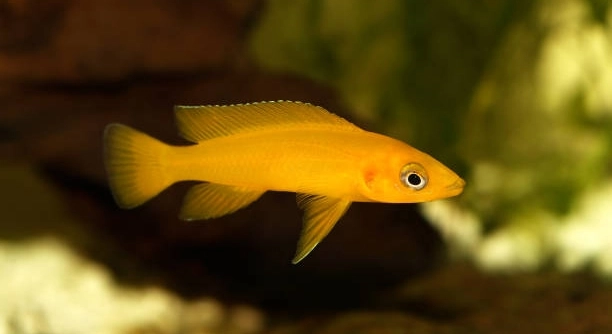
Do you ever notice your lemon tetras swimming frantically or hiding too often in their tank? Observing their behavior closely can reveal subtle changes that hint at stress and discomfort in their environment.
Overcrowding in a lemon tetra tank occurs when there are too many fish for the available space, leading to increased waste, reduced oxygen levels, and higher stress. This situation can negatively impact fish health, behavior, and overall tank stability.
Recognizing these signs early can help you maintain a healthier tank and ensure your lemon tetras thrive comfortably.
Excessive Swimming and Restlessness
When lemon tetras are packed too tightly, you may notice them swimming more than usual or darting around nervously. Their movements seem constant, almost as if they can’t find a comfortable spot. Overcrowding increases competition for space, making each fish feel exposed. Normally, lemon tetras swim calmly in small groups, exploring their tank without panic. When the tank is overcrowded, this natural rhythm changes. Fish may collide frequently, bump into decorations, or swim near the surface more often to access oxygen. These behaviors are signs that the environment isn’t meeting their needs. It’s important to watch how your tetras interact with each other and how often they rest. Regular observation helps you spot problems before they become serious. Adjusting the number of fish or adding hiding spots can ease their stress. Even small changes, like rearranging plants or decorations, can provide some relief and improve the overall atmosphere of the tank.
Overcrowded tanks often lead to restless, stressed fish, reducing their lifespan and making them more vulnerable to illness.
Keeping a balanced number of lemon tetras ensures they have enough space to swim freely. Providing hiding places, live plants, and open swimming areas lets them display natural behaviors. Overcrowding removes these options, forcing them into constant movement. In addition to stress, restless swimming increases oxygen demand, which can further destabilize water quality. Ensuring proper tank size and population density creates a calm environment where tetras can explore and feed without competition, maintaining their health and happiness over time.
Frequent Hiding
Lemon tetras may hide often when there are too many fish in a tank.
When fish feel threatened or crowded, hiding becomes a coping mechanism. They retreat to corners, behind plants, or decorations to escape the constant presence of other fish. Over time, excessive hiding can affect feeding habits, reduce activity, and impact overall health. Hiding too much also makes it difficult to monitor their well-being because it’s harder to see them clearly. Crowded tanks can create stress hormones in fish, leading to weaker immune systems and higher susceptibility to disease. Adding more hiding spots or reducing the number of fish can help restore balance. Live plants, rocks, and small caves offer safe areas for tetras to rest without constant disturbance. Observing hiding patterns gives insight into overcrowding problems and helps you make adjustments to ensure your lemon tetras feel secure and calm. Proper attention to tank space and layout ensures that each fish can thrive without feeling trapped or overwhelmed by neighbors.
Increased Aggression
Overcrowding can trigger unusual aggression among lemon tetras. Fish that are normally peaceful may nip at fins or chase each other constantly, leading to injuries and stress.
When lemon tetras are packed too closely, territorial disputes become common. Each fish competes for limited space, hiding spots, and food, causing tension to rise. Normally calm interactions can turn hostile, as the lack of room prevents natural escape routes. Aggression can manifest as fin nipping, chasing, or blocking other fish from resting areas. Over time, constant conflict weakens their immune system, making them more prone to illness. Even subtle signs, like brief lunges or flaring, indicate stress. Providing enough space or separating aggressive individuals can reduce these conflicts.
Excess aggression also impacts feeding. Dominant fish may control food sources, leaving weaker tetras undernourished. Unequal access to resources leads to slower growth, poor health, and heightened stress. Maintaining a proper fish-to-tank ratio ensures all lemon tetras can feed, swim, and rest without constant threats. Adding plants or decorations can create visual barriers, helping reduce aggressive encounters and allowing fish to feel secure while maintaining natural behaviors.
Cloudy Water
Cloudy water often signals overcrowding and poor tank maintenance.
When too many fish occupy a small tank, waste levels rise rapidly, overwhelming filtration systems. Ammonia, nitrites, and nitrates accumulate, reducing water clarity and quality. Poor water conditions increase stress and can trigger diseases. Regular testing and water changes are critical to prevent deterioration.
Excess waste produces toxins harmful to fish. Overcrowding accelerates organic debris buildup, including uneaten food and plant matter, which feed bacteria that cloud water. This imbalance affects oxygen levels, making swimming more difficult for tetras. Cloudy water also hides subtle signs of illness or stress, delaying intervention. Consistent water changes, proper filtration, and avoiding overfeeding are essential. Reducing tank population and adding plants can naturally absorb nitrates, improve clarity, and create a stable, comfortable environment for lemon tetras to thrive without health risks.
Reduced Growth
Overcrowding can slow the growth of lemon tetras. Limited space and competition for food make it harder for them to reach full size.
Nutrient deficiencies become common when too many fish share a tank. Smaller or weaker tetras may not get enough food, which directly impacts growth and development.
Erratic Swimming Patterns
Crowded tanks often cause erratic swimming patterns. Fish may dart back and forth, circle the tank, or bump into decorations. Stress and competition for space disrupt normal movement. Over time, this behavior can lead to exhaustion and increase susceptibility to disease.
Faded Colors
Lemon tetras may lose their bright coloration in overcrowded conditions. Stress and poor water quality reduce pigment intensity. Faded colors are a visible sign of discomfort and can indicate underlying health issues that need attention.
How many lemon tetras should be kept in a tank?
Lemon tetras are small, peaceful fish that thrive in groups, but overcrowding can harm their health. The ideal number depends on tank size. For a standard 20-gallon tank, 8 to 10 lemon tetras is usually sufficient. This gives them enough swimming space, hiding spots, and reduces competition for food. Larger tanks can hold more fish, but maintaining proper filtration and space between individuals is crucial. Overcrowding stresses the fish, leads to disease, and affects water quality. Observing their behavior can help determine if the number of fish is appropriate, as overcrowded fish often show signs like erratic swimming, aggression, or hiding.
What are the early signs of overcrowding in a lemon tetra tank?
Early signs include increased restlessness, constant swimming without rest, frequent hiding, and aggression. You may notice fish chasing or nipping at each other more than usual. Cloudy water, reduced growth, and faded colors are also indicators. Monitoring their behavior daily helps catch overcrowding issues before they worsen. Early detection allows for adjustments such as reducing the number of fish, rearranging decorations to create hiding spots, and improving filtration. Even subtle changes in swimming patterns or appetite can signal overcrowding. Acting promptly prevents stress-related illnesses and ensures the tetras remain healthy and active.
How does overcrowding affect water quality?
Overcrowding increases waste production, which can quickly overwhelm filtration systems. Ammonia, nitrites, and nitrates build up, causing toxic water conditions. Poor water quality stresses fish, makes them more vulnerable to disease, and reduces oxygen levels. Regular water testing and changes are essential in overcrowded tanks. Overfeeding in a crowded tank compounds the problem, leaving excess food that decomposes and clouds water. Adding live plants can help absorb some waste, but space limitations reduce the effectiveness of natural filtration. Maintaining proper fish-to-tank ratio and using reliable filtration ensures water stays clear and safe, keeping tetras comfortable and healthy.
Can overcrowding cause disease in lemon tetras?
Yes, overcrowding directly increases the risk of disease. Stress weakens the immune system, making fish more susceptible to bacterial, fungal, and parasitic infections. Rapid spread occurs in tight spaces, as pathogens move easily between stressed fish. Proper tank management is key to prevention. Avoiding overcrowding, maintaining clean water, and ensuring a balanced diet reduce disease risk. Observing tetras for abnormal behavior, physical damage, or faded colors helps catch infections early. Providing hiding spots reduces stress and gives weaker fish safe areas, lowering the chance of illness. Maintaining a healthy environment is the most effective way to prevent outbreaks in a crowded tank.
What can I do to fix overcrowding in my tank?
Reducing the number of fish is the most direct solution. Moving some tetras to another tank or rehoming them restores space and reduces stress. Improving filtration and increasing water changes helps maintain quality. Rearranging decorations or adding plants creates hiding spots and visual barriers. Observing behavior after adjustments ensures fish settle comfortably. Avoid adding new fish until the population is balanced. Overcrowding is easier to prevent than fix, so planning tank size and population in advance is important. Proper stocking ensures tetras remain healthy, active, and maintain their bright colors without fighting or hiding excessively.
How can I prevent overcrowding in the future?
Plan the tank size based on the number of fish you want to keep. Follow the rule of thumb for lemon tetras: one inch of fish per gallon of water. Avoid impulse purchases, and research fish compatibility before adding new species. Monitor growth, as juveniles may eventually need more space. Regularly check water quality and behavior to catch early signs of crowding. Adding plants and decorations strategically provides resting areas and reduces stress, even in moderately populated tanks. Proper planning and ongoing care ensure that lemon tetras thrive, preventing health problems and behavioral issues linked to overcrowding.
Are there alternatives to reducing the number of fish if the tank is crowded?
If reducing the population isn’t immediately possible, adding another tank or upgrading to a larger one is effective. Proper filtration and regular water changes become even more critical in crowded conditions. Rearranging decorations to create visual barriers and hiding spots reduces stress and aggression. Feeding smaller amounts more frequently ensures weaker fish get enough nutrition. While these measures help temporarily, long-term health improves most when population density is appropriate for the tank size. Observing the tetras daily helps gauge whether the environment is still too stressful despite these adjustments, allowing timely corrective actions.
How quickly will fish recover after reducing overcrowding?
Recovery depends on the fish and severity of stress. Many tetras show calmer behavior, brighter colors, and improved appetite within a few days after adjusting the population or tank setup. Cloudy water clears gradually with proper filtration and regular water changes. Providing safe hiding spots accelerates recovery. Long-term monitoring is important because some stress effects, like slowed growth or minor fin damage, may take weeks to resolve. Consistency in care, maintaining water quality, and reducing stressors ensures full recovery. Even minor improvements in tank conditions can significantly enhance the well-being and lifespan of lemon tetras.
Overcrowding in a lemon tetra tank can have many negative effects, and it is something to watch for carefully. Lemon tetras are small, peaceful fish that need enough space to swim, hide, and interact naturally. When too many fish are kept in one tank, they often become stressed, which shows in behaviors like constant swimming, hiding, aggression, or erratic movement. Overcrowding also affects water quality, making it harder to maintain a stable environment. High levels of waste, ammonia, and other toxins can accumulate quickly, which not only clouds the water but also makes fish more prone to disease. Even minor signs like faded colors, slower growth, or reduced appetite can indicate that the tank is too full. Recognizing these issues early is key to keeping the fish healthy and happy.
Addressing overcrowding is straightforward but requires careful attention. Reducing the number of fish in the tank is often the most effective solution, as it immediately eases competition for space, food, and hiding spots. Adding live plants, rearranging decorations, or creating visual barriers can also help give fish private areas and reduce stress. Regular maintenance, including water changes and testing for ammonia, nitrites, and nitrates, becomes more important in crowded tanks to ensure that water quality remains high. Proper feeding habits also matter because overfeeding in a crowded tank can worsen water conditions. Even small adjustments, like spacing fish properly or improving filtration, can make a noticeable difference in the health and behavior of lemon tetras.
Preventing overcrowding is better than trying to fix it after problems start. Before adding fish, plan the tank size and consider the number of tetras you want to keep. Following general guidelines, like one inch of fish per gallon, helps maintain a balanced population. Observing the fish daily allows you to spot early signs of stress and respond before issues worsen. Creating a calm environment with adequate swimming space, hiding spots, and clean water ensures that lemon tetras remain active, healthy, and colorful. Consistent care and mindful tank management are the best ways to protect your fish and make sure they thrive for years to come.

Hello,
If you enjoy the content that we create, please consider saying a "Thank You!" by leaving a tip.
Every little bit helps us continue crafting quality advice that supports the health, happiness, and well-being of pets around the world, for pets of all shapes, sizes, and species.
We really appreciate the kindness and support that you show us!