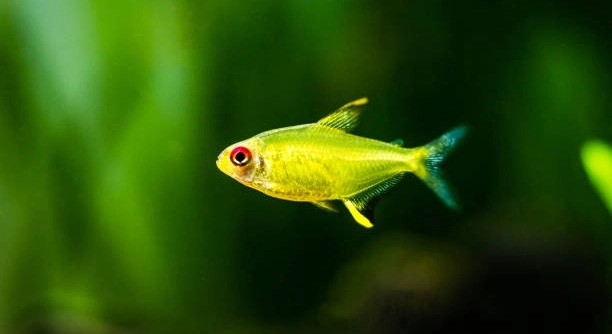
7 Reasons to Rethink Your Arowana Feeding Routine
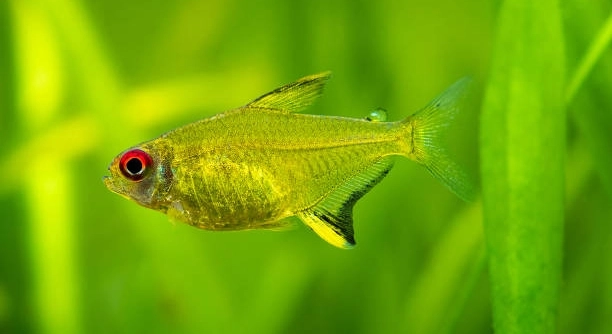
Are you careful about feeding your arowana but still feel something might be off? Many owners follow routines without realizing small changes can affect their fish’s health and growth over time. Rethinking your arowana feeding routine is essential because improper feeding schedules or diet choices can lead to stunted growth, digestive issues, and behavioral problems. … Read more
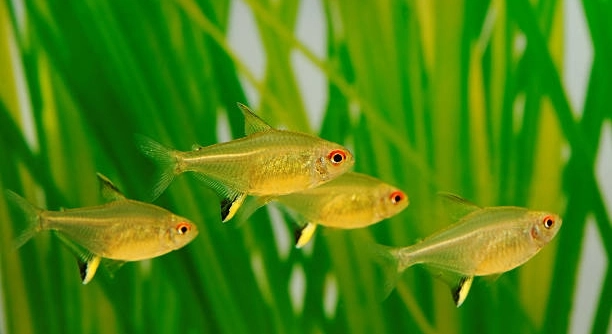
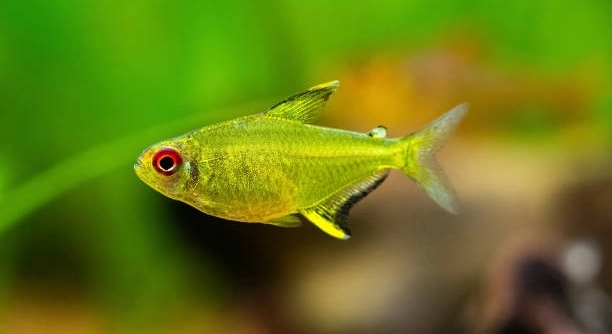
7 Ideal Conditions for Breeding Lemon Tetra

Have you ever set up a small aquarium and thought about breeding your Lemon Tetra successfully? These bright, cheerful fish are popular for home aquariums and require careful attention to their environment for optimal breeding. Breeding Lemon Tetras requires specific conditions including slightly acidic water, stable temperature between 75-80°F, subdued lighting, sufficient vegetation for spawning, … Read more

What Makes Lemon Tetra Turn Pale Unexpectedly?

Lemon Tetras are small, vibrant fish that brighten any aquarium with their yellow hue and lively movements. Observing their color changes can be concerning, especially when they suddenly lose their brightness, leaving them pale and dull. The primary cause of a Lemon Tetra turning pale unexpectedly is stress or poor water conditions. Factors such as … Read more

Can Lemon Tetra Learn From Other Fish?

Have you ever watched your lemon tetras glide around the tank as they respond to the movements of other fish, creating a calm scene that highlights their gentle nature and sparks interest in their behavior. Lemon tetras can exhibit learning influenced by observing other fish, particularly within shoaling groups. Their social structure allows them to … Read more

Do Lemon Tetra Ever Show Off?

Lemon tetras are small, bright fish that often catch the eye in home aquariums. Their shimmering yellow color and lively movements make them a favorite among beginner and experienced fishkeepers alike. Observing them can be surprisingly calming. Lemon tetras do exhibit behaviors that could be considered showing off. They display bright colors and swim in … Read more

7 Ways Lemon Tetra Communicate in Groups

Have you ever watched a school of Lemon Tetra moving together and wondered how they manage coordination in the water while staying connected as a group with gentle signals that guide their peaceful interactions daily. Lemon Tetra communicate in groups through subtle body movements, fin flicks, color shifts, spacing adjustments, synchronized swimming patterns, short bursts … Read more

Why Is My Arowana Floating Sideways Occasionally?

Do you ever notice your arowana swimming sideways for brief moments, leaving you slightly concerned about its wellbeing in the tank? Observing these unusual movements can be alarming, especially if your fish usually glides gracefully through the water. Occasional sideways floating in arowanas is commonly caused by swim bladder issues, water quality imbalances, or dietary … Read more

Do Lemon Tetra Sleep on the Bottom of the Tank?

Do your lemon tetras sometimes appear resting at the bottom of the tank during the evening hours? Observing their behavior can be both fascinating and slightly concerning for aquarists who want to ensure their fish are healthy. Lemon tetras primarily sleep near the lower or middle sections of the tank, often hovering close to plants … Read more

How to Monitor Lemon Tetra After a Water Change

Have you ever completed a water change in your aquarium and found yourself watching your lemon tetras with extra attention? Keeping track of their behavior after adjusting their environment is an important part of fish care. Monitoring lemon tetras after a water change involves observing their swimming patterns, feeding habits, and overall appearance. Sudden changes … Read more

7 Reasons Lemon Tetra May Be Gasping for Air

Are your lemon tetras showing signs of distress and gasping near the water surface? This behavior can be alarming for any fish keeper, especially when you have invested time in creating a healthy, thriving aquarium environment. Lemon tetras may gasp for air due to poor water quality, low oxygen levels, high ammonia or nitrite concentrations, … Read more