
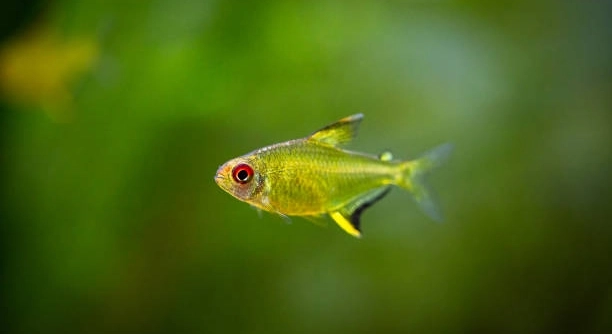
Do your lemon tetras sometimes appear resting at the bottom of the tank during the evening hours? Observing their behavior can be both fascinating and slightly concerning for aquarists who want to ensure their fish are healthy.
Lemon tetras primarily sleep near the lower or middle sections of the tank, often hovering close to plants or decorations. This behavior is natural and serves as a form of protection while they rest, reducing stress and exposure to potential threats.
Understanding their sleeping habits can help maintain a healthy environment and identify early signs of stress or illness in your tank. Observing these patterns promotes long-term care and well-being for your fish.
Lemon Tetra Sleeping Patterns
Lemon tetras tend to sleep in groups, often near the lower half of the tank where they feel secure. Their small size and bright coloration make them cautious, and staying close to plants or hiding spots reduces stress. These fish are diurnal, active during the day and resting at night. Observing their patterns can help you ensure the tank conditions are suitable. If tetras are scattered or unusually inactive during the day, it could indicate stress or poor water quality. Temperature, light, and tank mates all influence where tetras choose to rest. Providing hiding spots and gentle lighting encourages natural behavior. A well-maintained tank with stable water parameters allows lemon tetras to rest safely without hiding excessively. Their sleeping position is usually horizontal, and they may hover slightly above the substrate rather than lying directly on the bottom. Understanding these patterns can help you notice any changes in health or comfort.
Lemon tetras rarely sleep on the very bottom unless they are stressed or unwell.
If you notice your tetras resting flat on the substrate, it is often a sign of illness or water issues. Monitoring water temperature, ammonia levels, and tank cleanliness is essential. Some tetras may also choose lower areas simply for privacy, but consistent bottom-dwelling behavior should be investigated to prevent potential health problems.
Environmental Factors Affecting Rest
Light and tank activity significantly influence where lemon tetras sleep.
Excessive light or sudden movements in the room can make tetras seek shelter near plants or tank decorations. They prefer dim, stable environments to rest safely. A lack of cover may cause them to hover near the bottom, trying to feel secure. Tank layout should include plants, rocks, and other structures to allow natural resting positions. Lighting should mimic a natural day-night cycle, helping fish maintain healthy circadian rhythms. Water quality is equally important; stable pH, temperature, and cleanliness reduce stress and allow proper resting behavior. Overcrowding can disrupt sleeping patterns, so keeping an appropriate number of tetras in the tank is crucial. Observing where tetras rest regularly allows you to notice behavioral changes early. Adjusting environmental factors supports overall well-being, letting them sleep comfortably without stress. Proper care ensures lemon tetras thrive, showing natural patterns and enjoying a balanced life in the tank.
Signs of Healthy Sleeping Behavior
Healthy lemon tetras rest quietly near plants or decorations without lying completely on the substrate. Their fins remain slightly spread, and they hover gently. They respond slowly to sudden movements but do not appear lethargic or gasping at the surface.
Observing consistent resting patterns is a strong indicator of good health. Lemon tetras that sleep properly often return to their usual swimming areas after dark and remain active during the day. They may cluster together for safety, and this is normal behavior. Irregular or erratic resting, such as floating at odd angles or lying motionless on the bottom, can signal stress or illness. Maintaining stable water parameters, appropriate temperature, and sufficient hiding spots supports natural resting patterns. Monitoring behavior regularly helps detect early issues and ensures tetras thrive in the tank environment.
Minor deviations in resting behavior may occur due to environmental changes or recent tank additions. These shifts are usually temporary if water conditions remain stable. Adjusting lighting gradually and maintaining proper water quality prevents stress.
Factors That Can Disrupt Sleep
Tank size, water quality, and lighting affect how lemon tetras sleep. Crowded tanks or aggressive tank mates can force them to hide more often.
Lemon tetras are sensitive to sudden changes in water parameters, including temperature, pH, and ammonia levels. Even slight fluctuations can make them restless or force them closer to the bottom. Strong lighting or frequent disturbances during the night also interrupts natural sleep, causing fatigue or stress. Providing a calm environment with plenty of cover helps maintain normal behavior. Ensuring proper tank size reduces competition and allows tetras to choose their preferred resting areas. Regular monitoring of water quality and gradual adjustments of lighting cycles support healthy sleep patterns. When environmental factors are stable, lemon tetras exhibit natural, calm resting behavior, indicating comfort and well-being in their tank habitat.
Common Misconceptions About Sleeping Locations
Lemon tetras do not always sleep at the very bottom of the tank. Many prefer mid-level hiding spots among plants or decorations. Their choice depends on comfort, light levels, and the presence of tank mates.
Sleeping at the bottom is often mistaken for illness, but occasional bottom resting can be normal if water quality and tank conditions are stable.
How Tank Setup Influences Rest
The arrangement of plants, rocks, and decorations directly affects where lemon tetras choose to sleep. Dense foliage and hiding spots near the lower and middle levels provide security and reduce stress. Fish naturally seek areas that protect them from perceived threats, allowing them to rest safely without exposure. Open spaces or bright lighting may force tetras to stay lower, closer to substrate edges or behind decorations. Proper tank setup encourages natural resting positions and reduces bottom-dwelling behavior caused by discomfort. Regularly observing fish behavior helps identify if adjustments are needed, ensuring a calm environment for consistent sleep patterns.
Adjusting Lighting for Better Sleep
Gradually dimming lights at night helps tetras transition into rest.
FAQ
Do lemon tetras always sleep at the bottom of the tank?
No, lemon tetras do not always sleep on the bottom. They often rest in the middle or lower sections of the tank where they feel secure. The choice of resting spot depends on light levels, tank decorations, and the presence of other fish. Some tetras may hover slightly above the substrate while resting.
Is it normal to see lemon tetras lying on the bottom occasionally?
Occasional bottom resting can be normal if the fish appear healthy, responsive, and are not gasping at the surface. It can happen when they seek extra security, especially in tanks with minimal plants or cover. Consistent bottom-laying behavior, however, can indicate stress, illness, or poor water quality.
What are the signs of unhealthy sleep behavior in lemon tetras?
Unhealthy sleep behavior includes lying flat on the substrate for long periods, floating awkwardly, clamped fins, rapid gill movement, or lethargy during the day. Tetras showing these signs may be stressed, sick, or experiencing poor water conditions. Immediate attention to water parameters and overall tank conditions is necessary.
Can tank lighting affect where lemon tetras sleep?
Yes, lighting has a significant impact. Bright, constant light can stress tetras, forcing them to hide near the bottom or among decorations. Gradual dimming in the evening and a regular day-night cycle promote natural resting behavior and reduce stress. Overly strong lighting may also cause restlessness and uneven sleep patterns.
Do tank mates influence sleeping behavior?
Yes, aggressive or overly active tank mates can disrupt normal resting positions. Lemon tetras may hide near the bottom or among decorations to feel safe. Providing peaceful companions and adequate hiding spots reduces stress and encourages normal sleep patterns. Crowding should be avoided to allow fish enough space to rest comfortably.
How does water quality affect lemon tetra sleep?
Poor water quality is a major factor in abnormal resting behavior. High ammonia, nitrite, or unstable pH can make tetras restless or cause them to stay near the bottom. Stable temperature, clean water, and regular maintenance promote natural resting positions and overall well-being. Monitoring water parameters is essential for healthy sleep patterns.
Do lemon tetras sleep at night like humans?
Yes, lemon tetras are diurnal and mostly active during the day. They rest at night, often near lower tank areas or hiding spots. A consistent light-dark cycle helps them maintain regular sleep patterns. Disruptions in lighting or frequent disturbances at night can cause stress and affect sleep.
How can I encourage healthy sleep for my lemon tetras?
Provide a tank with plenty of plants, decorations, and mid-to-lower level hiding spots. Maintain stable water conditions, appropriate temperature, and a gradual day-night lighting cycle. Avoid sudden disturbances at night. Observing their resting habits regularly helps ensure they remain calm and healthy.
Should I worry if one tetra sleeps differently than the others?
Minor differences in sleeping positions are normal, especially if the fish is healthy and active during the day. However, if the fish consistently rests at the bottom or shows lethargy while others are active, it may indicate stress or illness that requires attention.
Can diet affect sleeping behavior?
Yes, poor nutrition or overfeeding can impact energy levels and resting habits. Balanced feeding with high-quality food supports normal activity during the day and proper rest at night. Overfeeding can lead to water quality issues, indirectly affecting sleep patterns.
How long do lemon tetras usually sleep?
Lemon tetras typically sleep throughout the night, roughly 8 to 12 hours, depending on the light-dark cycle. Consistent lighting and calm tank conditions help maintain regular sleep duration and prevent restlessness or abnormal behavior.
Is it normal for lemon tetras to hover while sleeping?
Yes, hovering slightly above the substrate is normal and provides a sense of security. Fish may remain near plants or decorations for protection while resting. Directly lying flat on the bottom for extended periods is less common and may signal concern.
Can stress change where tetras sleep?
Stress from overcrowding, poor water quality, aggressive tank mates, or sudden environmental changes can force tetras to rest in unusual positions. Observing patterns and adjusting the tank environment helps reduce stress and supports normal sleep behavior.
What should I do if my tetra sleeps at the bottom consistently?
Check water parameters, temperature, and ammonia levels immediately. Ensure there are hiding spots and calm areas in the tank. Observe for signs of illness, such as clamped fins or lethargy. Addressing environmental and health factors can restore natural resting positions.
Are lemon tetras sensitive to tank changes while resting?
Yes, sudden changes in water, lighting, or decorations can disrupt sleep patterns. Gradual adjustments allow tetras to adapt and maintain normal resting habits. Sudden disturbances may lead to stress and prolonged bottom-dwelling behavior.
How can I tell if sleeping behavior indicates illness?
Look for prolonged bottom-laying, lethargy, clamped fins, rapid gill movement, or loss of appetite. Healthy tetras return to normal activity during the day. Persistent abnormal behavior requires water testing, possible treatment, and careful observation for improvement.
Can regular observation help prevent sleep-related issues?
Yes, observing sleeping patterns helps identify early signs of stress or illness. Noticing unusual positions, lethargy, or bottom-dwelling behavior allows for timely adjustments to tank conditions, diet, or social environment, supporting overall health and natural resting habits.
Do all lemon tetras sleep in groups?
While many prefer to rest near others for safety, some may sleep alone depending on personality and comfort. Group sleeping is common but not mandatory, and fish can adjust based on tank layout, hiding spots, and environmental stressors.
Can temperature fluctuations affect sleep?
Yes, sudden or extreme temperature changes disrupt rest. Stable water temperature is crucial for maintaining natural sleep patterns. Tetras may become restless or move to unusual areas if the water is too cold or too warm, highlighting the need for consistent monitoring.
Is bottom-dwelling always a problem?
Not always. Occasional bottom resting is natural, especially if the fish seeks security. Persistent bottom-laying combined with other signs of stress or illness requires intervention to ensure proper health and comfort. Observing patterns over time gives a clearer picture.
How do I balance tank activity and sleep?
Limit disturbances during night hours and provide calm areas with sufficient hiding spots. Avoid overcrowding and aggressive companions. Maintaining a stable light-dark cycle, clean water, and adequate tank size allows tetras to rest naturally while remaining active during the day.
What role do decorations play in sleep behavior?
Plants, rocks, and ornaments provide hiding spots and vertical zones for safe resting. Fish often choose areas near cover for protection. Minimal decoration or open tanks may increase bottom-dwelling behavior and stress, highlighting the importance of proper tank design.
Can seasonal changes affect sleeping patterns?
Yes, changes in natural light, temperature, or feeding schedules may alter resting behavior. Gradual adjustments and stable tank conditions help tetras maintain regular sleep patterns despite external environmental variations.
Do lemon tetras sleep at the same time every night?
Generally, yes. They follow a diurnal pattern with activity during the day and rest at night. A consistent light-dark cycle reinforces regular sleep, while irregular lighting can disrupt natural rhythms and affect overall health.
How can I ensure long-term healthy sleep?
Maintain stable water conditions, appropriate tank setup, balanced diet, and consistent light cycles. Regular observation and timely adjustments support normal resting behavior, stress reduction, and long-term health, helping lemon tetras thrive in a safe and comfortable environment.
Final Thoughts
Lemon tetras are small, delicate fish that require a stable and comfortable environment to thrive. Observing their sleeping habits provides insight into their overall health and well-being. Many aquarists notice their tetras resting near the bottom of the tank and may worry this behavior signals a problem. However, this is not always the case. Lemon tetras often choose lower areas for resting because these spots feel secure and protected. The bottom or lower sections of the tank provide a sense of safety, especially when plants, rocks, or decorations are nearby. It is important to remember that occasional bottom resting is normal, especially if the fish return to their usual swimming patterns during the day and show no other signs of stress or illness. Paying attention to these details helps aquarists provide the best care for their tetras.
Healthy lemon tetras typically exhibit calm and consistent resting patterns. They often hover slightly above the substrate or among decorations, with fins slightly spread and movement gentle. These behaviors indicate they are relaxed and feel secure in their environment. Environmental factors such as lighting, water quality, tank size, and the presence of tank mates all influence where and how lemon tetras sleep. Sudden changes in water parameters, excessive light, or aggressive companions can cause stress, making tetras seek lower or more hidden resting areas. Regular observation of resting behavior helps identify early signs of discomfort, stress, or illness. Providing a stable, well-planted tank with proper water maintenance ensures lemon tetras can rest safely, supporting their long-term health. Even small adjustments, like dimming lights gradually in the evening or adding more hiding spots, can make a noticeable difference in their comfort and sleeping behavior.
It is also important to recognize that each tetra may have slightly different resting habits. While most sleep near the lower areas or among plants, some may prefer mid-level sections of the tank, depending on individual comfort and personality. Occasional deviations from typical behavior are normal if the fish is otherwise active and healthy. Monitoring patterns over time allows aquarists to distinguish between normal resting variations and potential health concerns. Understanding and accommodating the natural sleeping tendencies of lemon tetras improves tank management, reduces stress, and enhances overall fish welfare. By providing a balanced environment with stable water conditions, adequate hiding spots, and a consistent day-night cycle, aquarists can support natural sleep patterns. Ultimately, attentive care and observation help lemon tetras live a comfortable and healthy life, making them more enjoyable and vibrant in the tank environment.

Hello,
If you enjoy the content that we create, please consider saying a "Thank You!" by leaving a tip.
Every little bit helps us continue crafting quality advice that supports the health, happiness, and well-being of pets around the world, for pets of all shapes, sizes, and species.
We really appreciate the kindness and support that you show us!