
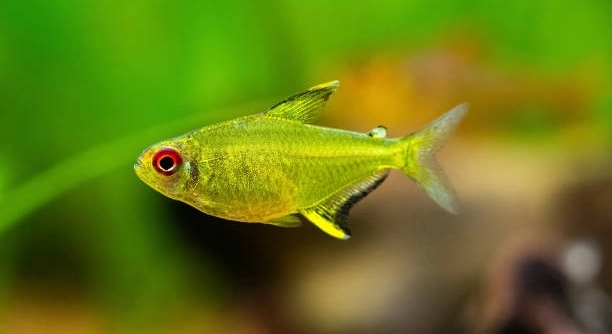
Have you ever completed a water change in your aquarium and found yourself watching your lemon tetras with extra attention? Keeping track of their behavior after adjusting their environment is an important part of fish care.
Monitoring lemon tetras after a water change involves observing their swimming patterns, feeding habits, and overall appearance. Sudden changes in water parameters can cause stress, and consistent, careful observation ensures their health and helps detect potential issues early.
Even small shifts in behavior can indicate stress or discomfort. By paying attention, you can support your tetras’ well-being and maintain a stable, healthy aquarium environment.
Preparing for a Water Change
Before performing a water change, it is important to plan carefully to reduce stress for your lemon tetras. Start by checking water parameters such as temperature, pH, and hardness to match the tank’s existing conditions. Gather all supplies in advance, including a siphon, clean buckets, and dechlorinator. Avoid sudden changes in temperature or water chemistry, as these can shock the fish. Perform partial water changes gradually, usually around 20-30% at a time, to maintain stability. While removing water, take care not to disturb decorations or substrate excessively, as this can cause additional stress. Keeping a consistent schedule helps fish adjust to the changes over time. Small adjustments are easier for the tetras to handle than large, abrupt changes. Monitoring water quality after the change ensures that parameters remain stable, preventing potential health issues. Proper preparation provides a smooth transition and supports long-term health.
Gradually adjusting water conditions reduces stress and helps lemon tetras maintain stable behavior after a water change, ensuring better overall health.
Even with careful preparation, it is normal to notice minor changes in behavior after a water change. Lemon tetras may swim more cautiously, cluster together, or pause near hiding spots while acclimating. Observe their activity for at least a few hours after the change, noting any signs of distress such as rapid gill movement or erratic swimming. Feeding should be delayed slightly if fish appear stressed, giving them time to adapt. Recording water parameters daily during the first few days can highlight subtle shifts that may require intervention. Over time, the tetras will resume their normal routines, including playful swimming and regular feeding. By maintaining consistent observation and gently adjusting care routines, you create an environment where lemon tetras can thrive.
Observing Behavior After Water Changes
After completing a water change, your primary focus should be on the tetras’ movement, interaction, and feeding responses. Watch for any unusual patterns or signs of stress immediately after the change.
Pay attention to swimming direction, grouping, and activity levels over several hours. Lemon tetras may hide briefly or remain near plants and decorations. Feeding responses can indicate acclimation, as fish that eat normally are adjusting well. Avoid overfeeding during this period, as uneaten food can affect water quality. Take note of any persistent changes in color or fin condition, which may signal stress or illness. Recording observations in a notebook can help track trends over multiple water changes. Over time, this practice improves your ability to recognize healthy versus stressed behavior. Observing subtle differences allows you to respond proactively, adjusting tank conditions when needed. By staying attentive, you maintain a stable environment that supports the long-term health and activity of your lemon tetras. Regular monitoring also builds confidence in managing water changes without causing unnecessary stress to your fish.
Checking Water Parameters
Testing water immediately after a change ensures conditions remain stable. Measure temperature, pH, ammonia, nitrite, and nitrate levels. Stable parameters reduce stress and support healthy lemon tetra behavior.
If water parameters differ too much from the tank’s original conditions, fish can experience stress or illness. Temperature fluctuations should be minimal, ideally within one or two degrees of the previous level. pH changes can affect their metabolism and feeding patterns, while spikes in ammonia or nitrites are toxic. Using a dechlorinator and conditioned water helps maintain chemical balance. Regular monitoring after each water change allows timely corrections. Observing both water quality and fish behavior together gives a clearer picture of their adjustment.
Tracking parameters over several days ensures the aquarium remains safe and stable. Record daily readings to notice small shifts that may go unnoticed otherwise. Lemon tetras are sensitive to chemical changes, so even minor deviations can impact health. Gradual adjustments are safer than sudden corrections, and consistent observation prevents unnecessary stress. Maintaining proper water chemistry contributes to a thriving tank environment and healthier, more active fish.
Recognizing Stress Signals
Stress in lemon tetras is often subtle but noticeable through changes in movement, appetite, or coloration. Prompt recognition allows for immediate adjustments.
Common signs of stress include hiding excessively, clamped fins, erratic swimming, or loss of appetite. Color may fade slightly, and the fish might isolate from the group. Prolonged stress can weaken the immune system, making them more susceptible to disease. Monitoring feeding response helps gauge comfort level, as tetras that resume normal eating are adjusting well. Keep notes of these behaviors to track recovery or detect recurring issues. Adjust water parameters, reduce disturbances, and provide cover to help fish regain composure. Gradual acclimation after each water change supports their resilience. Maintaining stable conditions and minimizing sudden environmental shifts significantly reduces stress, promoting consistent health and behavior. Observing these signs early prevents long-term health problems and ensures your lemon tetras remain active and vibrant in their tank environment.
Adjusting Feeding After a Water Change
Feed sparingly for the first few hours after a water change. Lemon tetras may eat less initially as they adjust to new conditions.
Observe how quickly they resume normal feeding. Avoid overfeeding, as leftover food can affect water quality and stress the fish further.
Maintaining a Calm Environment
Minimize sudden movements around the tank and avoid tapping on glass. Providing consistent lighting and quiet surroundings helps tetras feel secure. Monitor behavior for several hours to ensure normal swimming and interaction patterns resume.
Using Hiding Spots
Ensure plants and decorations remain accessible for cover. Lemon tetras use these areas to feel safe and reduce stress.
Tracking Long-Term Behavior
Keep notes of regular behaviors and any changes after water changes. Consistent observation over weeks allows you to detect trends and address issues before they escalate.
FAQ
How soon should I feed lemon tetras after a water change?
After a water change, it is best to wait at least 30 minutes to an hour before feeding. This allows them time to acclimate and reduces the risk of stress-related digestive issues. Start with small portions and observe if they eat normally.
What signs show my lemon tetras are stressed?
Stress can appear as clamped fins, faded color, hiding more than usual, erratic swimming, or reduced appetite. Rapid gill movement or gasping at the water surface may also indicate stress. Early detection allows adjustments in water conditions to help them recover quickly.
Is it normal for tetras to swim differently after a water change?
Yes, temporary changes in swimming patterns are normal. They may cluster together, move cautiously, or stay near decorations while adjusting. These behaviors usually normalize within a few hours as they acclimate to the new water.
How often should I monitor water parameters?
Immediately after a water change, check temperature, pH, ammonia, nitrite, and nitrate levels. Continue monitoring daily for the next few days. This helps detect any shifts that could affect the tetras’ health, ensuring prompt intervention if needed.
Can I change all the water at once?
Full water changes are not recommended for lemon tetras. Sudden shifts in temperature, pH, or chemical composition can shock the fish. Partial changes of 20-30% at a time maintain stability and reduce stress, allowing gradual adjustment.
Why are my tetras hiding more after a water change?
Hiding is a natural response to environmental change. Lemon tetras seek cover to feel safe while acclimating. Ensure plants or decorations are available. If hiding persists for more than a day or is accompanied by other stress signs, check water parameters.
Should I adjust the lighting during a water change?
Keep lighting consistent. Sudden changes in light can stress tetras. Dim the lights slightly if needed during observation, but return to normal levels once they appear comfortable and are swimming normally.
What should I do if a tetra refuses to eat?
If one fish refuses food, it may still be adjusting. Offer small amounts at regular intervals. Check water parameters and tank conditions for stressors. Most fish resume normal feeding once conditions stabilize and they feel safe.
Can I add new fish right after a water change?
It is better to wait until the existing tetras are fully adjusted. Introducing new fish immediately can increase stress and complicate acclimation. Monitor behavior and ensure water parameters are stable before adding any newcomers.
How long does it take for tetras to return to normal behavior?
Typically, lemon tetras resume normal activity within a few hours, though some may take up to a day. Continuous observation ensures they are feeding, swimming actively, and interacting normally with the group. Persistent issues may indicate water quality problems or illness.
Do I need to remove decorations during a water change?
Not necessarily. Avoid disturbing them too much. Only move decorations if necessary to clean or siphon debris. Minimizing disruption reduces stress and helps tetras maintain their routines during and after the change.
How can I prevent stress during future water changes?
Maintain consistent water parameters, perform partial changes, provide cover, and limit sudden disturbances around the tank. Observing tetras’ behavior closely after each change allows gradual improvements in care routines. Consistency reduces stress and supports long-term health.
Is it necessary to quarantine tetras after a water change?
Quarantining is not needed after a routine water change unless a fish shows signs of illness. Normal water maintenance is safe if proper care is followed. Keep observing for unusual behavior to address any emerging issues promptly.
What is the best way to document behavior after a water change?
Use a notebook or digital log to record swimming patterns, feeding, and interactions. Note any signs of stress, time of observation, and water parameters. Tracking over time helps identify trends and improves overall tank management.
Can I change water at night or only during the day?
Water changes can be done at any time, but performing them during daylight helps observe fish behavior more easily. Consistent timing helps tetras anticipate changes and reduces stress during transitions.
How do I know if water chemistry is safe after a change?
Stable temperature, pH, and zero readings for ammonia and nitrite indicate safety. Nitrate levels should remain low. Use a reliable test kit and compare results with previous measurements to confirm conditions are suitable.
Should I increase aeration after a water change?
Adding temporary aeration can help if water movement is low, especially during larger changes. Proper oxygen levels reduce stress and support recovery, but normal filtration usually maintains adequate aeration.
Can tetras recover if stressed during a water change?
Yes, most lemon tetras recover quickly if stress is mild. Observing behavior, maintaining stable water parameters, and providing cover encourage recovery. Persistent stress may require additional monitoring and water adjustments.
What is the role of plants in reducing stress after a water change?
Plants provide hiding spots and visual barriers, which make tetras feel secure. They also help maintain water quality. Ensuring adequate plant coverage can significantly reduce stress and promote normal behavior after water adjustments.
How long should I observe tetras after a water change?
Observe continuously for the first few hours, then periodically for the next 24-48 hours. Monitoring behavior, feeding, and swimming helps ensure tetras are adjusting and allows early detection of any issues.
Can I perform multiple water changes in a day?
Multiple changes are unnecessary and may cause stress. Stick to partial changes with consistent parameters. Only adjust more frequently if water quality readings indicate a problem, and always do so gradually.
Is cloudy water after a change normal?
Slight cloudiness can occur due to disturbed substrate or beneficial bacteria. Avoid using chemical clarifiers immediately. Cloudiness usually clears within hours as the tank stabilizes, provided water parameters remain safe.
Do tetras need extra care in newly set-up tanks?
Yes, new tanks require extra observation. Lemon tetras are sensitive to fluctuations in chemistry and temperature. Monitor behavior and parameters closely, and perform smaller, gradual water changes to reduce stress.
How do I handle sudden drops in temperature?
If temperature drops unexpectedly, gently adjust water to match the tank gradually. Sudden shifts can shock tetras and affect their immune system. Use a heater or preconditioned water to stabilize temperature safely.
Can stress from water changes cause disease?
Stress lowers immunity, making tetras more susceptible to infections. Observing early signs and maintaining optimal water quality helps prevent stress-related illness. Quick corrective actions reduce long-term health risks.
What should I do if multiple tetras show stress signs?
Check water parameters immediately. Ensure stable temperature, pH, and chemical levels. Reduce disturbances, provide cover, and observe closely until behaviors normalize. Consistent monitoring and gradual changes prevent prolonged stress episodes.
Are tetras more sensitive during breeding?
Yes, lemon tetras are more sensitive while breeding. Stress can affect spawning and fry survival. Minimize water changes or perform smaller adjustments during this period to protect both adults and offspring.
Can I use water from the same source each change?
Consistency helps tetras acclimate. Using the same conditioned water source minimizes fluctuations in chemistry. Always treat tap water with dechlorinator and check parameters before adding it to the tank.
How does lighting affect post-change behavior?
Stable lighting reduces stress and supports normal activity patterns. Avoid sudden bright lights or darkness immediately after water changes, as tetras rely on visual cues for orientation and social interaction.
Should I separate tetras if one appears sick after a change?
If illness is suspected, separating the affected fish is advisable. Quarantine prevents disease spread and allows targeted treatment. Monitor the rest of the group for stress and maintain optimal water conditions.
How can I ensure consistent observation habits?
Set a routine for checking behavior and water parameters at the same times each day. Documenting results consistently helps identify trends and supports proactive care. Stable habits benefit both the fish and your management approach.
Is occasional stress during water changes harmful?
Minor, short-term stress is usually not harmful if water parameters are stable and observation continues. Frequent or severe stress, however, can affect health and should be addressed promptly to prevent complications.
Can adding a bubbler help stressed tetras?
Yes, a bubbler increases oxygenation and water movement, helping tetras recover from mild stress. Ensure bubbles are gentle to avoid causing further agitation. Continuous observation ensures the environment remains supportive.
How do I know when tetras are fully adjusted?
They swim actively, feed normally, display bright coloration, and interact with the group as usual. Consistent behavior over several hours to a day indicates successful acclimation. Regular monitoring reinforces this assessment.
Are there long-term effects of frequent water changes?
Frequent partial changes with stable parameters usually have positive effects. Abrupt or excessive changes can increase stress and impact health. Maintaining a consistent schedule promotes stability and reduces the risk of long-term issues.
What equipment helps reduce stress during water changes?
A siphon, water conditioner, heater, and thermometer help maintain stability. Decorations and plants provide cover. Proper equipment ensures safe, gradual water adjustments, reducing risk and supporting tetras’ well-being.
Is behavior observation more important than water testing?
Both are equally important. Behavior indicates immediate stress, while water testing confirms safety. Combining these methods provides a full understanding of tetras’ adjustment and helps prevent health problems.
How can I reduce stress in older tetras?
Older tetras are more sensitive. Perform smaller, slower water changes, maintain consistent conditions, and provide ample cover. Observing feeding and swimming closely ensures they adjust without excessive strain.
Can multiple stress factors combine after a water change?
Yes, sudden temperature shifts, poor water chemistry, and disturbances together increase stress. Addressing each factor individually and monitoring behavior prevents compounding issues and supports recovery.
Do tetras recover faster in planted tanks?
Planted tanks provide hiding spots and natural filtration, which reduce stress and support faster adjustment. Dense plant coverage can make tetras feel secure, allowing them to return to normal behavior more quickly.
Should I track water changes with a calendar?
Yes, marking water changes and observations helps maintain consistency. It allows easy comparison of behavior and water quality over time, making adjustments more effective and predictable.
Can tetras signal problems before water tests do?
Behavioral changes often appear before water parameters spike. Observing swimming, hiding, and feeding patterns allows early detection of stress, providing an opportunity to prevent potential water-related problems.
Is occasional hiding cause for concern?
Short-term hiding is normal after a change. Persistent hiding with other signs like clamped fins or poor feeding requires checking water parameters and adjusting care routines to reduce stress.
How can I safely acclimate tetras to future changes?
Gradual water changes, consistent parameters, and ample hiding spots support acclimation. Observing behavior closely and making incremental adjustments ensures lemon tetras remain healthy and less stressed during future maintenance.
Final Thoughts
Monitoring lemon tetras after a water change is an essential part of maintaining a healthy aquarium. These fish are sensitive to changes in water chemistry, temperature, and general environment. Even small fluctuations can trigger stress, which may affect their behavior and overall health. By carefully observing swimming patterns, feeding habits, and general appearance, you can ensure that any issues are detected early. Simple measures such as providing plants and decorations for hiding, keeping water parameters stable, and minimizing sudden disturbances make a significant difference in how tetras respond to changes. Consistent attention allows the fish to acclimate more smoothly and prevents potential long-term problems that could arise from repeated stress. Monitoring is not just about checking numbers or feeding patterns; it is about understanding how your tetras react to changes and adapting care to support their well-being.
Maintaining a calm and stable environment after a water change is equally important as the water change itself. Lemon tetras rely on familiar surroundings, gentle lighting, and minimal disturbance to feel secure. Providing hiding spots and leaving them undisturbed immediately after the change reduces stress and encourages natural behavior. Feeding should be approached carefully, offering small amounts at intervals until fish resume normal intake. Recording behavior and water parameters over the first hours and days after a change helps identify subtle issues that may not be immediately obvious. By combining observation with proper water management, it is possible to maintain a thriving aquarium where lemon tetras can remain active, colorful, and healthy. Over time, these consistent routines build a stable environment that supports long-term growth and vitality.
Long-term care involves integrating these practices into regular aquarium maintenance. Partial water changes should be done gradually, with attention to temperature, pH, and chemical balance to avoid unnecessary stress. Observing behavior, documenting changes, and adjusting feeding habits according to fish response allows you to respond quickly to any signs of discomfort. Even minor changes in water chemistry or temperature can have noticeable effects, so careful planning and preparation are key. Lemon tetras benefit from consistency, which makes their adjustment to routine changes easier and reduces the likelihood of illness or stress-related behavior. With patience and careful observation, you can ensure that your lemon tetras thrive after every water change, maintaining a vibrant and healthy aquarium environment for years to come.

Hello,
If you enjoy the content that we create, please consider saying a "Thank You!" by leaving a tip.
Every little bit helps us continue crafting quality advice that supports the health, happiness, and well-being of pets around the world, for pets of all shapes, sizes, and species.
We really appreciate the kindness and support that you show us!