
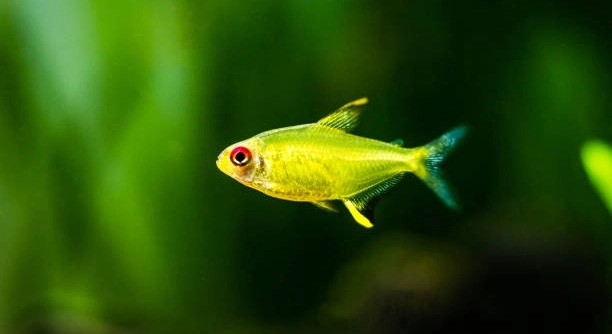
Are your lemon tetras showing signs of distress and gasping near the water surface? This behavior can be alarming for any fish keeper, especially when you have invested time in creating a healthy, thriving aquarium environment.
Lemon tetras may gasp for air due to poor water quality, low oxygen levels, high ammonia or nitrite concentrations, improper tank temperature, overcrowding, stress from sudden environmental changes, or underlying health conditions affecting gill function.
Understanding these causes is essential for maintaining your fish’s wellbeing. We will explore each factor to help ensure your lemon tetras remain healthy and comfortable in their habitat.
Poor Water Quality
Maintaining clean water is crucial for lemon tetras. Dirty or contaminated water can quickly reduce oxygen levels, leading to gasping. Accumulation of waste, uneaten food, and decaying plants produces ammonia and nitrites, which are toxic to fish. Even small amounts can irritate gills and cause rapid breathing. Regular water testing and changes are necessary to prevent this. Filtration helps remove debris and chemicals, but it is not a substitute for consistent maintenance. Lemon tetras are sensitive to pH changes, so monitoring acidity levels is also important. A stable environment allows them to breathe easily and reduces stress.
Testing your water weekly and performing partial water changes can keep your tetras healthy.
Water quality issues are often subtle at first. Slight discoloration or odor can indicate rising toxins. Observing your tetras’ behavior daily helps detect early signs of trouble. Using a reliable filter and avoiding overfeeding are simple steps. Temperature, pH, and hardness must also be consistent. A balanced aquarium routine supports strong gill function and prevents oxygen depletion.
Low Oxygen Levels
Insufficient oxygen in the tank can make tetras gasp at the surface.
Oxygen levels drop when there is poor water circulation, overcrowding, or excessive algae. Surface agitation from an air pump or filter ensures proper oxygen exchange. Plants can both help and hinder oxygenation, as they produce oxygen during daylight but consume it at night. Proper tank aeration keeps the fish comfortable and reduces the risk of respiratory stress. Monitoring fish behavior during the night can indicate oxygen shortages early. Adjusting flow and adding aeration devices helps maintain a stable environment. Regular observation ensures lemon tetras remain active, healthy, and able to breathe properly without struggling at the surface.
High Ammonia or Nitrite Levels
Ammonia and nitrite build-up in aquariums can stress lemon tetras and damage their gills. Even low levels may cause gasping and lethargy, making it essential to monitor water chemistry regularly and act quickly to prevent long-term harm.
Testing the water frequently is key. Ammonia often rises due to overfeeding, decaying food, or insufficient filtration. Nitrites appear when beneficial bacteria are not fully established, especially in new tanks. Immediate partial water changes reduce concentrations, while adding biological supplements can help speed up bacterial growth. Observing tetras for rapid breathing or unusual swimming patterns can alert you to rising toxins before they become fatal.
Managing ammonia and nitrite requires consistent effort. Avoid overcrowding and remove uneaten food promptly. Using a reliable filter with biological media supports beneficial bacteria. Keeping a regular maintenance schedule, monitoring chemical levels, and adjusting feeding habits ensure that lemon tetras have a safe, stable environment to thrive in without gasping for air.
Improper Tank Temperature
Sudden temperature fluctuations can stress lemon tetras, causing rapid gill movement and gasping. Maintaining a stable, moderate temperature is essential for their comfort and overall health.
Temperature affects oxygen solubility, metabolism, and immune function. Water that is too warm lowers oxygen levels, while cold water can slow metabolism, making it difficult for fish to breathe efficiently. Using an accurate heater with a thermostat ensures consistent conditions. Regularly checking the thermometer and adjusting as needed prevents dangerous swings. Additionally, avoiding drafts or direct sunlight on the tank helps maintain stability.
Lemon tetras are small, sensitive fish that thrive in a narrow temperature range. Fluctuations can lead to stress, illness, and increased susceptibility to disease. Consistency promotes healthy gill function and steady breathing. Monitoring tank conditions, maintaining stable equipment, and observing your fish’s behavior daily ensures a balanced aquatic environment where they remain active, vibrant, and free from gasping or respiratory distress.
Overcrowding
Too many fish in a tank reduces oxygen and increases stress. Lemon tetras may gasp at the surface when space is limited or competition for resources is high.
Overcrowding also raises waste levels, which can worsen water quality. Maintaining appropriate stocking levels ensures each fish has room to swim and breathe comfortably, reducing stress-related health issues.
Stress from Environmental Changes
Frequent changes in lighting, decorations, or tank placement can unsettle lemon tetras. Sudden alterations disrupt their routine and trigger stress responses, including rapid breathing and surface gasping. Keeping a stable environment allows them to acclimate and maintain normal behavior patterns.
Gill or Health Problems
Parasites, infections, and gill damage can impair breathing. Affected fish may gasp at the surface or display labored breathing. Early identification and treatment are crucial to prevent further health decline.
Poor Diet
An unbalanced diet can weaken immune response and affect gill health. Providing varied, high-quality food supports overall well-being and proper oxygen utilization.
FAQ
Why is my lemon tetra gasping at the surface even though the water looks clean?
Even clear water can have harmful chemicals like ammonia or nitrites that are invisible to the eye. Regular testing is necessary because toxins can build up quickly, especially in small or heavily stocked tanks. Partial water changes and maintaining filtration help reduce these risks.
How often should I test the water for ammonia and nitrite?
Testing at least once a week is recommended. New tanks may need more frequent checks. Monitoring allows you to catch dangerous levels early, preventing stress and gill damage in lemon tetras. Using liquid test kits ensures more accurate results than strips alone.
Can a heater affect my tetras’ breathing?
Yes, temperature fluctuations directly affect oxygen levels. Water that is too warm holds less oxygen, causing fish to gasp. A stable heater with a thermostat is essential. Avoid sudden changes from drafts, sunlight, or cold water additions. Regular thermometer checks keep conditions steady.
Does tank size matter for lemon tetras?
Absolutely. Overcrowding reduces oxygen and increases stress. Each tetra needs space to swim freely. Crowded tanks also accumulate waste faster, worsening water quality. Following recommended stocking levels prevents breathing issues and maintains a healthy, active group of fish.
Can plants affect oxygen levels?
Yes, plants produce oxygen during daylight but consume it at night. A heavily planted tank without proper circulation can lead to low oxygen at night, causing gasping. Surface agitation or an air pump ensures oxygen exchange, keeping tetras comfortable.
How does stress show in lemon tetras?
Rapid gill movement, gasping at the surface, hiding, or erratic swimming are common signs. Stress may result from environmental changes, overcrowding, or sudden water parameter shifts. Reducing stress involves maintaining stable conditions, avoiding sudden changes, and observing behavior daily.
What role does diet play in their breathing?
A poor diet weakens immune and gill function. Offering a variety of high-quality flakes, pellets, and occasional live or frozen food keeps tetras healthy. Overfeeding should be avoided, as leftover food can pollute the water and reduce oxygen levels.
When should I consider a water change?
Partial water changes are needed whenever ammonia, nitrite, or nitrate levels rise above safe limits. Even routine weekly changes help maintain stability. Removing excess waste and debris improves oxygen levels and reduces gasping caused by poor water quality.
Can diseases cause gasping?
Yes, parasites, bacterial infections, and gill damage all interfere with normal breathing. Early detection and treatment are essential. Quarantining sick fish, maintaining clean water, and using appropriate medications help protect the rest of the tank.
How do I prevent future gasping issues?
Maintain clean water, monitor chemistry, keep proper temperature, provide adequate space, and feed a balanced diet. Regular observation of your tetras’ behavior allows you to detect early signs of stress or illness. Consistency and proper care are key to keeping them healthy and active.
Are there quick fixes if tetras are gasping?
Immediate partial water changes and adding an air stone can temporarily relieve oxygen shortages. Adjusting temperature and reducing crowding helps. However, long-term solutions require addressing the underlying water quality, tank conditions, or health issues to prevent recurrence.
Can filtration alone solve gasping problems?
Filtration is important but not enough. It removes debris and supports bacteria, but regular water changes, careful feeding, and monitoring temperature and chemical levels are also necessary. A combination of proper filtration and maintenance ensures healthy breathing for lemon tetras.
How can I tell if it’s oxygen or a health issue?
Observe whether multiple fish are gasping or only one. If the whole group is at the surface, low oxygen is likely. If only one fish struggles and shows other signs like lethargy or spots, illness or gill damage may be the cause. Immediate testing and observation help identify the reason.
Is tap water safe for lemon tetras?
Tap water often contains chlorine or chloramine, which are harmful. Always treat water with a proper conditioner before adding it to the tank. Conditioned water ensures safe, clean conditions, preventing gill irritation and gasping caused by toxic chemicals.
How do I adjust tank conditions without stressing the fish?
Make changes gradually. Sudden water replacement, temperature shifts, or new decorations can stress tetras. Partial water changes, slow heater adjustments, and careful introduction of new elements keep them calm while maintaining a healthy environment.
Maintaining a healthy environment for lemon tetras is essential for their survival and well-being. These small, vibrant fish rely heavily on stable water conditions, proper temperature, and clean surroundings to thrive. Gasping at the surface is a clear sign that something is wrong, whether it is low oxygen, poor water quality, stress, or underlying health problems. By monitoring water parameters regularly, including ammonia, nitrite, nitrate, pH, and temperature, you can identify issues before they become severe. Filtration, partial water changes, and careful feeding practices are crucial for keeping the water clean and safe. Even minor neglect, such as overfeeding or overcrowding, can create conditions that make breathing difficult for your fish. Ensuring the tank is not overcrowded allows each tetra to move freely and reduces stress, which is a common factor in surface gasping. Plants, while beneficial, need to be balanced with proper aeration, as oxygen levels can fluctuate, particularly at night. Observing your fish daily provides insight into their health, helping you catch early warning signs of trouble.
Feeding is another important factor that affects the overall health of lemon tetras. A varied diet of high-quality flakes, pellets, and occasional live or frozen food keeps them strong and supports proper gill function. Uneaten food can pollute the water and increase harmful chemical levels, so it is important to feed appropriate amounts and remove leftovers promptly. Stress from environmental changes, such as moving the tank, altering decorations, or fluctuating lighting, can also impact their breathing and overall activity. Maintaining a stable environment reduces stress and helps tetras feel secure, which in turn supports proper oxygen intake and normal behavior. Health issues, including parasites or gill infections, can be serious if left untreated. Prompt identification and treatment are necessary to prevent worsening symptoms and protect the rest of the fish in the tank. Quarantining new or sick fish before introducing them into the main tank is another precaution that helps maintain a healthy population.
Overall, providing consistent care, a balanced diet, and a clean, stable environment is the best way to prevent gasping and ensure lemon tetras remain healthy. Paying attention to tank conditions, water parameters, and the behavior of your fish allows you to respond quickly to potential problems. Small steps like regular water testing, using a reliable heater, maintaining proper filtration, and monitoring oxygen levels can make a significant difference. Overcrowding, stress, poor diet, and undetected health issues are all factors that can be managed effectively with routine care. Observing your tetras closely, taking preventive measures, and responding to changes promptly will support their long-term health and activity. Lemon tetras are delicate, but with careful attention to their needs, they can thrive in your aquarium, moving gracefully and breathing comfortably without struggle. Regular maintenance and vigilance create a safe and stable environment that encourages natural behavior, reduces stress, and keeps these vibrant fish healthy for years.

Hello,
If you enjoy the content that we create, please consider saying a "Thank You!" by leaving a tip.
Every little bit helps us continue crafting quality advice that supports the health, happiness, and well-being of pets around the world, for pets of all shapes, sizes, and species.
We really appreciate the kindness and support that you show us!