
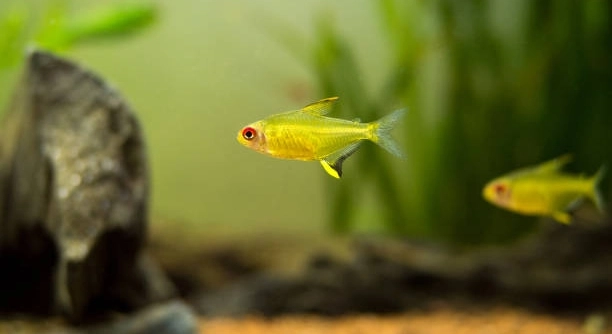
Lemon tetras are small, bright fish that often catch the eye in home aquariums. Their shimmering yellow color and lively movements make them a favorite among beginner and experienced fishkeepers alike. Observing them can be surprisingly calming.
Lemon tetras do exhibit behaviors that could be considered showing off. They display bright colors and swim in coordinated patterns, especially during feeding or when interacting with other fish. This behavior signals health, vitality, and social status within the group.
Watching their playful interactions and subtle displays can reveal more about their personalities and social dynamics than first expected. These small gestures often indicate much more than simple movement.
Recognizing Lemon Tetra Displays
Lemon tetras often show off through their color and movement. Their bright yellow bodies can become even more vivid when they are active or excited. You may notice them swimming in tight groups, darting quickly, or hovering near the tank’s surface. These behaviors are usually more pronounced during feeding times. The coordinated swimming helps them stay safe and communicate with each other. Sometimes they flare fins slightly to draw attention, signaling energy and alertness. Observing these small fish over time will reveal patterns. Each individual may have slightly different habits, but overall, their displays are a mix of instinct and social interaction. Lighting and tank environment can also affect how noticeable these behaviors are. Lemon tetras prefer clean water and stable conditions, which encourage healthy, active displays. Watching them can become a simple, calming activity that also provides insight into their social structure and interactions.
These displays are natural and important for social cohesion and health, not random actions.
Even minor changes in tank conditions can impact their showing-off behavior. Water temperature, light, and decorations all influence how much energy they display. Fish that feel stressed or unsafe will hide rather than swim visibly. Over time, you may notice favorite areas where they gather or perform more noticeable movements. Feeding patterns often trigger the most vivid displays, as they associate food with excitement and competition. Group dynamics also play a role; tetras in larger schools tend to show off more confidently, while isolated fish may be subdued. Recognizing these signs helps you understand their needs and ensure they stay healthy. Observing closely lets you notice differences in energy levels and interactions, providing clues about individual temperament. Overlooking these behaviors can lead to misjudging their health or social comfort. A tank that encourages natural displays contributes to both their happiness and the visual enjoyment of the aquarium.
Social Interactions Among Lemon Tetras
Lemon tetras are social fish that thrive in groups of five or more. Their displays are often responses to each other.
Interactions can include chasing, synchronized swimming, or subtle nudges that maintain group cohesion. In larger schools, dominant fish may assert themselves with more frequent displays, while others follow along. Pairing and small-group dynamics affect how often each fish shows off. During feeding or environmental changes, these interactions become more noticeable. Social bonds develop over time, influencing hierarchy and confidence in swimming patterns. Observing these interactions helps identify shy or stressed individuals, allowing adjustments to tank conditions or group size. Lemon tetras communicate with subtle body language and color intensity, signaling readiness to eat or alerting to nearby movement. Social interactions are essential for mental stimulation, helping reduce stress and encouraging active, healthy behaviors. Understanding their social behavior supports a harmonious aquarium environment.
Color Changes and Vibrancy
Lemon tetras’ colors can change slightly depending on mood, health, and lighting. Brighter yellow and reflective scales usually indicate excitement or confidence, while duller colors may signal stress, illness, or adaptation to a new environment. Observing color gives clues about their well-being.
Their color intensity is influenced by multiple factors. Proper diet rich in carotenoids and vitamins enhances vibrancy, making their yellow hues more striking. Lighting in the tank also plays a role; natural-spectrum lighting tends to bring out their best shades. Stress or overcrowding can reduce color brightness, making fish appear faded. Seasonal or environmental changes may subtly affect their pigmentation over time. Monitoring color shifts helps track health and comfort levels.
During displays, dominant tetras often show the brightest colors, while more timid fish may hide or stay in shadows. Color shifts serve as communication tools within the group, signaling readiness to interact, establish position, or assert energy. Healthy tetras consistently exhibit vibrant scales, especially during swimming and feeding. Color changes also respond to water quality; clear, clean water encourages brighter appearance, while poor conditions may dim their natural shine. Understanding these visual cues helps maintain a balanced, healthy aquarium.
Feeding Behavior and Displays
Feeding times often trigger the most noticeable showing-off behaviors in lemon tetras. Quick dashes, jumps, and synchronized swimming around food are common.
They respond to food with excitement, darting from place to place and occasionally flaring fins. This behavior is both instinctual and social, allowing dominant fish to access food while others follow cues. Observing these interactions shows the hierarchy within the group. Feeding also stimulates energy and enhances color, making displays more vivid. Fish may practice small chases or mimic other movements during feeding, reinforcing social cohesion. Timing and type of food can influence how active their displays are.
Active displays during feeding indicate health, energy, and engagement with the environment. Fish that lack interest or show lethargy may be unwell or stressed. Consistent feeding schedules encourage predictable behaviors, allowing for better observation of social dynamics. Feeding behavior also affects long-term health and coloration, as proper nutrition enhances vibrancy and stamina. Noticing differences among individuals helps identify shy or dominant fish, giving insight into group structure. Tracking their reactions to different foods supports better care and a happier tank environment.
Tank Environment and Behavior
Lemon tetras respond strongly to their surroundings. Open swimming areas encourage displays, while dense plants or hiding spots can reduce visible activity. They adjust their movements based on comfort and perceived safety within the tank.
Water quality also affects behavior. Stable temperature, clean water, and low stress from other fish help them show natural, active behaviors. Poor conditions lead to hiding or sluggishness. Maintaining consistent conditions supports both health and display frequency.
Interaction with Other Species
Lemon tetras behave differently around other fish. Peaceful tankmates encourage confident displays, while aggressive or large species can suppress activity. Group composition affects how freely they swim, showing off more with compatible companions. Socially compatible species help maintain visible activity and healthy group dynamics.
Lighting and Activity
Proper lighting enhances visibility and encourages movement. Dim or inconsistent light can reduce showing-off behaviors. Consistent lighting helps tetras feel secure, allowing their natural energy and color to be more noticeable throughout the day.
FAQ
Do lemon tetras always show off in the same way?
No, their displays vary depending on mood, health, and surroundings. Some fish show bright colors and quick swimming, while others may subtly flare fins or swim in tighter groups. Individual personality also influences how often and how noticeably they display.
Can tank size affect their showing-off behavior?
Yes, larger tanks allow more room for swimming and coordinated movements, encouraging visible displays. Smaller or overcrowded tanks can make tetras feel stressed, hiding more often and reducing energetic behaviors. Open spaces support natural interactions and color displays.
Does the number of tetras in a tank matter?
Absolutely. Lemon tetras are schooling fish, and groups of five or more encourage confident and frequent displays. Small groups may feel insecure, causing timid behavior. Larger schools enhance synchronized swimming, social interactions, and visible showing-off behaviors.
Will other fish species affect their displays?
Yes, peaceful species encourage tetras to swim freely and display confidently. Aggressive or territorial fish can suppress activity, causing hiding or reduced color intensity. Compatible companions help maintain healthy social behavior and make displays more noticeable.
How does diet influence their showing-off behavior?
A nutritious diet improves energy, health, and color intensity, which directly affects displays. High-quality flakes, frozen foods, and occasional live feed encourage active swimming, quick movements, and visible fin flaring during social interactions and feeding times.
Does lighting impact their behavior and color?
Yes, proper lighting enhances color and activity. Natural-spectrum or consistent lighting brings out yellow vibrancy and encourages confident movement. Dim or inconsistent light may make tetras appear dull and less active, limiting observable showing-off behaviors.
Can stress or illness stop them from showing off?
Yes, stress or illness often leads to hiding, sluggish swimming, and faded color. Signs include clamped fins, reduced appetite, and staying near tank edges. Maintaining water quality, proper diet, and compatible tankmates helps minimize stress and restore natural displays.
Do lemon tetras show off more during feeding times?
Feeding times are the most active moments. They dart, flare fins, and swim in coordinated patterns to access food. Displays reflect social hierarchy and excitement, making it easier to observe individual personalities and dominant behaviors within the group.
Are there environmental factors that increase their display frequency?
Yes, clean water, stable temperature, and open swimming space all encourage frequent displays. Decorations that provide both hiding spots and open areas support natural behavior, letting tetras show off without feeling threatened. Environmental stability is key to confident, active fish.
How can I tell if a tetra is showing off or stressed?
Bright colors, coordinated swimming, and fin flaring indicate confident showing-off. In contrast, dull colors, hiding, clamped fins, or erratic movements suggest stress. Observing patterns over time helps distinguish between natural displays and signs of discomfort.
Can lemon tetras interact with each other during displays?
Yes, displays are often social. Swimming in schools, chasing gently, or positioning near each other communicates energy, readiness, and social hierarchy. These interactions strengthen bonds, help coordinate feeding, and reinforce group cohesion.
Do all lemon tetras show the same level of energy?
No, individual temperament affects display intensity. Some are naturally bold and active, while others are shy. Age, health, and social position within the school also influence energy levels and how often they show off.
How long do their active displays last?
Displays can be brief or last for several minutes, depending on triggers like feeding, interaction with tankmates, or environmental changes. Observing over multiple sessions helps recognize patterns and understand when and why they display.
Is it normal for displays to decrease over time?
Yes, temporary reductions occur during illness, stress, or adjustment to new conditions. Consistent care, proper diet, and a stable tank environment help restore normal activity and frequent showing-off behaviors.
Can I encourage more natural displays?
Yes, providing a well-maintained tank with clean water, proper lighting, compatible tankmates, open swimming space, and a nutritious diet encourages confident, healthy displays. Observing and adjusting the environment helps tetras feel secure and active.
Do breeding or mating influence showing-off behavior?
During breeding periods, males often display brighter colors and perform more noticeable swimming patterns to attract females. These behaviors are more pronounced than everyday displays and serve a clear reproductive purpose.
Will changing tank decorations affect displays?
Yes, rearranging plants, rocks, or hiding spots can temporarily change behavior. Open areas promote confident movement, while excessive cover may reduce visible displays. Gradual adjustments help fish adapt without stress, maintaining natural showing-off behavior.
Do lemon tetras show off at night?
They are diurnal, so displays are mostly during daylight or tank lighting. At night or in dark conditions, they are less active and usually rest, reducing visible showing-off behavior.
How can I track their displays effectively?
Observation during feeding, light periods, and social interactions provides the clearest view. Noting color changes, swimming patterns, and fin movements over time helps understand individual personalities and group dynamics.
Are some displays more subtle than others?
Yes, subtle displays include slight fin flaring, brief color flashes, or small darting movements. These can communicate energy or social position without dramatic swimming, and careful observation reveals their social structure.
What should I do if a fish stops showing off entirely?
Check water quality, temperature, and tankmates first. Assess health and diet. Stress, illness, or environmental problems often reduce displays. Correcting conditions usually restores natural behaviors. Persistent inactivity may require veterinary advice or further adjustments.
Can shows of dominance be mistaken for aggression?
Yes, chasing or fin flaring during displays may look aggressive but often establishes hierarchy. True aggression involves prolonged attacks or injury, while normal showing-off is brief and usually non-harmful.
Does tank depth influence displaying behavior?
Deeper or taller tanks allow more vertical swimming and can enhance shows of energy. Shallow tanks limit movement, potentially reducing visibility of natural displays. Depth provides freedom for coordinated swimming and social interactions.
How long should I observe to understand their behavior?
Regular observation over days or weeks gives the clearest picture. Short sessions may miss subtle patterns, while consistent monitoring reveals social hierarchy, color changes, and individual personalities. Tracking over time is essential for proper care.
Do seasonal changes affect displays?
Indirectly, yes. Seasonal shifts may alter room temperature or lighting, affecting water conditions and activity. Maintaining stable tank conditions mitigates seasonal influence, keeping tetras confident and visible in their behaviors.
Can showing-off behavior indicate readiness to breed?
Bright colors, frequent darting, and fin flaring often coincide with reproductive readiness, especially in males. Observing these patterns helps predict breeding behaviors and ensures suitable conditions for spawning.
Is it normal for some fish to rarely show off?
Yes, shy individuals or lower-ranking fish may display less often. They may stay in the background while dominant fish lead. Understanding these differences prevents misinterpreting behavior as unhealthy or abnormal.
Does water flow impact their activity?
Moderate water flow encourages active swimming and visible displays. Strong currents may stress fish, reducing showing-off behavior, while still water can limit movement. Balanced flow supports natural behaviors and healthy energy levels.
How do I know if their showing-off is healthy?
Healthy displays involve bright colors, active swimming, and interaction with others without injury or stress signs. Consistent energy, appetite, and proper social behavior indicate normal, healthy showing-off. Monitoring for changes helps identify potential problems early.
Can showing off vary by age?
Yes, younger tetras are often more active and playful, showing off frequently. Older fish may display more subtly or conserve energy, but consistent behavior and color remain indicators of health and social status.
Do lemon tetras mimic each other during displays?
Yes, fish often follow and mirror movements of group members. This synchronized behavior strengthens social bonds, helps avoid predators, and allows subtle communication within the school. Mimicking is common in active, confident groups.
Are there times when showing-off is dangerous?
Generally, no, unless the tank is overcrowded or has aggressive species. Overly aggressive interactions can cause stress or injury, but normal displays are safe when conditions are balanced and group size is appropriate.
How important is observation for maintaining displays?
Observation is crucial. Noticing color, behavior, and interaction patterns helps ensure fish are healthy, stress-free, and active. Regular monitoring allows timely adjustments to diet, environment, and tankmates to maintain confident showing-off behaviors.
Do seasonal light cycles affect behavior?
Yes, consistent day-night cycles support natural activity rhythms. Sudden changes in light can reduce confidence and frequency of displays. Maintaining a predictable lighting schedule encourages energy and visible behaviors.
Can I encourage shy fish to show off?
Yes, providing open swimming space, proper diet, compatible tankmates, and low-stress conditions helps timid fish become more confident. Gradual exposure to group activity and feeding times encourages natural showing-off without forcing them.
Are all displays linked to feeding or social behavior?
Most displays are tied to social interaction, energy, or feeding excitement. Rarely, environmental changes, new decorations, or minor disturbances can trigger short displays, reflecting curiosity or adjustment to surroundings.
Does tank cleanliness directly impact showing-off behavior?
Absolutely. Clean water reduces stress and promotes health, encouraging active swimming and visible displays. Poor water quality leads to hiding, dull color, and reduced activity, masking natural behaviors. Consistent maintenance is essential for confident fish.
Can showing-off behavior indicate long-term health?
Yes, frequent, vibrant displays reflect good health, proper nutrition, and low stress. Sudden reductions or changes in behavior can signal illness or environmental issues, making observation a key tool in long-term care.
Do lemon tetras ever show off individually or always in groups?
Both occur. Some individuals may display alone during feeding or exploration, but most energy and visual displays are amplified in schools. Group settings highlight social dynamics, while individual behavior may reveal personality or hierarchy.
Are there subtle signs of showing off I might miss?
Yes, slight color flashes, small fin movements, or brief darting are often overlooked. Close observation reveals these subtle displays, providing insight into health, confidence, and social interactions within the group.
Do seasonal or temperature changes require behavioral adjustments?
Stable water conditions minimize the impact of external changes. Temperature drops or fluctuations can reduce energy, color, and frequency of displays. Monitoring and maintaining ideal conditions supports consistent, confident showing-off behavior.
Can showing-off behaviors be used to assess compatibility with new tankmates?
Yes, observing how tetras interact with newcomers shows comfort and confidence. Confident displays indicate acceptance, while hiding or reduced activity suggests stress or incompatibility. Gradual introductions encourage harmonious group behavior and visible energy.
Does feeding type change display intensity?
Yes, live or high-protein foods often trigger more energetic displays than dry flakes. Variety in diet stimulates activity, encourages vibrant colors, and promotes social interactions during feeding times.
Is there a correlation between age and display frequency?
Younger fish typically show off more actively. Adults may conserve energy but continue subtle displays. Changes over time are normal, but sudden reductions may indicate stress or health issues.
Do lemon tetras ever compete during displays?
Yes, subtle competition occurs for food or social position. Chasing, brief fin flares, or darting movements communicate hierarchy. This competition is typically non-aggressive but establishes order within the group.
How can I maintain consistent displays year-round?
Maintaining clean water, proper lighting, stable temperature, nutritious diet, and compatible tankmates ensures confident, frequent displays. Observation and gradual adjustments help sustain healthy behaviors and visible energy consistently.
Do showing-off behaviors differ in a planted tank versus a bare tank?
Yes, plants provide hiding and security, which may reduce visible displays but enhance comfort. Bare areas encourage more swimming and energetic behavior. A balanced setup with open swimming space and cover supports natural displays.
Are displays more common during certain times of day?
Yes, activity peaks during feeding or light periods. Early morning and late afternoon often show the most energetic swimming, color flashes, and coordinated group behaviors. Observing during these times provides the clearest view of natural displays.
Can water chemistry affect color intensity and showing-off?
Yes, stable pH, hardness, and clean water promote bright colors. Poor water chemistry reduces vibrancy, leading to less noticeable displays. Regular monitoring supports confident, healthy behavior.
Do lemon tetras ever signal stress through exaggerated displays?
Sometimes, rapid darting or sudden color changes indicate stress or alarm. Unlike normal showing-off, these behaviors are abrupt, intense, and short-lived, often triggered by disturbances or aggressive tankmates. Recognizing the difference ensures proper care.
How can I safely encourage group displays?
Provide open swimming space, compatible companions, proper diet, and consistent light cycles. Avoid overcrowding and aggressive species. Feeding together and maintaining environmental stability promote synchronized and confident group behavior, enhancing natural displays.
Are there differences between males and females in showing off?
Males often display brighter colors and more energetic movements, especially during breeding periods. Females may show more subtle behaviors but still participate in synchronized swimming and social interactions within the group.
Do seasonal breeding cycles affect display intensity?
Yes, males increase color intensity and movement to attract females. Displays are more frequent and pronounced during breeding periods, reflecting reproductive motivation rather than general activity.
Is observation of showing-off useful for detecting illness early?
Yes, sudden changes in energy, color, or social behavior often signal illness. Close monitoring of natural displays allows early intervention, improving chances of recovery and maintaining overall tank health.
Do displays indicate social rank within a school?
Yes, more confident and dominant fish often lead swimming patterns and show brighter colors. Subordinate fish display less frequently, reflecting established social hierarchy and reducing conflict within the group.
How long should I expect tetras to maintain peak showing-off behavior daily?
Typically, peak activity occurs during feeding or well-lit periods, lasting several minutes to half an hour. Observing patterns over time helps identify their natural routine and energy levels.
Do sudden tank changes affect their willingness to show off?
Yes, new decorations, rearrangements, or sudden water changes can temporarily reduce displays. Fish need time to adjust before resuming confident, natural behaviors. Gradual changes minimize stress and maintain visible activity.
Can showing-off behaviors be used to gauge tank success?
Yes, active, colorful, and socially interactive displays indicate a well-maintained tank with healthy water conditions, balanced diet, and compatible companions. Reduced or absent displays may signal environmental or health issues needing attention.
Do lemon tetras ever display when alone?
Occasionally, especially during feeding or exploration. Displays are usually less pronounced without a school, as social cues amplify activity and color intensity. Observing both group and individual behavior provides insight into their personality.
Are subtle environmental triggers enough to prompt displays?
Yes, minor changes like light shifts, movement outside the tank, or introduction of new objects can trigger brief showing-off behaviors. These displays are natural reactions, signaling curiosity, energy, or social alertness.
Can showing-off behavior decrease as tetras age?
Yes, older fish may conserve energy, showing off less frequently or with less intensity. They still participate in social interactions and maintain healthy coloration, but displays may appear calmer compared to younger, more energetic fish.
Is it normal for some fish to never lead displays?
Yes, lower-ranking or shy individuals may rarely take a leading role. They contribute subtly to group cohesion, follow movements, and participate in feeding, even if they do not frequently perform noticeable displays.
Do water temperature fluctuations affect showing-off?
Yes, stable, appropriate temperatures support energy and visible displays. Sudden drops or increases reduce activity, dull color, and limit confident behavior, making environmental control essential.
Can showing-off behavior be linked to curiosity?
Yes, brief dashes, exploring new areas, or investigating tank changes are signs of curiosity. These subtle displays indicate mental engagement and interest in the environment, not just social or feeding triggers.
Does showing-off change with time of year?
Indirectly, seasonal shifts in room lighting or temperature may alter activity levels. Maintaining consistent tank conditions minimizes fluctuations and supports predictable, confident displays year-round.
How can I distinguish playful displays from aggressive behavior?
Playful displays involve brief darting, fin flares, or synchronized swimming without injury. Aggression includes prolonged chasing, biting, or stress signals. Careful observation of context and outcome clarifies intent.
Are there signs that a fish is faking a display?
Fish don’t fake displays intentionally. Variations in energy, color, or fin movement reflect genuine reactions to environment, social interactions, or internal states. Misinterpreting subtle or rare behaviors as fake is common but inaccurate.
Do lemon tetras show off more when humans are nearby?
Some may react to movement outside the tank with increased activity, color flashes, or curiosity-driven darting. Others ignore external stimuli, focusing on social interactions and feeding within the tank.
Can showing-off be overstimulated?
Excessive stimulation, such as constant disturbances or aggressive tankmates, can lead to stress, hiding, or injury. Healthy displays occur naturally and briefly, while overstimulation reduces confidence and visible activity.
Do seasonal water chemistry changes impact displays?
Yes, changes in pH, hardness, or dissolved minerals can affect color and energy. Stable chemistry supports natural showing-off, while fluctuations may suppress visibility and activity.
Is it normal for tetras to display more during certain feeding types?
Yes, live or high-protein foods trigger energetic swimming, flaring fins, and coordinated group displays. Dry flakes may produce milder responses but still encourage social interaction and visible activity.
Do lemon tetras use showing-off to communicate danger?
Yes, sudden color flashes, darting, or rapid fin movements can signal alertness to potential threats. These displays are short-lived and often coordinated with other school members for safety.
How can I tell if a display indicates dominance?
Frequent leading, brighter coloration, and repeated darting around group members often indicate higher rank. Subordinate fish follow or display less frequently, reinforcing the social hierarchy without overt aggression.
Are there signs a fish is uncomfortable while showing off?
Yes, clamped fins, rapid, erratic movements, or retreating after brief displays suggest discomfort. Confident showing-off is controlled, coordinated, and maintains energy without stress signals.
Does showing-off behavior vary with water clarity?
Clear water allows more visible displays, enhancing observation of color and movement. Murky or cloudy water reduces visibility, potentially suppressing confidence and making displays harder to detect.
Can showing-off indicate readiness to interact socially?
Yes, synchronized swimming, darting, and fin flaring are often invitations to engage with the school. These behaviors maintain group cohesion and indicate comfort and energy.
Do lemon tetras ever show off during tank cleaning?
Yes, brief activity may occur, but excessive disturbances often cause hiding
Lemon tetras are small, lively fish that bring energy and color to any tank. Observing them reveals a lot about their personalities and social structure. Their showing-off behaviors, whether it is bright flashes of yellow, quick swimming, or coordinated movements with the group, are natural ways of expressing health, energy, and confidence. These displays are not just entertaining but also provide clues about how comfortable and secure the fish feel in their environment. Paying attention to these behaviors helps aquarists understand each fish’s temperament and social position, making it easier to maintain a harmonious tank. Even subtle movements, like slight fin flaring or small color changes, are meaningful and indicate interaction within the group.
Maintaining the right environment is key to encouraging natural showing-off behaviors. Stable water temperature, clean water, consistent lighting, and proper diet all contribute to active and confident fish. Tank size and layout also play a role; open swimming areas allow lemon tetras to move freely, while plants and hiding spots provide security when needed. Group size matters as well, since lemon tetras are schooling fish. They feel safer and display more confidently in groups of five or more. Observing interactions during feeding or swimming can highlight social dynamics, showing which fish are more dominant or shy. These behaviors are essential for their overall well-being, as active displays are often linked to good health and reduced stress.
Understanding and appreciating lemon tetras’ showing-off behavior adds depth to fishkeeping. Every movement, color change, or coordinated swim tells a story about their social relationships and comfort level. While it can be tempting to only focus on appearance, the behaviors themselves are just as important. Watching their natural interactions allows for better care, early detection of potential health issues, and more engaging observation of their personalities. Providing a well-maintained environment, paying attention to subtle cues, and learning to interpret these displays can create a thriving, balanced aquarium. Lemon tetras are more than decorative fish; they are active, social creatures whose small gestures offer insight into their lives and well-being. Appreciating these nuances makes caring for them more rewarding and ensures they remain healthy, vibrant, and confident within the tank.

Hello,
If you enjoy the content that we create, please consider saying a "Thank You!" by leaving a tip.
Every little bit helps us continue crafting quality advice that supports the health, happiness, and well-being of pets around the world, for pets of all shapes, sizes, and species.
We really appreciate the kindness and support that you show us!