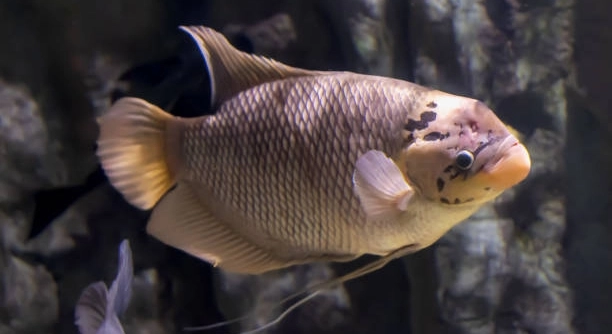
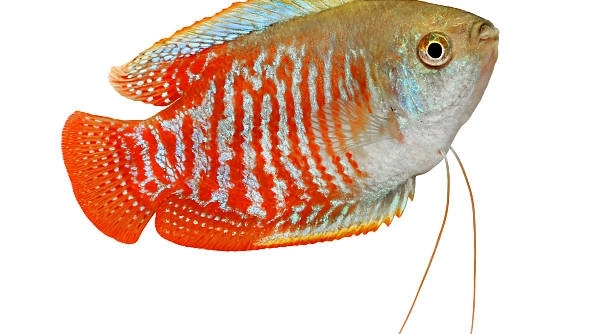
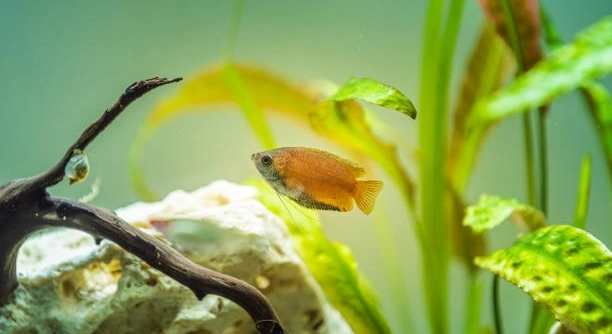
What If Your Gourami Only Eats After You Leave?

Many gourami owners notice quiet feeding habits that seem tied to their presence. This article explores why a gourami may wait to eat until you leave, focusing on behavior, environment, and routine in the aquarium. The primary reason a gourami eats only when alone is stress linked to perceived threats. Human movement, shadows, and noise … Read more
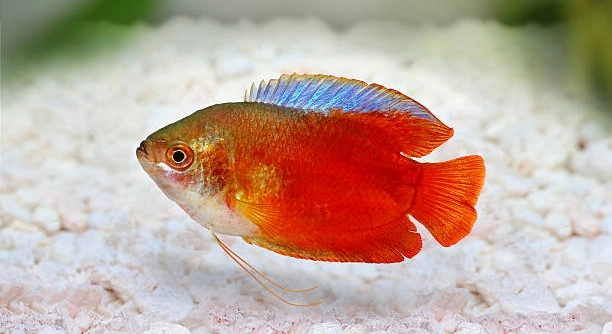
7 Signs Your Gourami Might Be Sensing Change

Gouramis are sensitive fish that often respond to small changes in their environment. Many owners notice subtle shifts in behavior or movement, which can signal that their fish is reacting to something different in the tank. Gouramis display behavioral and physical changes when sensing environmental shifts, including altered swimming patterns, changes in appetite, color variations, … Read more

7 Things Your Gourami Needs to Thrive

Gouramis are vibrant and peaceful fish that can brighten any aquarium. Providing the right care helps them remain healthy and active, allowing their colors and personality to truly shine in a home environment. Ensuring your gourami thrives requires attention to water quality, tank size, temperature, diet, social environment, hiding spots, and regular health monitoring. Each … Read more

Is It Normal for Gouramis to Sleep at the Surface?

Gouramis are peaceful fish that often capture the attention of hobbyists. Their calm movements and vibrant colors make them a favorite in home aquariums. Observing their daily behavior can reveal interesting aspects of their routine. It is normal for gouramis to sleep at the surface of the water. This behavior is part of their natural … Read more

Do Gouramis Learn Tank Layout Over Time?

Have you ever noticed your gourami swimming around its tank with ease, seemingly familiar with every hiding spot and plant? Observing these fish over time can reveal subtle behaviors that suggest memory and adaptation within their environment. Gouramis are capable of learning and remembering the layout of their tank over time. Studies indicate that they … Read more

Can Gouramis Sense When You’re Anxious?

Do you ever find yourself sitting by your aquarium, noticing your gourami swimming differently when you feel tense? Many people enjoy watching these colorful fish, but they may respond in ways you do not always notice. Gouramis can sense changes in their owner’s behavior and stress levels through subtle cues such as movement, vibrations, and … Read more

7 Quick Tips to Improve Gourami Tank Hygiene

Keeping a gourami tank clean can feel like a big task, but it doesn’t have to be stressful. Regular care helps your fish stay healthy and lively, and it keeps the tank looking fresh and pleasant. Maintaining proper hygiene in a gourami tank involves regular water changes, careful removal of debris, monitoring water parameters, and … Read more

7 Reasons a Gourami Might Reject New Foods

Have you ever added new food to your gourami’s tank but watched it swim away without interest? Many fish owners face this situation when trying to expand their pet’s diet and keep mealtimes varied. Gouramis may reject new foods due to a combination of factors including stress, unfamiliarity, water conditions, dietary preferences, or illness. Understanding … Read more

What It Means When Gouramis Bite Gravel

Gouramis are charming freshwater fish that often bring life to home aquariums. Many owners enjoy watching them swim gracefully, but some notice an unusual behavior: biting or nibbling at the gravel at the bottom of the tank. Gouramis bite gravel mainly due to curiosity, feeding instincts, or environmental stress. This behavior can indicate a need … Read more

Why Is My Giant Gourami Making Bubbles?

Giant gouramis are fascinating fish that often capture attention in home aquariums. Watching them interact with their environment can be relaxing and rewarding, yet some behaviors, like bubble-making, can leave owners puzzled and concerned about their well-being. Giant gouramis create bubbles primarily as a method of respiration and communication. Bubble production can indicate normal gill … Read more