
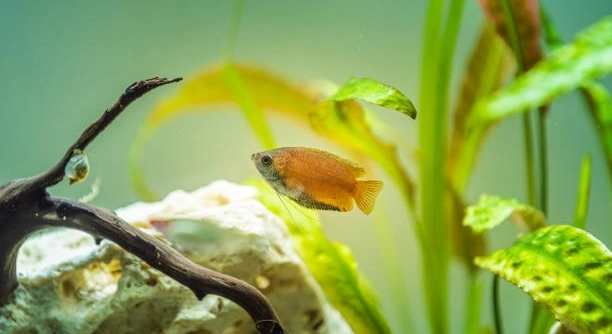
Gouramis are charming freshwater fish that often bring life to home aquariums. Many owners enjoy watching them swim gracefully, but some notice an unusual behavior: biting or nibbling at the gravel at the bottom of the tank.
Gouramis bite gravel mainly due to curiosity, feeding instincts, or environmental stress. This behavior can indicate a need for more nutrition, improper tank conditions, or natural exploration, and understanding the cause helps maintain a healthier, more comfortable habitat.
Observing these habits can reveal important insights about your fish’s needs and environment. Paying attention to their behavior will help you create a happier aquarium.
Reasons Gouramis Bite Gravel
Gouramis may bite gravel for several reasons, most of which are linked to natural behavior or tank conditions. One common reason is curiosity. These fish explore their environment by nibbling, and gravel gives them texture to investigate. Sometimes, they mistake tiny food particles for edible items, so regular feeding can reduce this behavior. Another factor is nutrition. Gouramis need a balanced diet that includes both plant and protein sources. If their diet lacks certain nutrients, they may chew on gravel to compensate, which can sometimes lead to digestive issues. Stress also plays a role. Poor water quality, overcrowding, or sudden changes in temperature can make gouramis act out by biting at the substrate. Observing tank conditions carefully helps identify if the behavior is normal exploration or a sign of an underlying problem. Adjusting diet and environment often stops unnecessary gravel biting.
Understanding why your gourami interacts with gravel helps prevent potential health issues and keeps the tank cleaner and safer for all aquatic life.
Monitoring your fish’s behavior closely can show when something is off. Regular tank checks and proper feeding help maintain a calm environment, reducing unwanted nibbling habits.
Signs to Watch For
Excessive gravel biting often indicates stress or dietary deficiencies. Noticing these patterns early allows timely intervention.
Some signs to watch include fin damage, lethargy, or unusual swimming patterns. Gouramis may bite gravel more when water quality is poor or when overcrowded. Uneaten food and algae buildup can also encourage nibbling. By observing these behaviors carefully, you can decide whether dietary adjustments or tank maintenance are needed. Regular water tests, proper filtration, and balanced feeding often correct these issues. It’s important to act early, as prolonged stress or inadequate nutrition can lead to more serious health problems. Adjusting tank décor, such as adding plants or hiding spots, also provides enrichment, reducing the tendency to bite gravel. Keeping an eye on your gouramis’ behavior not only ensures their well-being but also improves the overall harmony of your aquarium, making it a healthier space for all your aquatic companions.
Preventing Gravel Biting
Providing a balanced diet reduces gravel biting. Gouramis need both plant-based and protein-rich foods to stay healthy and satisfied. Feeding them small amounts several times a day can prevent them from searching for nutrients in the substrate.
Maintaining clean water is essential. Gravel can accumulate waste, uneaten food, and debris that attract gouramis to nibble. Regular water changes and proper filtration keep the tank healthy and discourage this behavior. Adding plants or decorations gives fish alternatives to explore and nibble, keeping them engaged. Observing your gouramis daily helps identify when behavior changes, allowing you to act before problems arise.
Tank enrichment also matters. Gouramis enjoy hiding spots, gentle currents, and varied textures in their environment. Providing a mix of plants, rocks, and smooth surfaces reduces boredom and the urge to bite gravel. Overcrowding should be avoided, as too many fish increase stress and lead to unwanted behaviors. Paying attention to these factors supports their physical and mental health while keeping the tank clean.
When to Seek Help
Persistent gravel biting can indicate underlying health or environmental issues. Monitoring frequency and context is important.
If your gourami continues to bite gravel despite proper feeding, clean water, and enrichment, it may signal a nutritional deficiency, illness, or stress. Consulting an experienced aquarist or veterinarian can provide insight into the specific cause. Early intervention can prevent digestive problems, injuries, or worsening stress. Documenting behavior, water conditions, and diet helps identify patterns that professionals can use to suggest adjustments. Ignoring persistent gravel biting can lead to long-term health issues, so timely action ensures your gouramis remain healthy and content in their tank.
Feeding Tips
Feed small amounts multiple times a day to prevent hunger-driven gravel biting. A mix of flakes, pellets, and occasional live or frozen foods keeps gouramis satisfied and reduces the urge to nibble on the substrate.
Monitor portion sizes carefully. Overfeeding can cause water quality issues, while underfeeding leads to stress and unhealthy gravel-biting habits.
Tank Setup Considerations
Smooth gravel or sand is gentler for gouramis to explore and reduces accidental injuries. Adding live plants and hiding spots provides stimulation and alternative surfaces to nibble, keeping your fish engaged and mentally healthy. Decorations should allow swimming space while offering comfort and security.
Health Monitoring
Watch for changes in behavior, appetite, or coloration. These signs can indicate stress, illness, or dietary deficiencies that encourage gravel biting.
FAQ
Why do gouramis bite gravel even when well-fed?
Gouramis may bite gravel out of curiosity or boredom, even if they are receiving proper nutrition. Exploring the substrate is a natural behavior. They might also be searching for small particles of leftover food or algae, which can provide additional nutrients. Providing enrichment, plants, and hiding spots can reduce this behavior over time.
Can gravel biting harm my fish?
Yes, it can. Swallowing gravel can lead to digestive blockages, internal injuries, or stress. Small amounts may pass through safely, but repeated ingestion is risky. Monitoring your fish and adjusting the tank environment can help prevent serious health issues.
How can I stop my gourami from biting gravel?
Providing a balanced diet with both protein and plant-based foods is key. Feeding smaller, frequent meals ensures they are not constantly searching for food. Maintaining clean water, adding plants, and offering tank decorations reduces boredom and gives alternatives to nibbling gravel.
Does tank size affect gravel biting?
Tank size can influence this behavior. Overcrowded or small tanks increase stress, causing gouramis to bite gravel more often. Adequate swimming space, proper filtration, and fewer fish per gallon reduce stress and improve overall behavior.
Are certain types of gravel safer than others?
Yes. Smooth, rounded gravel or sand is safer because it reduces the risk of injury if ingested. Sharp or coarse gravel can cause cuts or internal harm. Switching to a softer substrate often helps prevent health problems.
Can stress make gouramis bite gravel more?
Absolutely. Changes in water quality, temperature, or sudden movement around the tank can stress gouramis. Stress increases exploratory or compulsive behaviors, including gravel biting. Monitoring water parameters and maintaining a stable environment reduces stress-related nibbling.
Is gravel biting a sign of illness?
Sometimes. If biting is accompanied by lethargy, color changes, or loss of appetite, it may indicate nutritional deficiencies, parasites, or other illnesses. Early detection and intervention are important to prevent long-term health issues.
Will adding live plants help reduce gravel biting?
Yes. Live plants provide texture, hiding spots, and foraging opportunities, keeping gouramis occupied. Plants also improve water quality and mimic a natural environment, which can reduce stress-related behaviors like gravel biting.
Do all gourami species bite gravel?
Not all species do it equally. Some gouramis are more curious or territorial, which may make them nibble at the substrate more often. Observing your specific species helps identify if gravel biting is normal or a concern.
How often should I check my tank to prevent gravel biting problems?
Daily observation is ideal. Watch for behavior changes, leftover food, and water conditions. Regular maintenance, including water changes and gravel cleaning, ensures a healthier environment and minimizes the urge for gouramis to bite gravel.
Can changing diet alone stop gravel biting?
Diet changes help, but alone may not fully stop the behavior. Combining proper feeding with environmental enrichment, clean water, and stress reduction is more effective for preventing gravel biting.
What should I do if my gourami swallows gravel?
If a fish swallows gravel, monitor for signs of distress, bloating, or lethargy. Small amounts may pass safely, but persistent swallowing requires adjusting the environment and diet. Severe cases might need consultation with a veterinarian specializing in fish care.
How long does it take to stop gravel biting?
Behavior adjustment varies. Some gouramis reduce gravel biting within days of environmental and dietary changes, while others take weeks. Consistency in feeding, tank cleanliness, and enrichment is key to long-term improvement.
Can gravel biting affect other tank inhabitants?
Yes. Disturbed gravel can cloud water and spread debris, affecting water quality. This can stress other fish or invertebrates. Maintaining a clean tank and monitoring behavior ensures the whole aquarium stays healthy and balanced.
Are there alternative substrates that prevent gravel biting?
Sand or smooth river stones are good alternatives. These reduce injury risk and discourage compulsive nibbling. Combining a safe substrate with plants, decorations, and hiding spaces keeps gouramis engaged and lowers gravel-biting behavior naturally.
Final Thoughts
Gravel biting in gouramis is a behavior many fish owners notice, and it can mean several things about the fish or the tank environment. Often, it is simply a natural way for gouramis to explore their surroundings. These fish are curious creatures, and nibbling at the substrate allows them to investigate textures and search for tiny bits of food. In some cases, gravel biting is linked to diet. Gouramis need a balanced mix of protein and plant-based foods, and if they are lacking nutrients, they may try to find alternatives in the gravel. Paying attention to their eating habits and ensuring they receive the proper nutrition can prevent many unnecessary bites at the substrate.
Tank conditions also play a major role in this behavior. Water quality, temperature, and overcrowding can all increase stress, which in turn makes gouramis more likely to bite gravel. Dirty gravel with leftover food, algae, or debris can encourage nibbling, but regular maintenance and cleaning can reduce the temptation. Adding plants, decorations, and hiding spaces also helps keep the fish mentally stimulated and provides alternatives to the substrate. Monitoring water parameters regularly and making adjustments when needed ensures that the fish remain comfortable and reduces the risk of stress-related behaviors. Even small changes, like adding a few live plants or rearranging the tank layout, can make a noticeable difference in behavior.
It is also important to recognize when gravel biting may indicate a problem. Occasional nibbling is normal, but persistent or aggressive gravel biting could be a sign of dietary deficiencies, illness, or chronic stress. Observing your fish carefully for changes in activity, appetite, or appearance is essential. If needed, consulting an experienced aquarist or veterinarian can help identify the cause and prevent potential health issues. Overall, understanding the reasons behind gravel biting allows you to provide a safer, healthier environment for your gouramis. Consistent care, proper feeding, and a well-maintained tank can minimize this behavior, keeping your fish happy and your aquarium clean. Paying attention to these factors not only protects their physical health but also supports their mental well-being, creating a more enjoyable experience for both the fish and the owner.

Hello,
If you enjoy the content that we create, please consider saying a "Thank You!" by leaving a tip.
Every little bit helps us continue crafting quality advice that supports the health, happiness, and well-being of pets around the world, for pets of all shapes, sizes, and species.
We really appreciate the kindness and support that you show us!