
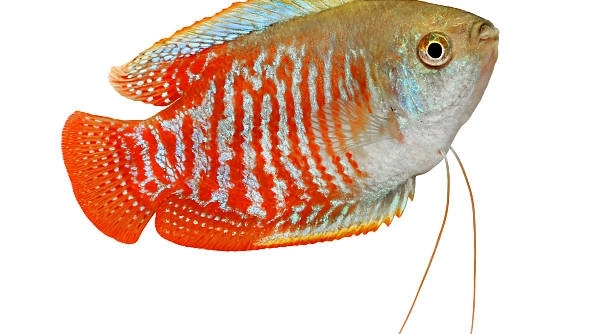
Have you ever added new food to your gourami’s tank but watched it swim away without interest? Many fish owners face this situation when trying to expand their pet’s diet and keep mealtimes varied.
Gouramis may reject new foods due to a combination of factors including stress, unfamiliarity, water conditions, dietary preferences, or illness. Understanding these reasons can help owners introduce new foods successfully and maintain the fish’s overall health and well-being.
Learning about these common causes will help you adjust feeding habits and ensure your gourami enjoys a more balanced and varied diet over time.
Stress and Environmental Changes
Gouramis are sensitive fish, and any sudden change in their environment can make them hesitant to eat new foods. Moving the tank, changing water, or adding new tank mates can create stress. Stress can slow their metabolism and affect appetite, making them ignore food they would normally eat. It is important to maintain stable water conditions, including temperature, pH, and cleanliness. Even minor fluctuations can make gouramis cautious. A quiet environment with minimal sudden movements around the tank helps them feel safe. Observing their behavior during feeding times can show whether stress is affecting their eating habits.
Stress can cause gouramis to hide more often and refuse meals.
Reducing stress requires consistency. Feeding at the same time daily, maintaining steady lighting, and avoiding overcrowding can help gouramis adjust. Sometimes, gently introducing new foods alongside familiar ones makes them more willing to try. Slowly changing water in small increments also prevents shock. Observing signs like rapid gill movement or hiding can indicate stress. Over time, these careful adjustments make gouramis more comfortable and willing to accept new foods, improving both nutrition and overall tank harmony.
Food Texture and Size
Gouramis often reject foods that are too large, hard, or unfamiliar.
They prefer foods that are easy to pick up with their mouths. Large flakes or pellets may frustrate them, so offering smaller sizes encourages feeding.
Texture plays a big role in acceptance. Some gouramis prefer soft or sinking foods, while others go for floating options. Experimenting with different textures gradually helps them adapt. Mixing new textures with favorite foods can stimulate interest without overwhelming them. Additionally, observing how they interact with current foods can guide adjustments. Some gouramis may chew longer or nibble around the edges before fully eating, showing a need for softer or smaller pieces. By paying attention to their preferences, you can make meals less stressful and more appealing. Consistently offering the right size and texture also supports proper digestion and overall health. Over time, gouramis learn to accept a wider variety of foods, making feeding easier and less stressful for both the fish and the owner.
Water Quality Issues
Poor water quality can make gouramis refuse food. High ammonia, nitrite, or nitrate levels can stress them, causing them to lose appetite quickly.
Even slight changes in water parameters can affect feeding behavior. Gouramis are sensitive to pH shifts, temperature fluctuations, or leftover chemicals from cleaning products. Regular water testing and partial water changes help maintain a healthy environment. Keeping the tank clean of debris, uneaten food, and excess algae reduces toxins that could deter them from eating. Providing a stable, well-maintained tank ensures gouramis feel secure and more willing to try new foods.
Water conditions directly impact health. If the water is cloudy or smells unusual, gouramis may hide and avoid meals. Checking filters and keeping consistent routines improves their comfort. Proper oxygen levels, gentle filtration, and avoiding overcrowding also help them feel safe. Stress from poor water quality can make them ignore both familiar and new foods. Monitoring water closely and addressing issues promptly ensures gouramis stay healthy, active, and more accepting of dietary changes.
Illness or Parasites
When gouramis are sick, they often reject food. Lethargy, faded colors, or unusual swimming patterns may indicate disease.
Illness affects appetite because fish prioritize energy for healing. Parasites or bacterial infections can make food unappealing. Regular observation is important to catch early signs of disease.
Maintaining proper nutrition and tank hygiene helps prevent many common illnesses. Quarantining new fish before introducing them to the main tank reduces the risk of spreading parasites. A varied diet supports immunity, making gouramis more resilient to sickness. If illness occurs, consult a veterinarian or aquatic specialist for treatment. Timely intervention can restore appetite and overall health. Some symptoms may be subtle, such as slight weight loss or minor behavioral changes, so careful monitoring is essential. With proper care, gouramis recover faster and gradually accept new foods again.
Strong Flavors or Scents
Gouramis may refuse foods with strong or unfamiliar smells. Pungent ingredients can make them cautious and hesitant to eat.
They often prefer mild-smelling foods. Gradually mixing new flavors with familiar options can encourage acceptance without overwhelming their senses.
Feeding Schedule Inconsistency
Irregular feeding times can make gouramis reluctant to try new foods. Consistency helps them recognize when to eat. Feeding at the same times daily establishes a routine, reducing stress and improving appetite.
Dominant Tank Mates
Some gouramis avoid food when tank mates are aggressive or overly fast eaters.
Stress from competition can cause them to wait or hide. Providing separate feeding areas or slowing down dominant fish ensures everyone has a chance to eat comfortably.
FAQ
Why is my gourami ignoring new food completely?
Gouramis often reject new food due to stress, unfamiliarity, or poor water quality. Sudden changes in the tank or introduction of new fish can make them hesitant. Slowly mixing new food with their regular diet and keeping water conditions stable usually helps them accept it.
Can gouramis starve if they refuse new foods?
If they refuse new foods but still eat familiar ones, they are unlikely to starve. However, if they stop eating entirely, it can be dangerous. Monitoring their appetite and body condition is essential, and seeking advice from an aquatic specialist is recommended if they consistently refuse meals.
Does food size matter for gouramis?
Yes, size and texture are very important. Gouramis prefer foods that fit comfortably in their mouths. Large pellets or flakes may frustrate them, while smaller pieces or softer foods encourage feeding. Gradually adjusting the size can make new foods more appealing.
Can illness make a gourami reject food?
Absolutely. Illnesses, parasites, or bacterial infections can reduce appetite. Symptoms like lethargy, faded colors, or unusual swimming patterns often accompany this behavior. Prompt diagnosis and treatment are necessary to restore their appetite and overall health.
How long does it take for gouramis to accept new food?
The adjustment period varies by fish. Some gouramis may try new foods within a few days, while others may take weeks. Gradual introduction and patience are key. Consistently offering new food alongside familiar options increases the likelihood of acceptance.
Do gouramis prefer live or frozen food over pellets?
Many gouramis are attracted to live or frozen foods because of movement and natural scent. However, some will readily accept pellets or flakes if introduced slowly. Combining different food types can satisfy their dietary needs and encourage them to try new options.
Can water temperature affect feeding behavior?
Yes, water temperature directly influences metabolism and appetite. Gouramis are tropical fish that thrive in stable, moderate temperatures. Sudden drops or rises can make them sluggish and uninterested in food. Maintaining a consistent temperature helps support regular feeding habits.
Is it okay to mix new food with old food?
Mixing new foods with familiar ones is an effective strategy. It eases the transition and reduces stress. Gradually increasing the amount of new food while decreasing the old helps gouramis become accustomed to different tastes and textures without feeling threatened.
Do dominant tank mates impact feeding?
Yes, aggressive or faster-eating fish can prevent gouramis from eating. They may hide or wait until the dominant fish finish. Providing multiple feeding areas or separating the gourami temporarily can ensure they get enough food without stress.
How can I tell if my gourami is stressed?
Signs of stress include hiding, rapid gill movement, clamped fins, or loss of appetite. Stress can be caused by poor water quality, aggressive tank mates, or sudden environmental changes. Addressing these issues improves both their comfort and willingness to eat.
Are there any foods gouramis should avoid?
Gouramis should avoid foods with excessive artificial colors, preservatives, or strong spices. These can upset their digestive system or make them hesitant to eat. Sticking to mild, high-quality pellets, flakes, or safe live foods ensures better health and feeding habits.
Can fasting help gouramis accept new foods?
Short fasting periods of a day or two can sometimes increase interest in new foods. However, prolonged fasting can be harmful. It is important to monitor their condition closely and resume feeding familiar or easily digestible foods if they show signs of weakness.
How do I know if my gourami likes a new food?
Positive signs include active swimming toward the food, nibbling, or finishing a serving quickly. Gradual interest is also normal; they may inspect or nibble at first before fully eating. Observing behavior during feeding times helps determine their preferences and guides future food choices.
Are some gourami species pickier than others?
Yes, some species have stronger preferences for certain food types or textures. Researching the specific species in your tank can help you choose foods they are more likely to accept and tailor feeding strategies for their needs.
Does lighting affect feeding behavior?
Bright or inconsistent lighting can make gouramis nervous, reducing appetite. Soft, stable lighting creates a comfortable environment and encourages them to explore and eat new foods. Avoid sudden changes or overly intense lights during feeding times.
Can I train gouramis to eat new foods?
Yes, gradual introduction, consistency, and patience work well. Offering small amounts of new food alongside familiar options, observing their reactions, and slowly increasing exposure helps them adapt over time. Positive reinforcement, like feeding at the same time each day, supports the process.
Is it normal for gouramis to reject food occasionally?
Yes, occasional refusal is normal and often linked to mood, minor stress, or temporary environmental changes. Consistent monitoring ensures that it does not indicate a larger problem. Most gouramis resume normal eating once comfort and stability return.
How important is variety in their diet?
Providing a mix of pellets, flakes, live, or frozen foods ensures balanced nutrition and keeps them interested in meals. Variety also helps prevent nutrient deficiencies and supports overall health, making gouramis more willing to accept new foods in the long term.
Should I adjust feeding techniques for shy gouramis?
Yes, shy or timid gouramis may benefit from smaller portions, feeding in quieter areas, or separating them temporarily during meals. Reducing competition and stress increases their willingness to explore and try new foods, helping maintain a healthy and balanced diet.
Gouramis can be delicate fish when it comes to feeding, and accepting new foods is often a gradual process. Many factors influence their behavior, including stress, water quality, food texture, and even the presence of more aggressive tank mates. Understanding these influences can make a significant difference in how they respond to new foods. Keeping their environment stable, clean, and calm helps them feel secure. Consistency in feeding times and monitoring water parameters such as temperature, pH, and ammonia levels ensures that the fish are healthy and more willing to explore new options. Even small changes, like the placement of decorations or lighting adjustments, can affect their behavior. Taking the time to observe and respond to these factors can prevent unnecessary stress and support a more balanced appetite.
Introducing new foods should always be done gradually. Mixing small amounts of unfamiliar foods with their regular diet is an effective strategy. This method allows the gourami to become familiar with the taste and texture without feeling overwhelmed. Different textures, such as soft pellets, flakes, or live foods, may appeal to different gouramis. Paying attention to their reactions during feeding times can help determine their preferences. Some gouramis may take weeks to fully accept a new food, while others may adjust more quickly. Patience is key. Avoid forcing new foods, as this can increase stress and lead to avoidance behaviors. By offering a variety of options in a calm and structured environment, owners can help their gouramis maintain a diverse and nutritious diet over time.
Maintaining health and preventing illness also plays a role in feeding behavior. Sick or stressed gouramis are less likely to accept new foods. Monitoring for signs such as lethargy, color changes, or unusual swimming patterns is important. Promptly addressing illness or parasites can restore appetite and support overall well-being. Additionally, avoiding overcrowding and providing a peaceful feeding environment reduces competition and stress. With proper care, gouramis can gradually become more open to new foods, leading to better nutrition and a healthier, more active life. Consistent attention to diet, environment, and behavior helps ensure that your gourami thrives, enjoys meals, and maintains long-term health in the tank.

Hello,
If you enjoy the content that we create, please consider saying a "Thank You!" by leaving a tip.
Every little bit helps us continue crafting quality advice that supports the health, happiness, and well-being of pets around the world, for pets of all shapes, sizes, and species.
We really appreciate the kindness and support that you show us!