
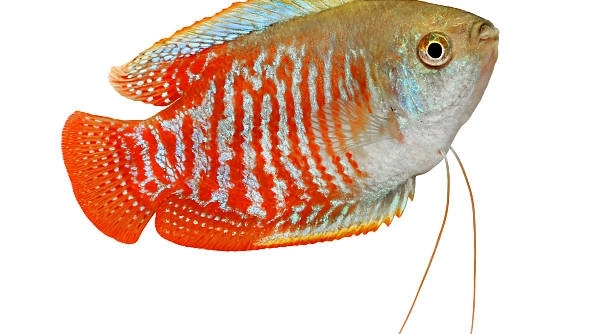
Giant gouramis are fascinating fish that often capture attention in home aquariums. Watching them interact with their environment can be relaxing and rewarding, yet some behaviors, like bubble-making, can leave owners puzzled and concerned about their well-being.
Giant gouramis create bubbles primarily as a method of respiration and communication. Bubble production can indicate normal gill function, stress levels, or environmental factors such as water quality and temperature. Monitoring these cues helps ensure the fish remains healthy and comfortable.
Observing your gourami’s bubbles can reveal subtle details about its habitat and behavior. Understanding this can improve care and maintain a thriving aquarium environment.
Understanding Bubble Behavior in Giant Gouramis
Giant gouramis often produce bubbles at the water’s surface, which can seem unusual at first. These bubbles are usually formed when the fish gulps air and releases it slowly. This behavior is natural and occurs more frequently in younger or more active fish. Sometimes, bubbles appear in patterns or clusters, depending on how the fish moves and interacts with the water. Watching the way your gourami creates bubbles can give insight into its overall health. A fish that produces fewer bubbles than usual may be experiencing low oxygen levels or mild stress. Observing other behaviors alongside bubble production, such as swimming patterns and feeding habits, can help you identify any underlying issues. Regular monitoring ensures your fish stays comfortable and reduces the risk of unexpected health problems, keeping your aquarium stable and the fish active.
Surface bubbles can indicate normal activity or slight environmental changes affecting your gourami’s behavior.
Paying attention to bubble formation, location, and frequency can help detect changes in water quality or fish health. Understanding these signals allows timely adjustments to maintain a healthy tank environment and reduce potential stress factors. Consistent care and observation help the fish thrive.
Common Causes of Bubble Formation
Bubbles often appear when oxygen levels fluctuate slightly in the tank.
Water temperature, oxygen concentration, and feeding behavior all influence bubble creation. Warmer water can hold less oxygen, causing the fish to gulp air more frequently. Overfeeding or leftover food can reduce water quality, indirectly encouraging surface bubble activity. Even minor changes in tank setup, like new decorations or rearranged plants, can prompt the fish to explore air and create bubbles. Stress from other tank mates or sudden environmental changes can also play a role. By keeping a close eye on water parameters, feeding routines, and the tank’s daily activity, you can often identify the specific factor influencing bubble production. Ensuring the tank is clean, well-oxygenated, and stable allows your gourami to produce bubbles as part of normal behavior rather than a reaction to stress. Understanding these subtle cues promotes a healthier, more comfortable habitat for your fish.
How Tank Conditions Affect Bubble Making
Water quality directly affects bubble behavior in giant gouramis. Poor oxygen levels, high ammonia, or fluctuating pH can increase surface bubble activity. Regular testing and maintenance help prevent stress and maintain a stable environment.
Maintaining proper tank conditions is essential for reducing unnecessary bubble production. Filtration, aeration, and regular water changes keep oxygen levels balanced and remove harmful waste. Temperature stability is also critical, as sudden fluctuations can trigger air-gulping behavior. Even small changes, like adding plants or rearranging decorations, can influence the fish’s comfort and breathing patterns. By keeping a consistent routine, your gourami remains calm and healthy.
Monitoring daily tank activity and fish behavior provides insight into environmental impacts. Observing feeding, swimming, and bubble frequency together can help you identify stressors or minor imbalances. Adjustments in water quality or setup often resolve irregular bubble-making efficiently. Consistency ensures long-term fish well-being and a peaceful aquarium atmosphere.
Diet and Bubble Behavior
Diet plays a role in how frequently your giant gourami produces bubbles. Overfeeding or certain foods can cause digestive issues and increase surface activity.
A balanced diet supports proper respiration and overall health, reducing excess bubble production. Foods high in protein or air-filled pellets may encourage the fish to gulp more air while feeding. Feeding smaller portions multiple times a day prevents bloating and stress, which can indirectly impact bubble-making behavior. Treats should be given sparingly, and any uneaten food should be promptly removed to maintain water quality. Maintaining a consistent feeding routine helps the fish regulate breathing and minimizes irregular surface activity.
Digestive comfort and nutrient absorption are key factors influencing bubble formation. Foods that expand in the stomach can create temporary buoyancy changes, prompting air-gulping. Feeding methods, timing, and portion sizes all affect how the fish interacts with water and produces bubbles. Observing how your gourami responds to different diets allows you to adjust feeding strategies and maintain a calm, healthy environment. Consistency in diet and careful monitoring ensure bubbles are a normal behavior rather than a stress indicator.
Stress and Bubble Production
Stress is a common factor that increases bubble activity in giant gouramis. Sudden changes in the tank, aggressive tank mates, or excessive handling can trigger more frequent surface bubbles as the fish attempts to cope.
Providing hiding spots and a stable environment helps reduce stress. Calm surroundings and consistent care minimize excessive bubble-making and support overall health.
Breathing Patterns and Oxygen Levels
Giant gouramis naturally gulp air to supplement oxygen intake. In low-oxygen environments, they produce more bubbles as they breathe at the surface. Tanks with proper aeration, filtration, and plants help maintain oxygen balance, reducing the need for excessive surface breathing. Monitoring these conditions ensures the fish remains comfortable and active.
Monitoring Your Fish
Observing your gourami’s behavior regularly helps detect changes early. Sudden increases in bubble production can indicate environmental or health issues that need attention.
FAQ
Why is my giant gourami blowing bubbles constantly?
Constant bubble blowing usually points to environmental or health factors. Low oxygen levels in the tank are the most common cause. Poor water quality, high ammonia, or sudden temperature changes can also trigger this behavior. Sometimes, frequent bubbles occur due to stress, either from aggressive tank mates or sudden changes in the tank setup. Observing other behaviors like lethargy, appetite changes, or unusual swimming patterns can help determine if the bubble-making is normal or a sign of discomfort. Ensuring proper aeration, clean water, and a stable environment typically reduces excessive bubble production.
Are bubbles a sign of illness in giant gouramis?
Bubbles alone are not always a sign of illness. They are often part of normal respiration or behavior. However, if bubbles are accompanied by unusual signs—such as gasping, clamped fins, rapid gill movement, or changes in appetite—they may indicate a problem. Common health issues include bacterial infections, parasites, or poor water conditions. Regular observation of your fish, along with routine water testing and maintenance, helps distinguish normal bubble behavior from early signs of illness. Immediate corrective measures can prevent more serious health complications.
Can diet affect bubble-making in giant gouramis?
Yes, diet can influence how often your gourami produces bubbles. Foods that expand in the stomach, like air-filled pellets, can cause temporary buoyancy issues, prompting the fish to gulp air. Overfeeding can also lead to digestive stress, which indirectly increases surface activity. Feeding smaller portions more frequently and removing uneaten food reduces digestive problems and helps maintain normal breathing patterns. A balanced diet with protein, vegetables, and occasional treats ensures your fish stays healthy while minimizing unnecessary bubble production. Monitoring how your gourami reacts to different foods can help identify triggers.
Do tank size and setup impact bubble behavior?
Tank size and layout can directly affect bubble production. Smaller tanks with limited water circulation may have lower oxygen levels, causing the fish to gulp air more often. Tanks without plants or proper hiding spots can increase stress, further encouraging surface bubble activity. Providing sufficient space, aeration, and a structured environment allows the fish to feel comfortable. Adding live plants or decorations can improve oxygenation and reduce stress, while regular water changes maintain stable conditions. Proper tank design supports natural behavior and minimizes excessive bubble-making caused by environmental stressors.
Is bubble-making normal for young giant gouramis?
Yes, young gouramis tend to produce more bubbles than adults. They are more active and may gulp air frequently to support growth and higher metabolism. This behavior usually decreases as the fish matures. While normal, it’s important to ensure young fish are in a well-maintained tank with proper oxygen levels. Monitoring their growth, feeding habits, and swimming patterns helps ensure that bubble-making is part of healthy development rather than a response to environmental stress or health issues.
How can I reduce unnecessary bubble-making in my tank?
Maintaining stable water parameters, proper aeration, and consistent feeding routines is the most effective way to reduce excess bubbles. Avoid sudden temperature changes, overfeeding, or overcrowding. Ensuring the fish has hiding spots and a calm environment minimizes stress-related bubble production. Regular observation and minor adjustments to the tank setup often lead to noticeable improvements in behavior. Keeping water clean and oxygen levels balanced supports natural breathing patterns, allowing your gourami to produce bubbles as part of normal behavior rather than as a sign of discomfort or stress.
Should I be concerned if my gourami stops making bubbles?
A sudden absence of bubbles can be normal if environmental conditions improve, but it may also indicate low activity or health concerns. Monitor the fish for other symptoms like lethargy, loss of appetite, or abnormal swimming. Checking water quality, temperature, and oxygen levels ensures the fish remains healthy. Consistent observation allows early detection of potential problems, helping you respond quickly before health issues escalate. In most cases, gradual changes in bubble behavior reflect adaptation to a stable and well-maintained environment.
Do all giant gouramis produce bubbles the same way?
Not necessarily. Individual fish have unique behaviors influenced by age, size, personality, and environment. Some may produce large, frequent bubbles, while others show minimal surface activity. Differences can also stem from tank conditions, diet, or stress levels. Observing your fish over time provides a clearer picture of its normal behavior, helping distinguish between typical bubble production and signs of environmental or health issues. Adjusting tank conditions and routines based on individual behavior supports overall well-being.
Can bubbles indicate breeding behavior?
Yes, bubble-making can be associated with breeding in giant gouramis. Males may create bubble nests at the water surface to prepare for mating. These nests are usually dense clusters of small bubbles that stay together and may involve plant material. While breeding-related bubbles are normal, they require a healthy, stable environment. Monitoring water quality, temperature, and diet ensures the fish can engage in natural reproductive behavior without stress or health risks.
How often should I check my gourami and tank to manage bubble behavior?
Daily observation of your gourami’s behavior, feeding, and bubble activity is recommended. Weekly water testing for oxygen, ammonia, pH, and temperature helps maintain a healthy environment. Regular tank maintenance, such as water changes and filter cleaning, ensures stable conditions and reduces unnecessary stress. Keeping a consistent routine allows you to spot unusual bubble patterns quickly and respond before they develop into health issues or behavioral problems.
Final Thoughts
Giant gouramis are remarkable fish with unique behaviors that can surprise even experienced aquarium owners. Bubble-making is one of these behaviors, and while it may initially seem concerning, it is often a normal part of how these fish interact with their environment. Observing your gourami regularly allows you to notice patterns and understand its habits better. Each fish is different, and bubble frequency or size can vary depending on age, personality, diet, and tank conditions. Paying attention to these small details helps ensure that your fish is healthy and comfortable in its habitat. Over time, you may begin to recognize what is typical behavior for your specific gourami, which makes it easier to spot potential issues early.
Maintaining a stable and clean environment is essential for minimizing stress and supporting normal behavior. Water quality, temperature, and oxygen levels are all critical factors that directly influence bubble-making. Poor water conditions can cause more frequent surface activity as the fish attempts to obtain enough oxygen, while a well-maintained tank reduces the need for excess air-gulping. Proper filtration, regular water changes, and monitoring of water parameters help maintain balance. Adding plants or decorations can also improve water quality and provide comfort, allowing the fish to feel secure. Stability and consistency in the tank create a safe environment where your gourami can thrive naturally.
Diet and overall care also play a significant role in bubble production. Overfeeding, certain types of food, or irregular feeding schedules can lead to digestive issues that encourage surface bubble-making. Providing a balanced diet with appropriate portion sizes and monitoring how the fish responds to different foods supports both health and natural behavior. Observing your gourami’s daily activity, swimming patterns, and interactions with tank mates provides additional insight into its well-being. With careful attention and consistent care, bubble-making can remain a normal and harmless behavior, reflecting a healthy, content fish in a well-maintained aquarium. By understanding the reasons behind bubble behavior and adjusting tank conditions when needed, you can ensure your giant gourami enjoys a stable, comfortable environment for years to come.

Hello,
If you enjoy the content that we create, please consider saying a "Thank You!" by leaving a tip.
Every little bit helps us continue crafting quality advice that supports the health, happiness, and well-being of pets around the world, for pets of all shapes, sizes, and species.
We really appreciate the kindness and support that you show us!