
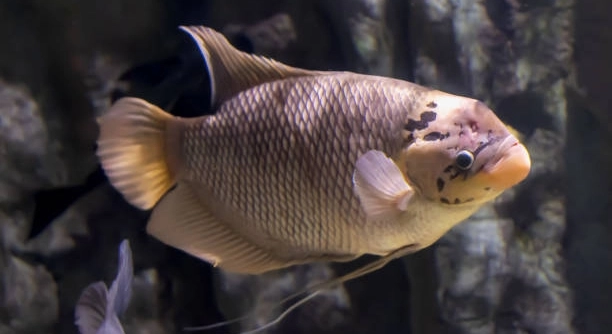
Keeping a gourami tank clean can feel like a big task, but it doesn’t have to be stressful. Regular care helps your fish stay healthy and lively, and it keeps the tank looking fresh and pleasant.
Maintaining proper hygiene in a gourami tank involves regular water changes, careful removal of debris, monitoring water parameters, and cleaning surfaces and equipment. Consistent attention prevents disease, supports fish health, and creates a stable, balanced aquatic environment for optimal growth.
Simple adjustments and routine maintenance can make a big difference in your tank’s cleanliness and your gouramis’ wellbeing. These practical tips will help you achieve a healthier aquatic home.
Regular Water Changes
Changing water consistently is one of the most important steps in keeping a gourami tank healthy. I usually replace about 20-25% of the water every week. This helps remove waste, uneaten food, and toxins that build up over time. Using a siphon makes it easier to clean the gravel and corners where debris collects. Fresh water also keeps the pH and other parameters stable, which gouramis prefer. I make sure the new water is dechlorinated and at the same temperature as the tank to avoid stressing the fish. Over time, these small weekly changes make a noticeable difference in water clarity and the fish’s energy levels. Watching my gouramis swim more actively after a water change is always satisfying.
Even small, regular water replacements are better than occasional large changes, which can shock the fish. Consistency is key.
Maintaining a water change schedule not only prevents harmful chemical buildup but also reduces algae growth. Algae can form quickly if waste accumulates, leading to poor visibility and affecting oxygen levels. By removing a portion of the tank water weekly, nitrates and ammonia stay low, minimizing the risk of disease. Using a siphon helps lift debris from the substrate and corners without disturbing the fish too much. While it may seem minor, these repeated efforts support healthier gill function, stronger immunity, and better color in gouramis. Over time, consistent water changes create a stable environment that reduces stress, encourages feeding, and keeps the tank visually appealing. Pairing this with careful monitoring of water temperature and pH ensures your gouramis thrive and stay active.
Filter Maintenance
A clean filter is essential for clear water and a healthy tank. Neglecting it can lead to poor water quality and stressed fish.
Regularly cleaning or replacing filter media ensures proper water flow. Over time, debris clogs the filter, reducing efficiency. I rinse media in tank water, never tap water, to preserve beneficial bacteria. A well-maintained filter helps break down waste and prevents ammonia spikes. Skipping this step can make the tank cloudy and unsafe for gouramis. It also reduces the workload during water changes, making tank upkeep easier.
Filters remove harmful compounds and maintain oxygen levels, which are crucial for gourami health. I usually check the filter weekly, looking for blockages or slowed flow. Mechanical components like sponges trap particles, while chemical media absorb toxins, both contributing to clean water. Maintaining these properly prevents bacterial overgrowth and reduces algae problems. Biological media supports nitrifying bacteria, which convert harmful ammonia into less toxic nitrates. Skipping filter maintenance can lead to stress, lethargy, and even disease in fish. By keeping the filter in top condition, the tank remains balanced, water clarity improves, and the fish show brighter colors and more energy. A healthy filter also reduces the frequency of full tank cleanings, making the overall routine smoother.
Remove Uneaten Food Promptly
Leftover food can quickly foul the water and harm your gouramis. I use a small net or siphon to remove any uneaten flakes or pellets after feeding.
Prompt removal of food prevents excess nutrients from fueling algae growth and creating ammonia spikes. Even if your fish eat slowly, leftover food can settle in corners or under decorations. I usually check the tank 10-15 minutes after feeding to scoop out anything remaining. Over time, this simple step keeps the water clear and reduces odor. It also minimizes stress on the fish by maintaining stable water conditions. I’ve noticed my gouramis stay more active and feed better when the tank is free from decaying food.
Consistently removing uneaten food reduces bacterial growth that could compromise water quality. It also helps avoid cloudiness and keeps filtration systems from overworking. I’ve found that spacing meals and observing how much the fish eat makes this process easier. With practice, it becomes a routine that significantly improves the tank’s hygiene, water clarity, and overall fish health. Overfeeding is a common mistake, and managing portions along with prompt cleanup prevents many issues before they develop.
Monitor Water Parameters
Regularly testing water keeps the tank safe and balanced. I check ammonia, nitrite, nitrate, and pH levels weekly to avoid sudden changes.
Keeping parameters stable is crucial for gouramis’ health. Fluctuations in pH or spikes in ammonia can stress fish and make them prone to disease. I use a reliable test kit and record results to track trends over time. When levels drift, small adjustments like partial water changes or adding conditioners correct the problem. I’ve seen how monitoring consistently prevents sudden illnesses and keeps the fish energetic.
Stable water conditions improve fish behavior and long-term health. Ammonia and nitrite should stay at zero, while nitrates remain low to prevent toxicity. pH should match your gouramis’ preference, usually slightly acidic to neutral. Regular monitoring allows early intervention before problems escalate. I adjust feeding, water changes, or filtration based on test results. Maintaining these parameters reduces stress, encourages natural behavior, and supports vibrant colors. It also prevents the need for drastic emergency actions, making tank care smoother and more predictable.
Clean Tank Decorations
Decorations can trap debris and encourage algae growth. I remove ornaments and artificial plants periodically to rinse them gently in tank water.
Soft brushes work well to loosen dirt without damaging surfaces. Avoid soap, as residues can harm the fish. Regular cleaning keeps the tank looking clear and prevents bacteria buildup.
Maintain Substrate Hygiene
Gravel and sand collect waste over time. I use a siphon during water changes to vacuum the substrate carefully, removing trapped food and debris.
Keeping the substrate clean prevents harmful bacteria and ammonia from building up. It also maintains oxygen flow and reduces unpleasant odors, making the tank healthier for gouramis.
Control Algae Growth
Algae can quickly overrun a tank if left unchecked. I limit light exposure to 8-10 hours a day and remove visible patches manually.
Regular attention to algae ensures a cleaner environment, reduces stress for gouramis, and keeps the tank visually appealing.
FAQ
How often should I change water in my gourami tank?
Weekly partial water changes of 20-25% are usually sufficient. I stick to this schedule because it keeps water parameters stable and removes accumulated waste without shocking the fish. Consistency is more important than replacing large amounts at irregular intervals.
What is the best way to remove uneaten food?
I use a small net or siphon to scoop out leftover flakes or pellets after feeding. Waiting 10-15 minutes ensures the fish have eaten, and any food left behind is easy to remove. This prevents water contamination and reduces algae growth.
How can I clean the filter safely?
Rinse filter media in tank water only, never tap water, to preserve beneficial bacteria. I clean the mechanical parts gently, removing debris that slows water flow. Regular filter maintenance prevents ammonia spikes and keeps water clarity high.
Should I test water parameters regularly?
Yes, I check ammonia, nitrite, nitrate, and pH weekly. Monitoring allows early detection of problems and helps maintain a stable environment. When levels shift, small interventions like partial water changes or conditioners restore balance before fish become stressed.
How do I clean tank decorations?
I remove ornaments and artificial plants periodically, rinsing them in tank water and scrubbing lightly with a soft brush. Avoid soaps or chemicals. Regular cleaning prevents bacteria buildup and algae growth on surfaces, keeping the tank healthier.
What is the proper way to maintain substrate hygiene?
Using a siphon during water changes, I vacuum gravel or sand to remove trapped food and waste. Clean substrate reduces harmful bacteria, prevents ammonia buildup, and improves oxygen circulation, creating a safer environment for gouramis.
How can I control algae in the tank?
I limit light exposure to 8-10 hours daily and remove visible algae manually. Keeping nutrients low by removing uneaten food and performing regular water changes also helps. Balanced care keeps algae manageable and the tank visually clean.
Can overfeeding affect tank hygiene?
Yes, overfeeding quickly pollutes water and increases ammonia. I measure portions carefully and feed only what my gouramis can eat in a few minutes. Proper feeding supports healthy water quality and reduces maintenance needs.
Is it necessary to monitor water temperature?
Absolutely. I keep the water at a stable temperature suitable for gouramis, usually between 74-80°F. Sudden changes stress the fish, weaken immunity, and can promote disease. A thermometer helps maintain consistency.
How do I know if my gouramis are stressed by tank conditions?
Signs include sluggish swimming, clamped fins, loss of color, or reduced appetite. I check water parameters, filter performance, and cleanliness if these appear. Correcting any issues quickly helps restore a stable, healthy environment.
Are there special tools that make cleaning easier?
A siphon, soft brushes, and a small net are enough. I also keep a bucket dedicated to tank water for rinsing equipment safely. Using the right tools speeds up maintenance and reduces accidental harm to the fish.
How often should I clean the tank glass?
I wipe or scrape algae off glass weekly. I use an algae scraper or magnetic cleaner to avoid scratching. Clean glass improves visibility and helps monitor fish health more easily.
Does tank size affect cleaning frequency?
Yes, smaller tanks accumulate waste faster. I clean small tanks more often to maintain hygiene, whereas larger tanks can handle slightly longer intervals between partial water changes, though regular maintenance is still essential.
Can live plants help maintain tank hygiene?
Yes, live plants absorb excess nutrients and reduce algae growth. I trim and remove decaying plant matter to prevent waste accumulation. Healthy plants support a balanced tank environment and make maintenance easier.
What should I do if water becomes cloudy?
Check for overfeeding, filter performance, and substrate cleanliness. I perform a partial water change and siphon debris, which usually clears the water quickly. Persistent cloudiness may indicate a bacterial bloom, requiring closer monitoring and careful adjustment of tank care routines.
How do I maintain a healthy routine without stressing the fish?
I schedule weekly water changes, monitor parameters, and clean filters and decorations gradually. Consistency and gentle handling reduce stress and create a stable, clean environment that supports gouramis’ health and behavior over time.
Maintaining a clean and healthy gourami tank requires consistent attention, but the effort is manageable with a routine. Regular water changes, even small ones, make a noticeable difference in water clarity and fish health. I have found that replacing about a quarter of the water each week keeps ammonia and nitrate levels low while preventing sudden changes that could stress the fish. Combining this with careful feeding and prompt removal of uneaten food ensures that the tank environment remains stable. Over time, these small steps build a habit that makes maintaining a clean tank feel less like a chore and more like part of daily care. By observing the gouramis and responding to their needs, it becomes easier to notice when something is off in the tank, whether it is water quality, algae growth, or filter performance.
Cleaning and maintaining equipment is another important aspect of tank hygiene. Filters, substrate, and decorations can all collect debris and promote bacterial growth if neglected. I rinse filter media in tank water instead of tap water to preserve beneficial bacteria that help break down waste. Gravel or sand also needs to be vacuumed regularly, removing trapped food and organic matter. Even decorations like artificial plants or ornaments require occasional attention to prevent algae buildup. Doing these tasks consistently prevents major problems from developing, keeps water clear, and reduces the likelihood of disease. The effort is worth it because it directly affects the health and behavior of the fish. Well-maintained equipment works more efficiently, reduces odors, and creates a more pleasant viewing experience, making the tank a healthier home for gouramis.
Monitoring water parameters is a final key step in maintaining tank hygiene. Checking ammonia, nitrite, nitrate, and pH levels regularly allows me to catch problems early and make small adjustments before they escalate. Stable water conditions reduce stress, support strong immunity, and encourage natural behavior in gouramis. Light management, controlling algae growth, and observing the fish’s overall condition all contribute to a balanced environment. Overfeeding, inconsistent water changes, or ignoring signs of stress can quickly undo the benefits of a clean tank. Developing a routine that includes testing water, cleaning equipment, and observing fish behavior helps ensure that the tank remains safe and healthy. With attention to these simple steps, maintaining a gourami tank becomes easier and more rewarding, and the fish thrive in a stable, clean, and supportive environment.

Hello,
If you enjoy the content that we create, please consider saying a "Thank You!" by leaving a tip.
Every little bit helps us continue crafting quality advice that supports the health, happiness, and well-being of pets around the world, for pets of all shapes, sizes, and species.
We really appreciate the kindness and support that you show us!