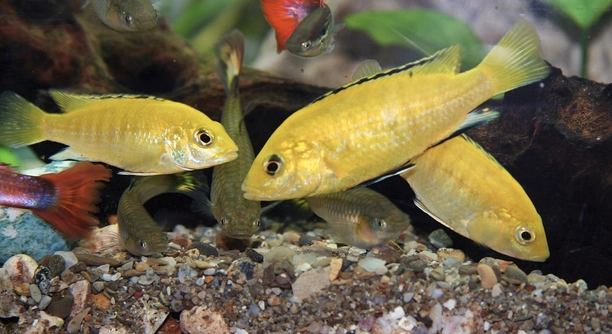
7 Hints That a Female Is Ready to Spawn
Are you caring for a female animal and want to know when she is ready to spawn? Observing her behavior and physical changes can provide key insights to ensure a smooth breeding process. Several indicators can signal that a female is prepared to spawn. These include physical signs such as swelling or color changes, behavioral … Read more
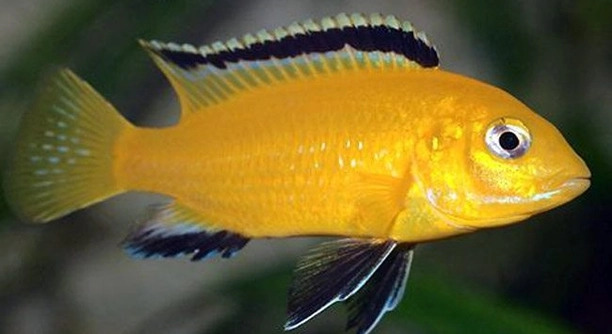
7 Times Tank Silence Means Something Important

Tank silence can feel confusing, especially when you expect action or conversation. These quiet moments are often meaningful, signaling changes in mood, focus, or intention that might not be obvious at first glance. Tank silence often carries significant information in various contexts. It can indicate strategic thinking, emotional processing, or observation. Recognizing these periods of … Read more

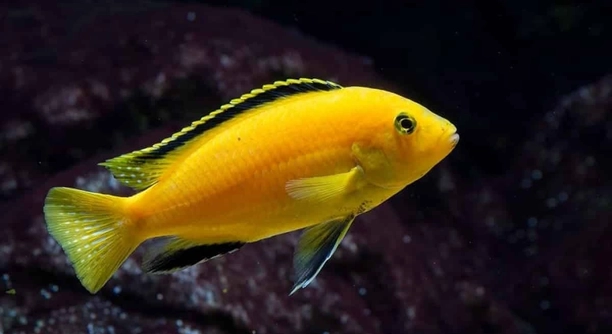
7 Causes of Odd Swimming Patterns

Odd swimming patterns in fish can be surprising and sometimes worrying for pet owners. Observing changes in movement can indicate health issues or environmental problems that may need immediate attention in your aquarium or pond. Several factors can cause unusual swimming behaviors in fish. These include water quality issues, parasites, infections, nutritional deficiencies, stress from … Read more

7 Setup Tweaks That Keep Aggression Down

Many pet owners notice sudden bursts of aggression in their animals and often feel unsure about the cause. These behaviors can be influenced by the environment and the way living spaces are arranged. Small changes can make a big difference. Aggression can often be reduced through careful adjustments to an animal’s setup. Optimizing space, minimizing … Read more

7 Days to Track Juvenile Progress

Do you ever find yourself keeping records of juvenile behavior but struggle to see consistent progress over time? Tracking daily patterns can feel overwhelming without a clear, structured approach to monitoring development. Monitoring juvenile progress over a seven-day period allows for systematic observation of behaviors, learning milestones, and social interactions. A structured daily log captures … Read more

7 Cues That Tell You Fry Need More Room

Do you ever find yourself watching your fry swim in their tank, noticing they seem restless or crowded? Many aquarists overlook the space needs of fry, yet providing sufficient room is crucial for their growth and health. Fry require adequate space to prevent stunted growth, reduce stress, and minimize aggressive behavior. Overcrowding limits oxygen availability … Read more

7 Tank Lid Issues That Affect Cichlid Activity

Do you ever notice your cichlids becoming less active and more withdrawn after changes to the tank lid? Many aquarium owners experience this issue without realizing how much the tank cover affects fish behavior. Tank lid issues affect cichlid activity by disrupting light exposure, restricting oxygen exchange, increasing heat retention, and trapping excess moisture. Poor … Read more

What Happens After Electric Yellow Cichlids Spawn?

Have you ever watched your Electric Yellow Cichlids lay eggs and wondered what comes next in their care routine? These bright, lively fish attract attention, and their breeding behavior can be fascinating to observe in home aquariums. After Electric Yellow Cichlids spawn, the parents immediately begin guarding their eggs and fry. They maintain close protection, … Read more

Why Electric Yellow Cichlids Shake Their Heads

Electric yellow cichlids are bright, lively fish that often catch the eye in home aquariums. Many owners notice a peculiar behavior where these fish shake their heads repeatedly, leaving observers intrigued about the cause. Electric yellow cichlids shake their heads primarily to communicate and establish territory. This behavior signals dominance, alerts other fish to boundaries, … Read more

7 Responses to Environmental Noise Changes

Environmental noise is an unavoidable part of daily life, from traffic to construction and household activities. These sounds can subtly affect mood, focus, and overall well-being. Understanding how we respond to noise can help us adapt more effectively. Human responses to environmental noise vary based on intensity, duration, and individual sensitivity. Common reactions include increased … Read more