
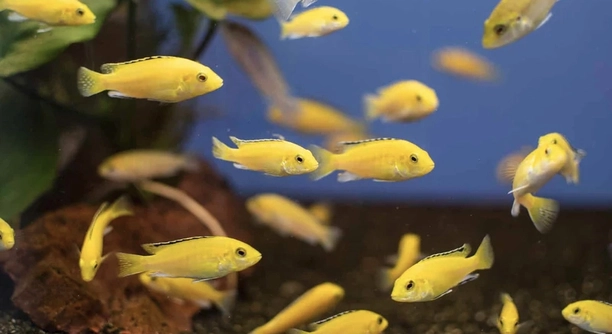
Do you ever find yourself watching your fry swim in their tank, noticing they seem restless or crowded? Many aquarists overlook the space needs of fry, yet providing sufficient room is crucial for their growth and health.
Fry require adequate space to prevent stunted growth, reduce stress, and minimize aggressive behavior. Overcrowding limits oxygen availability and increases waste accumulation, which can negatively affect their development and overall survival rates.
Observing subtle cues in behavior and appearance can reveal when your fry need more room. Recognizing these signs early ensures a healthier environment and promotes proper development for your growing fish.
Fry Crowding at the Surface
When fry constantly gather at the water surface, it often signals a lack of space or insufficient oxygen in the tank. Smaller tanks or overcrowded environments limit water circulation, making oxygen distribution uneven. This can cause fry to struggle for air, often appearing restless or frantic as they compete for the oxygen-rich layer near the top. Observing this behavior early allows you to make adjustments before it impacts their growth. Increasing aeration, adding a gentle filter, or moving some fry to a larger tank can quickly improve their environment. Consistent monitoring of oxygen levels and fry behavior is essential, especially during early developmental stages. Overcrowded fry may also experience slower growth rates and higher susceptibility to disease, making timely intervention important. Ensuring every fry has enough space to swim freely reduces stress, encourages normal development, and improves overall survival rates in your tank.
Providing more space and oxygen can prevent future problems and supports healthier fry development over time.
Adjusting tank size or splitting groups into smaller tanks improves growth and reduces aggressive interactions, creating a calmer environment for young fish.
Stunted Growth and Uneven Sizes
Stunted growth often becomes noticeable when fry share a confined space with limited resources. Some fry will grow slower, appearing smaller or weaker than their tank mates. Overcrowding limits access to food, as dominant fry may outcompete others, leaving some undernourished. This unequal distribution of nutrients can cause long-term growth issues and make fry more prone to disease. Ensuring fry have sufficient space to move, access food, and interact naturally helps prevent these problems. Observing size differences and growth patterns regularly allows early intervention. Separating larger fry from smaller ones or transferring them to a larger tank ensures all fish have room to thrive. Proper tank maintenance, including clean water and regulated feeding schedules, also plays a critical role in supporting uniform growth. By addressing these factors, you provide an environment where fry can develop healthily, avoiding stunted growth and promoting strong, active fish capable of adapting well as they mature.
Increased Aggression Among Fry
Overcrowded tanks often lead to aggression, with fry chasing or nipping each other frequently. This behavior increases stress and can cause injuries, particularly in weaker or smaller fish. Providing more space reduces conflicts and promotes calmer interactions among the fry.
Aggressive behavior becomes more noticeable in confined spaces, especially when food is limited. Fry may compete aggressively for territory or feeding spots, leaving some constantly stressed or injured. This can stunt growth and lower immunity, making them more susceptible to infections. Separating fry into larger or additional tanks helps distribute energy and reduces aggressive encounters. Ensuring hiding spots or gentle water flow can also decrease tension. By observing their behavior closely, you can determine when additional space is needed, creating a more balanced environment.
Increased aggression not only affects growth but also overall health. Reducing crowding improves social behavior and fosters an environment where all fry can thrive equally.
Poor Swimming Patterns
Fry in crowded tanks often display erratic swimming or frequent collisions with each other. Limited space restricts normal movement, leading to fatigue and stress. Addressing tank size improves swimming ability and overall vitality.
Crowded conditions can force fry into awkward swimming patterns, making it harder for them to navigate their environment. Restricted movement also prevents them from practicing natural behaviors like exploring, schooling, or foraging efficiently. Over time, this can affect muscle development and coordination. Providing a larger tank or reducing population density allows fry to swim freely and strengthens their physical growth. Observing swimming behavior is an effective indicator of whether fry need more room, as healthy fry will move confidently and cover more space without constant collisions or erratic patterns.
Improving tank conditions enhances swimming skills and physical development, ensuring fry grow strong, active, and resilient to stress and environmental changes.
Uneaten Food and Waste Accumulation
Overcrowded tanks often result in leftover food and faster waste buildup. Fry may not reach all feeding areas, leaving uneaten food to decay. This can pollute the water and increase the risk of disease. Regular observation helps identify overcrowding issues early.
High waste levels in a confined tank lead to poor water quality. Ammonia and nitrite levels can rise quickly, stressing fry and weakening their immune systems. Adding more space or reducing the number of fry helps maintain cleaner water and prevents health problems. Filtration and frequent water changes are essential in crowded tanks to minimize toxic buildup.
Rapid Growth Discrepancies
When fry share limited space, some grow faster while others lag behind. Unequal access to food and space causes noticeable size differences among fry, impacting overall tank harmony.
Constant Hiding
Fry may hide continuously when there is not enough room. Crowded conditions make them feel insecure and stressed, prompting repeated attempts to find safe areas.
FAQ
How can I tell if my fry tank is overcrowded?
Signs of overcrowding include fry clustering at the surface, frequent aggressive behavior, stunted growth, erratic swimming, and constant hiding. Uneaten food and increased waste are also common indicators. Observing daily behavior helps determine when the tank has reached its limit.
What is the best way to provide more space for fry?
The simplest approach is to move some fry into a larger tank or set up additional tanks to distribute the population evenly. Providing ample swimming space reduces stress, promotes growth, and minimizes competition for food. Hiding spots and plants also help fry feel secure.
How often should I monitor fry behavior?
Daily observation is ideal. Monitoring feeding patterns, swimming behavior, and social interactions helps identify stress or overcrowding early. Noticing subtle changes, like slower growth or constant hiding, allows you to adjust tank conditions before health problems occur.
Can overcrowding affect water quality?
Yes, overcrowded tanks produce more waste, leading to higher ammonia, nitrite, and nitrate levels. Poor water quality stresses fry, reduces immunity, and increases susceptibility to disease. Frequent water changes, proper filtration, and reducing population density help maintain healthy water conditions.
Is stunted growth reversible in fry?
Growth discrepancies caused by overcrowding can improve if fry are moved to a larger tank with adequate space and food access. However, prolonged crowding can have lasting effects on weaker fry, making early intervention critical to prevent permanent stunting.
Do hiding behaviors indicate a health issue?
Continuous hiding is usually a sign of stress from overcrowding, insufficient space, or competition. It may also indicate poor water quality or bullying from larger fry. Providing more room, clean water, and hiding areas encourages fry to explore and develop normally.
How can I reduce aggression in fry?
Separating aggressive or larger fry from smaller ones and providing sufficient space reduces conflicts. Adding hiding spots or obstacles gives weaker fry areas to retreat, lowering stress and improving overall tank harmony. Gentle water flow can also calm highly active fry.
What tank size is ideal for fry growth?
Tank size depends on the number and species of fry. Providing enough space for swimming, feeding, and exploration is crucial. As a general rule, avoid overcrowding by estimating tank volume per fry and upgrading tanks as they grow to ensure healthy development.
Should I change feeding practices in crowded tanks?
Yes, feeding smaller amounts more frequently ensures all fry get access to food. Overfeeding can worsen water quality, while underfeeding leaves some fry weaker. Monitoring feeding behavior allows adjustments to maintain balanced nutrition across the group.
How soon should I intervene when fry show overcrowding signs?
Immediate action is best. Moving fry to larger tanks, adjusting populations, or improving filtration can prevent stress, aggression, stunted growth, and health issues. Early intervention ensures a stable environment and supports proper development for all fry.
Are there long-term effects of overcrowding?
Prolonged overcrowding can permanently affect growth, behavior, and immune strength. Fry may remain smaller, less active, or more prone to stress-related illnesses. Consistent monitoring and timely adjustments are key to preventing lasting problems and promoting strong, healthy fish.
Can plants or decorations help overcrowded fry?
Yes, adding plants and decorations provides hiding spaces, reduces aggression, and mimics natural environments. While it does not replace the need for adequate space, it can help fry feel more secure and reduce stress in slightly crowded conditions.
How do I balance population as fry grow?
As fry grow, their space requirements increase. Separating them into multiple tanks or using dividers allows for controlled growth and reduces overcrowding. Regularly evaluating tank density ensures each fry has room to swim and access to food without constant competition.
Can I prevent overcrowding from the start?
Planning tank size and population limits ahead of time prevents overcrowding. Hatch fry in smaller groups, prepare additional tanks, and monitor growth to move fry before space becomes an issue. Proper planning supports healthier, more balanced development.
What are the most critical signs to watch for?
Key indicators include stunted growth, constant hiding, aggressive behavior, erratic swimming, clustering at the surface, and leftover food or high waste levels. Observing these behaviors allows timely adjustments to tank conditions, preventing health or developmental problems in fry.
How do I maintain healthy water in a fry tank?
Regular water changes, adequate filtration, and monitoring ammonia, nitrite, and nitrate levels are essential. Avoid overfeeding and overcrowding to keep water clean. Clean water reduces stress and supports proper growth, swimming ability, and immunity in young fry.
Are all fry species sensitive to overcrowding?
Yes, though sensitivity varies. Some species tolerate higher densities, while others require more space for healthy growth. Understanding the specific needs of your fry species helps determine appropriate tank size, feeding practices, and population management.
Can overcrowding affect adult fish later?
Fry raised in overcrowded conditions may develop stunted growth or weaker immune systems, affecting their adult health and size. Providing adequate space from early stages promotes stronger, healthier fish capable of thriving as adults.
Is frequent tank rearrangement helpful?
Minimal rearrangement is better. Excessive changes can stress fry, though adding hiding spots or increasing swimming space when overcrowded is beneficial. Gradual adjustments maintain stability while improving comfort and reducing aggressive behavior.
What is the simplest daily routine for monitoring fry?
Check swimming patterns, feeding behavior, aggression, and hiding spots daily. Observe water clarity and waste accumulation. These habits allow quick detection of overcrowding and ensure fry remain healthy and active in their environment.
Providing the right amount of space for fry is essential for their growth, health, and overall well-being. Overcrowding can lead to a variety of problems, from stunted growth and uneven sizes to aggression and constant hiding. When fry are kept in a tank that is too small, they may struggle to access food or develop properly, which can have lasting effects. Observing your fry on a daily basis helps you notice early signs of stress or overcrowding. Even small adjustments, like moving some fry to a larger tank or adding gentle water flow, can make a significant difference in their development. Maintaining proper space ensures that all fry have a fair chance to grow and thrive, reducing competition and minimizing potential health issues.
Tank management and water quality play a central role in preventing overcrowding problems. Overcrowded tanks tend to accumulate waste quickly, which can raise ammonia and nitrite levels and reduce oxygen availability. Fry are particularly sensitive to these changes, and poor water conditions can weaken their immune systems, making them more vulnerable to disease. Regular water changes, adequate filtration, and careful monitoring of water parameters are critical to keeping fry healthy. Providing hiding places or plants can also help fry feel secure, lowering stress levels and improving social interactions. By combining proper space with clean water and a structured feeding routine, you create an environment where fry can grow strong and develop natural behaviors without unnecessary stress.
Understanding the behavior and needs of your fry helps ensure a successful and healthy tank. Signs like clustering at the surface, erratic swimming, aggression, or stunted growth indicate that fry may need more room. Addressing these issues early not only improves their physical development but also fosters a calmer, more balanced tank environment. Planning ahead for tank size, monitoring population density, and responding promptly to behavioral changes are all essential practices. With careful attention and proper management, fry can grow into healthy, active fish, and you can enjoy the satisfaction of watching them thrive in a well-maintained and spacious tank.

Hello,
If you enjoy the content that we create, please consider saying a "Thank You!" by leaving a tip.
Every little bit helps us continue crafting quality advice that supports the health, happiness, and well-being of pets around the world, for pets of all shapes, sizes, and species.
We really appreciate the kindness and support that you show us!