
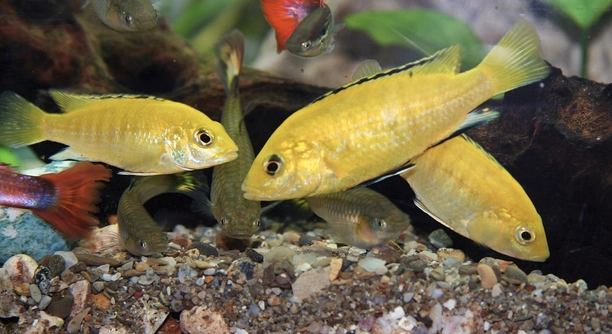
Have you ever watched your Electric Yellow Cichlids lay eggs and wondered what comes next in their care routine? These bright, lively fish attract attention, and their breeding behavior can be fascinating to observe in home aquariums.
After Electric Yellow Cichlids spawn, the parents immediately begin guarding their eggs and fry. They maintain close protection, fanning the eggs to provide oxygen and removing any debris or infertile eggs to ensure higher survival rates of their offspring.
Observing the early stages of fry development can help you understand the parental roles and timing of care in these vibrant fish.
Egg Care and Parental Protection
Once the eggs are laid, Electric Yellow Cichlids show remarkable dedication. The parents keep close to the eggs, gently fanning them with their fins to maintain water circulation. This ensures the eggs receive enough oxygen to develop properly. Any eggs that appear cloudy or unfertilized are usually removed by the parents to prevent contamination of healthy eggs. The area around the eggs is guarded intensely, with both the male and female chasing away other fish that come too close. Stress can affect their behavior, so keeping the tank calm and stable is important. Water quality also plays a major role. Frequent water changes and stable temperature help prevent fungus and improve hatching rates. Watching them interact with their eggs reveals their natural instincts and dedication. The process can take several days, with the parents rarely leaving the eggs unattended. The protective behavior continues until the fry are free-swimming and capable of finding food on their own.
Parental care is crucial during the egg stage, and removing interference improves survival.
Even after hatching, the parents continue to guide the fry. They often herd the tiny fish into sheltered spots to avoid threats. Observing how they communicate and protect each other highlights natural behaviors. The fry gradually become more independent, and their feeding routine begins under careful supervision.
Feeding the Fry
Feeding the fry starts a few days after hatching.
At first, the fry rely on tiny, specialized foods such as infusoria or finely crushed flakes. Gradually, their diet can include baby brine shrimp and other small protein sources. Consistent feeding helps them grow evenly and reduces the chance of weaker fry being left behind. Monitoring their progress and adjusting portions ensures all fry have access to nutrients. Overfeeding can pollute the water, which negatively affects both the fry and their parents. Separate feeding areas or small containers can help manage this, especially if the tank is heavily populated. The parents continue to oversee the fry, sometimes moving them to safer areas for feeding. Temperature and water quality remain critical during this period. Maintaining a calm environment minimizes stress and supports healthy development. Watching them thrive under careful feeding and protection can be very satisfying, as the fry grow stronger and more active each day.
Fry Growth and Development
Fry start growing quickly once they begin eating regularly. Their color and markings gradually appear, and movement becomes more coordinated. Keeping water clean and stable supports healthy growth and reduces stress, which is critical during these early weeks.
During the first few weeks, fry experience rapid physical changes. Their fins start developing fully, and body shape becomes more defined. Small adjustments in diet, including tiny amounts of protein-rich food, encourage balanced growth. Observing their interactions shows early social behavior, as they begin schooling together and following the parents. Proper lighting and temperature also influence their metabolism and activity levels. Providing hiding spots and gentle water flow helps fry avoid fatigue and injury, allowing them to thrive.
By the third week, fry are more confident swimmers. They start exploring more of the tank while still staying near the parents for guidance. Feeding must remain consistent, and careful observation ensures no fry are left behind or weakened. Water quality must be maintained, as even small changes can lead to stress or illness.
Tank Preparation for Growing Fry
A separate, well-maintained area is often used for fry once they get bigger.
As fry grow, they need more space to swim and explore safely. Transferring them to a dedicated tank reduces risk from larger tankmates and gives better control over feeding and water conditions. Fine mesh or sponge filters prevent them from being sucked in while maintaining circulation. Temperature should be kept steady, and lighting adjusted to mimic natural conditions without stressing the fry. Plants or small hiding areas provide comfort and reduce aggressive encounters.
Feeding becomes more structured in the growing tank. Multiple small feedings per day ensure all fry have access to food. Gradually introducing varied foods encourages robust development and strengthens immune systems. Monitoring growth helps identify any fry that are struggling, allowing for timely adjustments. Regular water changes are necessary to remove waste and prevent ammonia spikes, keeping conditions optimal. Observing behavior also helps ensure that social hierarchies are forming naturally without excessive stress. This careful management leads to healthier, more active juveniles ready for future integration into the main tank.
Monitoring Health and Behavior
Fry should be watched closely for signs of illness or stress. Uneven growth, lethargy, or unusual swimming patterns often indicate water quality issues or inadequate nutrition. Early detection allows for quick adjustments to prevent losses.
Parents sometimes continue influencing fry behavior, even in separate tanks. Observing interactions helps gauge social development and ensures fry are not overly aggressive or shy, which affects their long-term survival and adaptation.
Gradual Introduction to Adult Tank
Before moving fry to the main tank, acclimation is essential. Slowly adjusting water parameters over several days reduces shock. Introducing them in small groups helps them adapt without overwhelming established adults. Hiding spots and gentle flow make the transition smoother, allowing fry to explore safely.
Gender Identification
Sex differences become visible as juveniles mature. Males often show brighter colors and fin extensions, while females remain smaller with softer tones. Early recognition helps plan future breeding or tank arrangements.
How long do Electric Yellow Cichlid eggs take to hatch?
Eggs usually hatch within 3 to 5 days after being laid, depending on water temperature. Warmer, stable water can speed up the process, while cooler or fluctuating temperatures may slow development. Proper aeration and cleanliness are critical during this stage to prevent fungus or egg loss.
Do the parents eat their eggs or fry?
It is uncommon but possible for stressed or inexperienced parents to consume some eggs or fry. Stressors like poor water quality, aggressive tankmates, or overcrowding increase this risk. Providing a calm, stable environment reduces the chance of this behavior and supports successful hatching.
When should I start feeding the fry?
Fry typically begin feeding a few days after hatching, once the yolk sac is absorbed. At first, offer tiny foods like infusoria or finely crushed flakes. As they grow, introduce baby brine shrimp and small protein-rich foods to encourage healthy development.
How often should I feed fry?
Feeding multiple times a day in small amounts works best. This ensures all fry get nutrients without overfeeding, which can pollute the water. Observing how quickly food is consumed helps adjust feeding amounts and frequency.
When can fry be moved to the main tank?
Fry should stay in a separate tank until they are large enough to avoid being eaten by adult fish. Gradually acclimate them to water conditions in the main tank over several days, introducing them in small groups to reduce stress.
How can I tell the difference between males and females?
Sex differences usually appear as juveniles mature. Males often develop brighter coloration and longer fin extensions. Females are smaller and maintain softer, less vibrant colors. Observing these traits helps plan breeding or tank management.
What water conditions are best for fry?
Stable, clean water is critical. Temperature should stay consistent, typically between 76–82°F (24–28°C). Frequent small water changes remove waste and prevent ammonia spikes. Using a sponge filter or gentle circulation avoids harming tiny fry while keeping oxygen levels adequate.
Do parents continue protecting fry in a separate tank?
Once fry are separated, parental protection stops, but fry instinctively school together and explore their environment under supervision if in small groups. Monitoring their interactions ensures balanced growth and minimizes aggression or stress.
What common health issues affect fry?
Fry are sensitive to poor water quality, overcrowding, and inadequate nutrition. Signs of illness include lethargy, uneven growth, or abnormal swimming. Regular monitoring, maintaining clean water, and proper feeding schedules prevent most problems.
How quickly do fry grow?
Growth is rapid during the first few weeks. Fins, body shape, and coloration develop steadily with proper nutrition and stable water. Observing them daily helps catch any slow-growing or weaker fry, allowing adjustments to feeding or tank conditions.
Can fry be housed with other fish?
It’s best to keep fry with only their own species until they are larger and more resilient. Introducing them too early to other fish increases stress and predation risk. Gradual integration into a community tank is safer once they are juvenile-sized.
What role do hiding spots play for fry?
Plants, rocks, or small decorations provide shelter and reduce stress. Fry use these areas to avoid aggression, rest, and explore safely. A well-planted tank supports natural behaviors and improves overall survival rates.
How long do parents guard their fry?
Parents actively guard fry for several weeks after hatching, especially during the first 2–3 weeks. Their protection ensures fry learn to school, find food, and develop basic survival instincts before becoming more independent.
Is special equipment needed for raising fry?
A separate tank with a sponge filter, gentle water flow, and controlled temperature is ideal. Small nets, feeding tools, and water testing kits help maintain optimal conditions, ensuring high survival and healthy growth rates for the fry.
How do I prevent fry from fighting or bullying each other?
Avoid overcrowding and provide hiding spots. Feed small amounts frequently to reduce competition. Observing social behavior daily helps identify overly aggressive fry, which can then be separated to prevent injuries and stress.
What is the best diet for growing fry?
Start with infusoria and finely crushed flakes, then introduce baby brine shrimp and micro-pellets. Gradually diversify the diet to include protein-rich foods that support rapid growth, strong coloration, and healthy immune systems. Balanced nutrition is key to producing strong juveniles.
How important is lighting for fry?
Moderate lighting supports normal development and encourages activity. Too bright or too dim lighting can stress fry and disrupt feeding patterns. Mimicking natural light cycles helps maintain healthy circadian rhythms.
How can I encourage healthy social behavior?
Keep fry in small groups, provide hiding spots, and maintain stable conditions. Observing interactions helps identify overly aggressive or shy individuals, allowing adjustments to ensure balanced social development and reduce stress-related behaviors.
When do fry start showing adult coloration?
Color begins appearing gradually around 6–8 weeks, depending on diet, genetics, and water conditions. Males often show brighter shades first, while females develop softer, subtler tones. Early care directly affects the intensity and evenness of coloration.
How do I know if fry are ready for breeding?
Juveniles typically reach breeding maturity around 6–12 months, depending on size and health. Strong, healthy individuals with developed fins and vibrant coloration are generally ready. Proper tank setup, diet, and monitoring are essential to prepare them for successful spawning.
Raising Electric Yellow Cichlids from eggs to healthy juveniles takes patience and attention, but it is a rewarding process. From the moment the eggs are laid, careful monitoring and stable conditions make a huge difference in survival rates. Watching the parents protect their eggs and fry gives insight into their natural instincts. They fan the eggs, remove any unfertilized ones, and guard the fry from potential threats. This behavior ensures that most of the offspring have a strong start. Maintaining clean water, stable temperature, and a calm environment supports both the parents and the developing fry. Even small changes in water quality or tank conditions can stress the fish, affecting egg development or fry survival. Understanding these needs and acting proactively allows for a smoother process and healthier offspring. Consistency in care during these early stages lays the foundation for the fry’s long-term growth and overall well-being.
As the fry hatch and begin feeding, their nutritional needs become critical. Starting with tiny foods like infusoria or finely crushed flakes helps them transition from yolk sacs to independent feeding. Gradually introducing baby brine shrimp and other small protein-rich foods supports growth and development. Multiple small feedings each day ensure that all fry get access to nutrients while preventing water pollution from excess food. At this stage, observing their behavior and growth is important to catch any signs of weakness or illness early. Hiding spots and gentle water flow help fry feel secure and reduce stress. When they reach a size where they can safely be separated from the parents, a dedicated tank with proper filtration and controlled conditions provides space for continued growth. Careful acclimation is key if they are later moved to a community or main tank to reduce stress and prevent injury from larger fish.
As juveniles mature, monitoring their health, behavior, and social interactions becomes increasingly important. Males begin developing brighter colors and fin extensions, while females remain smaller and more muted in tone. Understanding these differences helps plan breeding or tank arrangements. Stable water conditions, proper feeding, and adequate space support balanced growth and reduce aggression. Observing social behavior helps identify overly dominant or timid individuals, allowing for adjustments to maintain a harmonious environment. Gradually, the fry become confident swimmers and more independent while still benefiting from structured care and observation. The time, patience, and attention invested in these early stages ultimately result in strong, healthy Electric Yellow Cichlids that thrive in their environment. By following these steps carefully, you create the best conditions for their development, ensuring that the fish grow into vibrant, active adults capable of healthy reproduction.

Hello,
If you enjoy the content that we create, please consider saying a "Thank You!" by leaving a tip.
Every little bit helps us continue crafting quality advice that supports the health, happiness, and well-being of pets around the world, for pets of all shapes, sizes, and species.
We really appreciate the kindness and support that you show us!