
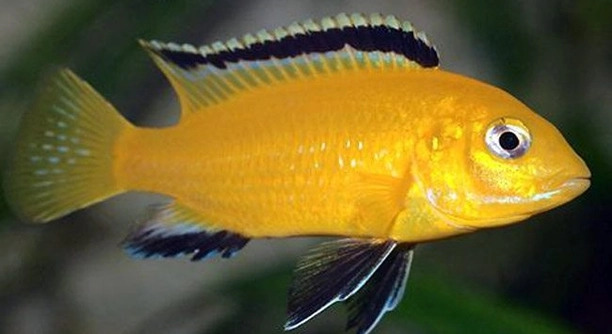
Electric yellow cichlids are bright, lively fish that often catch the eye in home aquariums. Many owners notice a peculiar behavior where these fish shake their heads repeatedly, leaving observers intrigued about the cause.
Electric yellow cichlids shake their heads primarily to communicate and establish territory. This behavior signals dominance, alerts other fish to boundaries, and helps them interact socially within their environment. It is a natural and instinctive action rooted in survival and hierarchy.
Observing this behavior closely can reveal patterns in their social interactions and environmental responses. It also helps aquarists understand the subtle signals these fish use to communicate daily.
Understanding Head-Shaking Behavior
When I first noticed my electric yellow cichlid shaking its head, I thought it might be stressed or sick. Over time, I realized this behavior is quite normal and common in these fish. Head-shaking can serve multiple purposes depending on the context. In a tank with several fish, it often signals territorial behavior. The fish are letting others know about their boundaries. It can also be a way to communicate dominance or assertiveness within the group. Another reason is feeding behavior; sometimes, they shake their heads while sorting food or moving debris. Environmental factors like water quality or tank setup can also influence the frequency of this action. Observing when and how often your cichlids shake their heads helps understand their mood and social dynamics. Over time, I noticed that the behavior was more frequent when new fish were introduced or when food was scarce.
Head-shaking is not usually a sign of illness but a normal social and environmental response in cichlids.
Watching these behaviors closely gives insight into their personality and helps maintain a balanced tank. Consistent observation can prevent stress-related conflicts and ensure all fish are comfortable. Adjusting decorations, hiding spots, and feeding routines often reduces unnecessary head-shaking. By paying attention to these small movements, I could better predict when my fish were feeling uneasy or territorial, which helped me create a calmer, more stable tank environment. Regular monitoring of water conditions and diet also supports healthy behavior patterns. Understanding these nuances ensures the fish thrive socially and physically.
Environmental Influences on Head-Shaking
Changes in tank setup can trigger increased head-shaking. New decorations or rearranged rocks may make fish explore or assert dominance.
Lighting, temperature, and water chemistry all play subtle roles in how often electric yellow cichlids shake their heads. Bright lights or rapid temperature changes can make them more alert or defensive. Similarly, tanks with fewer hiding spaces often lead to more frequent displays of head-shaking as they claim territory. Tank size also matters; a crowded environment can increase stress and social competition, amplifying these behaviors. Over time, I learned to balance the tank with enough space, hiding areas, and consistent routines. Introducing changes gradually allowed the fish to adjust without excessive agitation. Even small factors, like filter noise or new plants, influenced their head movements. Understanding these environmental triggers helped me manage the tank proactively, reducing tension and promoting healthier interactions. Careful observation and thoughtful adjustments turned what seemed like a nuisance into an opportunity to improve the tank’s harmony and the fish’s well-being.
Social Interaction and Head-Shaking
Head-shaking often occurs during interactions with other fish. It signals dominance, warns competitors, or establishes boundaries in a shared space. I noticed my cichlids use subtle movements first, then escalate to more noticeable shakes if needed.
Electric yellow cichlids are social creatures, but they have clear hierarchies. When new fish are added, existing fish may shake their heads frequently to assert dominance and test the newcomer. Head-shaking can also serve as a warning to avoid conflicts without physical fighting. In a tank with multiple fish, I observed that dominant individuals shake their heads more often, while submissive fish respond by retreating or hiding. This behavior maintains order, reduces injury, and communicates status effectively. Understanding these patterns helped me anticipate interactions and prevent stress in the tank.
The frequency of head-shaking varies with the number of fish, tank size, and individual temperament. Some cichlids shake briefly, while others make it more prominent. Over time, I realized observing these subtle differences was key to understanding their social structure. Watching how my fish responded to changes, like introducing new companions or moving decorations, revealed when tensions were rising. Adjusting the environment and monitoring interactions minimized unnecessary stress and kept my cichlids healthy. Recognizing these social cues made the tank feel more harmonious and predictable.
Health-Related Reasons for Head-Shaking
Head-shaking can indicate irritation or discomfort when fish face health issues. Observing behavior helps catch problems early.
Sometimes, head-shaking results from parasites or infections. Gill irritation, skin issues, or ear problems may prompt this movement. I noticed that if shaking increases suddenly, it often coincides with changes in appetite or energy. Monitoring water quality, maintaining proper filtration, and observing symptoms are essential to prevent illness. Even minor irritations can lead to repeated head-shaking, so I learned to check for signs like redness, clamped fins, or unusual spots. Early intervention often prevents serious health problems and keeps the tank safe for all fish.
Stress from overcrowding or poor water conditions can also lead to health-related head-shaking. In my tank, I saw that when ammonia or nitrate levels rose slightly, head-shaking increased noticeably. Ensuring regular water changes, proper filtration, and stable temperatures reduced this behavior. Even the type of substrate or decorations mattered; rough surfaces sometimes caused minor injuries, prompting shaking. By tracking patterns, I could identify whether shaking was social, environmental, or health-related. Maintaining a clean, balanced tank minimized unnecessary head-shaking and supported the overall well-being of my electric yellow cichlids.
Feeding Behavior and Head-Shaking
Head-shaking often happens during feeding. My cichlids shake their heads to sort food, spit out unwanted particles, or claim pieces from others.
This behavior helps them identify edible items and remove debris. I noticed that flakes and pellets trigger more shaking, while sinking food reduces the movement.
Territorial Displays
Electric yellow cichlids shake their heads to mark and defend territory. In my tank, dominant fish often patrol their favorite spots while performing noticeable shakes. This action communicates ownership to other fish and reduces direct conflicts, keeping the social structure balanced.
Stress-Related Shaking
Changes in environment or tank conditions can cause brief but repeated head-shaking. I noticed my fish shake more when the water temperature fluctuates or when new decorations are added.
FAQ
Why does my electric yellow cichlid shake its head more at certain times?
Head-shaking often varies with activity, feeding, or social interactions. I noticed that my cichlid shakes its head more when new fish are added, during feeding, or while patrolling its favorite hiding spots. These periods involve establishing dominance or sorting food, which naturally increases the movement. Environmental factors, like changes in light or water temperature, can also make the fish more alert or defensive, prompting more frequent head-shaking.
Is head-shaking a sign of illness?
Not always. Occasional head-shaking is normal behavior related to communication and social structure. However, if shaking is persistent, excessive, or accompanied by other symptoms such as clamped fins, discoloration, or loss of appetite, it may indicate irritation, parasites, or gill issues. I learned to check water quality and monitor for visible signs of stress to rule out health problems early. Early intervention prevents serious illness and keeps the tank safe for all inhabitants.
Can head-shaking be caused by tank conditions?
Yes. Poor water quality, sudden temperature changes, or overcrowding can increase head-shaking. I noticed that when ammonia or nitrate levels were slightly high, my cichlids displayed more repeated shaking. Tank decorations or rough surfaces can also irritate them. Maintaining stable conditions, regular water changes, and careful observation reduce unnecessary shaking and stress.
Do all electric yellow cichlids shake their heads the same way?
No, individual temperament and social rank influence the behavior. Dominant fish tend to shake more visibly to assert territory, while submissive fish may do so minimally. I observed that head-shaking frequency and intensity can differ based on the number of tank mates, their size, and even the time of day. Understanding these differences helps me predict interactions and maintain a calmer environment.
How can I reduce excessive head-shaking?
Providing adequate hiding spaces, stable water conditions, and consistent feeding schedules helps minimize excessive head-shaking. In my experience, spacing out territories with rocks or plants prevents constant territorial disputes. Gradual introduction of new fish and monitoring interactions also keeps aggression and stress low, allowing my cichlids to shake their heads only when necessary for social communication.
Is head-shaking only related to social or environmental reasons?
No, feeding behavior contributes as well. I noticed that when food settles at the bottom, cichlids shake their heads less compared to flakes or floating pellets. Sorting edible bits and discarding unwanted particles is a natural part of feeding. Observing when head-shaking occurs during meals helps me understand whether it’s social, environmental, or feeding-related.
Should I intervene if my cichlid shakes its head frequently?
Intervention is not always necessary. Frequent observation is key. I check water quality, diet, and tank layout first to ensure no health or environmental problems exist. Only when shaking is accompanied by other concerning symptoms do I take action, such as consulting a vet or adjusting tank conditions. Most head-shaking is harmless and part of their normal behavior.
Can head-shaking indicate stress?
Yes. Sudden or prolonged changes in the tank often trigger stress-related shaking. I noticed that moving decorations or introducing new fish caused temporary increases in shaking. Stress can also result from overcrowding or improper water parameters. Observing behavior trends and making gradual environmental adjustments helps reduce stress and promotes natural movement patterns.
Does head-shaking mean my cichlid is aggressive?
Not necessarily. Head-shaking communicates boundaries more than aggression. I observed that dominant cichlids shake to warn others rather than attack. Aggression usually involves chasing, nipping, or cornering behavior. Recognizing the difference helps me understand whether shaking is social communication or a precursor to conflict.
Can head-shaking damage the fish?
No, normal head-shaking is harmless. I have never seen damage from this behavior alone. Problems only arise if combined with stress, illness, or injury from the environment. Proper monitoring, tank setup, and health checks ensure head-shaking remains a safe, natural behavior.
How do I tell if shaking is due to feeding or social reasons?
Timing and context are key. I watch for shaking during meals or when interacting with other fish. Head-shaking during feeding usually involves sorting food or spitting out debris, while social shaking occurs when fish patrol territory, assert dominance, or respond to nearby tank mates. Observing patterns over several days makes it clear which reason applies.
Are there specific signs to watch for when head-shaking is a warning of health issues?
Yes. Unusual color changes, clamped fins, lethargy, or sudden loss of appetite often accompany health-related shaking. I always monitor these signs closely and check water parameters. Early recognition allows prompt treatment for parasites, gill irritation, or other illnesses. Timely action helps prevent serious problems.
Can head-shaking be influenced by tank size or layout?
Definitely. Smaller tanks or crowded spaces lead to more territorial disputes, increasing head-shaking. In my tank, adding more hiding spots and distributing decorations reduced conflicts. Adequate space for each fish allows natural social behavior without excessive shaking and keeps interactions calmer.
Does head-shaking have a role in reproduction?
Yes, it can be part of courtship or nesting behavior. I noticed males shake to assert dominance or attract females while guarding breeding sites. This signaling ensures proper communication during mating and reduces unnecessary confrontations among other fish.
Is head-shaking more common in certain times of the day?
Yes, activity levels affect frequency. I observed that my cichlids shake their heads more during feeding times and when lights are turned on in the morning. Nighttime or resting periods show little to no shaking. Tracking these patterns helps understand their daily behavior rhythms.
Can I prevent head-shaking completely?
No, it’s a natural behavior. Trying to stop it entirely would interfere with social communication and feeding. I focus instead on minimizing stressors, maintaining good water quality, and observing interactions to ensure it remains normal and healthy.
Electric yellow cichlids are lively, fascinating fish with many behaviors that can surprise anyone keeping them in a home aquarium. One behavior that stands out is head-shaking, which can seem unusual at first but is a normal part of their daily activity. Over time, I have learned that this action serves multiple purposes, from social communication to feeding and environmental interaction. Watching my fish shake their heads has taught me a lot about their personalities, social hierarchy, and how they respond to changes in the tank. Recognizing that this behavior is instinctive helps reduce concern when I notice it happening frequently, and it allows me to focus on understanding what my fish are trying to communicate.
Head-shaking is often linked to dominance and territorial displays. In my tank, the dominant fish tend to shake their heads more to mark their preferred areas, while submissive fish react by moving away or hiding. This simple behavior keeps interactions peaceful by establishing boundaries without constant fighting. Feeding times also trigger head-shaking, as the fish sort through food and discard anything they do not want to eat. Environmental factors, such as decorations, water quality, or temperature changes, can also influence how often they shake their heads. I have seen that maintaining a stable environment, providing enough hiding spots, and keeping the water clean reduces unnecessary shaking, which improves the overall balance in the tank. Observing these details has helped me respond to their needs more effectively and maintain a healthy aquarium environment.
It is also important to note that not all head-shaking is related to social behavior or feeding. Health issues like parasites or gill irritation can sometimes cause repetitive or prolonged shaking. Regular observation of my cichlids allows me to notice unusual patterns or accompanying symptoms such as clamped fins, lethargy, or changes in appetite. Addressing these issues promptly ensures the fish remain healthy and comfortable. Understanding the reasons behind head-shaking, whether social, environmental, feeding-related, or health-related, has made caring for electric yellow cichlids much more manageable. Over time, I have come to appreciate this behavior as a window into their well-being, helping me create a stable and supportive environment where the fish can thrive naturally.

Hello,
If you enjoy the content that we create, please consider saying a "Thank You!" by leaving a tip.
Every little bit helps us continue crafting quality advice that supports the health, happiness, and well-being of pets around the world, for pets of all shapes, sizes, and species.
We really appreciate the kindness and support that you show us!