
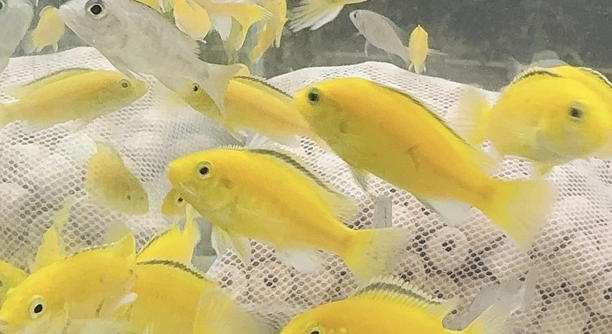
Do you ever notice your cichlids becoming less active and more withdrawn after changes to the tank lid? Many aquarium owners experience this issue without realizing how much the tank cover affects fish behavior.
Tank lid issues affect cichlid activity by disrupting light exposure, restricting oxygen exchange, increasing heat retention, and trapping excess moisture. Poor ventilation and improper fit create environmental instability, which leads to stress, reduced movement, and lower overall energy levels.
Small adjustments to tank lid setup can restore balance and help your cichlids feel calm, safe, and active.
Poor Ventilation and Oxygen Flow
When the tank lid does not allow enough airflow, the water surface becomes stagnant, and oxygen exchange slows down. I have noticed this can make cichlids seem tired and uninterested in swimming, even when water quality looks fine. A tightly sealed lid can trap humid air inside the tank, which changes the balance of gases at the surface. Over time, this can reduce the amount of dissolved oxygen available to the fish. Cichlids rely on stable oxygen levels to stay active and alert, and even small drops can affect their natural behavior. This kind of problem is often overlooked because it happens quietly and without obvious warning signs.
Low oxygen levels often lead to slow movement, hiding behavior, and reduced appetite in cichlids, which affects daily activity patterns.
Improving airflow under the tank lid made a noticeable difference in how my fish behaved. Simple changes like choosing a lid with built-in vents or slightly adjusting the lid position can help fresh air move across the water surface. This supports better gas exchange and keeps oxygen levels stable. It also reduces humidity buildup inside the tank, which can affect equipment over time. When ventilation improves, cichlids tend to swim more freely and interact with their environment more often.
Excess Light Blockage from Tank Covers
A tank lid that blocks too much light can make the aquarium feel dim and dull, which affects how active cichlids feel throughout the day.
When light levels are too low due to dark or poorly designed tank lids, cichlids can become sluggish and less visible. I have seen this happen when using thick plastic or tinted glass lids that reduce light penetration. Light helps regulate natural rhythms in fish, especially their feeding and resting patterns. Without consistent brightness, their internal sense of time becomes confused, which can lead to longer resting periods and reduced swimming activity. Algae and beneficial bacteria can also be affected, which slightly shifts the balance of the tank environment.
Switching to a clearer lid or improving lighting above the tank can restore normal behavior. Light should pass through evenly without harsh shadows or completely dark areas. A well-lit tank encourages natural movement and improves color vibrancy in cichlids. It also makes them feel more secure in their surroundings, which lowers stress. From my experience, stable lighting has a direct impact on how confident and energetic cichlids appear each day.
Poor Lid Fit and Vibration
A loose tank lid can vibrate whenever the filter runs or when someone walks by the aquarium. I have seen cichlids react by darting away suddenly and hiding near rocks or corners.
Constant vibration from an ill fitting lid creates a low level stress environment that affects daily movement. Small rattling sounds travel through the glass and water, which is more intense for fish than people often realize. When this happens, cichlids tend to stay near the bottom of the tank and avoid open areas. Their territorial behavior can also shift, making them less confident and more defensive. In my experience, even minor vibration can quietly change how active and comfortable they feel in their space.
Securing the lid tightly helps stabilize the environment and reduces unnecessary noise transfer. Adding soft pads under the lid or adjusting how it sits on the tank frame can help minimize movement. I found that once the lid sat firmly in place, the fish began swimming more openly and explored their habitat again. A stable lid also prevents accidental gaps, which supports both safety and consistent behavior.
Excess Heat Buildup Under the Lid
Tank lids that trap too much heat can slowly raise the water temperature without being immediately noticeable to the eye.
When excess heat builds up under the lid, water temperature can climb beyond a comfortable range for cichlids. I noticed that warmer water caused faster breathing and shorter bursts of swimming, followed by long periods of rest. Heat also reduces the amount of oxygen that water can hold, which adds another layer of stress. Over time, this combination can make fish appear lazy and uninterested in normal activity. A lid without proper heat release makes it harder to maintain a stable and healthy tank environment.
Allowing heat to escape is important for keeping steady conditions. Using lids with ventilation slots or switching to lighter materials can help manage heat buildup. I personally found that raising the light fixture slightly above the lid reduced water temperature and improved fish behavior. Small adjustments like monitoring temperature regularly and avoiding fully sealed covers can help maintain comfort and consistent movement patterns in cichlids.
Condensation Drip Stress
Water droplets forming under the tank lid can fall back into the tank in random patterns. I have noticed that sudden drips often startle cichlids and cause them to retreat into hiding spots.
Frequent dripping creates repeated disturbances that make fish feel unsafe in open water. Over time, this can reduce their normal swimming patterns and overall visible activity.
Reflections and Visual Confusion
Strong reflections from the underside of the tank lid can confuse cichlids and make them act defensively. I have seen them flare their fins and chase their own reflections when the lid surface was too glossy.
This visual confusion disrupts normal territorial behavior and increases stress within the tank. When fish repeatedly react to their own image, they waste energy and become less active in other areas of the aquarium. A reflective lid can also create a sense of constant movement in the environment, which makes it harder for cichlids to feel secure. I found that reducing glare helped calm the tank and restored more balanced swimming patterns.
Dust and Debris Falling Into the Tank
Dust buildup on tank lids can eventually fall back into the water and affect cleanliness. I noticed that this made my cichlids more cautious and less active.
Why do cichlids become less active when the tank lid is closed tightly?
When a tank lid is sealed too tightly, it limits fresh air from circulating above the water. I have seen this lead to lower oxygen levels and trapped heat, which both make cichlids feel uncomfortable. They often slow down their swimming and spend more time hiding or resting. A tight lid also keeps humidity locked in, which can affect how stable the environment feels to the fish. Over time, this setup can quietly reduce their natural energy levels. Small gaps for airflow usually make a noticeable difference in activity and comfort.
Can a glass tank lid make cichlids feel stressed?
A glass lid can create stress when it causes strong reflections or traps too much warmth. In my own tank, I noticed that very clear, glossy glass sometimes caused the fish to react as if another fish was present. This led to fin flaring and short, aggressive movements that drained their energy. Heat retention is another issue because glass holds warmth from aquarium lights. When water becomes slightly warmer than normal, cichlids often breathe faster and move less.
How does trapped moisture under the lid affect cichlid behavior?
Trapped moisture changes the air and surface balance inside the aquarium. I have noticed that when condensation builds up heavily, the inside of the tank feels stuffy and the water surface becomes less active. This can interfere with proper gas exchange. Cichlids tend to react by moving less and staying closer to hiding places. Over time, excess moisture can also affect equipment performance, like lights and filters, which indirectly affects how stable the environment feels to the fish.
Is a rattling tank lid really enough to bother cichlids?
Even small sounds and movements can feel very intense underwater. I have personally seen cichlids dart away when a loose lid vibrated from filter movement. The vibrations travel through the glass and water, creating a constant background disturbance. This makes fish feel alert all the time, which is tiring for them. When that happens, they often choose stillness and hiding over swimming in open areas. Fixing a loose lid often leads to calmer, more confident movement.
Does the color of the tank lid matter for cichlid activity?
The color and opacity of a tank lid can have a strong impact on how comfortable fish feel. Dark or tinted lids reduce light, which can make the tank feel like it is always in a low light condition. In my experience, this caused cichlids to treat daytime like resting time. They moved slowly and stayed less visible. Clear or lightly frosted lids tend to allow enough light while reducing harsh glare, which helps them feel more balanced and active.
How often should the tank lid be cleaned to avoid behavior changes?
Regular cleaning keeps dust, minerals, and water spots from building up. I try to clean my tank lid at least once a week because I noticed that debris falling back into the tank made my fish more cautious. When particles enter the water unexpectedly, cichlids can mistake them for threats or food, which disrupts their normal rhythm. A clean lid also allows better light penetration and reduces the chance of dripping condensation.
Can changing the tank lid really improve cichlid activity?
Changing or adjusting the tank lid can make a big difference. I have seen activity improve simply by switching to a lid with ventilation slots and a better fit. When conditions feel stable, cichlids become more confident swimmers and display more natural behaviors. They explore their environment more and interact with tank features instead of hiding. Simple changes often lead to visible improvements in their movement and overall energy.
Why do cichlids hide more when the tank lid fogs up?
Fogging creates uneven light and moving shadows inside the aquarium. I have noticed that when the lid fogs heavily, light becomes scattered and dim. This makes the environment feel unpredictable. Cichlids often respond to this by staying near rocks, caves, or plants. When visibility improves, their behavior often returns to normal as the environment feels calmer and more consistent.
Is it better to use a lid with built-in vents or a fully open top?
Both options can work, but I have found that a vented lid offers a good balance. A fully open top increases evaporation and can make temperature harder to control. Vented lids allow airflow while keeping humidity and heat from becoming excessive. This balance helps keep oxygen levels stable, which supports healthy activity. Cichlids seem more relaxed when the environment feels steady and predictable.
Can tank lid issues affect feeding behavior in cichlids?
Yes, feeding behavior often changes when tank conditions feel off. I have noticed that when heat, moisture, or vibrations were problems, my cichlids hesitated to come up for food. They ate less and more slowly. Once the lid issues were fixed, their feeding response became quicker and more confident. Stable surface conditions help them feel safe when swimming upward to feed, which supports consistent eating habits.
Final Thoughts
Tank lids play a bigger role in cichlid activity than many people expect. Small issues like poor airflow, trapped heat, excess moisture, and vibration can quietly change how fish behave each day. I have learned that even when water quality looks perfect, the space above the water can still affect comfort and movement. When the lid fits well and allows balanced light and air, the entire tank feels more stable. Fish respond to stable environments by becoming more active, swimming more freely, and showing more natural behavior. It is not about making large changes, but about paying attention to small details that shape the space they live in.
Consistency matters more than perfection when it comes to aquarium setup. A tank lid does not have to be expensive or advanced to be effective. It just needs to support steady conditions. I found that regular checks for condensation, fit, temperature, and cleanliness helped prevent sudden behavior changes. When the lid stays clean and secure, the environment feels predictable. Cichlids seem to relax when there are no sudden sounds, dripping water, or shifting shadows. Over time, these small improvements create a calm setting that allows their personalities and natural movement to show more clearly.
Taking care of the tank lid also reduces stress for the person caring for the aquarium. It becomes easier to spot changes early and fix them before they affect fish health. I feel more confident when the tank setup feels balanced and quiet. Watching cichlids move naturally through a stable tank brings a sense of calm and satisfaction. A simple, well managed lid supports both the visual beauty of the aquarium and the well being of the fish. With careful attention to these small elements, it becomes easier to maintain a healthy and peaceful aquatic space on a daily basis.

Hello,
If you enjoy the content that we create, please consider saying a "Thank You!" by leaving a tip.
Every little bit helps us continue crafting quality advice that supports the health, happiness, and well-being of pets around the world, for pets of all shapes, sizes, and species.
We really appreciate the kindness and support that you show us!