7 Breeding Behaviors to Watch in Discus Fish

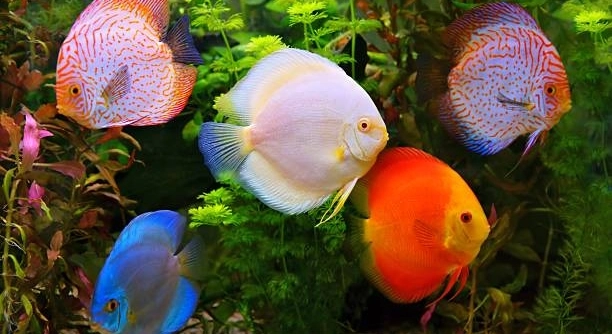
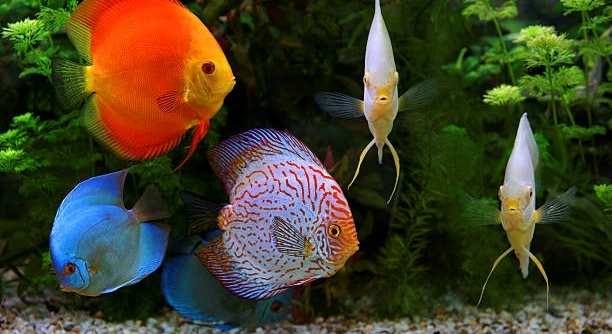
Discus fish are known for their vibrant colors and unique shape. Many aquarium enthusiasts enjoy keeping them, especially when they start to breed. Observing their breeding behaviors can be both fascinating and helpful for successful care. Seven key breeding behaviors in discus fish include courtship displays, spawning site preparation, egg laying, parental guarding, fanning of … Read more
7 Causes of White Slime on Discus Skin

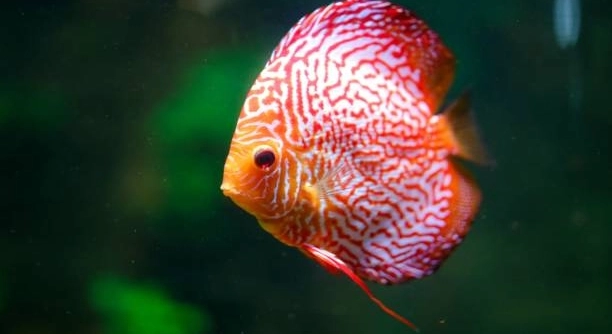
White slime on discus skin is a common concern for many aquarium enthusiasts. This unusual coating can affect the appearance and health of these beautiful fish. Understanding its causes is important for maintaining a healthy tank environment. White slime on discus skin is typically caused by a combination of bacterial infections, poor water quality, parasitic … Read more

7 Effects of Skipping Water Changes in Discus Tanks

Are your discus fish not thriving the way they used to, and you’ve been skipping a few water changes lately without realizing the impact? Skipping regular water changes in discus tanks leads to toxin buildup, unstable water conditions, and increased stress. Over time, these effects weaken their immune systems, making them more prone to disease … Read more

What to Do If One Discus Fish Becomes a Bully

Discus fish are known for their calm and peaceful nature in community tanks. Sometimes, however, one fish may start acting aggressively and bullying the others. This behavior can disrupt the harmony in your aquarium and affect the well-being of your fish. When a discus fish becomes a bully, it is important to identify the cause … Read more

7 Times to Avoid Touching the Discus Tank

Do you enjoy keeping discus fish but sometimes wonder when it is best to avoid touching the tank? Handling the tank at the wrong time can stress the fish or cause other problems. Knowing when to avoid contact is important for their well-being. Avoid touching the discus tank during feeding, water changes, illness, tank maintenance, … Read more

7 Good Tank Habits That Keep Discus Thriving

Keeping discus fish healthy requires consistent care and attention. These beautiful fish thrive best when their environment and habits are well managed. Proper tank maintenance plays a big role in their overall well-being. Maintaining good tank habits ensures discus fish remain healthy, active, and vibrant. Regular cleaning, stable water conditions, appropriate feeding, and monitoring fish … Read more

Do Discus Like Strong Filter Output?

Do you ever notice how discus fish behave around their tank filters? Many aquarists pay close attention to water flow and filtration when caring for these delicate fish. Maintaining the right environment is important for their health and comfort. Discus fish generally prefer moderate water flow rather than strong filter output. Excessive water movement can … Read more

Should You Feed Discus the Same on Weekends?

Are your discus fish getting the same meals every weekend without a second thought, even when your routine might shift a little? Feeding discus the same on weekends is generally fine, as long as their nutritional needs are consistently met. However, disruptions in routine or skipped feedings can lead to stress and potential health issues … Read more

How to Spot Dominance Issues Among Discus

Many discus keepers face challenges when their fish show signs of stress and aggression. Dominance issues can disrupt the peaceful environment that discus need to thrive. Recognizing these problems early helps maintain a healthy aquarium. Dominance issues among discus manifest through aggressive behaviors like chasing, nipping, and territorial disputes. These actions can cause stress, injury, … Read more

Can You Train Discus Fish? (Yes, and Here’s How)

Discus fish are popular for their bright colors and calm nature in home aquariums. Many aquarium enthusiasts enjoy watching their behavior and interactions. Training these fish can add another layer of enjoyment and connection. Yes, discus fish can be trained using consistent methods like target training and positive reinforcement. Their intelligence and social behavior allow … Read more