
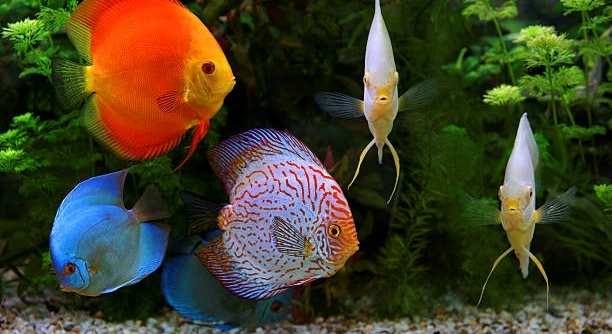
Keeping discus fish healthy requires consistent care and attention. These beautiful fish thrive best when their environment and habits are well managed. Proper tank maintenance plays a big role in their overall well-being.
Maintaining good tank habits ensures discus fish remain healthy, active, and vibrant. Regular cleaning, stable water conditions, appropriate feeding, and monitoring fish behavior are critical to preventing diseases and promoting long-term survival in captivity.
Learning these key habits will help you create the best environment for your discus to flourish and enjoy a longer, happier life.
Consistent Water Quality Monitoring
Maintaining stable water quality is essential for discus fish to thrive. Regular testing of pH, ammonia, nitrite, and nitrate levels helps keep the environment safe and healthy. Discus prefer slightly acidic to neutral water, with a pH around 6.0 to 7.0. Frequent water changes, about 20-30% weekly, remove toxins and replenish essential minerals. Temperature should be steady, ideally between 82°F and 86°F, as fluctuations can stress the fish. Avoid sudden changes in water parameters by adjusting slowly and carefully. Using a reliable water testing kit can make this task easier and more accurate. Keeping an eye on these conditions prevents illness and encourages natural behavior. Over time, these small habits build a stable environment where discus feel secure and comfortable. This consistency supports their vibrant colors and active swimming.
Monitoring water quality regularly is one of the simplest and most effective ways to maintain discus health. It helps catch problems early and ensures a balanced tank.
By paying close attention to water conditions, you reduce stress and promote a stronger immune system in your discus. A stable environment also supports beneficial bacteria that keep the tank ecosystem balanced. If water quality drops, discus can develop infections or lose appetite quickly. Regular water tests allow you to respond immediately to any changes. You can use water conditioners or filters to help maintain ideal conditions. Setting reminders for testing and water changes turns these tasks into easy habits. Over time, you’ll notice your discus becoming more energetic and showing brighter colors. This steady care builds a healthy home for your fish to thrive and reduces unexpected health issues.
Proper Feeding Practices
Feeding discus fish the right food in appropriate amounts keeps them healthy and active. Overfeeding can cause water pollution and lead to health problems. Discus require a balanced diet with proteins, vitamins, and minerals. High-quality flakes, pellets, frozen or live foods like bloodworms and brine shrimp work well. Feeding small amounts two to three times a day ensures they get enough nutrition without leftover waste. Observing how much your fish eat helps adjust portions to prevent overfeeding. Avoid feeding expired or low-quality foods, which may harm their digestive system. Maintaining a feeding schedule helps regulate their metabolism and growth.
Balanced feeding keeps discus energetic and helps maintain their vibrant appearance.
Proper feeding habits not only nourish discus but also maintain tank cleanliness. Uneaten food decomposes and can spike ammonia levels, harming your fish. Fresh, nutrient-rich food promotes healthy growth, strong immune systems, and beautiful coloration. Variety in diet prevents nutritional deficiencies. Feeding live or frozen foods stimulates natural hunting behaviors, reducing boredom. You may notice better social interaction and less aggression among tank mates with proper feeding. Consistent portions avoid obesity and digestive troubles. Watching their eating patterns also reveals health issues early. If discus stop eating or spit out food, it may signal illness or stress. By establishing good feeding routines, you support your discus’s overall well-being and enjoy watching them thrive for years.
Regular Tank Cleaning
Regular tank cleaning keeps the environment healthy for discus fish. Removing debris and changing water reduce harmful waste buildup, supporting stable water quality. A clean tank lowers disease risks and encourages active fish behavior.
Cleaning the tank includes partial water changes, scrubbing algae from surfaces, and vacuuming substrate to remove uneaten food and fish waste. It’s important not to clean everything at once to preserve beneficial bacteria. Using a siphon during water changes makes the process easier and more efficient. Aim to clean the tank every one to two weeks, depending on stocking levels and feeding habits. Consistency in cleaning supports a balanced ecosystem, which is key for discus health and longevity. Avoid using soaps or harsh chemicals, as these can be toxic to fish.
Regular maintenance also involves checking equipment like filters and heaters. Keeping these working well ensures proper water flow and temperature, which discus need. Replacing filter media on a schedule helps remove impurities while maintaining beneficial bacteria. Monitoring the tank visually for signs of excess algae or cloudy water can signal when extra cleaning is needed. Staying on top of these tasks keeps the tank safe and comfortable for discus to thrive.
Maintaining Stable Temperature
Discus fish require a stable temperature between 82°F and 86°F for optimal health. Sudden changes can cause stress, weaken their immune systems, and make them more prone to illness. Using a reliable heater with a thermostat is essential.
Keeping the temperature consistent reduces stress and promotes natural behavior. Temperature fluctuations can lead to decreased appetite and lethargy. Avoid placing the tank near windows or vents where temperature can vary. Monitoring with a thermometer ensures the environment stays within the safe range. Small adjustments should be made gradually to avoid shocking the fish. Proper temperature control supports digestion, breeding, and overall vitality. It also helps maintain beneficial bacteria in the filter system. A stable temperature creates a calm atmosphere, allowing discus to display their best colors and activity levels.
Avoid Overcrowding
Overcrowding in a discus tank causes stress and poor water quality. Giving each fish enough space helps reduce aggression and competition for resources. Proper stocking density supports healthy growth and behavior.
A spacious tank with fewer fish allows better oxygen circulation and reduces waste buildup. This creates a more stable environment, making it easier to maintain water quality.
Use Quality Filtration
Good filtration is key to keeping the tank clean and safe. Filters remove waste, toxins, and debris, improving water clarity and quality. Choosing the right filter type and size for your tank supports a healthy discus habitat.
Filters with biological, mechanical, and chemical media provide the best results. Biological filtration supports beneficial bacteria that break down harmful ammonia and nitrites. Mechanical filtration traps particles, and chemical media removes impurities. Maintaining and cleaning the filter regularly ensures it runs efficiently. A well-functioning filter reduces maintenance frequency and helps keep your discus comfortable and healthy.
Observe Behavior Daily
Watching your discus every day helps detect early signs of illness or stress. Early observation allows quick action to prevent bigger problems.
How often should I change the water in my discus tank?
Water changes should happen regularly, typically about 20-30% once a week. This helps remove harmful toxins like ammonia and nitrates that build up over time. Frequent changes keep water parameters stable and support your discus’s health. If your tank is heavily stocked or feeding is frequent, consider more frequent or larger water changes. Always use dechlorinated water and match the temperature and pH closely to the tank’s water to avoid stressing your fish.
What is the ideal tank size for discus fish?
A minimum of 50 gallons is recommended for a small group of discus, usually around 5-6 fish. Discus need plenty of swimming space and stable water conditions, which larger tanks provide. Overcrowding can cause stress, increase aggression, and quickly degrade water quality. Bigger tanks also make it easier to maintain consistent temperature and water chemistry, both critical for discus well-being.
What type of food is best for discus?
High-quality pellets or flakes formulated for discus are good staples. Supplement their diet with frozen or live foods like bloodworms, brine shrimp, and blackworms. These protein-rich foods help support their vibrant colors and growth. Feeding small amounts two to three times daily avoids leftover waste, which can pollute the tank. Variety in diet prevents nutritional deficiencies and keeps your discus interested in feeding.
How can I tell if my discus is stressed?
Signs of stress include hiding, loss of appetite, clamped fins, and faded coloration. Stress often results from poor water quality, sudden changes in temperature, overcrowding, or aggressive tank mates. If you notice these behaviors, test water parameters first and check tank conditions. Reducing stress quickly is important to prevent illness and help discus regain their normal behavior and colors.
Can I keep discus with other fish species?
Discus are peaceful but can be sensitive, so choose tank mates carefully. Good companions include small tetras, corydoras catfish, and peaceful dwarf cichlids. Avoid aggressive or fast-moving fish that may stress or outcompete discus for food. Compatibility depends on tank size, water parameters, and temperament. Always observe interactions closely, especially in the beginning.
How important is lighting in a discus tank?
Moderate lighting helps maintain a natural day-night cycle, which supports discus health. Too much bright light can cause stress and encourage algae growth. Using a timer to provide 8-10 hours of light daily creates consistency. Dim or indirect lighting mimics their natural habitat and encourages natural behavior. Proper lighting also enhances their colors, making them more vibrant.
What should I do if my discus gets sick?
Isolate sick fish immediately to prevent spreading disease. Test water quality and improve conditions if necessary. Common issues include parasites, bacterial infections, and poor water quality-related illnesses. Treatments depend on the diagnosis, so identify symptoms carefully. Quarantine new fish before adding them to the main tank. Keeping good tank hygiene and stable conditions is the best prevention.
How do I breed discus fish?
Breeding discus requires a mature, healthy pair and excellent water quality. Provide a flat surface for spawning, like a broad leaf or slate. Maintain a stable temperature around 82-86°F and slightly acidic water. Feed the breeding pair a rich diet to prepare them. After eggs are laid, parents will guard and fan them. Remove fry carefully once they start swimming freely. Breeding discus can be challenging but rewarding with patience and care.
Why does my discus lose color sometimes?
Color loss can be caused by stress, poor water quality, illness, or improper diet. It’s often an early warning sign that something in their environment needs adjustment. Improving water parameters, feeding a varied diet, and reducing stressors usually restores vibrant colors. Persistent fading may require medical treatment or tank changes.
Is it necessary to cycle a tank before adding discus?
Yes, cycling establishes beneficial bacteria that break down toxic ammonia and nitrites. Without cycling, water conditions can become harmful quickly, risking fish health. The process typically takes 4-6 weeks and involves monitoring water parameters until ammonia and nitrite levels drop to zero. Proper cycling creates a safe environment for discus and supports long-term tank stability.
Keeping discus fish healthy and thriving requires attention to several important habits. These habits may seem simple but have a big impact on the well-being of your fish. Consistent water quality monitoring, proper feeding, regular tank cleaning, and stable temperature all work together to create the best environment. Each of these factors plays a role in reducing stress and preventing common health problems. By developing a routine that includes these steps, you provide your discus with the care they need to stay active and colorful.
It’s important to remember that discus are sensitive fish that depend on their environment to be steady and clean. Small changes in water parameters or tank conditions can quickly affect their health. For example, sudden drops in temperature or poor water quality can lead to illness or even death. Keeping a close eye on your fish’s behavior and appearance helps catch problems early. Observing signs like changes in appetite, color, or activity allows you to react promptly. Early action often means easier treatment and better chances for your discus to recover fully.
Good tank habits don’t just benefit your discus; they make fishkeeping more enjoyable and less stressful. When the tank is well-maintained and conditions are stable, your discus will display natural behaviors and vibrant colors. This makes watching them more rewarding and encourages a stronger connection with your fish. While it takes some effort to build and maintain these habits, the results are worth it. A healthy, thriving discus tank brings satisfaction and a peaceful aquatic environment to your home.

Hello,
If you enjoy the content that we create, please consider saying a "Thank You!" by leaving a tip.
Every little bit helps us continue crafting quality advice that supports the health, happiness, and well-being of pets around the world, for pets of all shapes, sizes, and species.
We really appreciate the kindness and support that you show us!