
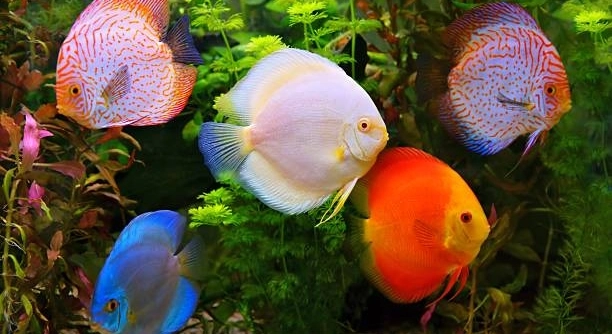
Discus fish are known for their calm and peaceful nature in community tanks. Sometimes, however, one fish may start acting aggressively and bullying the others. This behavior can disrupt the harmony in your aquarium and affect the well-being of your fish.
When a discus fish becomes a bully, it is important to identify the cause and take steps to restore balance. Adjusting the tank environment, providing sufficient space, and sometimes separating the aggressive fish can help reduce bullying and protect the other discus fish.
Understanding how to manage aggressive behavior in discus fish will help maintain a peaceful tank. This guide will explain what actions to take to keep your discus community happy and healthy.
Recognizing Bullying Behavior in Discus Fish
Bullying behavior in discus fish can be subtle at first but becomes clear over time. Signs include one fish chasing others aggressively, nipping at fins, or blocking access to food or hiding spots. This can lead to stress for the bullied fish, making them hide more or lose appetite. Stress also weakens their immune system, increasing the chance of illness. Watching your tank regularly helps catch bullying early. Sometimes bullying happens when the tank is too small or overcrowded, giving the dominant fish more control. Other times, it can be caused by stress or lack of hiding places. Knowing the triggers helps you manage the tank better. Make sure your discus have enough room and places to retreat. Keep an eye on their behavior to keep the peace and ensure all fish stay healthy and active.
Early detection is key to preventing long-term harm in your discus community.
Keeping your tank peaceful benefits the whole group, leading to healthier fish and a more enjoyable aquarium experience.
Adjusting the Tank Environment to Reduce Aggression
Changing the tank setup can lower aggression and bullying. Add more plants, decorations, or caves to create hiding spots and visual barriers. This helps bullied fish escape and reduces direct confrontations. Increasing tank size or rearranging decorations can disrupt territory boundaries that cause fights. Avoid sudden changes to keep fish comfortable. Make sure there is enough food for everyone to prevent competition. Feeding smaller amounts several times a day helps reduce stress during mealtime. Maintaining water quality is also important, as poor water can increase irritability. A stable and comfortable environment encourages calm behavior. Sometimes adding new fish slowly or in groups helps balance the social structure and prevents one fish from dominating. Regular monitoring allows you to see if changes work and adjust as needed for a peaceful tank.
Small changes can make a big difference in reducing bullying and improving your discus fish’s life.
Isolating the Bully Fish
Separating the aggressive discus can prevent harm to others. Use a quarantine tank or a divider inside the main tank to give the bully space to calm down. Isolation helps reduce stress for the other fish and stops the bullying behavior temporarily.
Isolation should not be permanent. Keep the bully separated for a few days or until its aggression decreases. During this time, monitor its behavior and health closely. Provide the same water conditions and food to keep it comfortable. After the cooling-off period, try reintroducing the fish slowly and watch for any signs of returning aggression. If the bullying continues, long-term separation or finding a new home for the aggressive fish might be necessary to protect the tank’s balance.
Always ensure the quarantine or isolation tank matches the main tank’s environment as much as possible. Proper acclimation reduces stress and helps the bully fish adjust when returning to the community.
Using Tank Mates to Balance Behavior
Choosing the right tank mates can reduce bullying by creating a balanced social environment. Adding calm, similarly sized fish can prevent one discus from dominating the space. Avoid overly aggressive or overly timid species to keep harmony.
When introducing new fish, choose peaceful species that won’t compete aggressively for food or territory. Introduce new tank mates gradually to allow discus time to adjust. Watch interactions carefully, especially during the first weeks, as social dynamics can shift. Balanced groups reduce the chance one fish becomes a bully. Adding more discus or compatible species can diffuse aggression by sharing attention and territory. Regular observation helps ensure all fish coexist peacefully. Adjusting tank mates over time may be needed to maintain stability. This helps create a calm aquarium environment where all fish thrive together.
Monitoring Water Quality
Maintaining clean, stable water is essential for reducing stress in discus fish. Poor water conditions can increase aggression and cause health problems. Regular testing and water changes help keep the environment healthy and calm.
Check parameters like pH, ammonia, nitrite, and nitrate levels weekly. Stable conditions make fish less prone to bullying behavior and improve overall tank harmony.
Feeding Practices to Prevent Aggression
Feeding discus fish small, frequent meals reduces competition and aggressive behavior. Spread food evenly across the tank so all fish get enough to eat. Overfeeding or underfeeding can cause stress and increase bullying.
Balanced nutrition supports health and keeps discus fish calm. Avoid large feeding sessions that trigger fights over food.
When to Consider Rehoming
If bullying persists despite efforts, rehoming the aggressive discus may be necessary. Protecting the rest of the tank’s community is the priority. Finding a better environment for the bully can improve everyone’s well-being.
FAQ
Why does one discus fish become a bully?
Aggression in discus fish can happen for several reasons. It often relates to stress caused by overcrowding, lack of hiding places, or poor water conditions. Sometimes, a dominant fish will try to control territory or food. Changes in tank setup or new fish introductions can also trigger bullying.
How can I tell if my discus fish is bullying others?
Signs include chasing, nipping at fins, or blocking other fish from food or hiding spots. The bullied fish may hide more, lose appetite, or show signs of stress like pale colors or rapid breathing. Watching the fish carefully over time helps identify bullying behavior early.
Is bullying common among discus fish?
Discus fish are generally peaceful, but bullying can happen, especially in small or crowded tanks. It is less common in well-maintained, spacious environments with enough hiding places. Preventing stress and maintaining good tank conditions reduce the chances of aggression.
Can bullying cause health problems in discus fish?
Yes. Stress from bullying weakens the immune system, making fish more prone to infections and diseases. Injuries from nipping can also lead to infections. Addressing bullying quickly helps keep all fish healthy.
How long should I isolate a bullying discus fish?
Isolation usually lasts a few days up to one week. This gives the aggressive fish time to calm down and reduces stress on the other fish. Observe the bully’s behavior before reintroducing it. If aggression returns, longer separation or rehoming may be necessary.
What is the best way to isolate a bully without stressing it?
Use a separate quarantine tank or a clear divider inside the main tank. Match water temperature, pH, and other conditions to the main tank. Feed the fish normally and keep the environment calm. Gradual reintroduction after isolation helps prevent shock.
How do I choose good tank mates to prevent bullying?
Select peaceful species that are similar in size to discus fish. Avoid overly aggressive or very shy species. Introducing new tank mates slowly allows discus fish to adjust and reduces stress. Balanced groups help spread out social attention and limit dominance.
Can changing the tank environment stop bullying?
Yes. Adding plants, decorations, or caves creates hiding places and breaks line of sight. This reduces direct confrontations. Rearranging decorations or increasing tank size can help dissolve established territories, lowering aggression.
Does feeding schedule affect bullying?
Feeding small amounts multiple times a day reduces competition and stress. When food is spread out evenly, all fish have a chance to eat. Overfeeding or feeding once a day can cause fights over food, increasing aggression.
When is rehoming the aggressive discus necessary?
If bullying continues despite environmental changes, isolation, and tank mate adjustments, rehoming may be the best option. Protecting the health and well-being of the other fish is important. Finding a suitable home where the aggressive fish can thrive benefits all involved.
Can medication help with aggressive behavior?
Medications generally do not affect behavior unless illness is involved. Treat health issues promptly, but aggression is usually best managed through tank conditions and social adjustments rather than drugs.
How often should I observe my discus tank for bullying?
Daily observation is ideal, especially after introducing new fish or making changes. Early detection allows for quick action before bullying causes harm. Keeping a routine check helps maintain a peaceful environment.
Are certain discus strains more aggressive?
There is no strong evidence that specific discus strains are more aggressive. Individual personality and environment play a larger role. Proper care and tank setup remain the best way to prevent bullying, regardless of strain.
What role does tank size play in bullying?
Smaller tanks increase territorial behavior because fish have limited space. Larger tanks give discus more room to establish personal areas and avoid conflicts. For discus, a minimum of 50 gallons is recommended for a small group to reduce aggression.
How can I reintroduce a previously aggressive fish safely?
After isolation, introduce the fish slowly using a divider or acclimation box. Watch for signs of aggression carefully. If bullying resumes, consider longer separation or permanent removal. Patience during reintroduction helps keep the group stable.
Is it normal for discus fish to establish a social hierarchy?
Yes. Like many fish, discus create a social order. Mild dominance is natural but should not involve constant bullying. If one fish becomes overly aggressive, it disrupts the group’s balance and needs intervention.
These answers cover common concerns and practical steps to manage bullying in discus fish. Taking timely action helps keep your aquarium peaceful and your fish healthy.
Final Thoughts
Dealing with a bully discus fish can be challenging, but it is manageable with the right approach. The first step is to recognize the behavior early and understand why it is happening. Stress, lack of space, or poor tank conditions often cause aggression. By paying attention to your fish and the tank environment, you can spot problems before they get worse. Taking action quickly helps protect all the fish in your aquarium and keeps them healthy.
Making changes to the tank setup is one of the best ways to reduce bullying. Adding plants, decorations, and hiding spots gives fish places to escape and feel safe. This reduces stress and helps keep the peace among discus fish. Proper feeding habits also play an important role. Feeding small amounts often and spreading food out ensures all fish get their share without fights. Keeping water clean and stable supports a calm environment, as poor water quality can make fish irritable.
If bullying continues despite your efforts, separating the aggressive fish can protect the others. Isolation should be temporary, giving the bully time to calm down. If problems persist, finding a new home for the aggressive discus might be the best solution. Remember, the goal is a healthy and balanced tank where all fish can thrive. With patience and attention, you can manage bullying behavior and create a peaceful aquarium for your discus fish.

Hello,
If you enjoy the content that we create, please consider saying a "Thank You!" by leaving a tip.
Every little bit helps us continue crafting quality advice that supports the health, happiness, and well-being of pets around the world, for pets of all shapes, sizes, and species.
We really appreciate the kindness and support that you show us!