
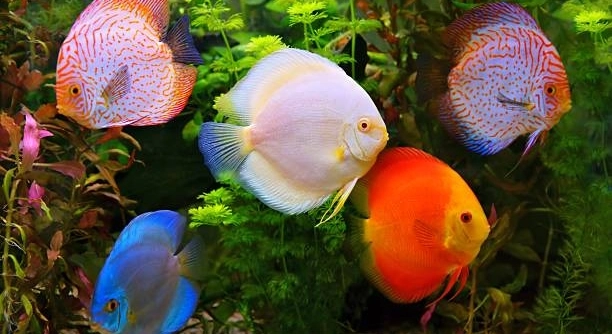
Many discus keepers face challenges when their fish show signs of stress and aggression. Dominance issues can disrupt the peaceful environment that discus need to thrive. Recognizing these problems early helps maintain a healthy aquarium.
Dominance issues among discus manifest through aggressive behaviors like chasing, nipping, and territorial disputes. These actions can cause stress, injury, and uneven feeding, ultimately affecting the overall well-being and growth of the fish in the tank.
Understanding how to spot dominance problems is essential for creating a balanced discus community and promoting harmony in your aquarium.
Recognizing Early Signs of Dominance in Discus
Dominance issues usually start subtly, making them easy to miss at first. You might notice one discus spending more time chasing others or claiming certain spots in the tank. These behaviors can include tail flicking, head-down postures, or rapid darting movements toward other fish. Often, dominant fish eat first and prevent others from accessing food. Over time, the less dominant discus may hide more or become less active, showing signs of stress like faded colors or clamped fins. Paying attention to these early signs allows you to take steps before the problem worsens. Sometimes rearranging the tank or adding hiding places can reduce tension. Observing fish regularly helps maintain a peaceful environment where all discus can thrive without constant conflict.
Dominance can affect the entire group if not addressed early. Balanced social behavior leads to healthier discus overall.
Adjusting the environment and monitoring interactions are key to controlling dominance and encouraging calmer group dynamics.
Common Triggers for Dominance Conflicts
Territorial behavior often triggers dominance conflicts in discus tanks. Discus naturally defend specific areas, especially during feeding or breeding times. Overcrowding increases stress and competition, making aggressive behavior more likely. Tank size and layout also influence dominance; small or poorly arranged tanks limit escape routes and personal space. Inconsistent feeding schedules or uneven food distribution can intensify fights, as dominant fish guard resources. Water quality and overall health impact behavior as well—stressed or sick discus are more vulnerable and less able to resist bullying. Understanding these triggers helps in creating a more peaceful environment. Proper tank management, such as providing enough space, hiding spots, and regular feeding routines, reduces the chances of dominance issues becoming severe or chronic.
Managing these factors carefully can promote harmony and better health among your discus.
How to Manage Dominance Among Discus
Creating enough space in the tank helps reduce fights. Providing plenty of hiding spots allows shy or submissive discus to avoid aggressive fish and feel safe.
Adjusting the tank layout can make a big difference. Rearranging decorations and plants breaks up sight lines, so dominant fish cannot easily target others. Hiding places like caves or tall plants give stressed fish a refuge. Increasing tank size or lowering the number of discus per tank reduces crowding and competition. Feeding several small meals instead of one big feeding also limits food guarding. These changes reduce tension and allow discus to settle into their own territories without constant battles.
Regular observation is important to catch new problems early. Sometimes removing the most aggressive discus is necessary to restore balance and keep the group healthy.
Signs That Indicate You May Need to Separate Fish
If aggressive behavior causes injuries or constant stress, separation is often needed. Fish that lose scales, show torn fins, or swim erratically are clearly affected. Submissive discus hiding most of the time or losing weight are also warning signs. Prolonged stress weakens their immune systems, making them prone to illness.
Separating aggressive discus into a quarantine tank or another aquarium stops immediate harm and helps the group recover. It is also useful during breeding, where pairs may fight rivals. Isolation gives the fish time to calm down and regain strength. After some time apart, they can sometimes be reintroduced carefully with less tension. Separation should be seen as a tool to protect all fish, not a punishment. Proper tank setup and monitoring reduce the need for separation but knowing when to act is key to maintaining a healthy discus community.
Adjusting Feeding to Reduce Aggression
Feeding smaller amounts multiple times a day helps prevent dominant fish from controlling all the food. Spread food evenly across the tank to give all discus a chance to eat.
Using sinking pellets or flakes allows shy fish to access food without competing directly with aggressive ones. This simple change can reduce tension during feeding times.
The Role of Water Quality in Behavior
Poor water quality increases stress, which can worsen aggressive behavior. Maintaining clean water with regular changes keeps discus healthy and calmer. Proper filtration and stable parameters reduce irritation and help all fish feel secure in their environment.
Using Tank Decorations to Create Boundaries
Plants, rocks, and driftwood act as natural barriers, helping discus establish separate territories. These boundaries reduce direct confrontations and provide hiding spots, encouraging peaceful coexistence.
Monitoring Behavior Daily
Watching your discus every day helps catch early signs of trouble. Early action prevents serious dominance issues before they affect the whole group.
How can I tell if dominance is affecting my discus’s health?
Dominance issues often lead to visible signs like torn fins, faded colors, or weight loss in less dominant fish. These discus may hide more and show less activity. Stress caused by bullying weakens their immune system, making them prone to infections and slower healing. If you notice these signs, it is important to observe interactions closely and act quickly to prevent further harm.
What should I do if one discus is overly aggressive?
If a discus is consistently aggressive, first try rearranging the tank to break up territories. Add more hiding spots or plants to give other fish refuge. Feed smaller amounts more frequently and spread food across the tank to reduce competition. If aggression continues, consider isolating the aggressive fish temporarily to calm the group. Reintroduce carefully after some time apart.
Can dominance issues stop once discus settle into the tank?
Sometimes, discus establish a stable social order over time, which reduces aggression. However, changes like new fish, breeding, or overcrowding can trigger new dominance conflicts. Regular monitoring and good tank management are necessary to keep peace long term.
How many discus should I keep together to avoid dominance problems?
A group of at least six discus tends to spread out aggression more evenly, preventing one fish from targeting others too much. Smaller groups increase the chance of bullying. Tank size should also be large enough to provide space and reduce stress.
Does tank size really affect dominance behavior?
Yes, smaller tanks limit space and increase competition for territory and food, making dominance fights more common. Larger tanks give discus room to establish separate areas and escape aggression. Aim for at least 50 gallons for a small group.
Will changing the water parameters help with dominance issues?
Stable, clean water reduces overall stress, which can lower aggressive behavior. While water parameters won’t stop dominance completely, poor water quality can make discus more irritable and prone to fights. Regular water changes and good filtration are essential.
Is it normal for discus to nip each other sometimes?
Some nipping can be part of normal social behavior to establish rank. However, frequent or severe biting that causes injury is a sign of dominance problems. Monitor how often it happens and whether fish recover quickly.
What types of hiding places work best to reduce aggression?
Tall plants, caves, and driftwood create natural boundaries and refuges. These help shy discus avoid aggressive ones and reduce stress. Make sure hiding spots are spread out evenly so all fish have access.
Can feeding different types of food reduce dominance issues?
Offering a variety of foods, including sinking pellets and flakes, can help shy discus eat without direct competition. This reduces food guarding by dominant fish and supports balanced nutrition for all.
When should I separate discus due to aggression?
Separate discus if injuries are severe, a fish is constantly stressed or hiding, or if bullying prevents some fish from eating. Use a quarantine or spare tank to isolate aggressive individuals until the group calms down. Separation is sometimes necessary to protect fish health.
How do I reintroduce separated discus safely?
Make sure water conditions match in both tanks before reintroduction. Reintroduce slowly, ideally by placing the isolated fish in a transparent divider inside the main tank first. Watch for renewed aggression and be ready to separate again if needed.
Can dominance problems affect breeding discus?
Yes, dominant fish may block others from breeding spots or stress out pairs. Sometimes breeders isolate pairs to avoid interference. Understanding social behavior helps create conditions that support healthy breeding.
What role does stress play in dominance behavior?
Stress lowers discus’s ability to resist bullying and can increase aggressive behavior. Reducing environmental stress through clean water, proper feeding, and hiding places helps keep dominance issues under control.
Are some discus more naturally aggressive than others?
Individual temperament varies. Some discus are naturally more assertive, while others are shy. Group dynamics often balance these differences but very aggressive fish can disrupt harmony and may need special attention.
How often should I observe my discus to catch dominance issues early?
Daily observation, even if just for a few minutes, is best. Early signs like chasing or hiding help you act before injuries or serious stress develop. Regular checks make it easier to keep the group peaceful.
When keeping discus, understanding and managing dominance issues is important for a healthy aquarium. These fish naturally form social hierarchies, but too much aggression can cause stress and injury. By watching their behavior carefully, you can spot signs of dominance problems early and take action. Simple changes like adding hiding spots, feeding smaller meals often, or rearranging the tank can help create a calmer environment. Taking these steps allows all your discus to thrive together without constant conflict.
Maintaining good water quality and proper tank size also plays a big role in reducing aggression. Discus are sensitive to their surroundings, and poor water conditions can make them more irritable. A clean tank with stable temperature and parameters keeps them healthy and less prone to fighting. Giving discus enough space to swim and establish their own territories lowers competition. Overcrowding is a common cause of dominance conflicts, so it is better to keep fewer fish in a larger tank than many in a small one.
Sometimes, despite all efforts, separating aggressive discus becomes necessary. Removing the most dominant fish temporarily gives the group time to settle down and recover. When reintroducing, watch closely to avoid renewed aggression. Every discus has a different personality, and some may be more prone to bullying others. Regular observation, proper tank management, and timely intervention are key to maintaining a peaceful discus community. With patience and care, you can enjoy a beautiful, balanced aquarium where your discus are happy and healthy.

Hello,
If you enjoy the content that we create, please consider saying a "Thank You!" by leaving a tip.
Every little bit helps us continue crafting quality advice that supports the health, happiness, and well-being of pets around the world, for pets of all shapes, sizes, and species.
We really appreciate the kindness and support that you show us!