Can You Mix Wild and Captive Discus Together?

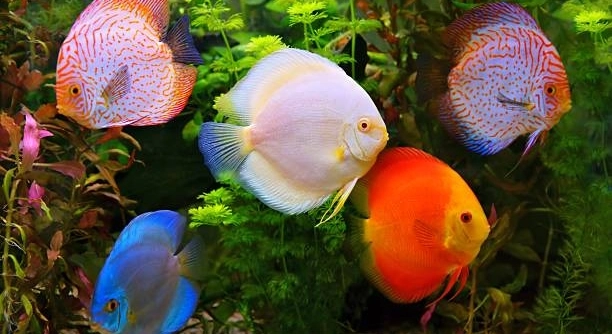
Wild and captive discus fish each have unique characteristics and care requirements. Many aquarium enthusiasts wonder about the possibility of mixing these two types in the same tank. Understanding their compatibility can help maintain a healthy aquatic environment. Mixing wild and captive discus together is generally not recommended due to differences in temperament, water parameter … Read more
Can Discus Fish Recover from Fin Damage?

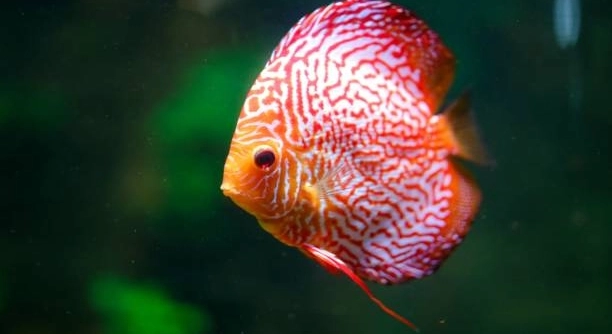
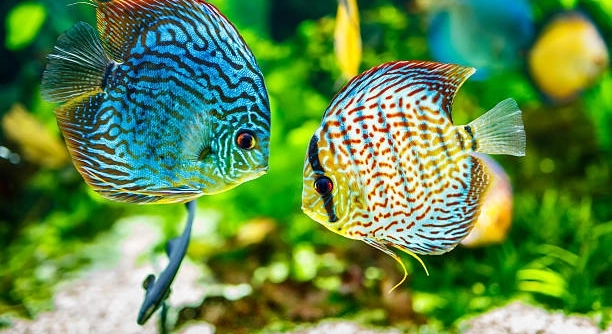
Discus fish are admired for their vibrant colors and graceful movements in home aquariums. Their delicate fins play a vital role in swimming and maintaining balance. Sometimes, these fins can get damaged due to accidents or health issues. Discus fish can recover from fin damage if given proper care and a suitable environment. Healing depends … Read more

What Triggers Spawning in Healthy Discus?

Have you ever watched your discus pair circling each other and wondered what truly sparks the start of their spawning behavior? Healthy discus begin spawning when specific conditions are met, including stable warm water temperatures, excellent water quality, a protein-rich diet, and a strong social bond between a male and female. These factors promote hormonal … Read more

Can You Use Tap Water with Discus Fish?

Keeping discus fish healthy requires attention to water quality and conditions. Many hobbyists wonder whether tap water is suitable for these delicate tropical fish. Proper care starts with understanding the water source and its impact on discus health. Tap water can be used for discus fish if properly treated and conditioned. Untreated tap water often … Read more

Are Discus Fish More Active at Night?

Do you ever find yourself watching your discus fish and wondering if they act differently once the lights go out at night? Discus fish are not naturally nocturnal, but they may appear more active at night due to changes in tank lighting, reduced external disturbances, or feeding routines. Their behavior can also vary based on … Read more

7 Things to Monitor After Transporting Discus

Have you ever brought home new discus fish and felt unsure about what to watch for after the move? Adjusting to a new environment can be stressful for these sensitive fish, and early signs matter. The key things to monitor after transporting discus are their color, appetite, behavior, breathing, tank temperature, water parameters, and signs … Read more

7 Triggers of Long-Term Discus Fatigue

Do you ever find yourself wondering why your discus fish seem tired or less active over time, even with proper care? Long-term discus fatigue is often caused by chronic exposure to poor water quality, insufficient tank size, nutritional imbalances, inadequate lighting cycles, stress from tank mates, inconsistent temperatures, and a lack of environmental enrichment. These … Read more

7 Breeding Behaviors That Are Easy to Miss

Many animals show behaviors during breeding that are subtle and easy to overlook. These actions often go unnoticed because they are quiet or happen quickly. Recognizing them can help us better understand animal communication and care. Breeding behaviors can be complex and varied, often involving subtle movements, sounds, or changes in appearance that are easily … Read more

7 Most Common Parasites in Discus Fish (+How to Treat)

Discus fish are beautiful and popular in home aquariums. However, they are prone to several common parasites that can affect their health. Knowing about these parasites helps in keeping your fish safe and healthy. The seven most common parasites in discus fish include external and internal types, such as Ich, Hexamita, and flukes. Proper identification … Read more

7 Tank Parameters Discus Are Sensitive To

Are your discus fish showing signs of stress or unusual behavior? Maintaining the right conditions in their tank is essential. Small changes in water quality can have a big impact on these sensitive tropical fish. Discus fish are highly sensitive to several tank parameters, including water temperature, pH level, hardness, ammonia, nitrite, nitrate, and oxygen … Read more