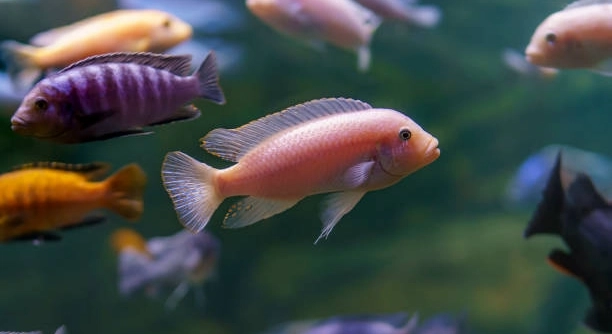
7 Ways to Tell a Cichlid Tank Is Unbalanced
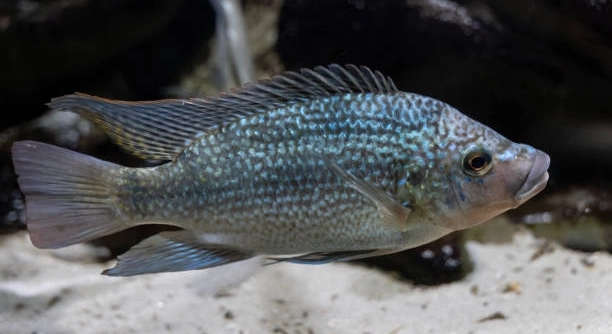
Have you ever noticed your cichlid tank feeling off, with fish behavior and water clarity changing over time, even with regular care and feeding routines staying mostly consistent at home for long term aquarium balance. The primary indicators of an unbalanced cichlid tank include persistent aggression, poor water quality, stressed coloration, uneven growth, and recurring … Read more
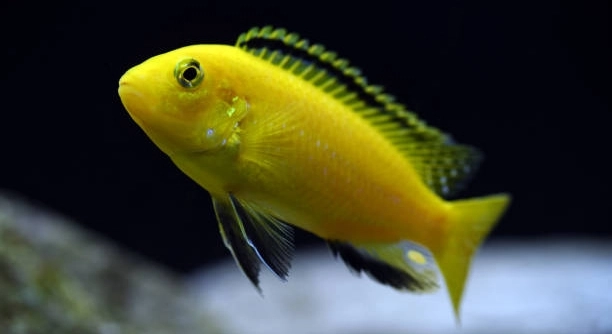
Are Convict Cichlids Sensitive to Water Changes?

Are your convict cichlids acting a little restless after a tank cleaning? Many aquarium owners notice small changes in their fish’s behavior when adjusting their water. Understanding their reactions can make maintenance much easier. Convict cichlids are moderately sensitive to water changes, especially large or sudden shifts in temperature, pH, or hardness. Gradual and consistent … Read more

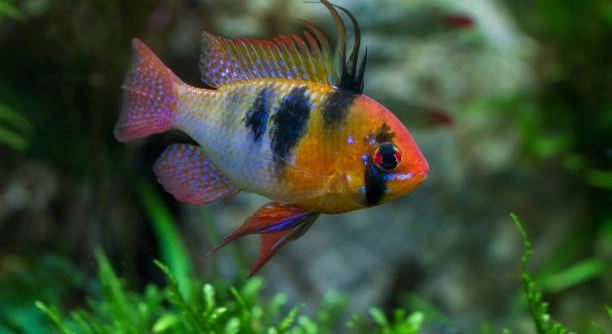
How Long Can Cichlid Eggs Go Without Parents?

Have you ever cared for cichlids and noticed their eggs scattered across the tank? Observing these tiny eggs can be both exciting and worrisome, especially when the parents leave them unattended for a while. Cichlid eggs can survive without parental care for about two to three days, depending on water conditions, temperature, and species. After … Read more

7 Easy Substrates for Convict Breeding

Keeping convict cichlids healthy and happy in a home aquarium often starts with the right environment. Choosing the proper substrate can make breeding easier and reduce stress for both adults and fry in the tank. The most suitable substrates for convict breeding include sand, fine gravel, bare bottom, clay-based soil, aquarium soil, crushed coral, and … Read more

7 Ways to Boost Your Convict Cichlid’s Health

Are your convict cichlids showing signs of stress or sluggish behavior? Maintaining their health requires consistent care, proper nutrition, and attention to water quality to ensure they thrive in a home aquarium environment. Boosting your convict cichlid’s health involves providing a balanced diet, maintaining optimal water conditions, offering enrichment, monitoring for disease, and ensuring proper … Read more

7 Things to Avoid Adding to Cichlid Tanks

Cichlid tanks can be both beautiful and delicate. Many hobbyists enjoy creating colorful aquariums but may not realize that certain additions can harm their fish and disrupt the tank’s natural balance. Adding inappropriate items to cichlid tanks can lead to stress, illness, and water quality issues. Objects that release toxins, alter pH, or create unsafe … Read more

7 Tips to Make Your Cichlid Tank Look Natural

Creating a natural-looking cichlid tank can transform your home aquarium into a vibrant underwater scene. Many hobbyists struggle with balancing decorations, plants, and substrate to make the tank feel realistic yet comfortable for their fish. To achieve a natural aesthetic in a cichlid tank, it is essential to combine appropriate substrate, rock formations, driftwood, and … Read more

Do Cichlids Recognize Their Reflections?

Have you ever noticed your cichlid staring at the glass of its tank, moving closer or flaring its fins? Many fish owners find themselves watching these moments and wondering what the fish really understands. Cichlids often react to their reflections as if they are encountering another fish. While they may show aggression, curiosity, or caution, … Read more

How Long Do Convict Cichlid Eggs Take to Hatch?

Have you ever watched your convict cichlids carefully, waiting for their eggs to hatch and grow into tiny fry? Observing these fascinating fish can be both relaxing and exciting, especially when anticipating new life in your tank. Convict cichlid eggs typically take about 3 to 5 days to hatch under normal water conditions. Maintaining a … Read more

7 Causes of Bullying in Cichlid Tanks

Many cichlid owners enjoy the lively behavior of these colorful fish. However, aggressive interactions can quickly disrupt harmony in the tank and make caring for them more challenging than expected. Bullying in cichlid tanks is usually caused by territorial disputes, overcrowding, incompatible species, stress, lack of hiding spaces, feeding competition, or environmental imbalances. Recognizing these … Read more