
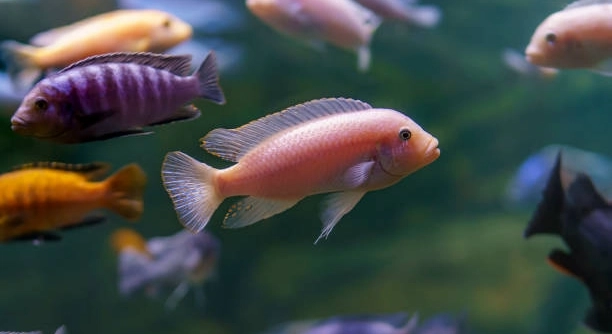
Have you ever watched your convict cichlids carefully, waiting for their eggs to hatch and grow into tiny fry? Observing these fascinating fish can be both relaxing and exciting, especially when anticipating new life in your tank.
Convict cichlid eggs typically take about 3 to 5 days to hatch under normal water conditions. Maintaining a stable temperature between 75 and 80°F and ensuring clean, oxygen-rich water supports healthy development during this period.
Knowing the right conditions for hatching can make all the difference in your cichlids’ survival and growth. Proper care during these first days sets the stage for strong and healthy fry.
Factors Affecting Egg Hatching Time
Water temperature is one of the most important factors influencing how quickly convict cichlid eggs hatch. Warmer water speeds up development, while cooler water slows it down. Consistent temperature is crucial, as fluctuations can stress the eggs and delay hatching. Another key factor is water quality. Clean, well-oxygenated water helps eggs develop properly and reduces the risk of fungus or infection. Parents often clean and fan the eggs, which improves oxygen flow and protects the clutch. Stress in the tank from aggressive tank mates or sudden movements can also impact hatching. Even the surface where eggs are laid matters; flat, secure surfaces like smooth rocks allow eggs to stay in place and develop evenly. Maintaining these conditions carefully increases the chances of all eggs hatching successfully and produces healthy fry ready to swim and feed in a few days.
Parental care significantly supports egg development and protects them from risks in the tank environment.
Monitoring daily changes in egg appearance and ensuring parents remain calm is essential. Removing debris and keeping water parameters stable creates an optimal environment. If eggs show signs of fungus, lightly aerating water or using safe antifungal treatments can save the clutch. Observing how parents fan and move the eggs provides insight into their health. Avoiding unnecessary disturbances, such as tank rearrangements or overfeeding, helps maintain stability. Lighting should be moderate; bright or fluctuating light can stress both parents and eggs. Tracking hatching progress allows timely interventions if needed. Small adjustments in temperature, water flow, or cleanliness can prevent losses. Ultimately, attentive care during these critical days sets the stage for successful fry development. Maintaining patience and consistency ensures the eggs develop evenly and hatch within the expected 3 to 5 days.
Caring for Newly Hatched Fry
Newly hatched fry are very tiny and require gentle care for survival.
Feeding should begin with fine food, such as infusoria or liquid fry food, transitioning to baby brine shrimp after a few days. Parents often guard and guide the fry, keeping them safe and helping them learn to swim. Fry are sensitive to water changes, so small, frequent changes are better than large ones. Temperature and water quality remain crucial at this stage; stable conditions reduce stress and encourage growth. Observing fry daily allows early detection of health issues. Keeping tank decorations minimal at this stage gives fry room to move freely and prevents them from getting trapped. Overcrowding can lead to competition for food, so separating some fry or providing more space ensures better survival. These steps help your convict cichlid fry grow strong and healthy in their first few weeks.
Recognizing Healthy Eggs
Healthy convict cichlid eggs are usually round and translucent, sometimes showing tiny eyes as they develop. Avoiding cloudy or fuzzy eggs is important, as these indicate fungus or poor water conditions that can harm the clutch.
Eggs should remain firmly attached to the surface where they were laid. Parents often fan them, keeping them clean and ensuring proper oxygen flow. Any sudden changes in color, such as yellowing or dark spots, may signal issues. Observing the eggs daily allows you to spot problems early and take action. Proper water parameters and gentle handling of the tank prevent unnecessary stress, giving eggs the best chance to hatch on schedule.
Maintaining a stable temperature, keeping water clean, and letting parents care for the eggs are key to successful hatching. Removing dead or infected eggs prevents contamination, protecting the healthy ones. Providing a quiet environment without sudden movements reduces stress, which supports normal development. Using smooth surfaces for egg attachment ensures eggs do not fall or get damaged. Consistent monitoring gives peace of mind and helps produce strong, healthy fry ready for the next stage.
Common Hatching Challenges
Temperature fluctuations or poor water quality often delay hatching or reduce survival rates for convict cichlid eggs. Parents may abandon eggs if stressed or threatened, leading to losses.
Eggs left in stagnant or low-oxygen water can develop fungus or fail to hatch. Overcrowded tanks increase stress for both parents and eggs, sometimes causing aggression or accidental damage to the clutch. Providing proper filtration, aeration, and a secure environment supports development. Observing parental behavior is critical; aggressive interactions with tank mates may require temporary separation. Removing debris or weak eggs prevents contamination, protecting the rest of the clutch. Adjusting water temperature gradually avoids shocking the eggs. Consistent care reduces these common problems and improves overall hatching success.
Monitoring Egg Development
Eggs gradually change color as they develop, often turning more opaque or showing small eyes. Tracking these changes helps identify healthy progress.
Keeping a close eye on daily development allows quick response if problems appear. Removing unhealthy eggs prevents contamination and supports the rest of the clutch.
Supporting Parents During Hatching
Convict cichlid parents invest a lot of energy in guarding and cleaning eggs. Giving them space and minimizing disturbances reduces stress and helps them care for their clutch effectively. Adequate food during this time ensures they have energy for fanning and protecting eggs.
When Fry First Appear
Once hatched, fry are tiny and delicate. They need calm, stable water conditions and minimal handling. Parents often guide and protect them, improving survival chances.
Feeding Newly Hatched Fry
Fry require very small, frequent meals, such as infusoria or liquid fry food, before moving on to baby brine shrimp. Consistent feeding supports healthy growth and strengthens their chances of reaching juvenile stages successfully.
FAQ
How long does it take for convict cichlid eggs to hatch?
Convict cichlid eggs generally hatch in about 3 to 5 days under stable water conditions. Water temperature, cleanliness, and oxygen levels play a big role in this timeline. Warmer water slightly speeds up hatching, while cooler water may extend the process. Consistent monitoring ensures eggs stay healthy during development.
What signs indicate that eggs are healthy?
Healthy eggs are round, translucent, and firmly attached to the surface. As they develop, small eyes may become visible. Parents often fan the eggs to keep them clean and provide oxygen. Eggs that remain intact, free from fungus, and show consistent color changes indicate good development.
Why are some eggs turning cloudy or fuzzy?
Cloudy or fuzzy eggs usually signal fungus or poor water quality. Stagnant water, low oxygen, or contamination from uneaten food can cause fungal growth. Removing affected eggs and maintaining clean water prevents the spread, protecting the remaining healthy eggs and increasing hatching success.
How important is parental care during hatching?
Parental care is very important for convict cichlid eggs. Parents clean, fan, and protect the eggs, ensuring proper oxygen flow and preventing fungus. Stress or disturbances in the tank may lead parents to abandon eggs, reducing survival rates. Providing a calm environment supports their natural care behaviors.
Do I need to remove eggs from the parents’ tank?
Removing eggs is usually unnecessary unless parents are aggressive or there are tank threats. In most cases, leaving eggs with attentive parents increases survival chances. If the parents appear stressed or eggs are at risk, a separate, controlled environment can be considered for hatching.
How often should I check the eggs?
Daily observation is recommended, but avoid touching or disturbing the eggs. Look for signs of fungus, color changes, or detachment. Minor adjustments in temperature, water flow, or cleaning can prevent problems. Over-handling eggs can stress parents and reduce the chance of successful hatching.
What should I do if eggs do not hatch on time?
If eggs are not hatching within 5–6 days, check water temperature and quality. Ensure oxygen levels are adequate and there are no signs of fungus or damage. Sometimes slightly cooler water slows hatching, so gradual adjustments may help. Persistent issues may require removing affected eggs to protect the healthy ones.
Can fry survive without parental care?
Fry can survive without parents if water quality is excellent and appropriate food is provided. Feeding very small meals, maintaining stable temperatures, and keeping them in a safe environment are crucial. However, parental care significantly increases survival rates, as parents protect fry from stress and guide them to food.
What is the best food for newly hatched fry?
Infusoria or liquid fry food is ideal for the first few days. After 3–5 days, baby brine shrimp can be introduced. Frequent, small feedings support growth. Clean water is necessary to prevent contamination from leftover food, which can harm fry and reduce survival rates.
How can I prevent fungus on eggs?
Maintain clean water and good oxygen levels. Removing dead or damaged eggs prevents fungus from spreading. Avoid overcrowding and minimize disturbances around the clutch. Parents naturally help prevent fungus by fanning and cleaning the eggs, so keeping them calm and stress-free supports this process.
How do I know when fry are ready to eat solid food?
Fry start eating baby brine shrimp or finely crushed flakes after a few days of consuming infusoria. Look for active swimming and interest in small particles. Gradually transition to larger food as they grow, while maintaining clean water to ensure healthy development.
Can temperature fluctuations harm eggs or fry?
Yes, sudden temperature changes can stress eggs and fry, slow development, or cause mortality. Keeping a stable range of 75–80°F is ideal. Gradual adjustments are safe, but rapid swings can harm delicate eggs and newly hatched fry. Consistent monitoring is essential to prevent temperature-related issues.
Is it normal for some eggs not to hatch?
Yes, some eggs may fail to develop or hatch despite optimal conditions. Factors include infertility, minor damage, or fungal infection. Removing these eggs helps prevent contamination of healthy eggs. This is a natural part of the process and does not usually indicate a problem with parental care or tank conditions.
How can I support parents while eggs hatch?
Provide calm, quiet surroundings and avoid frequent tank disturbances. Ensure parents have enough food and a secure space to protect the eggs. Proper lighting and stable water conditions reduce stress. Observing from a distance allows natural behaviors without interference, improving hatching success.
What are common mistakes during hatching?
Common mistakes include over-handling eggs, rapid water changes, overcrowding, and ignoring water quality. Stressing parents or leaving dead eggs in the tank can reduce survival rates. Maintaining a stable environment, cleaning carefully, and monitoring daily prevent these issues and ensure healthy fry development.
How long should fry stay with parents?
Fry typically stay with parents for several weeks, during which they learn to swim and feed. Parents continue to protect them from threats. After a few weeks, fry can gradually be introduced to larger tank areas or separated if needed, depending on tank size and space.
Can I speed up hatching by adjusting water conditions?
Slightly warmer temperatures may speed up hatching, but drastic changes can harm eggs. Maintaining stable, ideal conditions is safer. Proper oxygen levels, clean water, and calm surroundings are more effective than trying to accelerate hatching artificially. Natural timing usually produces healthier fry.
What should I do if parents eat their eggs?
Egg cannibalism can happen if parents are stressed, hungry, or feel threatened. Ensure proper food supply, reduce disturbances, and provide hiding spaces. In extreme cases, transferring eggs to a separate hatching tank may protect them, but careful observation is necessary to avoid further stress.
How can I tell the difference between dead and healthy eggs?
Dead eggs often appear cloudy, white, or fuzzy and may detach from surfaces. Healthy eggs remain round, translucent, and sometimes show visible eyes as they develop. Removing dead eggs promptly prevents contamination of the rest of the clutch.
Do I need special equipment for hatching eggs?
Basic aquarium equipment like a heater, filter, and stable lighting is usually sufficient. Extra aeration or a breeding trap can help if parents are aggressive. Most importantly, maintain clean, stable water conditions to support egg development and fry survival.
How often should I clean the tank during hatching?
Frequent, small water changes are better than large ones. Avoid disturbing eggs or fry while cleaning. Removing debris and dead eggs keeps water safe, but aggressive cleaning can stress parents and reduce hatching success. Monitor conditions and make gentle adjustments as needed.
What is the survival rate for convict cichlid eggs?
Survival rates vary based on water quality, parental care, and tank conditions. With proper care, most healthy eggs hatch successfully, and fry grow strong. Some losses are normal due to natural factors, but consistent monitoring and good practices improve overall survival.
Can I breed convict cichlids in a community tank?
Breeding in a community tank is possible but more challenging. Eggs and fry may be at risk from other fish. Providing hiding spots, stable conditions, and attentive parental care increases the chance of successful hatching, but dedicated breeding tanks often produce better results.
How soon do fry start swimming freely?
Fry usually become free-swimming within 3–5 days after hatching. Parents may continue guiding and protecting them, but they begin to explore the tank and start feeding on infusoria or similar tiny food. Observing their swimming helps gauge health and readiness for feeding.
What is the best way to transition fry to larger food?
Start with very small live or frozen food, gradually increasing size as fry grow. Introducing baby brine shrimp or finely crushed flakes over several days ensures smooth adaptation. Consistent feeding and clean water support growth and reduce stress during this transition.
How do I prevent overcrowding as fry grow?
Monitor fry numbers and tank space. If necessary, separate some fry into another tank or larger area. Overcrowding leads to competition for food and increased stress. Adequate space, proper feeding, and careful observation help maintain healthy growth for all fry.
Can water chemistry affect hatching success?
Yes, pH, hardness, and overall water quality impact egg development. Maintaining stable parameters within the species’ preferred range prevents stress and improves survival. Sudden changes can harm eggs or fry, so gradual adjustments and consistent monitoring are essential for successful hatching.
How long do parents guard the fry?
Parents typically guard fry for several weeks, keeping them safe from threats and guiding them to food. Once fry are strong enough to swim and feed independently, parental protection gradually decreases. Observing this natural behavior helps determine when fry can be moved or introduced to larger spaces.
What is the ideal tank size for hatching and raising fry?
A small, secure tank with enough space for parents to guard eggs and fry is ideal. As fry grow, more space is needed to reduce stress and prevent overcrowding. Proper tank size supports healthy development and allows parents to protect and guide the fry effectively.
Can lighting affect egg development?
Moderate, stable lighting supports normal behavior for parents and eggs. Sudden or intense lighting may stress parents or fry. Avoid frequent changes in lighting intensity to maintain calm conditions, which helps eggs develop evenly and increases hatching success.
Should I remove parents after fry hatch?
In most cases, parents should remain to protect fry for the first few weeks. Only consider removing them if they show aggression or threaten the fry. Parents provide guidance, protection, and help teach fry to feed, improving survival rates.
Is it normal for fry to scatter after hatching?
Yes, fry often disperse slightly as they begin swimming and exploring. Parents usually keep them within a safe area, guiding them to food and protecting them from threats. Scattering is natural behavior and part of normal development.
How do I handle sudden water contamination during hatching?
Immediately remove affected water or eggs if contaminated. Perform gentle water changes and maintain aeration. Avoid stressing parents or fry further, and monitor closely to ensure survival. Quick, careful action minimizes harm and preserves the remaining healthy eggs or fry.
What are the most common mistakes with newly hatched fry?
Common mistakes include overfeeding, poor water quality, overcrowding, and disturbing fry too frequently. Fry are sensitive, and careful monitoring, stable conditions, and proper feeding practices are essential. Avoiding these mistakes ensures healthy growth and reduces stress during early development.
Can I breed multiple pairs in the same tank?
Multiple pairs can breed in the same tank, but aggression and competition increase. Each pair may need separate territories or hiding spaces to prevent conflicts. Careful monitoring is necessary to protect eggs and fry from adults or other pairs.
Do fry need hiding places immediately?
Yes, even tiny fry benefit from gentle hiding spots. Plants, small decorations, or shallow areas give them protection from sudden disturbances or accidental parent movements. These spaces help reduce stress and improve survival.
How long before fry can eat adult fish food?
Fry can gradually transition to crushed or finely powdered adult food after a few weeks. Start with tiny amounts to prevent choking or contamination. Consistent feeding and clean water during this period ensure proper growth and development.
Can I reuse hatching surfaces for future eggs?
Yes, after thoroughly cleaning and disinfecting, surfaces can be reused. Removing all debris, fungus, and residue ensures a safe environment for new eggs. Smooth, flat surfaces work best for attachment and even development.
Is it necessary to separate sick fry from healthy ones?
Yes, separating sick fry prevents disease from spreading. Maintain clean water, monitor for signs of illness, and provide proper nutrition to improve recovery chances. Early intervention protects the rest of the fry and ensures overall survival.
How does tank size impact egg and fry survival?
Adequate space reduces stress and prevents overcrowding, allowing parents to guard eggs and fry effectively. Larger areas help fry grow, feed, and explore safely. Insufficient space increases aggression, competition, and mortality, while appropriate tank size supports healthy development for both eggs and fry.
What is the best way to introduce new food to fry?
Introduce small, live or powdered food gradually. Observe how fry respond and adjust portions accordingly. Frequent, tiny feedings with clean water ensure fry receive nutrition without contaminating the tank. Gradual transitions prevent stress and promote healthy growth.
Can water flow affect egg development?
Yes, gentle water flow helps oxygenate eggs and prevents debris from settling. Too strong a current can dislodge eggs, while stagnant water reduces oxygen levels. Balanced flow supports healthy development and improves hatching success.
How can I tell if fry are healthy?
Healthy fry are active, swim steadily, and respond to food. They should appear transparent to slightly colored, depending on age, and show consistent growth. Lethargy, discoloration, or failure to feed indicates stress or illness, requiring attention to water conditions and nutrition.
Is it normal for parents to eat some fry?
Yes, sometimes parents eat weak or sick fry. Providing adequate food, space, and calm conditions reduces this behavior. Occasional losses are natural, but attentive care minimizes risk and supports overall survival of healthy fry.
How do I prepare a tank for the next breeding cycle?
Clean and disinfect surfaces, remove debris, and ensure stable water parameters. Adjust temperature, maintain moderate lighting, and provide smooth attachment areas for eggs. Preparing a calm, secure environment improves chances for successful hatching in the next cycle.
Can I breed convict cichlids year-round?
Yes, with stable water conditions, proper nutrition, and attentive care, convict cichlids can breed multiple times per year. Maintaining ideal temperature, oxygenation, and parental support ensures successful egg development and fry survival consistently.
What role does water hardness play in hatching?
Moderate hardness supports egg development and parental health. Extremely soft or hard water may stress parents or eggs, slowing development or reducing survival. Maintaining consistent hardness within recommended levels helps ensure healthy growth and hatching success.
How long do I wait before moving fry to a larger tank?
Wait until fry are strong, swimming freely, and feeding independently, usually several weeks. Gradual acclimation to a larger tank reduces stress. Ensure adequate hiding spots and proper water conditions to maintain healthy growth during the transition.
Can I use filters while eggs hatch?
Yes, but avoid strong currents that may dislodge eggs or fry. Sponge filters are ideal, providing gentle filtration and aeration. Maintaining clean, oxygen-rich water without disturbing eggs supports healthy development and hatching success.
How do I manage multiple clutches in one tank?
Provide separate territories or hiding spaces for each clutch. Monitor parental behavior to prevent aggression. Careful observation and stable conditions help ensure each clutch develops safely without interference. Avoid overcrowding to maintain survival rates.
What is the best way to remove dead eggs?
Use a small net or tweezers gently, avoiding contact with healthy eggs. Removing dead eggs prevents fungus from spreading and protects the remaining clutch. Perform this task carefully to minimize stress on parents and fry.
Can I hatch eggs in a separate tank?
Yes, if parents are aggressive, stressed, or eggs are at risk, transferring them to a controlled hatching tank can help. Maintain stable temperature, clean water, and gentle aeration. Observe closely to ensure development and hatching success.
Do lighting cycles affect fry growth?
Moderate, consistent lighting supports natural feeding and activity patterns. Sudden or extreme changes can stress fry or parents, slowing development. Stable light conditions help fry grow steadily and allow parents to care effectively.
How often should I feed fry in the first week?
Feed small amounts multiple times a day, ensuring food is consumed quickly. Overfeeding can pollute water and harm fry. Frequent, tiny meals support rapid growth and help fry develop strong swimming and feeding skills.
Can overcrowding affect parental care?
Yes, overcrowded tanks increase stress, leading to less attentive parenting. Aggression or competition may damage eggs or fry. Providing enough space allows parents to care for their clutch effectively and ensures higher survival rates.
Is it normal for eggs to take longer than 5 days to hatch?
Slightly longer hatching may occur due to cooler temperatures or minor stress. Consistently low water quality or unstable conditions can also delay development. Maintaining optimal parameters usually keeps hatching within the 3–5 day range.
Can I use medications during hatching?
Only use fish-safe treatments approved for eggs or fry. Avoid harsh chemicals that may harm development. Gentle antifungal or antibacterial treatments can help if fungus or infection is present, but careful monitoring is essential to prevent damage.
How do I prevent fry from being eaten by other fish?
Use breeding traps, separate tanks, or provide dense plant cover. Keep fry away from aggressive or larger fish. Parents can protect fry, but physical barriers or safe zones further reduce risk and improve survival chances.
What water parameters are ideal for hatching?
Stable temperature (75–80°F), moderate hardness, neutral to slightly alkaline pH, and good oxygenation create optimal conditions. Avoid rapid fluctuations. Consistent, clean water supports healthy egg development and fry survival.
How do I tell when eggs are ready to hatch?
Eggs develop visible eyes and darken slightly before hatching. Fanning by parents increases as hatching approaches. Observing movement within eggs or slight detachment from the surface can indicate readiness, usually within 3–5 days.
Can I feed parents differently during hatching?
Provide easily digestible, nutritious food in small amounts to support energy-intensive behaviors like fanning and guarding. Adequate nutrition helps parents maintain care without stress, improving survival rates for eggs and fry.
What are the first signs of fry growth?
Fry begin swimming, feeding, and showing slight color changes. Activity increases over days as they strengthen and learn to find food. Consistent water quality, proper feeding, and protection from stressors support healthy growth.
How do I prevent fungus from spreading to fry?
Remove dead eggs immediately, maintain clean water, and avoid overcrowding. Gentle aeration helps oxygenate water. Parents naturally prevent fungus, but minimizing stress and contamination is essential to protect fry.
Can I breed multiple pairs successfully in one tank?
Yes, with enough space, hiding spots, and monitoring. Separate territories reduce aggression. Proper care ensures each pair can protect their eggs and fry without interference. Observing interactions helps prevent conflicts and supports survival.
What temperature is too high for eggs?
Temperatures above 82–84°F can stress eggs and parents, leading to reduced hatching success. Maintaining stable, moderate temperatures within 75–80°F is safer and ensures normal development.
What should I do if parents abandon eggs?
Remove eggs to a separate, controlled tank with stable temperature and clean water. Gentle aeration and monitoring increase survival chances. Providing optimal conditions can help develop eggs even without parental care.
**Is it
Convict cichlids are remarkable fish to watch, especially during breeding and hatching. Their eggs are small and delicate, requiring careful attention to water quality, temperature, and tank conditions. Observing the gradual development of eggs can be satisfying, as you can see them change from tiny, translucent spheres into tiny fry ready to swim. Maintaining stable water conditions is essential, as even slight fluctuations can affect hatching times and the health of the fry. Clean water, proper oxygenation, and consistent temperature help eggs develop normally and reduce the risk of fungus or other problems. Paying attention to these details ensures that the eggs have the best chance of reaching maturity and that the parents can care for them effectively without unnecessary stress.
Parental care plays a significant role in the survival of convict cichlid eggs and fry. The adults naturally fan, clean, and guard their eggs, which increases the survival rate and protects them from environmental threats. Providing a calm, secure environment with minimal disturbances allows parents to focus on caring for their clutch. Even small changes in the tank, such as sudden movements, overcrowding, or overfeeding, can stress the parents and affect their behavior. Observing how the parents interact with the eggs and later with the fry gives valuable insight into their health and the development of the young. While it may take some patience, allowing parents to perform these natural behaviors is often more effective than interfering. Supporting them with good nutrition and stable conditions contributes to stronger, healthier fry.
Once the fry hatch, they remain fragile and need careful management to grow properly. They require frequent, small feedings of appropriate food such as infusoria or baby brine shrimp before moving to larger foods as they grow. Water quality must remain stable, and overcrowding should be avoided to reduce stress and prevent competition for food. Creating a safe environment for fry includes providing gentle water flow, hiding spaces, and monitoring for any signs of illness or unusual behavior. While the process of breeding and raising convict cichlids requires attention to detail, it is very rewarding to see the fry grow into healthy juveniles. By keeping conditions stable, supporting the parents, and monitoring development carefully, the eggs and fry are more likely to thrive, giving a sense of accomplishment and satisfaction to anyone maintaining a convict cichlid tank.

Hello,
If you enjoy the content that we create, please consider saying a "Thank You!" by leaving a tip.
Every little bit helps us continue crafting quality advice that supports the health, happiness, and well-being of pets around the world, for pets of all shapes, sizes, and species.
We really appreciate the kindness and support that you show us!