
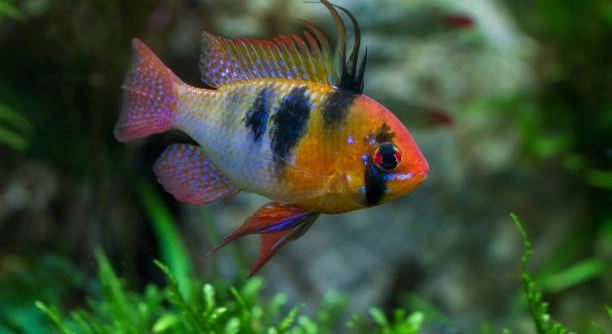
Have you ever noticed your cichlid staring at the glass of its tank, moving closer or flaring its fins? Many fish owners find themselves watching these moments and wondering what the fish really understands.
Cichlids often react to their reflections as if they are encountering another fish. While they may show aggression, curiosity, or caution, research indicates they do not possess true self-recognition and interpret the reflection as a separate individual.
Observing these behaviors can reveal interesting aspects of cichlid instincts and interactions in their environment.
How Cichlids Respond to Their Reflection
When I first noticed my cichlid facing the tank glass, I thought it was staring at me. Over time, I realized these fish often interpret their reflection as another fish in their territory. They may flare their fins, chase the “intruder,” or swim aggressively around the tank. Some cichlids show curiosity, circling and observing quietly, while others seem stressed by the presence of a reflection. The behavior varies depending on species, age, and personality. Young cichlids are often more reactive, displaying intense aggression toward their reflection, while older fish may become indifferent after repeated exposure. Providing hiding spots, proper tank size, and keeping reflections minimal can reduce stress. Some owners even notice cichlids attempting to interact socially with the reflection, which highlights how instinct drives their behavior rather than recognition. Over time, observing these reactions can teach you a lot about their temperament and natural instincts.
Cichlids mainly respond to reflections as though they are real rivals or companions, not as themselves.
Reflection-induced behaviors reveal their territorial instincts and social tendencies, showing aggression, curiosity, or avoidance depending on the individual and environment.
Signs of Stress from Mirror Encounters
Frequent attacks on a reflection can indicate stress in your cichlid.
Stress from seeing its reflection can affect health, appetite, and overall behavior. Cichlids may pace the tank, lose color, or hide more often. Prolonged exposure may lead to exhaustion or aggression toward tank mates. Minimizing reflective surfaces helps maintain a calm environment.
Observing your fish closely can help you notice subtle signs of stress. Some cichlids may tap the glass repeatedly or flare excessively, while others retreat and reduce movement. Stress impacts not just behavior but also immune function, making fish more vulnerable to illness. Adjusting lighting, adding plants or decorations, and covering reflective areas can create a more comfortable habitat. Understanding that their reactions are instinctive rather than self-aware allows you to manage their environment effectively. By reducing reflections and monitoring responses, you encourage healthier, calmer fish, making daily care easier and more rewarding.
Preventing Reflection Stress
Covering one side of the tank can reduce the frequency of reflection encounters. Simple measures like placing a background or moving the tank slightly help cichlids feel less exposed and more secure in their environment.
Reflections often trigger territorial aggression in cichlids. I noticed my fish repeatedly flaring at its own reflection, which seemed exhausting. By adding a tank background and rearranging decorations, the fish spent more time exploring and resting. Plants, rocks, and hiding spots break up reflective surfaces and create safer areas. Even partial coverage of the tank glass can significantly lower aggressive displays. Small adjustments can prevent constant stress without altering the tank setup drastically.
In addition to backgrounds, adjusting lighting can minimize reflections. Bright light can intensify glare, making reflections more noticeable. Dimming the tank slightly or positioning it away from windows helps. I also found that reducing sudden movements around the tank prevents the fish from reacting aggressively. Consistent observation allows you to see which areas of the tank cause the most reaction, letting you make practical changes to improve comfort and reduce stress.
Encouraging Healthy Behavior
Providing enrichment inside the tank keeps cichlids occupied and less focused on their reflection. Toys, rocks, and plants offer stimulation and safe spaces.
Interactive elements can redirect attention from reflections. I noticed my cichlid exploring new caves and climbing over rocks instead of attacking the glass. Regular rearrangement of decorations keeps the environment fresh and encourages natural behaviors like foraging, exploring, and social interaction. Even simple objects like smooth stones or floating logs offer novelty. Feeding routines can also be adjusted to stimulate activity, such as scattering food instead of placing it in a single spot. Over time, the fish becomes more engaged with its habitat and less likely to fixate on mirrored surfaces, leading to calmer behavior.
Understanding Aggressive Displays
Cichlids flare their fins, open their mouths, and charge at reflections. These actions are instinctive responses to perceived rivals in their territory.
Repeated aggression toward reflections can tire the fish. Observing these patterns helps identify stress and signals when adjustments to the tank setup are needed.
Managing Tank Environment
Rearranging decorations and adding hiding spots reduces aggressive encounters. I noticed my cichlid calmed down significantly when rocks and plants blocked reflective areas. Providing secure spaces lets them feel in control of their environment. Small changes in layout can have a major impact on their behavior and well-being.
Observing Long-Term Behavior
Tracking your cichlid over time shows which strategies work. Consistency in tank setup and lighting helps maintain calmer, healthier fish.
FAQ
Do cichlids ever recognize themselves in a mirror?
From my experience and what research shows, cichlids do not truly recognize themselves. They react to reflections as though another fish has entered their territory. This instinctive behavior is tied to aggression and curiosity, not self-awareness. Even repeated exposure does not lead to self-recognition, only habituation over time.
Why does my cichlid attack its reflection so aggressively?
Aggression toward reflections is usually territorial. I watched my cichlid flare and charge at its mirror image repeatedly. This behavior is instinctual, meant to warn intruders away. Smaller or younger cichlids are often more reactive, while older fish may show mild interest or ignore the reflection after repeated encounters.
Can reflections cause stress in cichlids?
Yes, reflections can be stressful if the fish constantly perceives a rival. My cichlid became restless and flared more often when facing bright tank glass. Stress may reduce appetite, cause hiding, or affect color. Minimizing reflections and adding hiding spots significantly reduced these stress behaviors in my tank.
How can I reduce my cichlid’s reaction to reflections?
I found that covering one side of the tank or adding a background helps. Rearranging decorations, adding rocks, plants, or caves creates visual barriers. Even adjusting lighting can reduce glare and reflections. Partial coverage and gradual environmental changes allow the fish to feel secure without disrupting its routine.
Do all cichlids respond the same way to reflections?
Not exactly. Behavior depends on species, age, and personality. Some species are naturally more aggressive, while others are calmer. Young fish often react more intensely. Observing your fish individually helps determine how it responds and which environmental adjustments are most effective for calming it.
Is it okay to leave a mirror in the tank for enrichment?
Using mirrors occasionally can stimulate activity, but it must be done carefully. I occasionally introduced a small mirror for a few minutes to encourage exploration, then removed it. Prolonged exposure may lead to constant aggression, exhaustion, or stress, so timing and supervision are key.
Why does my cichlid sometimes seem curious rather than aggressive?
Cichlids display both curiosity and aggression depending on mood or environment. I noticed my fish circling the reflection quietly at times, investigating rather than attacking. This shows instinctive caution and social assessment rather than recognition. Interest may vary daily, depending on energy or environmental factors.
Can reflections affect interactions with other fish?
Yes, aggressive behavior toward reflections can spill over to other tank mates. My cichlid occasionally redirected its aggression toward other fish after mirror exposure. Reducing reflective surfaces and providing separate hiding spaces for each fish helps maintain peaceful cohabitation.
Will my cichlid calm down over time when facing reflections?
Often, yes. Habituation occurs when the fish realizes the reflection does not pose a real threat. I noticed my cichlid gradually spent less time flaring at the glass after repeated exposure. Habituation varies by individual and species, but creating a safe, enriched environment speeds up this adjustment.
Are there signs that my cichlid is too stressed by reflections?
Restlessness, constant fin flaring, hiding, loss of appetite, and dull colors are common indicators. I learned to monitor these signs closely. If observed, immediate adjustments—such as covering reflective surfaces, adding decorations, or reducing light glare—help the fish regain comfort and normal behavior.
Can young cichlids learn from reflections?
While they don’t recognize themselves, young cichlids use reflections to practice territorial behaviors. I saw my juvenile fish respond aggressively, which may help develop instincts. These experiences are natural but should be monitored to prevent excessive stress or injury from repeated flaring.
Is mirror exposure the same for all tank setups?
Tank size, lighting, and decoration affect reflection intensity. Smaller, bare tanks increase visibility of reflections, leading to more aggressive responses. I found that adding rocks, plants, and adjusting lighting in my tank reduced constant engagement with reflections, making the fish calmer and more interactive with its environment.
Do cichlids remember mirror encounters?
They seem to remember repeated stimuli but not in a self-aware sense. My cichlid would initially flare aggressively at reflections but gradually reduced response over time, showing habituation. Memory helps them recognize a non-threatening reflection, but it does not indicate self-recognition or conscious awareness.
How long should I monitor my cichlid when testing changes?
I observed my fish daily for at least two weeks after adjustments. Changes in aggression, color, and activity indicate whether the new environment reduces stress. Gradual observation allows you to fine-tune tank setup and ensure the fish is comfortable without sudden disturbances.
Are some cichlid species more sensitive to reflections?
Yes. Aggressive species like African cichlids often react intensely, while others may show mild interest. My observation showed that sensitive or territorial species benefit most from covered or decorated tanks to prevent constant stress and maintain healthier, calmer behavior patterns.
What is the best long-term approach to reflections?
Consistency and environmental enrichment are key. I maintained a stable tank layout, added plants, rocks, and hiding spaces, and minimized glare. Occasional monitoring and minor rearrangements kept the cichlid engaged without unnecessary stress, allowing natural behaviors while preventing harmful reactions to reflections.
Final Thoughts
Observing cichlids interact with their reflections can be both interesting and informative. These fish naturally respond to reflections as if another fish has entered their territory. They may flare their fins, chase, or swim around aggressively, depending on their personality and species. Over time, repeated exposure often leads to habituation, meaning the fish gradually becomes less reactive. I noticed this with my own cichlid; initially, it spent long periods flaring and charging at the glass. After a few days of careful observation and adjustments to the tank, the fish began spending more time exploring decorations and hiding spots rather than focusing on the reflection. This shows that cichlids are guided primarily by instinct and environmental cues rather than self-recognition.
Managing reflections is important for maintaining a calm and healthy environment. Simple adjustments, like covering part of the tank, adding plants or rocks, and rearranging decorations, can significantly reduce aggressive behavior. Lighting also plays a role, as bright light can increase glare and make reflections more noticeable. I found that reducing direct light and adding hiding places allowed my fish to feel more secure, which led to calmer behavior. Stress from constant reflection exposure can impact appetite, coloration, and overall health, so it’s important to take proactive steps. By observing behavior carefully and making gradual changes, you can ensure your cichlid remains comfortable and active. Even small changes in the tank setup, like moving a rock or adding a background, can make a noticeable difference in how the fish responds to its surroundings.
Understanding cichlid behavior helps provide better care and a more engaging environment. Their reactions to reflections show territorial instincts, curiosity, and natural social behavior. By paying attention to these patterns, you can identify stress signs, prevent excessive aggression, and create a more balanced habitat. Consistency in tank layout, regular observation, and environmental enrichment all contribute to a healthier, calmer fish. Over time, these adjustments allow cichlids to thrive, interact naturally with their surroundings, and display behaviors that are closer to what they would exhibit in nature. Caring for them in this way not only improves their well-being but also makes keeping them more rewarding and enjoyable. Watching them explore, interact with decorations, and settle into a calm routine highlights the importance of thoughtful tank management and attention to detail in maintaining their health and happiness.

Hello,
If you enjoy the content that we create, please consider saying a "Thank You!" by leaving a tip.
Every little bit helps us continue crafting quality advice that supports the health, happiness, and well-being of pets around the world, for pets of all shapes, sizes, and species.
We really appreciate the kindness and support that you show us!