
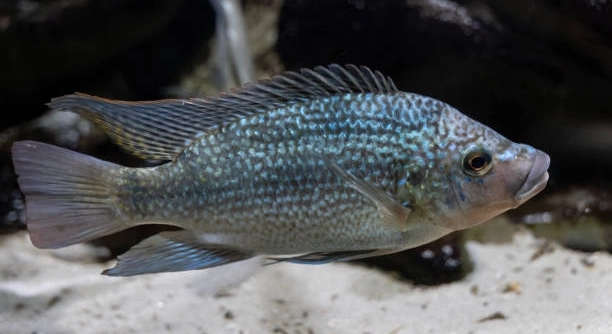
Creating a natural-looking cichlid tank can transform your home aquarium into a vibrant underwater scene. Many hobbyists struggle with balancing decorations, plants, and substrate to make the tank feel realistic yet comfortable for their fish.
To achieve a natural aesthetic in a cichlid tank, it is essential to combine appropriate substrate, rock formations, driftwood, and live plants while maintaining proper water conditions. Thoughtful arrangement enhances both visual appeal and fish well-being.
Following simple guidelines can help you create an environment that both you and your cichlids will enjoy observing every day.
Choosing the Right Substrate
Selecting the right substrate is crucial for creating a natural cichlid tank. Sand and fine gravel are ideal choices because they mimic the lakebeds where many cichlids live. Sand allows fish to dig, which is a natural behavior, while gravel provides stability for decorations and plants. Avoid sharp or coarse materials that could injure your fish. Layering different substrates can also create a more dynamic and natural look. It is important to rinse all substrate thoroughly before adding it to the tank to remove dust and debris that can cloud the water. Consider the color and texture as well, aiming for shades that resemble the fish’s natural environment. Substrate depth matters; cichlids often like to dig, so provide at least two to three inches. Adding a slight slope can create visual interest and help water circulation. Combining aesthetics with functionality ensures your fish feel comfortable while the tank remains visually appealing.
A natural substrate supports both plant growth and fish health, creating a balanced, visually appealing base for the tank.
Proper substrate choice not only enhances the appearance but also encourages natural behavior in cichlids. Fish that can dig, hide, and explore feel less stressed and are healthier overall. Matching substrate to the species you keep ensures compatibility and helps maintain stable water parameters. Layering sand with gravel or mixing small pebbles creates a more authentic look while supporting plants. A carefully chosen substrate forms the foundation for arranging rocks, wood, and plants, making the tank feel cohesive. Attention to texture and color helps highlight your fish’s natural beauty and contributes to a calmer, more realistic environment. Substrate depth and slope affect both aesthetics and fish activity, supporting natural digging and territorial behavior. Properly maintained, the substrate also aids biological filtration by providing a habitat for beneficial bacteria, contributing to a healthier tank. Overall, substrate selection is a fundamental step in achieving a natural, functional, and visually pleasing cichlid aquarium.
Arranging Rocks and Driftwood
Rocks and driftwood create hiding spots and mimic natural habitats. Choose pieces that are smooth and stable to avoid accidents.
Positioning rocks strategically can form caves or territories, enhancing fish comfort and reducing stress. Always ensure heavy items are secure to prevent toppling.
Arranging rocks and driftwood requires planning. Larger pieces should be placed first to establish a stable base, then smaller elements can be added to create depth and variety. Grouping items in odd numbers often looks more natural. Consider leaving open swimming spaces between decorations to avoid overcrowding. Driftwood can provide a surface for beneficial bacteria and attach plants like Anubias or Java fern, integrating functionality with aesthetics. Avoid materials that alter water chemistry excessively unless your cichlids require it. Regular inspection of the tank ensures that nothing shifts over time, preventing injury to fish. Combining rocks and wood not only enhances the natural feel but also supports behavioral enrichment, letting cichlids explore, hide, and establish territories. Over time, this arrangement becomes the centerpiece of the tank, promoting a healthy and engaging environment for both fish and aquascaping enjoyment.
Selecting Live Plants
Live plants help make a cichlid tank appear more natural and provide shelter. Choose hardy species that can tolerate cichlids’ digging behavior, such as Anubias, Java fern, and Vallisneria. Avoid delicate plants that may be uprooted easily.
Plant placement should balance open swimming areas with dense foliage. Anchoring plants in substrate or attaching them to rocks and driftwood can prevent them from being dislodged. Tall plants at the back and shorter ones in the front create depth. Grouping plants in clusters rather than scattering them randomly gives a more authentic, organized appearance. Plants also improve water quality by absorbing nitrates, which benefits both the fish and the tank ecosystem. Proper lighting ensures growth and vibrancy, keeping leaves healthy and colors strong. Combining different textures and shades of green enhances visual interest and complements the natural layout of rocks and driftwood, reinforcing a cohesive natural environment.
Plants not only improve the look of the tank but also reduce stress in cichlids by offering hiding spots. Healthy foliage can absorb excess nutrients, help maintain water quality, and create a more dynamic ecosystem. Choosing species suited for your water conditions ensures longevity and minimal maintenance. Grouping plants strategically allows fish to explore while maintaining clear swimming paths. Over time, plant growth integrates with the aquascape, softening edges of rocks and driftwood. This combination of practical and aesthetic benefits makes live plants an essential component for creating a natural cichlid environment.
Controlling Lighting
Proper lighting enhances plant growth and highlights fish colors. Avoid overly bright lights that may stress cichlids or encourage algae growth.
Use a timer to maintain a consistent day-night cycle, ideally eight to ten hours of light. Adjustable lighting allows flexibility for plant needs and aesthetic goals.
Lighting affects both plants and fish behavior. Cichlids are sensitive to sudden changes in brightness, so gradual transitions help reduce stress. LED lights are energy-efficient and can simulate natural sunlight, enhancing the tank’s visual appeal. Positioning lights to minimize glare on the water surface prevents fish from becoming agitated. Consider the type of plants you’ve chosen, as some require moderate to high light levels while others thrive in low-light conditions. Color temperature also influences plant photosynthesis and fish appearance. Combining proper intensity, duration, and placement ensures a balanced environment, promoting healthy plant growth and vibrant, active cichlids.
Maintaining Water Quality
Consistent water quality keeps your cichlid tank healthy and natural-looking. Regular testing for pH, ammonia, nitrites, and nitrates ensures a safe environment. Water changes of 20–30% weekly help maintain stability and clarity.
Filtration is key. Use a filter appropriate for tank size and bioload. Clean filter media gently to avoid harming beneficial bacteria.
Adding Natural Decorations
Natural decorations like rocks, driftwood, and plants create hiding spots and define territories. Smooth textures prevent injuries, while varied shapes add visual interest. Combine elements thoughtfully to mimic natural cichlid habitats without overcrowding. Proper arrangement supports fish behavior and overall tank balance.
Avoiding Overcrowding
Too many fish make a tank look chaotic and stress the cichlids. Stick to recommended stocking levels for your tank size.
FAQ
How often should I change the water in my cichlid tank?
Regular water changes are essential for a healthy tank. A 20–30% water change weekly helps maintain water quality, reduces nitrate buildup, and prevents harmful conditions. Consistent partial changes are better than infrequent large ones, which can stress fish and disrupt beneficial bacteria.
What substrate is best for cichlids?
Sand and fine gravel are ideal. Sand allows natural digging behavior, while gravel provides stability for decorations and plants. Avoid sharp or rough substrates that can injure fish. Layering different textures and colors can create a more natural appearance while supporting plant roots.
Can I use artificial plants instead of live ones?
Artificial plants are low-maintenance but do not provide the benefits of live plants, such as nitrate absorption and hiding spots. If using artificial plants, choose soft, smooth varieties to avoid damaging fins, and combine them with rocks or driftwood to make the tank look natural.
How should I arrange rocks and driftwood?
Place large pieces first to form a stable base, then add smaller elements. Grouping items in odd numbers looks more natural. Create caves, hiding spots, and open swimming areas to reduce stress and mimic natural habitats. Make sure heavy decorations are secure to prevent accidents.
What lighting is best for a natural-looking tank?
LED lights are efficient and enhance fish colors. Maintain a consistent day-night cycle of eight to ten hours using a timer. Adjust brightness to prevent stress and algae growth, and match lighting to plant needs. Gradual transitions help cichlids acclimate and reduce sudden stress.
How many cichlids can I keep in my tank?
Avoid overcrowding by following recommended stocking levels for your tank size. Too many fish cause stress, aggression, and poor water quality. Leave enough space for swimming, territories, and hiding spots. Overcrowding can lead to illness and disrupt the natural look of the tank.
Do I need to test water parameters regularly?
Yes, monitoring pH, ammonia, nitrites, and nitrates is essential. Regular testing allows you to detect issues early and make adjustments before fish are stressed or plants suffer. Maintaining stable water conditions is key to a healthy, natural-looking tank.
How do I prevent algae growth?
Control lighting duration and intensity, avoid overfeeding, and maintain regular water changes. Live plants help compete with algae for nutrients. If algae appear, remove excess manually and consider adding algae-eating species that are compatible with your cichlids.
Can cichlids live with other species?
Compatibility depends on species temperament and tank size. Some cichlids are territorial and aggressive. Research each species carefully, provide enough hiding spaces, and avoid mixing overly aggressive fish to maintain a peaceful, natural environment.
How do I make the tank look more natural?
Combine substrate, rocks, driftwood, and plants thoughtfully. Group decorations, leave open swimming areas, and layer plants by height. Use varied textures and shades to mimic natural habitats. Lighting and water clarity also enhance the overall appearance, creating a calm, realistic environment for your cichlids.
What maintenance steps keep the tank looking natural?
Regular water changes, substrate cleaning, plant trimming, and decoration adjustments are essential. Check for displaced rocks or uprooted plants. Maintaining lighting schedules and monitoring water quality ensures plants and fish thrive, keeping the tank visually appealing and balanced over time.
Are there any plants that cichlids won’t uproot?
Hardy species like Anubias, Java fern, and Vallisneria are more likely to stay anchored. Attaching plants to rocks or driftwood helps prevent uprooting. Fast-growing species can tolerate digging behavior while still providing natural cover for your fish.
How important is water temperature?
Water temperature affects fish health, metabolism, and behavior. Most cichlids thrive between 75–82°F (24–28°C). Maintaining a stable temperature prevents stress and supports natural activity levels, ensuring both fish and plants remain healthy and active.
Can decorations affect water chemistry?
Yes, some rocks and driftwood can alter pH and hardness. Test new materials before adding them to the tank. Choosing neutral or species-appropriate decorations helps maintain stable water parameters while enhancing the natural look.
What is the easiest way to create depth in the tank?
Place taller plants or decorations at the back, medium ones in the middle, and shorter items at the front. Layering substrate slightly and grouping decorations in clusters adds visual interest and mimics natural aquatic environments. Depth makes the tank feel more realistic and spacious.
How can I encourage natural behavior in my cichlids?
Provide caves, plants, and open swimming areas. A well-arranged substrate allows digging and territory establishment. Proper lighting, temperature, and compatible tankmates also reduce stress and encourage natural social interactions, feeding, and exploration.
What should I do if a plant dies?
Remove dead or decaying plant material promptly to prevent water quality issues. Replace with a hardy species suited to your tank conditions. Regular trimming and care help prevent future losses and maintain the natural appearance of the aquarium.
How often should I clean decorations?
Clean rocks and driftwood as needed when algae or debris accumulate. Avoid harsh chemicals; a gentle scrub with tank water is sufficient. Regular cleaning keeps decorations looking natural and ensures they do not negatively impact water quality or fish health.
Can I mix different types of substrate?
Yes, combining sand with gravel or small pebbles creates a natural look and supports plant growth. Layering different textures also provides areas for digging and foraging, enriching the environment for cichlids while enhancing visual depth.
How do I prevent stress in cichlids?
Stable water parameters, proper stocking levels, secure hiding spots, and consistent lighting reduce stress. Avoid sudden changes in the tank and monitor fish behavior regularly. Stress-free cichlids display more natural behavior and maintain vibrant colors, contributing to a natural, lively tank environment.
Are there any lighting tricks to enhance fish colors?
Choose full-spectrum LED lights that highlight natural colors. Adjust intensity to avoid glare, and maintain a consistent day-night cycle. Positioning lights strategically reduces shadows and emphasizes vibrant patterns, making the tank look more vivid and realistic.
How important is plant variety?
Using multiple plant species with different heights, textures, and shades adds visual interest and mimics natural habitats. Variety also supports biological balance by providing shelter, oxygenation, and nitrate absorption, benefiting both fish and the overall ecosystem of the tank.
Can I rearrange decorations after initial setup?
Yes, but do so gradually to reduce stress. Move items carefully to maintain stability and avoid injuring fish. Rearranging can refresh the tank’s appearance, create new territories, and stimulate natural exploration without disrupting established plants or fish routines.
What common mistakes should I avoid?
Overcrowding, improper substrate, neglecting water quality, and insufficient hiding spots are frequent issues. Overfeeding and poor lighting can also harm plants and fish. Following proper setup and maintenance routines prevents these problems and helps maintain a natural, balanced tank.
How can I tell if my tank looks natural enough?
Observe fish behavior and tank balance. If fish use hiding spots, swim freely, and display natural colors, the environment is functional and visually appealing. A mix of substrate, plants, and decorations that resembles a natural habitat usually indicates success.
How do I balance aesthetics with functionality?
Prioritize fish well-being while arranging plants, rocks, and driftwood. Ensure open swimming spaces, proper hiding spots, and plant health. Functional layouts support natural behavior while still achieving a visually appealing, realistic cichlid tank.
Can I create a biotope tank?
Yes, replicating a specific lake or river habitat requires careful selection of substrate, plants, decorations, and water parameters. This approach enhances the natural look and provides an environment that closely matches the fish’s original ecosystem.
Are there quick fixes for a dull-looking tank?
Trim overgrown plants, clean decorations, and adjust lighting. Adding contrasting plant species or repositioning rocks can instantly improve depth and visual interest. Regular maintenance ensures the tank remains vibrant and natural over time.
What’s the best way to introduce new fish or plants?
Acclimate slowly to avoid shock. Float bags in the tank for temperature adjustment, then gradually mix tank water. Monitor new additions closely to ensure they adapt without affecting water quality or existing inhabitants.
How do I prevent substrate compaction?
Stir the substrate gently during cleaning or add plants with strong root systems. Compaction reduces water circulation and plant growth. Maintaining loose substrate helps fish dig naturally and supports beneficial bacteria, keeping the tank healthy.
Is filtration enough to maintain a natural tank?
Filtration supports water clarity and biological balance but is not enough alone. Combine with regular water changes, substrate cleaning, and plant maintenance to achieve a truly natural and healthy environment for cichlids.
How can I reduce aggression among cichlids?
Provide sufficient hiding spaces, establish territories, and avoid overcrowding. Proper tank layout with caves, plants, and open areas allows fish to coexist peacefully, reducing stress and supporting natural behavior.
Can I use rocks from outdoors?
Only use rocks that are safe for aquariums. Test them for pH changes and clean thoroughly. Avoid rocks that leach harmful minerals or chemicals. Aquarium-safe rocks ensure stability and a natural appearance without compromising water quality.
How do I maintain plant health in a cichlid tank?
Regular trimming, proper lighting, and nutrient balance are key. Anchoring plants to rocks or driftwood prevents uprooting. Monitor for algae and remove dead leaves promptly to maintain healthy growth and a natural, attractive tank.
Are there benefits to a slightly messy tank?
A little substrate disturbance and uneven plant growth mimic natural habitats. Fish can explore, dig, and establish territories, creating a lively, dynamic tank while still looking organized and natural.
What are the easiest ways to add depth and texture?
Vary plant height, layer substrate, and group decorations. Using a mix of smooth and rough surfaces, as well as light and dark shades, enhances visual depth and creates a realistic, engaging environment.
How important is regular observation?
Monitoring fish behavior, plant growth, and water quality allows early detection of issues. Consistent observation ensures the tank remains healthy, natural, and visually appealing over time.
Can I combine different cichlid species?
Yes, if species are compatible. Consider temperament, size, and territorial behavior. Provide enough hiding spots and space to minimize aggression while maintaining a natural, harmonious environment.
What’s the role of hiding spots?
Caves, driftwood, and dense plants reduce stress, allow natural behavior, and help establish territories. Properly placed hiding spots make fish feel secure and contribute to a realistic tank layout.
How do I prevent water cloudiness?
Regular water changes, substrate rinsing, and appropriate filtration maintain clarity. Avoid overfeeding, remove debris promptly, and monitor plant health. Clear water highlights the natural look of the tank and keeps fish healthy.
How can I make the tank appear fuller without adding more fish?
Use varied plants, rocks, and driftwood to create visual density. Layering elements and grouping decorations adds depth, making the tank look lively and natural without overcrowding fish.
Is it necessary to trim plants?
Yes, trimming promotes healthy growth, prevents overcrowding, and maintains a natural appearance. Regular pruning encourages strong roots and prevents plants from blocking swimming areas or lighting.
How do I safely clean the tank glass?
Use an aquarium-safe scraper or pad to remove algae and debris. Avoid chemicals that can harm fish or plants. Clean regularly to maintain clarity and showcase the tank’s natural beauty.
Can I use fertilizers in a cichlid tank?
Yes, but choose plant-safe fertilizers that do not harm fish. Monitor nutrient levels to prevent algae growth. Fertilizers support healthy plant growth, enhancing both the visual appeal and ecological balance of the tank.
How do I choose decorations that match the fish?
Select rocks, driftwood, and plants that mimic the fish’s natural habitat. Consider size, color, and texture to complement species while supporting natural behavior, hiding spots, and territory formation.
Are there quick maintenance routines to keep the tank natural-looking?
Daily observation, weekly water changes, trimming plants, and monthly substrate cleaning keep the tank balanced. Minor adjustments to decorations and lighting maintain aesthetics without stressing fish.
How can I create a low-maintenance natural tank?
Use hardy plants, durable decorations, efficient filtration, and consistent lighting. Regular partial water changes and minimal intervention keep the tank healthy and natural with less effort.
How do I handle aggressive fish?
Provide more hiding spots, rearrange decorations, and avoid overcrowding. In some cases, separating aggressive individuals is necessary to maintain a peaceful, natural environment.
Can lighting affect algae growth?
Yes, excessive or poorly timed lighting encourages algae. Maintain an appropriate photoperiod, balance intensity, and adjust light placement to control growth while keeping plants healthy and fish comfortable.
How do I maintain substrate appearance over time?
Regular vacuuming, stirring, and partial cleaning prevent compaction and debris buildup. Layering different textures and colors helps the tank maintain a natural, dynamic look while supporting fish behavior.
What’s the best way to add hiding spots for shy cichlids?
Use caves, driftwood, dense plants, or rock formations. Place them strategically to create territories and secure areas while leaving open swimming spaces. Proper hiding spots reduce stress and encourage natural behavior.
How can I ensure long-term plant survival?
Choose hardy species, provide adequate lighting, monitor nutrients, and secure plants to substrate or decorations. Trim regularly, remove decaying leaves, and adjust placement as fish dig or rearrange the tank.
Can I simulate a river or lake environment?
Yes, select substrate, plants, and decorations that match the habitat. Include flowing water via filter output, rocks for territories, and appropriate fish species. This setup enhances both natural appearance and fish comfort.
How do I balance fish needs with aesthetics?
Prioritize fish health and behavior when arranging plants and decorations. Ensure enough swimming space, hiding spots, and suitable water conditions while still creating a visually cohesive, natural tank.
Are there ways to reduce maintenance without compromising the natural look?
Use hardy plants, efficient filtration, and low-maintenance substrate. Group decorations thoughtfully and maintain consistent water changes and lighting schedules. Minimal intervention can still create a healthy, natural-looking environment for cichlids.
What final touches enhance realism?
Vary plant textures, layer substrate, and mix rock sizes. Small details like moss, leaf litter, or subtle slopes create depth, stimulate natural fish behavior, and make the tank appear more lifelike.
How can I keep fish happy in a natural tank?
Stable water, hiding spots, proper stocking, and environmental enrichment support well-being. Observing behavior and adjusting the layout ensures fish remain healthy and comfortable while the tank stays visually natural.
Is regular observation really necessary?
Yes, watching fish and plants allows early detection of issues, ensures proper behavior, and maintains the tank’s natural balance. Regular attention helps prevent problems and keeps the environment stable, healthy, and attractive.
Can decorations double as functional elements?
Yes, rocks and driftwood provide hiding spots, plant anchors, and surfaces for beneficial bacteria. Thoughtful placement enhances aesthetics while supporting fish behavior and tank health.
How do I deal with algae on rocks or wood?
Scrub gently with a soft brush using tank water. Avoid chemicals, maintain proper lighting, and trim plants to reduce excess nutrients. Regular cleaning keeps decorations natural-looking and safe for fish.
Can I use floating plants?
Yes, floating plants like duckweed provide shade, shelter, and natural aesthetics. They reduce light intensity, absorb excess nutrients, and offer additional hiding spaces for shy cichlids.
What is the role of water circulation?
Proper flow distributes oxygen, nutrients, and heat evenly. Circulation prevents stagnant areas, supports plant growth, and mimics natural aquatic environments, contributing to a healthier, natural-looking tank.
How do I create a territorial layout?
Use rocks, driftwood, and plants to define zones. Leave open swimming areas between territories, allowing fish to establish boundaries while reducing conflict and maintaining natural behavior.
Can I combine tall and short plants effectively?
Yes, tall plants at the back, medium in the middle, and short in the front create depth and mimic natural layers. Mixing textures and shades enhances realism and visual appeal.
How often should I check filter performance?
Check weekly for flow rate and debris. Clean filter media gently when needed, avoiding disruption of beneficial bacteria. A well-maintained filter ensures clear water and a balanced environment.
Are certain decorations safer than others?
Smooth, inert rocks and driftwood are safest. Avoid sharp edges or materials that alter water chemistry excessively. Safe decorations protect fish while maintaining a natural appearance.
What’s the best way to combine plants and rocks?
Anchor plants to rocks or place them nearby for support. This integration looks natural, provides shelter, and prevents uprooting while adding texture and depth to the tank.
Can I make a small tank look natural?
Yes, careful arrangement of substrate, decorations, and plants creates depth and visual interest. Even a small tank can appear balanced, functional, and aesthetically pleasing with proper planning.
How do I prevent fish from uprooting plants?
Anchor plants to rocks or driftwood, use hardy species, and plant in dense clusters. This discourages digging while maintaining a natural layout and plant health.
What’s the simplest way to keep a tank clean?
Regular partial water changes, gentle substrate vacuuming, and periodic decoration cleaning maintain clarity. Consistent maintenance keeps the tank healthy, natural, and visually appealing.
Can live plants improve water quality?
Yes, they absorb nitrates, oxygenate water, and provide surfaces for beneficial bacteria. Healthy plants contribute to a stable, natural ecosystem for cichlids.
How do I avoid overcrowding decorations?
Plan placement to leave swimming paths, group elements in clusters, and maintain open spaces. Balanced decoration arrangement prevents stress and keeps the tank looking natural.
Are there tricks to make fish feel secure?
Provide caves, plants, and driftwood to create hiding spots. Sufficient territory space reduces aggression and encourages natural behavior, enhancing fish comfort and overall tank realism.
How do I prevent sudden changes in water parameters?
Perform gradual water changes, monitor temperature and pH, and avoid introducing incompatible decorations or fish abruptly. Stability supports plant growth, fish health, and natural tank appearance.
What’s the role of substrate slope?
A slight slope adds depth, visual interest, and better water circulation. It allows fish to dig naturally and helps create a more realistic, layered environment.
Can I use leaf litter in the tank?
Yes, dried Indian almond or oak leaves create hiding spots, enrich water with tannins, and mimic natural habitats. Leaf litter enhances aesthetics while supporting fish behavior and health.
**How do I ensure open
Creating a natural-looking cichlid tank takes a combination of planning, care, and attention to detail. Every element, from substrate and rocks to plants and lighting, contributes to the overall appearance and functionality of the aquarium. Substrate forms the foundation, allowing fish to dig and explore while supporting plant growth. Rocks and driftwood provide structure, hiding spots, and territories for cichlids, reducing stress and encouraging natural behavior. Plant placement adds depth, color, and texture, while also improving water quality by absorbing excess nutrients. Lighting highlights the tank’s features, promotes plant health, and helps fish display their natural colors. Together, these elements create a balanced and visually appealing environment that feels realistic and comfortable for the fish. Regular observation and maintenance ensure that each component continues to support the tank’s natural aesthetic while keeping the fish healthy.
Maintaining a natural tank is not just about appearances; it also supports the well-being of the cichlids. Proper water quality, consistent temperature, and sufficient space for swimming and hiding are essential for healthy fish. Overcrowding, poor substrate choices, and improperly secured decorations can cause stress, aggression, or injury, which affects both fish behavior and the visual harmony of the tank. Using hardy, adaptable plants and anchoring them properly prevents uprooting, while arranging rocks and driftwood in a stable, thoughtful manner creates functional territories for fish. Light management, including timers and adjustable intensity, ensures plants grow properly without encouraging excessive algae. Small details like leaf litter, varied plant textures, and subtle substrate slopes enhance realism and encourage natural activity. A natural tank is therefore a combination of aesthetics and practicality, where careful planning supports both visual appeal and the physical and psychological needs of the fish.
Consistency and attention to small details make a natural cichlid tank successful over time. Weekly water changes, regular substrate maintenance, and periodic trimming of plants keep the tank clean and balanced. Monitoring water parameters like pH, ammonia, and nitrates ensures that the environment remains stable for both plants and fish. Decorations can be rearranged thoughtfully to refresh the tank’s look without disrupting fish or plant health. Observing fish behavior helps identify areas that may need improvement, such as adding more hiding spots or adjusting territories to reduce aggression. By combining careful planning, routine maintenance, and attention to fish behavior, a cichlid tank can achieve a natural, engaging appearance that is visually appealing and healthy for its inhabitants. The result is an aquarium that feels like a miniature slice of nature, providing enjoyment and a sense of calm while supporting thriving, active cichlids.

Hello,
If you enjoy the content that we create, please consider saying a "Thank You!" by leaving a tip.
Every little bit helps us continue crafting quality advice that supports the health, happiness, and well-being of pets around the world, for pets of all shapes, sizes, and species.
We really appreciate the kindness and support that you show us!