
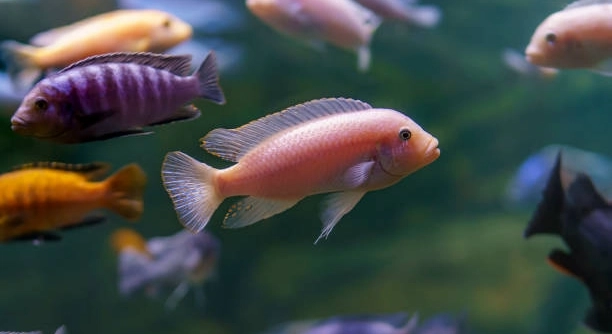
Cichlid tanks can be both beautiful and delicate. Many hobbyists enjoy creating colorful aquariums but may not realize that certain additions can harm their fish and disrupt the tank’s natural balance.
Adding inappropriate items to cichlid tanks can lead to stress, illness, and water quality issues. Objects that release toxins, alter pH, or create unsafe hiding spots should be avoided to maintain a healthy, stable aquatic environment.
Knowing which items can damage your cichlid tank helps protect your fish and keeps the aquarium safe and enjoyable for everyone.
Sharp or Rough Decorations
Sharp or rough decorations can seriously harm your cichlids. Rocks with jagged edges, broken ceramics, or rough artificial ornaments can tear fins and injure delicate skin. Even small nicks can lead to infections, which can spread quickly in a confined tank. Smooth, rounded stones and polished decorations are much safer. Avoid using household items like glass shards or broken pottery—they may look interesting, but they pose real risks. Driftwood is often safe if it’s properly treated and sanded, but always check for splinters. Regularly inspect decorations for damage, as even previously safe items can wear down over time. By focusing on smooth surfaces and avoiding sharp objects, you provide a safer environment that allows your cichlids to swim freely and interact naturally without the risk of injury or stress from hazardous surfaces.
Using smooth and polished decorations reduces accidents and keeps the tank environment safe and comfortable for your fish.
Selecting rounded stones, carefully prepared wood, or safe ceramic pieces ensures your cichlids can explore without risking cuts, fin damage, or infection.
Plastic Plants
Plastic plants are often used for decoration, but they can be risky for cichlid tanks. Cheap or rough plastics can fray, leaving sharp edges that tear fins. Some plastics may release chemicals that change water quality or stress fish. Over time, algae can grow on these plants, making cleaning difficult. Unlike live plants, plastic does not help oxygenate the water or absorb waste, which can affect your tank’s ecosystem. Carefully choosing soft, high-quality plastics is important if you want them in the tank. Some cichlids also like to dig and move objects around, and rigid plastic plants can break or trap fish. Understanding the limitations of plastic plants helps maintain both safety and water quality, keeping your fish healthy.
Soft, safe plastic plants are much better for your tank, but live plants still provide more benefits for water balance and fish well-being.
Choosing plastic plants requires checking edges, material safety, and placement to avoid stress or injury. Live plants support the tank naturally, while plastics need regular monitoring and cleaning. Proper selection ensures your cichlids enjoy a safe, engaging environment.
Metal Objects
Metal objects can rust and leach harmful substances into your cichlid tank. Nails, coins, or untreated metal decorations may release iron, copper, or other toxins. These metals can stress your fish, damage gills, and even cause death over time.
Even stainless steel or coated metals can corrode when submerged in water long-term. The corrosion releases particles that alter water chemistry, raising metal concentrations to dangerous levels. Cichlids are sensitive to these changes, which can weaken their immune systems and make them more prone to disease. Avoid any metal not specifically made for aquarium use, and double-check the coating or plating on decorative items. Consistent water testing is essential when any metal is present to catch harmful shifts early.
Some hobbyists think small metal objects are safe if partially submerged, but even limited exposure can be risky. Choosing resin, ceramic, or glass alternatives eliminates the worry of metal leaching and keeps your tank chemically stable.
Household Items
Household items like plastic containers, ornaments, or knick-knacks are often unsafe for cichlid tanks. Many of these items contain chemicals that can leach into water and harm fish. Some plastics break down over time, creating sharp edges or releasing toxins.
Even items that seem harmless, such as decorative stones, wood, or small toys, can affect pH, hardness, and other water parameters. Painted surfaces can chip, and dyes may bleed into the water. Cichlids are particularly sensitive to sudden changes in water chemistry, which can cause stress, illness, or behavioral changes. Using items not designed for aquariums may also trap debris or food particles, promoting bacteria growth. Always research and choose items labeled safe for aquatic use to protect your fish and maintain a balanced tank.
It’s tempting to add personal touches from around the house, but the risks usually outweigh the benefits. Aquarium-specific decorations ensure durability, chemical safety, and minimal impact on water quality. Checking for smooth edges, non-toxic materials, and stability prevents injuries and contamination, keeping your cichlids healthy and comfortable in their environment.
Untreated Rocks
Untreated rocks can change the water chemistry in your cichlid tank. Some rocks release minerals that raise hardness or pH, which may stress or harm your fish.
Even rocks that look safe may contain calcium or metals. Always test new rocks in a separate container before adding them to your tank.
Driftwood That Isn’t Prepared
Driftwood must be cleaned and boiled before placing it in a cichlid tank. Untreated wood can introduce bacteria, fungi, or tannins that discolor water and reduce oxygen levels. Boiling removes pests and harmful microbes, while soaking helps prevent sudden changes in water chemistry.
Painted Decorations
Painted decorations may chip or fade over time, releasing toxic substances into the water. Choosing non-toxic, aquarium-safe painted items prevents contamination and protects your fish from chemical exposure.
FAQ
What types of decorations are safest for cichlid tanks?
Smooth rocks, polished stones, and aquarium-safe ceramics are the safest choices. Driftwood that has been properly cleaned and boiled is also safe. Avoid anything with sharp edges, untreated metal, or household items that could leach chemicals into the water. Live plants can provide extra benefits for water quality.
Can metal objects ever be used in cichlid tanks?
Only metals specifically made for aquarium use are safe. Stainless steel or coated metals may still corrode over time. Even small amounts of leaching can stress fish or cause illness. Avoid nails, coins, or decorative items not labeled as aquarium-safe. Regular water testing is essential if any metal is present.
Are plastic plants harmful?
Plastic plants can be safe if they are soft, high-quality, and free of rough edges. Cheap plastics may fray, creating sharp edges, and some may release chemicals that affect water quality. Live plants are generally better because they improve oxygen levels and absorb waste. Plastic plants require more maintenance to prevent algae buildup.
Why should I avoid household items in the tank?
Household items are not designed for aquatic use. Many contain dyes, paints, or chemicals that can leach into the water, stressing fish or causing illness. Some plastics break down over time, creating sharp edges. Even decorative stones or toys may affect pH, hardness, or other water parameters. Only use items labeled safe for aquariums.
How can I test rocks before adding them?
Place new rocks in a bucket of water for a few days and monitor changes in pH and hardness. If the water chemistry shifts significantly, the rock may not be safe for your tank. Avoid rocks with metallic or crystalline deposits that could leach minerals into the water. Sanding rough surfaces can also reduce injury risk.
Is all driftwood safe?
No, driftwood must be boiled and soaked before use. Untreated wood can carry bacteria, fungi, or pests, and may release tannins that discolor water. Boiling removes harmful microbes, while soaking helps prevent sudden water chemistry changes. Soft, smooth driftwood pieces are ideal for cichlids, as they avoid injuries.
Can painted decorations be used safely?
Only if the paint is non-toxic and labeled aquarium-safe. Over time, paint can chip or fade, releasing toxins into the water. Resin or ceramic decorations with embedded colors are generally safer. Regular inspections for damage are important to avoid chemical contamination and protect fish from harmful exposure.
How do I avoid injuries from decorations?
Choose items with smooth, rounded surfaces. Avoid sharp or jagged edges, broken ceramics, or untreated metal. Inspect decorations regularly for wear or damage, and remove anything that could cut or trap fish. Proper placement also matters—avoid overcrowding, which can increase accidental injuries.
Are there any natural alternatives to plastic or metal?
Yes, polished rocks, boiled driftwood, and live plants are excellent alternatives. They provide natural hiding spots, maintain water quality, and reduce the risk of injury or chemical exposure. Using these alternatives helps create a safer, more stable environment for your cichlids while still allowing for an attractive tank layout.
How often should I inspect decorations?
Regular inspections are important, ideally every few weeks. Check for sharp edges, chipping paint, corrosion, or algae buildup. This prevents injuries, chemical contamination, and water quality issues. Cleaning decorations carefully during water changes helps maintain safety and ensures your cichlids continue to thrive in a healthy environment.
Keeping a cichlid tank healthy requires careful attention to what you put inside it. Decorations, rocks, plants, and other items may look appealing, but they can affect water chemistry, stress your fish, or even cause injuries. Cichlids are sensitive to sudden changes in pH, hardness, or toxins in the water. Even small objects that seem harmless can create problems over time. Smooth rocks, boiled driftwood, live plants, and aquarium-safe ceramics are usually the best choices. Avoiding household items, untreated metal, sharp edges, and cheap plastics reduces the risk of harm. Taking the time to select safe decorations ensures that your fish have a stable, comfortable environment where they can thrive naturally.
Regularly inspecting your tank and its contents is just as important as choosing the right items in the first place. Decorations can wear down, plastics may fray, paint can chip, and driftwood or stones can shift. Any of these changes can lead to injuries or water contamination if not addressed. Testing water parameters, watching for unusual fish behavior, and cleaning decorations when needed helps prevent problems before they become serious. Overcrowding the tank or placing objects in a way that traps fish can also create stress or injuries. Keeping a careful eye on the setup allows your cichlids to explore, hide, and swim freely without unnecessary risks. Safety and comfort should always be the priority, even if it means limiting decorations or frequently updating your tank items.
A healthy cichlid tank balances aesthetics, safety, and water quality. Using safe, natural items not only protects your fish but also supports their natural behaviors. Live plants, smooth rocks, and treated driftwood create hiding spots and stimulate exploration while keeping water conditions stable. Avoiding unsafe plastics, metals, painted objects, or household items helps prevent chemical exposure and injuries. Regular maintenance, observation, and testing complement these choices, keeping the tank stable and safe. Thoughtful selection and care create a peaceful, thriving environment where cichlids can grow, interact, and display their natural colors and behaviors. By being mindful of what goes into your tank, you ensure that it remains both visually appealing and a healthy home for your fish for years to come.

Hello,
If you enjoy the content that we create, please consider saying a "Thank You!" by leaving a tip.
Every little bit helps us continue crafting quality advice that supports the health, happiness, and well-being of pets around the world, for pets of all shapes, sizes, and species.
We really appreciate the kindness and support that you show us!