7 Water Conditions That Bring Out Cherry Barb Color
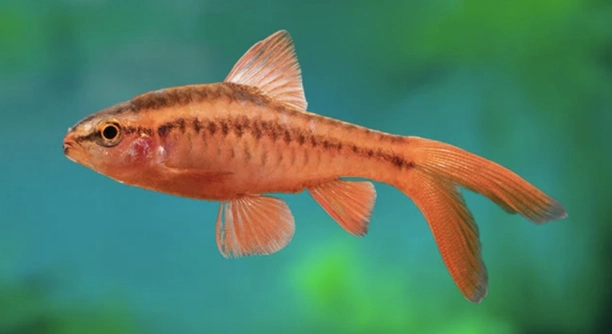
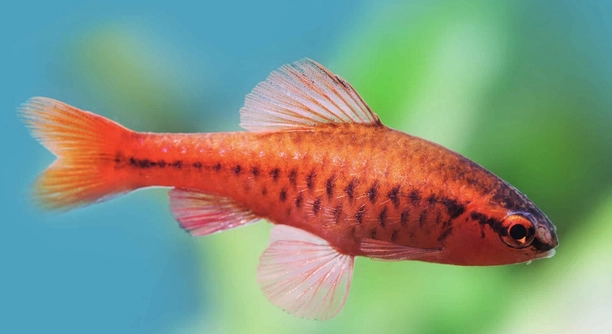
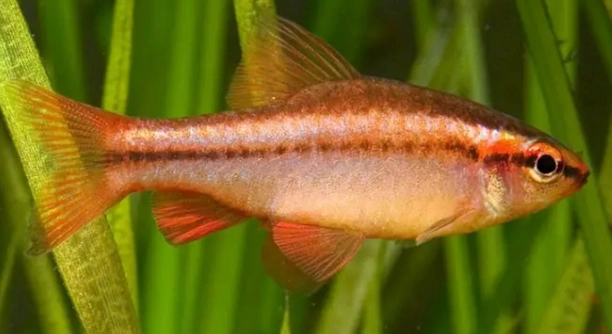
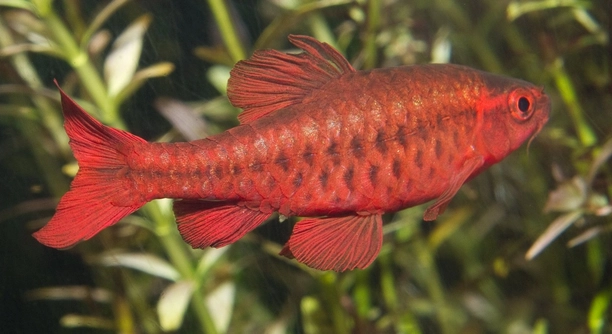
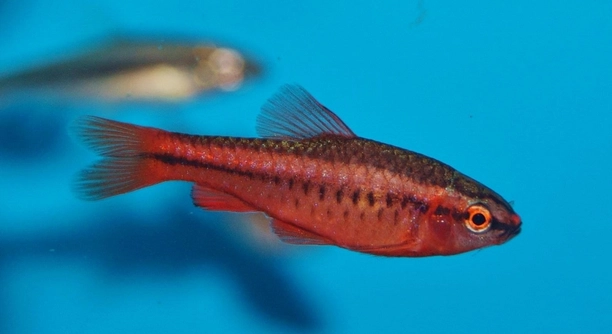
Cherry Barbs are colorful and lively fish, often admired for their bright, vibrant hues. Their coloration can vary depending on several water conditions. Understanding how to adjust the environment for the best results can enhance their beauty. The color of Cherry Barbs can be influenced by factors such as water temperature, pH levels, hardness, and … Read more
Why Is One Cherry Barb Always Chasing Others?

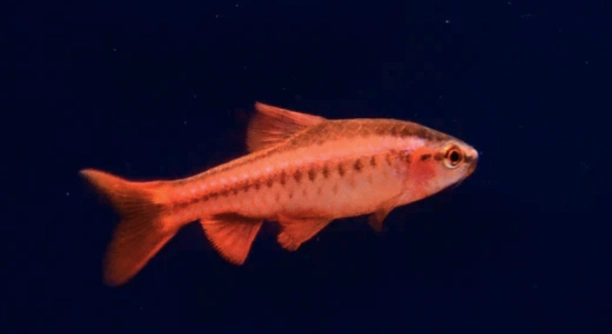
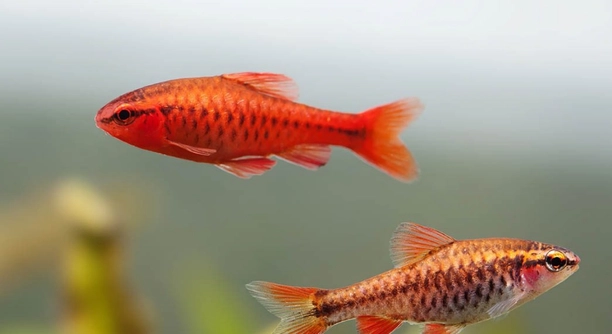
Cherry barbs are a popular choice for aquariums, known for their vibrant colors and active nature. If you’ve noticed one of your cherry barbs constantly chasing others, it might raise questions about their behavior and well-being. Chasing behavior in cherry barbs can be attributed to various factors, including territoriality, mating behavior, or simply an attempt … Read more

7 Tools Every Cherry Barb Keeper Should Have

Cherry barbs are delightful and peaceful fish that thrive in well-maintained tanks. As a responsible keeper, it’s essential to have the right tools to ensure they stay happy and healthy. This article will cover seven must-have tools for any Cherry Barb enthusiast. The essential tools for Cherry Barb keepers include a quality filtration system, water … Read more

What Does Normal Cherry Barb Behavior Look Like?

Are your cherry barbs swimming a little more quickly than usual, or perhaps spending extra time hiding in the plants? Normal cherry barb behavior includes swimming in small groups, displaying vibrant colors, and occasionally darting around. Males may chase females gently, especially during breeding, while both sexes enjoy exploring well-planted areas. Recognizing these common patterns … Read more

Why Do Cherry Barbs Prefer Groups? (Explained Simply)

Cherry barbs are a popular species among aquarium enthusiasts. They are known for their vibrant colors and active behavior. Understanding why they prefer to be in groups can help improve their care and well-being. Cherry barbs are social fish that thrive in groups. In the wild, they form schools to feel secure and reduce stress. … Read more

Can Cherry Barbs Develop Preferences for Food Brands?

Cherry barbs are popular aquarium fish known for their active nature and vibrant colors. As with any pet, their care requires attention to diet and preferences. Could their food choices reflect specific preferences toward certain brands? Research shows that fish like cherry barbs can indeed develop preferences for particular food types or brands, influenced by … Read more

7 Surprising Things That Brighten Cherry Barb Color

Cherry Barbs are known for their vibrant, red hues, but sometimes they don’t show their full color potential. You might be curious about what could enhance their natural vibrancy. With a few key factors, you can brighten their appearance. Several elements contribute to brighter Cherry Barb colors, including water conditions, diet, lighting, tank mates, and … Read more

7 Color Enhancers Safe for Cherry Barbs

Are your cherry barbs looking a little dull despite your best efforts to maintain a clean tank and balanced diet? Bright colors are often a sign of good health, and it’s natural to want to enhance them. The safest color enhancers for cherry barbs include high-quality foods rich in carotenoids and spirulina, along with natural … Read more

Can Cherry Barbs Get Lonely if One Dies?

Cherry barbs are small, peaceful fish popular among aquarium enthusiasts. They are known for their social nature, often thriving in groups. But what happens when one of them dies? Do they experience loneliness? When a cherry barb loses a companion, it can show signs of stress, such as swimming aimlessly or hiding more often. While … Read more

7 Tips for Transporting Cherry Barbs Safely

Transporting cherry barbs requires careful consideration to ensure their safety and comfort. Understanding the best practices can help minimize stress during the journey and ensure their well-being. These tips will guide you through the process. The key to transporting cherry barbs safely is maintaining stable water conditions, proper container size, and reducing stress. Avoid overcrowding … Read more