
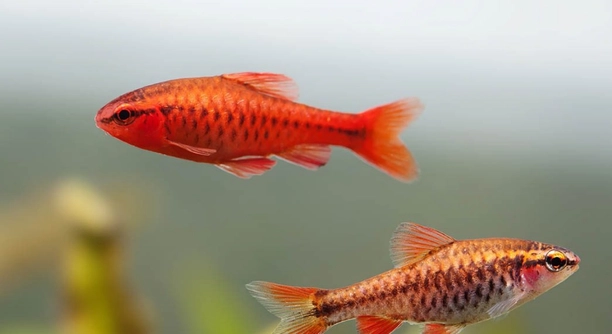
Transporting cherry barbs requires careful consideration to ensure their safety and comfort. Understanding the best practices can help minimize stress during the journey and ensure their well-being. These tips will guide you through the process.
The key to transporting cherry barbs safely is maintaining stable water conditions, proper container size, and reducing stress. Avoid overcrowding and sudden temperature changes, as these can negatively impact their health during transportation.
Knowing how to prepare for transportation can help your cherry barbs thrive once they reach their new destination.
Choose the Right Transport Container
Selecting the right container is essential for the safe transportation of cherry barbs. A properly sized, secure, and breathable container helps maintain stable water conditions and prevents overcrowding. Cherry barbs are small, but they still need enough space to move around without feeling stressed. A bag or a small, clean container with a lid can be a good choice, as long as it allows for air exchange. Always use a plastic or Styrofoam container, as they can hold the right temperature better than glass or other materials.
Keep in mind that the container should also be clean to avoid introducing contaminants that could harm your fish. Before placing your cherry barbs inside, ensure the container is free from any chemicals or residues. A simple rinse with fresh water is sufficient. Avoid using tap water directly, as it might contain chlorine or other chemicals harmful to the fish.
Ensure the container is large enough to allow the barbs to swim comfortably. Overcrowding is a major risk factor when transporting fish.
Maintain Stable Water Conditions
To avoid stressing the cherry barbs during transport, maintaining consistent water conditions is crucial. It’s important to monitor the temperature, pH level, and oxygen content throughout the entire process. Water temperature should ideally remain between 72-78°F, which aligns with the ideal environment for cherry barbs. A sudden change in temperature can shock the fish and compromise their health.
Using a portable aquarium heater or ice packs (depending on the conditions) can help regulate the water temperature. For longer trips, consider using a battery-operated air pump to ensure the fish have enough oxygen, as low oxygen levels can lead to suffocation. It is important to monitor the water condition regularly during the transport to ensure a safe environment.
Additionally, keep the pH level stable by checking the water regularly, and avoid making drastic changes in the water composition before transporting the barbs.
Avoid Overcrowding
Overcrowding is one of the most common mistakes when transporting cherry barbs. Too many fish in a small space can lead to stress, poor water quality, and even suffocation. Make sure there is enough room for each fish to move freely without feeling cramped.
It’s important to plan for the number of fish based on the size of your container. A general rule is to allow 1-2 gallons of water per fish, depending on their size. This ensures the fish have adequate space to swim and reduces the risk of injury or stress during transport.
To reduce overcrowding, only transport a few fish at a time, and avoid cramming more than necessary into a single container. Even if they are small, cherry barbs need space to breathe and feel comfortable.
Use Proper Packing Materials
Proper packing materials can help protect the cherry barbs during transport and keep them secure. A thick, padded layer can help absorb any bumps or jostles that may occur during the trip.
Consider using a box with soft padding, such as foam or bubble wrap, to surround the container. This prevents the container from shifting or being damaged. You can also use plastic bags for extra protection, but make sure they are not too tight to allow proper air circulation. The packaging should also keep the container from moving around.
Choosing appropriate packing materials also helps maintain water temperature, reducing the risk of heat or cold stress. Keep the package stable and avoid exposing it to direct sunlight or extreme temperatures for too long.
Minimize Stress During Transport
Minimizing stress is vital when transporting cherry barbs. Stress can weaken their immune system and lead to health problems. Avoid loud noises, sudden movements, and abrupt temperature changes during the transport.
Try to keep the container in a quiet, dark environment, as this can help reduce anxiety. Cherry barbs feel more secure in calmer surroundings. Ensure the container is placed somewhere stable where it won’t be shaken or jostled.
If you need to transport the fish for an extended period, consider providing minimal light or covering the container with a breathable cloth.
Keep the Transport Time Short
The shorter the transport time, the better for the cherry barbs. Reducing the time spent in the transport process can limit their exposure to stressful conditions. If possible, plan to complete the move within a few hours.
If the trip will be longer, prepare for additional steps to maintain the water temperature, oxygen levels, and other necessary conditions. Longer transport times can increase the risk of fish distress, which is why keeping the journey short is always ideal.
Check the fish periodically during the trip to ensure they’re handling it well.
Check Water Quality Regularly
Regular checks of water quality are necessary to ensure the cherry barbs’ well-being during transport. Without constant monitoring, the water can quickly degrade, affecting their health.
Before starting the transport, check the water for ammonia, nitrites, and other harmful substances. Carrying extra water in sealed containers can allow you to replace it if necessary. If your trip is long, you may need to stop and replace water to maintain a healthy environment. Keeping the water clean ensures the fish will arrive in good condition.
FAQ
What is the best container for transporting cherry barbs?
The best container for transporting cherry barbs is one that is clean, breathable, and the right size. A plastic bag or small plastic container can work well as long as it allows for some airflow. Ensure the container isn’t too large, which can cause the fish to be more stressed due to the change in water conditions. It’s important to avoid glass containers, as they don’t regulate temperature well and can lead to sudden fluctuations. The container should have enough space for the fish to swim comfortably without overcrowding.
How can I maintain water temperature during transport?
Maintaining a stable water temperature is crucial during transport. For short trips, simply placing the container in an insulated box can help maintain temperature. For longer trips, use a portable aquarium heater if the environment is cool, or ice packs (wrapped in cloth to avoid direct contact with water) if it’s too hot. It’s important to monitor the temperature regularly if the trip will take several hours. Extreme temperature changes can cause stress and harm to the fish. If you’re traveling by car, try to keep the container in the vehicle’s cabin, away from direct sunlight or drafts.
Should I feed my cherry barbs before transport?
It’s best not to feed your cherry barbs for 24 hours before transport. Feeding them right before transport can lead to waste buildup in the water, which can quickly degrade the water quality. Starving them for a short period ensures the water stays cleaner, which is especially important if the trip will take several hours. However, make sure they’re well-fed the day before, as this will help keep their energy up without risking water contamination.
How long can cherry barbs be transported?
Cherry barbs can generally handle transport for a few hours without much issue. However, longer trips can be stressful, so it’s essential to take proper precautions. If the transport will exceed 4-6 hours, you should take steps to maintain water quality, temperature, and oxygen levels. For extremely long trips, consider stopping to check on the fish periodically, replacing water if necessary, and ensuring that the fish are not overly stressed.
What should I do if the water becomes dirty during transport?
If the water becomes dirty during transport, it’s important to replace it as soon as possible. Carrying extra water in sealed containers can allow you to do this if needed. If you don’t have access to extra water, consider stopping along the way to change it. When replacing the water, make sure it matches the temperature of the original water to avoid stressing the fish. You can also add water conditioners to help neutralize harmful substances if you’re not able to fully replace the water.
How do I avoid stressing my cherry barbs during transport?
To avoid stressing your cherry barbs, keep the transport environment calm and stable. Minimize noise, sudden movements, and temperature fluctuations. You can cover the container with a breathable cloth to help reduce light exposure and minimize distractions. Keeping the transport time short and the container in a stable location also reduces stress. Handling the container gently and avoiding jostling will help the fish feel secure.
Can I transport cherry barbs with other fish?
It’s not recommended to transport cherry barbs with other species unless absolutely necessary. Different fish have different needs and behaviors, which can cause stress. If transporting multiple fish, ensure the container is large enough to provide each fish with sufficient space. Be aware that certain species might cause aggression or anxiety in others, which can lead to injury or stress. Keeping fish of similar size and temperament together is crucial to avoid problems.
What should I do if my cherry barbs appear stressed after transport?
If your cherry barbs show signs of stress after transport, such as erratic swimming, lethargy, or fading color, it’s important to give them time to adjust. Place them in a clean, stable aquarium with good water conditions. Keep the environment calm, and avoid making sudden changes. Stress can take time to alleviate, but with the proper care, they should recover within a few days. Monitor their behavior and water quality to ensure that they are settling in well.
Do I need to use an air pump during transport?
For short trips, an air pump may not be necessary, as long as the container is not overcrowded and there is sufficient oxygen exchange. However, if the transport will take several hours or more, an air pump can help ensure that oxygen levels remain sufficient. Battery-operated air pumps are available and can be a great option for longer trips. Just make sure to use one designed for transporting fish to avoid excessive air pressure.
What can I do if the fish container starts leaking during transport?
If your container begins to leak, it’s essential to address it quickly to prevent water loss. Keep the container in a stable location where it won’t be further disturbed. If possible, transfer the fish to another container or bag that is more secure. If transferring isn’t an option, try to seal the leak with waterproof tape or an emergency sealant until you can get to a more secure location. Always have backup containers or bags ready in case of emergencies.
Final Thoughts
Transporting cherry barbs safely requires careful planning and attention to detail. These small fish are sensitive to stress, temperature changes, and overcrowding. Ensuring that the conditions during transport are stable and calm will help prevent harm and discomfort to the fish. By choosing the right container, avoiding overcrowding, and monitoring the water quality, you can make sure your cherry barbs remain healthy throughout the journey. It’s essential to take time to prepare for the trip and address potential issues, such as water temperature or cleanliness, before they arise.
Keeping the transport time short is also a key factor in ensuring the well-being of your cherry barbs. Fish can tolerate stress better when they are not exposed to it for prolonged periods. A quick, efficient trip is always better than an extended one. If you must transport them for several hours, regular checks on the water quality, temperature, and the condition of the fish can make a big difference. Taking steps to reduce stress, such as using proper packing materials and avoiding sudden movements, can also help prevent negative effects.
After the transport is complete, it’s important to allow the cherry barbs time to adjust to their new environment. Even though they may seem fine, transport can still take a toll on their health, so a few days of observation is recommended. Keep the aquarium conditions stable and free from disturbances during this period. If any signs of stress appear, like color fading or erratic swimming, give them extra care and ensure they have everything they need to recover. With proper care, your cherry barbs should settle in well and thrive in their new home.

Hello,
If you enjoy the content that we create, please consider saying a "Thank You!" by leaving a tip.
Every little bit helps us continue crafting quality advice that supports the health, happiness, and well-being of pets around the world, for pets of all shapes, sizes, and species.
We really appreciate the kindness and support that you show us!