
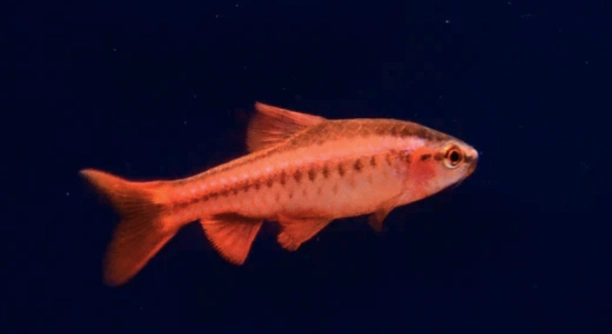
Cherry barbs are a popular choice for aquariums, known for their vibrant colors and active nature. If you’ve noticed one of your cherry barbs constantly chasing others, it might raise questions about their behavior and well-being.
Chasing behavior in cherry barbs can be attributed to various factors, including territoriality, mating behavior, or simply an attempt to assert dominance. These fish are naturally social, but certain environmental or genetic factors may lead to increased aggression.
Understanding the reasons behind this behavior can help manage your aquarium’s dynamics and ensure all your fish are comfortable. This knowledge is key to maintaining harmony in your tank.
Why Cherry Barbs Chase Each Other
Cherry barbs are generally peaceful fish, but certain factors can cause one to chase the others around the tank. This chasing behavior is often a sign of a deeper issue, whether it be related to territory, dominance, or mating instincts. In many cases, male cherry barbs tend to chase females when they are ready to breed. They may also chase each other to establish a hierarchy or defend a particular space within the tank. These behaviors are natural, but when one fish becomes overly aggressive, it can cause stress among the others.
Understanding why one cherry barb is consistently chasing others can help ensure a balanced and peaceful environment. Male cherry barbs are more prone to chasing during the breeding season, and this behavior may calm down once the breeding season ends. However, persistent chasing throughout the year could signal territorial disputes or issues with overcrowding, which might need attention.
By observing their interactions closely, you can determine if adjustments to tank size, the number of fish, or their environment could reduce the chasing behavior. Ensuring enough space for all fish will help minimize stress and prevent aggressive interactions.
Tank Conditions and Aggression
The setup of your aquarium plays a significant role in the behavior of your fish. Overcrowding is a common reason for aggression, as fish feel the need to protect their territory. Cherry barbs, like many other species, will exhibit chasing behavior when they are too confined, especially if there are too few hiding spots or places to establish territories. A well-planted tank can provide areas for hiding and reduce tension.
Cherry barbs thrive in schools of six or more, which can help spread out any aggression and give each fish its own space. The more barbs you have, the less likely one will target others excessively. This means it’s essential to create an environment that mimics their natural habitat by including plenty of plants and rocks.
If you notice one cherry barb chasing others, increasing the number of fish in your tank or providing more plant cover could help. Adjusting the environment can also reduce stress and improve the overall well-being of your fish.
Breeding Behavior and Male Aggression
Male cherry barbs often exhibit chasing behavior when they are ready to breed. During the mating season, males compete for the attention of females and may become more territorial. This increased aggression is typical in many species and is not necessarily harmful if it’s short-lived. However, if one male constantly chases others, it could be a sign that he is struggling for dominance within the group.
While breeding behavior can explain some chasing, it’s important to note that not all chasing is related to mating. If the aggression becomes excessive, it could indicate stress, overcrowding, or other environmental factors that need addressing. Male cherry barbs may also chase each other to establish a hierarchy, especially if there’s limited space.
Watching your fish closely can help you distinguish between normal breeding behavior and persistent aggression. If the behavior doesn’t subside after the breeding season, further intervention may be required to ensure the tank’s balance and the well-being of all the fish.
Addressing Aggression Through Tank Management
The size of your aquarium can greatly influence how cherry barbs interact with each other. A tank that’s too small can exacerbate aggressive behavior, especially if there aren’t enough hiding spots or territory boundaries. Cherry barbs are social fish, but they still need space to establish their own areas. Overcrowding increases stress and can lead to constant chasing, as fish compete for space.
Adding more plants and decorations can help create hiding spots, allowing the fish to retreat when needed. This can reduce aggression and make the tank feel less congested. Additionally, ensuring that your fish are not overcrowded can go a long way in maintaining harmony.
In a larger tank, cherry barbs are less likely to feel threatened, and aggressive chasing should subside naturally. Ensuring your fish have enough space is crucial to preventing this behavior. Proper tank management, along with monitoring interactions, can help reduce unnecessary stress.
Stress Factors in Cherry Barbs
Cherry barbs are sensitive to changes in their environment. Water quality, temperature, and light intensity can all play a role in their behavior. Poor water conditions can increase stress, causing the fish to become more territorial or aggressive. A stressed cherry barb may start chasing others as a reaction.
Water quality is especially important for preventing stress. Ammonia or nitrite spikes in the water can cause irritation and discomfort, leading to aggressive behavior. Regular water changes and proper filtration can keep these levels stable, providing a more relaxed environment for your fish.
High water temperatures can also trigger stress. Cherry barbs prefer stable conditions, and sudden changes in their environment can lead to erratic behavior. Keeping the water temperature within their preferred range will help reduce stress and aggression. If temperature fluctuations are frequent, the fish may become more active and start chasing each other.
Introducing New Fish
When adding new fish to an aquarium, cherry barbs may exhibit chasing behavior as they establish their territories. This is especially true if the newcomers are of the same species or have similar physical characteristics. The introduction of new fish can cause temporary stress and heighten aggression.
It’s important to give the new fish time to acclimate to the tank. Slowly introducing them into the aquarium using a quarantine or acclimation tank can reduce aggression. This method allows existing fish to adjust to the new arrivals and minimizes territorial disputes. Ensuring that the new fish are healthy and compatible with the current tank environment is crucial.
Introducing new fish in groups can also help. If you add multiple fish at once, the established cherry barbs are less likely to focus their aggression on a single newcomer. This reduces stress and allows for a smoother integration process.
Feeding Habits and Competition
Feeding time can also influence chasing behavior among cherry barbs. If food is scarce or if there are dominant fish in the tank, they may chase others away from the food. This competition can create tension, leading to more aggressive behavior. Ensuring there is enough food for all fish can help prevent this issue.
Feeding small amounts multiple times a day, instead of one large feeding session, can reduce competition. This method ensures that all fish have access to food without any single fish becoming overly dominant. It also keeps the fish more active, reducing the likelihood of stress and aggressive interactions.
FAQ
Why is my cherry barb always chasing other fish?
Chasing behavior in cherry barbs is typically a result of territorial disputes, mating instincts, or stress. Male cherry barbs often chase females during the breeding season. However, if this behavior persists outside of breeding periods, it could indicate issues such as overcrowding, water quality problems, or a lack of hiding spots. Ensuring enough space in the tank and keeping water conditions optimal can help reduce aggression.
Is chasing behavior normal for cherry barbs?
Yes, it’s normal for cherry barbs to exhibit some chasing behavior, especially during mating periods. Male cherry barbs can chase females to get their attention. However, excessive chasing or aggression outside the breeding season may suggest stress or territorial issues. If one barb consistently chases others, it could also indicate dominance struggles.
How can I reduce aggressive chasing in my tank?
To reduce aggression, you can increase the size of the tank or add more plants and decorations. Cherry barbs feel more secure in well-planted environments, as this provides them with hiding spots and territory. Additionally, ensuring the tank isn’t overcrowded and that water quality remains high will also help. Introducing more cherry barbs in groups of six or more can spread out aggression and create a more balanced social structure.
Will adding more cherry barbs help reduce chasing behavior?
Yes, adding more cherry barbs can help. Cherry barbs are social fish, and when kept in larger groups, aggression is more evenly spread out. A school of six or more cherry barbs will reduce the chances of one fish targeting others excessively. This also creates a more natural, comfortable environment for the fish, as they tend to thrive in groups.
What should I do if one cherry barb is constantly chasing others?
If you notice one cherry barb chasing others persistently, you might need to assess the tank conditions. Start by checking the water quality, temperature, and space. Ensure that the tank is not overcrowded, as this can cause stress and aggression. If the behavior continues, consider adding more hiding spots or increasing the number of fish. Also, monitor if the chasing is related to mating behavior or if it’s a sign of stress or dominance struggles.
Can water quality affect chasing behavior?
Yes, poor water quality can increase stress levels in fish, making them more likely to become aggressive. High levels of ammonia, nitrites, or nitrates can irritate fish and cause them to act out. Regular water changes, proper filtration, and maintaining a stable temperature will reduce stress and help keep the fish calm. Keeping the water clean will also ensure that the fish are healthier and less likely to engage in excessive chasing.
Is it normal for male cherry barbs to chase each other?
It is normal for male cherry barbs to chase each other, especially when they are establishing dominance or competing for a female’s attention. During the breeding season, males are more likely to engage in aggressive behaviors like chasing to assert their position within the group. However, constant chasing outside of breeding behavior could indicate that there’s a territorial issue or too little space in the tank.
Can I stop cherry barbs from chasing each other altogether?
Completely stopping cherry barbs from chasing each other is unlikely, as it’s a natural behavior. However, by maintaining proper tank conditions, ensuring enough space and hiding spots, and keeping a larger group of fish, you can reduce the frequency and intensity of chasing. Socializing the barbs in groups helps them spread out aggression, and providing a stable environment will minimize stress, which is a major factor in excessive chasing.
How do I know if my cherry barb is stressed?
Stressed cherry barbs may show signs like erratic swimming, hiding more than usual, or engaging in excessive chasing. They might also lose their vibrant color, refuse food, or exhibit unusual behaviors like rubbing against objects in the tank. If your fish are displaying these signs, check the water quality, temperature, and overall tank environment. Stress can be alleviated with a larger tank, better water conditions, and more hiding spaces.
How often should I change the water in my tank to prevent aggression?
Water changes are essential to maintaining healthy fish and reducing stress. It’s recommended to change 25-30% of the tank water every week or biweekly, depending on the tank size and fish load. Regular water changes help to keep ammonia and nitrate levels low, ensuring a clean environment. Clean water reduces stress and helps prevent aggression in fish.
What is the best temperature for cherry barbs?
Cherry barbs prefer a water temperature between 72°F and 80°F (22°C to 27°C). Keeping the water within this range is essential for their health and well-being. Temperatures outside this range can cause stress and may lead to aggression or illness. Maintaining stable temperature conditions will also prevent sudden changes that can trigger erratic behavior in your fish.
Can cherry barbs live with other species of fish?
Yes, cherry barbs are peaceful and can live with other species, as long as they are not overly aggressive. They do well with other peaceful, community fish such as tetras, rasboras, and corydoras. However, avoid keeping them with large or aggressive fish that may intimidate or stress them. Ensuring that all species in the tank have similar care requirements (like water temperature and pH) is key to a harmonious environment.
Do cherry barbs need a lot of hiding spots?
Yes, cherry barbs benefit from having plenty of hiding spots in their tank. These fish are naturally curious and social but can become stressed if they don’t have areas where they can retreat. Plants, rocks, and decorations provide important hiding places, reducing tension and preventing aggressive behavior. Ensuring a well-planted tank with numerous hiding spots will promote a more peaceful environment for your cherry barbs.
Can cherry barbs breed in a community tank?
Yes, cherry barbs can breed in a community tank, but it can be challenging to successfully raise the fry if there are other fish present. When breeding, males chase the females to encourage them to spawn, and the eggs are laid on plants or other surfaces. The fry will be at risk from other fish, so consider adding a separate breeding tank or using a breeding trap to protect them.
Final Thoughts
Cherry barbs are active and social fish that can add a vibrant touch to any aquarium. While it’s normal for them to display some chasing behavior, it’s important to understand the reasons behind it. Whether it’s for mating, establishing territory, or dealing with stress, chasing is a part of their natural behavior. However, if it becomes excessive, it may be a sign of an underlying issue in the tank that needs attention.
Maintaining optimal water quality is essential for the well-being of your cherry barbs. Poor water conditions, including high levels of ammonia, nitrites, or nitrates, can cause stress and lead to aggressive behavior. Regular water changes, proper filtration, and monitoring the water parameters will help keep the fish healthy and reduce the likelihood of chasing. Temperature stability also plays a critical role in preventing stress, as fluctuations can cause erratic behavior in these delicate fish. Ensuring your tank is well-maintained will lead to healthier, calmer fish that are less likely to engage in excessive chasing.
Providing enough space and hiding spots in the tank can also make a significant difference. Cherry barbs, like many other fish, feel more comfortable in a well-planted environment with plenty of areas to retreat when needed. When kept in groups, they tend to display more natural, peaceful behaviors. Introducing more barbs or other compatible species can help spread out the aggression and create a more balanced social dynamic. With the right environment, your cherry barbs can thrive, and chasing behavior will likely decrease. By addressing the causes of aggression and stress, you can create a more peaceful and enjoyable aquarium for both your fish and yourself.

Hello,
If you enjoy the content that we create, please consider saying a "Thank You!" by leaving a tip.
Every little bit helps us continue crafting quality advice that supports the health, happiness, and well-being of pets around the world, for pets of all shapes, sizes, and species.
We really appreciate the kindness and support that you show us!