
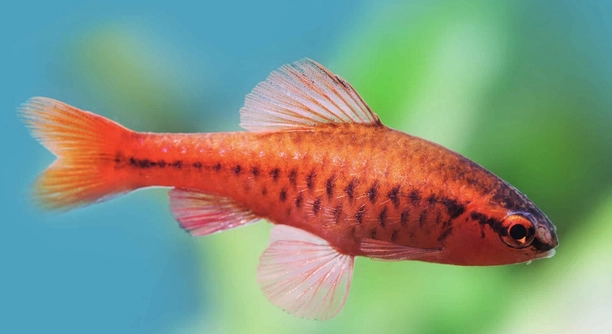
Are your cherry barbs looking a little dull despite your best efforts to maintain a clean tank and balanced diet? Bright colors are often a sign of good health, and it’s natural to want to enhance them.
The safest color enhancers for cherry barbs include high-quality foods rich in carotenoids and spirulina, along with natural supplements like paprika and astaxanthin. These ingredients support pigment development without compromising health when used in moderation and proper rotation.
There are several options that can help improve their color naturally. Each one plays a small but important role in keeping your cherry barbs vibrant and healthy.
Spirulina: A Natural Color Booster
Spirulina is one of the most popular natural additives used to enhance the coloration of tropical fish, including cherry barbs. This blue-green algae is rich in protein and contains pigments like phycocyanin and beta-carotene that promote deeper red and orange tones. Adding spirulina to your fish’s diet can improve not just color, but also immunity and growth. It’s typically available in flakes, pellets, and frozen blends. Feeding a spirulina-based food two to three times per week is generally enough to see improvements over time. However, overuse may cause digestive stress, so moderation is key. You can also rotate spirulina with other color enhancers to keep the diet balanced and effective. Choose high-quality brands that list spirulina high on the ingredients list for best results.
Spirulina works best when combined with other color enhancers, especially those containing natural carotenoids. It brings out the warm tones that cherry barbs are known for.
If your cherry barbs are looking pale, it may be a sign they need more color support from their diet. Spirulina helps improve their vibrancy naturally. Since it also strengthens their immune system, it’s a reliable choice for long-term maintenance. Consistent feeding habits can lead to more noticeable color improvements in just a few weeks.
Carotenoids: The Key to Rich Reds
Carotenoids are plant pigments that fish cannot produce on their own. They must be added to the diet through specific foods or supplements.
Astaxanthin, beta-carotene, and canthaxanthin are three carotenoids that are especially effective in deepening red hues in cherry barbs. These compounds are found in natural ingredients like krill, shrimp meal, carrots, paprika, and marigold petals. Including these in your fish’s diet supports better color expression without the risks that come from artificial dyes. Commercial fish foods often list these sources on the label, so it’s important to read ingredients carefully. A diet with varied carotenoids can help prevent deficiencies while making your cherry barbs more vibrant. For best results, feed small portions of carotenoid-rich foods several times a week, and avoid relying on just one ingredient. This rotation mimics the variety of their natural environment and helps maintain balanced health. If using powdered supplements, measure carefully and add only the recommended amount to prevent overfeeding.
Paprika and Red Bell Pepper
Paprika and red bell pepper are excellent natural sources of carotenoids that enhance red coloration in cherry barbs. When dried and finely ground, they can be mixed into homemade fish food or used as supplements.
Paprika contains capsanthin and capsorubin, both of which are known for promoting red tones. These pigments support color enhancement in a natural and gentle way, especially when combined with a balanced diet. Red bell pepper offers similar benefits, along with vitamin C, which helps boost immunity. To use these safely, dry and grind the pepper into a fine powder, or look for commercial products that include these ingredients. Add small amounts to homemade fish food or gel mixes. Be sure not to overdo it, as too much can affect water quality. Start with small quantities and adjust slowly based on how your fish respond to the supplement over time.
Regular use of paprika or bell pepper powder can result in richer tones, especially in mature cherry barbs. It’s helpful to offer these enhancers two to three times a week to support lasting results. When combined with other color enhancers, they contribute to a more balanced and natural color improvement. Observe changes gradually and avoid sudden increases in dosage.
Krill and Shrimp Meal
Krill and shrimp meal are rich in astaxanthin, a powerful pigment that enhances red and orange shades in fish. These ingredients are commonly found in high-quality commercial fish foods made to support color enhancement in tropical species.
Astaxanthin works by binding to proteins in the skin, intensifying natural pigmentation in cherry barbs. Krill and shrimp meal are also protein-rich, which supports growth and overall health. Look for pellets or flakes where krill or shrimp meal is listed among the first ingredients. These meals can be offered several times a week, depending on your feeding schedule. Avoid overfeeding, as these ingredients are dense and may cause waste buildup if not eaten quickly. When included consistently, they produce noticeable improvements in fin and body color within a few weeks. Some aquarists also use freeze-dried krill or shrimp for variety, though powdered forms are better suited for small fish like cherry barbs.
Astaxanthin Powder
Astaxanthin powder is a concentrated pigment that supports strong red coloration in cherry barbs. It’s best added in tiny amounts to homemade food. Always measure carefully, as small fish don’t need much for visible results.
Use astaxanthin no more than two or three times per week. Overuse can discolor water or affect appetite. Pair it with a protein source for better absorption.
Marigold Petal Extract
Marigold petal extract provides lutein and zeaxanthin, which support both red and orange pigmentation. These compounds also benefit eye health and immune function. Marigold is often found in premium fish foods or as a natural additive for homemade blends.
To use marigold safely, check for dried petals or extract powder and add only trace amounts to gel or paste-based food. Feeding once or twice a week is enough to see effects without overwhelming the diet. Look for blends that include marigold as one of several carotenoid-rich sources. This keeps the food varied while allowing the marigold to gently improve tone and clarity in coloration.
Avoid Artificial Dyes
Artificial dyes may seem effective at first, but they do not support long-term health. Cherry barbs need natural pigments that work with their metabolism to produce real, lasting color without causing stress or harm.
FAQ
How often should I feed color-enhancing foods to cherry barbs?
Feed color-enhancing foods two to three times per week. Alternate them with a balanced, high-quality staple diet to avoid nutritional imbalances. Too much pigment-rich food can stress the digestive system or reduce appetite over time. Feeding on a consistent schedule, in small portions, helps cherry barbs maintain strong coloration without causing health issues. Always monitor your fish after introducing a new food and adjust frequency if you notice behavioral or physical changes.
Can I use multiple color enhancers at the same time?
Yes, but only in small amounts and not all at once. Rotate different color enhancers during the week to avoid overloading their system. Combining ingredients like krill, paprika, and marigold extract over time offers a more natural and balanced boost. Overlapping too many at once could lead to nutrient excess or digestive problems. A varied but moderate approach is the safest and most effective way to help your cherry barbs maintain vibrant colors.
What’s the safest way to introduce a new enhancer?
Start by adding a tiny amount—no more than a pinch if it’s a powder or a few granules if it’s a pellet. Mix it with their regular food and observe how your cherry barbs respond. Look for changes in eating behavior, waste, or water clarity. If everything remains stable after several feedings, continue using the enhancer weekly. Avoid introducing more than one new product at a time. This helps you identify any potential issues more easily.
Are homemade foods better than store-bought enhancers?
Not always. Homemade food gives you control over ingredients and portion size, but it’s harder to maintain nutritional balance. Store-bought enhancers are formulated for safety and consistency. If you do make food at home, research recipes thoroughly and avoid using too many strong additives. Use clean, fresh ingredients and prepare in small batches to prevent spoilage. Homemade blends are best used as occasional supplements rather than the sole source of nutrition.
Do cherry barbs lose color as they age?
Some color fading is natural as cherry barbs grow older, especially in males after peak maturity. However, good water quality, proper diet, and minimal stress help maintain coloration longer. Color enhancers can support brightness but won’t fully reverse natural aging. Make sure tank conditions stay stable and avoid overcrowding. Aging fish may also benefit from easier-to-digest foods with a mild enhancer added. Keep their surroundings peaceful to reduce stress-related fading.
How can I tell if a product uses natural or artificial enhancers?
Check the label. Natural enhancers include krill, spirulina, paprika, marigold, and astaxanthin. These should be listed by name. Artificial dyes may appear as Red No. 3, Yellow No. 5, or similar chemical codes. Avoid foods that list artificial coloring high in the ingredient list. Natural ingredients often come from known sources and may be labeled as “whole” or “freeze-dried.” If you’re unsure, research the product or contact the manufacturer for details.
Will color enhancers change my fish’s behavior?
Not directly. High-quality enhancers made from natural ingredients should not affect temperament or energy levels. However, poor-quality or excessive enhancers can cause digestive upset, reduce appetite, or create stress—especially in smaller tanks. Stick with reliable brands and watch for changes in behavior. If your fish seem sluggish or disinterested in food, stop the enhancer for a few days and observe. A healthy cherry barb remains active and curious with a strong, steady appetite.
What’s the best way to store color-enhancing supplements?
Keep powders and dry foods in airtight containers in a cool, dark place. Exposure to heat, air, or moisture reduces the potency of pigments like astaxanthin and lutein. Some items, especially homemade blends or fresh ingredients, should be refrigerated and used within a few days. Always check for changes in smell or texture before feeding. Spoiled food can cause illness, so when in doubt, discard and prepare a new batch. Proper storage ensures your enhancers remain safe and effective.
Final Thoughts
Cherry barbs are peaceful, colorful fish that can brighten up any freshwater aquarium. Keeping their colors vibrant takes more than just clean water and the right temperature. Diet plays a big role, and using color enhancers can help highlight their natural red tones. The key is choosing safe, natural options that support their health over time. Enhancers like spirulina, krill, paprika, and marigold extract provide added pigments without harsh chemicals. When used properly, these ingredients can help your cherry barbs look their best.
It’s important to avoid overfeeding or using too many enhancers at once. While it might be tempting to increase color quickly, going slow is safer. Fish have sensitive digestive systems, and large doses of new ingredients can lead to stress or sickness. A balanced approach works best. Stick to small portions a few times a week, and always combine them with a regular, high-quality staple diet. Watch how your fish react, and make adjustments if they stop eating, swim less, or show signs of discomfort. Color should never come at the cost of health.
As with any part of aquarium care, patience matters. You may not see results right away, but consistent feeding, low stress, and clean water will make a big difference over time. Color enhancers can give your cherry barbs a healthy glow, but they should never replace the basics of good care. Stay observant, feed a varied diet, and avoid quick fixes or chemical additives. In the end, healthy fish are colorful fish. With just a bit of effort, your cherry barbs can continue to thrive and shine in your aquarium for years to come.

Hello,
If you enjoy the content that we create, please consider saying a "Thank You!" by leaving a tip.
Every little bit helps us continue crafting quality advice that supports the health, happiness, and well-being of pets around the world, for pets of all shapes, sizes, and species.
We really appreciate the kindness and support that you show us!