
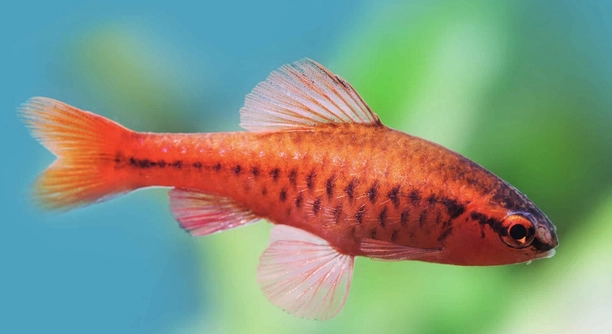
Are your cherry barbs swimming a little more quickly than usual, or perhaps spending extra time hiding in the plants?
Normal cherry barb behavior includes swimming in small groups, displaying vibrant colors, and occasionally darting around. Males may chase females gently, especially during breeding, while both sexes enjoy exploring well-planted areas.
Recognizing these common patterns will help you better care for your cherry barbs and notice early signs of stress or illness.
Typical Day-to-Day Behavior in Cherry Barbs
Cherry barbs are peaceful and active freshwater fish that thrive in groups. During the day, they swim together calmly, often sticking to the middle or lower parts of the tank. You may notice males displaying brighter colors, especially in the presence of females. This is a natural part of their social behavior. They explore their surroundings slowly, weave through plants, and sometimes chase each other in short bursts. This is not aggression—it’s common during mating or playful interactions. Cherry barbs enjoy well-decorated tanks with hiding spots and natural decor. They rest quietly when the lights are off, preferring dim areas. Their swimming patterns are steady and not frantic. Sudden or erratic swimming can indicate stress or illness. They also feed quickly but not aggressively. It’s important to give them a consistent routine, as changes in light or water conditions can cause them to become less active or hide more often.
They feel safest when in a group of at least six, which reduces stress and encourages normal behavior.
Watching your cherry barbs behave this way helps you confirm they’re adjusting well. Their movements, interactions, and color changes are subtle ways they show contentment and comfort in their environment.
Signs That Something May Be Wrong
If a cherry barb begins hiding constantly, loses its color, or stops eating, it may be a sign of stress or poor health.
These fish are sensitive to their environment, and any changes can impact their behavior. Common signs of trouble include clamped fins, gasping near the water surface, or isolating from the group. Unusual aggression or erratic swimming are also concerning. Water quality plays a major role in their well-being. A sudden shift in pH, ammonia spikes, or high nitrates can stress the fish. Overcrowding, poor diet, or incompatible tank mates can also affect them. Cherry barbs may not show symptoms right away, so it’s important to observe their patterns daily. If one is always hiding, breathing heavily, or staying near the filter, it’s best to check your tank conditions immediately. Make sure to test the water and observe interactions closely. Ensuring a quiet environment with stable temperature and routine feeding can help reduce stress and promote healing.
How Environment Affects Behavior
Cherry barbs respond strongly to their surroundings. A calm, stable tank with plants, hiding spots, and gentle filtration encourages relaxed and social behavior. Sudden changes in lighting, loud noises, or poor water conditions can make them stressed and withdrawn.
A tank with the right setup makes a big difference. Cherry barbs enjoy tanks that are at least 20 gallons, with live or artificial plants and soft substrate. They feel safer with hiding spots like caves or driftwood. Keep water temperature between 74–80°F and maintain a steady pH around 6.5–7.5. Use a gentle filter to avoid strong currents, as they prefer calm waters. Make sure tank lighting isn’t too harsh; dim or natural light helps reduce stress. Regular water changes are essential. Clean, well-maintained water supports healthy behavior and prevents illness. A peaceful setup leads to natural swimming patterns, group activity, and brighter colors in both males and females.
When placed in a noisy or unstable environment, cherry barbs often hide more and lose their bright coloration. They may stop eating or separate from the group. Without enough hiding places or proper tank mates, they can become nervous or aggressive. Creating the right habitat helps them feel safe and encourages normal, happy activity.
Feeding Habits and Activity Levels
Cherry barbs are quick and eager during feeding, but not aggressive. They usually swim to the top or middle of the tank when food is introduced. A mix of flakes, pellets, and occasional live or frozen food keeps them active and healthy.
Feed them small portions two times a day. They usually eat all their food in a couple of minutes. Uneaten food can cause water issues, so it’s best to remove any leftovers. Cherry barbs enjoy variety in their diet—brine shrimp, daphnia, or bloodworms once or twice a week gives them extra nutrition and keeps them engaged. During feeding, they may dart around more than usual, showing excitement. Outside of feeding times, their activity level is steady and calm. Overfeeding can make them sluggish or lead to bloating, so sticking to a balanced routine helps maintain energy and natural behavior. Good nutrition supports bright coloration, smooth swimming, and healthy group interaction.
Breeding Behavior in Cherry Barbs
Breeding behavior includes males becoming brighter red and starting to chase females. This chasing is not aggressive—it’s a normal part of their mating display. The female will often swim near plants or quiet corners of the tank.
They scatter eggs rather than lay them in one place. After spawning, adults may eat the eggs, so a separate breeding tank or plenty of plant cover helps protect them.
How Tank Mates Influence Behavior
Cherry barbs do best with peaceful fish that won’t nip or chase them. Good companions include tetras, rasboras, and bottom dwellers like cory catfish. Aggressive or overly active fish can stress them out and cause them to hide more. Keeping a calm tank helps everyone stay healthy and active.
Seasonal Changes to Watch For
During warmer months, you might notice increased activity or breeding behaviors. In cooler conditions or during water changes, they may become less active or show duller colors. Keep the tank temperature steady to help them stay balanced.
FAQ
Why is my cherry barb hiding all the time?
Hiding can be a sign of stress or fear. Cherry barbs often retreat when the tank is too bright, the water quality is poor, or there’s too much noise. It can also happen if they feel unsafe due to aggressive tank mates or lack of hiding spots. If a barb hides constantly, check the water parameters, make sure the temperature is stable, and look at the behavior of other fish. Adding more plants or decorations can help them feel secure. Being in a group of at least six also reduces stress and encourages more active behavior.
What does healthy cherry barb swimming look like?
Healthy cherry barbs swim steadily and smoothly, usually staying in the middle or lower parts of the tank. They move around calmly in small groups and explore their surroundings. During feeding, they may dart around quickly but return to relaxed swimming afterward. If a barb swims in circles, floats oddly, or seems to struggle to stay upright, that can be a sign of illness or swim bladder issues. Rapid darting or crashing into objects is also a warning sign. A balanced diet and stable water quality help maintain smooth, natural swimming patterns.
Do cherry barbs sleep?
Yes, cherry barbs do rest, though they don’t sleep like mammals. At night or when the tank is dark, they become less active and often stay still near the bottom or within plant cover. Their colors may fade slightly during rest, which is normal. It’s important to give them a regular light and dark cycle—around 8 to 12 hours of light per day followed by darkness. Avoid leaving lights on 24/7, as this can stress the fish and disrupt their rest. Providing low lighting in the evening helps them wind down naturally.
Why do the males look brighter than the females?
Male cherry barbs are naturally more colorful, especially when they are trying to attract females or establish dominance. Their bright red color intensifies during breeding periods or when they feel confident in their environment. Females are typically a lighter, more muted color with a rounder body shape. If males are pale or dull, it may mean they are stressed, ill, or unhappy with the tank conditions. Good food, clean water, and a peaceful setup will keep them bright and vibrant. Color is a key indicator of overall health and mood in cherry barbs.
How can I tell if my cherry barbs are stressed?
Signs of stress include hiding, pale coloration, rapid breathing, darting, clamped fins, and a lack of appetite. Stress is usually caused by poor water quality, incorrect temperature, bullying from other fish, or sudden changes in the tank. It can also happen if they are kept alone or in groups that are too small. Always test your water regularly and watch for behavior changes. Fixing the cause of stress early helps prevent illness and keeps the fish active and healthy. A calm, stable environment helps cherry barbs return to normal behavior quickly.
Are cherry barbs aggressive?
Cherry barbs are peaceful and not aggressive by nature. Males may chase females during breeding or show off by flaring their fins, but it usually doesn’t lead to harm. They get along well in community tanks with other peaceful species. However, they can become nervous if surrounded by aggressive fish or kept in too small a group. Keeping them in a proper school of six or more helps reduce any tension and brings out their best behavior. If aggression does appear, it’s usually due to stress or improper tank conditions.
Can cherry barbs live alone?
Cherry barbs are schooling fish and should not be kept alone. A single barb will likely become stressed, inactive, and less colorful. These fish rely on social interaction to feel safe and secure. Keeping them in groups of at least six helps them behave naturally and stay healthy. In groups, you’ll see more active swimming, brighter colors, and better overall mood. Lone cherry barbs are more prone to illness and may hide constantly. If you have one alone, it’s best to add more as soon as possible for their well-being.
How often should I feed my cherry barbs?
Feed cherry barbs twice a day in small amounts they can finish in two to three minutes. Overfeeding leads to water issues and health problems. Use a mix of flakes or pellets with occasional live or frozen treats. Watching their feeding habits can also help you spot changes in behavior. If they suddenly stop eating or seem sluggish during feeding, it may be a sign of stress or sickness. Feeding at the same times daily helps keep them on a routine and makes them more active and responsive during mealtime.
Final Thoughts
Cherry barbs are peaceful, colorful fish that do well in calm, balanced environments. They are not difficult to care for, but they do need the right conditions to stay healthy and behave normally. Keeping them in a group helps them feel secure and brings out their natural habits, like group swimming and playful chasing during breeding times. Their behavior is usually steady and calm, and they enjoy having plants and hiding spots to explore. Bright colors, smooth swimming, and regular feeding behavior are good signs that they are comfortable and healthy. Watching how they move and interact can help you notice early if something isn’t right.
Good tank care makes a big difference. Clean water, the right temperature, and gentle lighting all help cherry barbs stay active and relaxed. Feeding them a varied diet also supports their health and keeps their colors bright. If you see signs of stress, like hiding too much, dull colors, or strange swimming, it’s best to check the water and make sure nothing in the tank has changed too suddenly. Cherry barbs don’t usually act out or show aggression unless something is wrong in their environment. When they are calm and happy, they’ll explore the tank, eat regularly, and interact peacefully with others.
Paying attention to their daily habits can help you understand what’s normal for your fish. Each tank setup is a little different, but the basic needs of cherry barbs stay the same—clean water, safe hiding spaces, a stable group, and peaceful tank mates. When these needs are met, their natural behavior becomes easy to spot and enjoy. Cherry barbs are rewarding to care for because they are gentle, active, and full of color when well looked after. With a little care and daily observation, you can support a healthy, happy tank where your cherry barbs will thrive. Watching their natural behavior is not just helpful for spotting issues—it’s also one of the best parts of having them in your aquarium.

Hello,
If you enjoy the content that we create, please consider saying a "Thank You!" by leaving a tip.
Every little bit helps us continue crafting quality advice that supports the health, happiness, and well-being of pets around the world, for pets of all shapes, sizes, and species.
We really appreciate the kindness and support that you show us!