7 Tricks to Encourage Pleco Exploration
Plecos are fascinating fish, often admired for their unique patterns and calm presence in aquariums. Observing their behavior can be rewarding, but encouraging them to explore their environment requires patience and the right approach. Providing an enriched habitat is key to stimulating Pleco exploration. Introducing hiding spots, driftwood, and varied surfaces encourages movement while maintaining … Read more
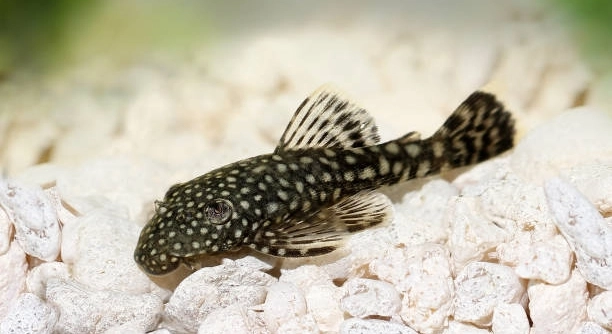
7 Signs Your Tank Is Too Bright for Plecos

Is your aquarium lighting setup making your plecos uneasy or affecting their natural behavior? These peaceful bottom-dwellers thrive in dim environments where they can rest and feel secure throughout the day. Plecos are nocturnal fish that prefer subdued lighting, and excessive brightness can cause stress, hiding behavior, and even health issues. Too much light may … Read more

Can Bristlenose Plecos Get Too Much Light?

Have you ever noticed your Bristlenose Pleco spending a lot of time hiding during the day? These peaceful freshwater fish have unique habits and needs that often surprise new aquarium owners. Light levels can influence their comfort. Bristlenose Plecos can receive too much light, which may stress them and disrupt their natural behavior. Excessive brightness … Read more

Why Is My Pleco Resting in Odd Places?

Do you ever notice your pleco resting in unusual spots around your tank, away from its usual hiding places or the bottom substrate? Many fish owners find these behaviors puzzling and sometimes worrying for their aquatic pets. Plecos often rest in odd places due to environmental factors, stress, or health issues. Changes in water quality, … Read more

7 Reasons Plecos Leave Their Caves

Have you ever noticed your pleco leaving its cave more often than usual, wandering around the tank when it usually stays hidden? Plecos leave their caves primarily due to changes in environmental conditions, breeding behavior, or stress. Factors such as poor water quality, lack of oxygen, overcrowding, and inadequate hiding spots can disrupt their natural … Read more

7 Unusual Foods That Plecos Might Enjoy

Are your plecos showing less interest in the usual algae wafers and vegetables you offer? Many fish owners seek ways to vary their diet while keeping them healthy and engaged. Offering variety can be rewarding. Plecos can benefit from incorporating unusual foods into their diet, including fresh vegetables, certain fruits, and specific protein sources. These … Read more

7 Tips for Peaceful Pleco Community Tanks

Are your plecos showing signs of stress in a shared tank, making you wonder how to maintain a peaceful community environment? Many aquarists face challenges when keeping multiple plecos together in one tank. Maintaining a harmonious pleco community requires attention to tank size, proper hiding spaces, compatible species selection, consistent water parameters, and controlled feeding … Read more

How to Know If Your Pleco Is Fully Grown

Have you ever watched your pleco grow and wondered when it will reach its full size? These fascinating fish change subtly over time, and noticing the signs of maturity can be surprisingly rewarding for any aquarium owner. A pleco is generally considered fully grown when it reaches its species-specific maximum length, shows fully developed fins, … Read more

Should You Use Sand or Gravel for Plecos?

Have you ever found yourself setting up a new aquarium for your plecos and wondering which substrate would suit them best? Choosing the right base material plays a big role in their comfort and overall tank health. Sand is generally a better option for plecos because it allows them to sift and forage naturally without … Read more

Why Plecos Hover Over Filter Output

Do you ever notice your plecos hovering near the filter output, seemingly without purpose? Many aquarists see this behavior daily and wonder why their fish are so drawn to that specific spot in the tank. Plecos hover over filter output primarily to access higher oxygen levels and water movement. This behavior supports their respiration and … Read more