
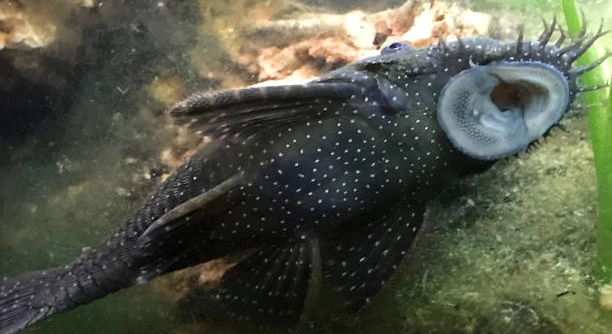
Is your aquarium lighting setup making your plecos uneasy or affecting their natural behavior? These peaceful bottom-dwellers thrive in dim environments where they can rest and feel secure throughout the day.
Plecos are nocturnal fish that prefer subdued lighting, and excessive brightness can cause stress, hiding behavior, and even health issues. Too much light may disrupt their natural activity patterns and lead to poor feeding habits and weakened immunity.
Understanding how lighting impacts plecos will help you create a more comfortable, balanced environment that supports their health and natural behavior.
1. Your Pleco Is Hiding Constantly
Plecos are naturally shy, but excessive hiding can signal that your tank is too bright. In overly lit environments, plecos seek refuge under decorations, driftwood, or plants to escape the glare. When light intensity remains high throughout the day, they become less active, especially during feeding hours. You may notice your pleco refusing to leave its hiding spot even at night, a clear sign of discomfort. In their natural habitat, they thrive in shaded waters where sunlight barely reaches. Bright artificial lighting disrupts this balance, leading to unnecessary stress and reduced activity.
A pleco that spends all its time hiding isn’t adapting; it’s protecting itself. Reducing light intensity or adjusting your lighting schedule can help restore normal behavior. Adding more shaded areas or floating plants will also encourage your pleco to explore more freely without feeling exposed or unsafe.
When lighting feels natural, plecos regain confidence, feed normally, and interact with their surroundings again.
2. Unusual Color Fading
When lighting is too intense, plecos often lose their rich, dark coloration. Their pigment lightens as a stress response, signaling they are uncomfortable with their environment.
A sudden change in color can be alarming, especially when your pleco once displayed deep, healthy tones. Bright lights can trigger this fading effect by overstimulating their sensitive skin and disrupting their natural rhythms. Prolonged exposure may even weaken their immune system, making them more susceptible to diseases. Dim environments, on the other hand, help maintain their natural hues and overall vitality. If your pleco’s color has noticeably faded, it’s time to review your tank setup. Use dimmer bulbs, shorter lighting durations, or floating plants to diffuse brightness. Adjustments should be gradual to avoid further stress. Restoring proper lighting conditions allows your pleco’s natural color to return, helping it feel secure, healthy, and comfortable once again.
3. Your Pleco Avoids Feeding Time
When your pleco refuses to eat, it may be reacting to excessive light. Bright tanks discourage them from coming out, especially during daylight hours when they naturally prefer to rest and hide.
Too much brightness interferes with their nocturnal habits, leading to skipped meals and poor nutrition. You might notice leftover algae wafers or vegetables uneaten each day. Dimming the lights before feeding or scheduling feeding times during the evening encourages normal eating behavior. It’s best to maintain a consistent lighting pattern that allows your pleco to associate dim light with safety and feeding. Providing shaded areas also helps them feel secure enough to eat comfortably. With proper lighting adjustments, their appetite and feeding response typically improve within days.
A relaxed pleco will actively search for food, graze on surfaces, and maintain a steady routine. Balanced lighting helps support better digestion and keeps their energy levels stable.
4. Excessive Algae Growth
Excessive lighting often promotes fast algae growth, especially on tank walls and decorations. This growth can look unsightly and create imbalances in water quality, making the environment uncomfortable for plecos.
When algae grows uncontrollably, it indicates that the light duration or intensity is too high. Plecos do eat algae, but relying on them to manage excessive growth is not sustainable. Overgrown algae can deplete oxygen levels at night and disrupt the tank’s natural balance. Reducing light exposure to about eight hours daily usually helps. You can also use timers to maintain consistent lighting periods, preventing accidental overexposure. Pairing this with live plants helps absorb excess nutrients and keeps algae under control. Proper balance ensures your pleco’s habitat stays clean, shaded, and closer to its natural environment.
5. Restless or Skittish Behavior
Plecos exposed to intense lighting often become restless, darting quickly between hiding spots or staying pressed against tank corners. This behavior reflects discomfort, as the brightness prevents them from relaxing and following their natural nocturnal rhythm.
Over time, this stress can lead to weakened immunity and irregular activity patterns. Maintaining dim, steady lighting helps calm your pleco and restores its natural movement. Subdued lighting paired with shaded spaces creates a balanced environment where your pleco can behave more naturally without showing signs of fear or unease.
6. Cloudy or Irritated Eyes
Bright light exposure can irritate a pleco’s sensitive eyes, making them appear cloudy or swollen over time. Plecos lack eyelids, so continuous light can strain their vision and cause discomfort. Reducing brightness helps protect their eyes and prevents further irritation or long-term damage.
7. Overactive During Daylight Hours
When a pleco becomes unusually active during the day, it often signals stress caused by bright lighting. Normally, plecos rest in shaded areas until evening. Prolonged exposure to light confuses their natural rhythm, leading to daytime overactivity and nighttime exhaustion. Dimming the lights restores a healthy, natural balance.
FAQ
How do I know if my tank light is too bright for my pleco?
If your pleco is constantly hiding, avoiding feeding times, showing faded coloration, or acting restless during the day, these are strong indicators that your tank light is too bright. Observe its behavior across different times and notice whether it seeks shaded areas or avoids open spaces. Bright, harsh lighting disrupts their nocturnal rhythm, making them feel unsafe. Adjusting the light intensity gradually and providing hiding spots can help your pleco feel secure and return to natural activity patterns.
What is the ideal lighting setup for plecos?
Plecos thrive under dim, indirect lighting that mimics their natural habitats. Aim for eight to ten hours of moderate light per day, paired with shaded areas using driftwood, rocks, or floating plants. Avoid direct or overly intense overhead lights. LED lights with adjustable intensity are ideal because you can reduce brightness during the day and create shaded zones. Consistent lighting schedules allow plecos to maintain natural feeding, resting, and activity patterns, reducing stress and promoting better health.
Can bright lighting cause health issues in plecos?
Yes, prolonged exposure to excessive light can lead to stress, weakened immune systems, and even poor feeding habits. Stress makes plecos more susceptible to illness, including fungal infections and fin rot. It also impacts their natural behaviors, such as hiding and nocturnal activity. Providing dim lighting and shaded spaces allows plecos to regulate their stress levels naturally. Regularly monitoring their behavior and adjusting light schedules can prevent long-term health problems, helping plecos maintain strong immune responses and normal growth patterns.
How can I reduce light stress without changing my entire setup?
You don’t need to replace your tank lighting completely. Adding floating plants, driftwood, or decorative caves creates shaded areas where plecos can retreat. You can also dim existing lights, shorten daily lighting duration, or use timers for gradual transitions. Even minor adjustments can make a significant difference. Plecos are sensitive to sudden changes, so implement changes slowly, observing their response to ensure they feel safe. This approach reduces stress while maintaining a visually appealing aquarium.
Are there signs that my pleco is adjusting well to new lighting?
Yes, a pleco that feels comfortable will emerge from hiding more often, feed regularly, and display darker, richer coloration. They may rest in open areas without showing skittish movements or signs of stress. Normal nocturnal activity, calm daytime behavior, and steady appetite are strong indicators that your pleco is adjusting successfully. Consistency in lighting schedules and providing shaded areas are key factors in maintaining this positive adjustment. Monitoring these behaviors daily helps you fine-tune the environment for long-term comfort and health.
Is it okay for plecos to have complete darkness during the day?
Complete darkness is not necessary and can disrupt their overall tank ecosystem, including plant growth and algae balance. Plecos prefer dim, diffused lighting with shaded areas rather than total darkness. A low, consistent light schedule maintains a natural rhythm and supports healthy plant growth while allowing plecos to feel secure. Adjusting light intensity and duration gradually ensures that plecos benefit from a balanced, stress-free environment without affecting the tank’s overall health.
How can I encourage plecos to feed in a brighter tank temporarily?
If you cannot immediately adjust lighting, feeding during lower-light periods, such as early morning or late evening, can help. Introducing shaded feeding zones using caves, plants, or driftwood also encourages them to eat. Using sinking foods that reach the bottom quickly reduces exposure to open bright areas. Observing their behavior and gradually modifying light intensity over time ensures they can feed comfortably while avoiding stress.
What long-term changes improve pleco comfort regarding light?
Maintaining a consistent lighting schedule, providing plenty of shaded spaces, and avoiding high-intensity lights are the most effective long-term strategies. Incorporating plants, caves, and driftwood not only creates retreat areas but also helps regulate light diffusion naturally. Periodically reviewing the tank’s lighting setup ensures it continues to support healthy pleco behavior. Over time, these adjustments reduce stress, encourage natural nocturnal habits, and help plecos maintain vibrant coloration and steady feeding patterns.
Can tank decorations alone help with bright lighting?
Yes, decorations like caves, driftwood, and dense plant coverage provide shelter from excess light. These elements allow plecos to regulate their exposure and reduce stress. Layering decorations strategically across the tank ensures that shaded areas are accessible throughout the day. Even without changing the light source, well-placed decorations can significantly improve pleco comfort, allowing them to feel safe and maintain natural behaviors, including resting, hiding, and feeding.
What is the first step if I notice signs of light stress?
Start by dimming the lights or reducing the duration of illumination. Observe pleco behavior for improvement in hiding, feeding, or coloration. Adding shaded areas and adjusting tank décor helps create safe zones. Implement these changes gradually to prevent further stress. Monitoring their response ensures that your pleco returns to normal activity, regains appetite, and maintains health. Consistency is key to preventing recurring light-related stress.
This FAQ provides guidance to recognize, manage, and prevent bright-light stress, ensuring plecos remain healthy, active, and comfortable in their tanks.
Final Thoughts
Creating a comfortable environment for your pleco is essential to its health and well-being. Bright lighting can unintentionally stress these nocturnal fish, affecting behavior, feeding, and even coloration. Plecos naturally thrive in dimly lit spaces with shaded areas where they can rest during the day. Excessive brightness makes them feel exposed, which can lead to constant hiding, restlessness, and irregular activity patterns. Observing your pleco’s behavior closely is key. If you notice hiding, refusal to eat, or unusual activity, these are signs that adjustments may be necessary. Small, intentional changes to lighting can make a significant difference in helping your pleco feel secure.
Adjusting the tank’s lighting does not always require expensive equipment. Simple solutions such as lowering light intensity, reducing the duration of daily illumination, or providing additional shaded areas can create a more natural environment. Floating plants, driftwood, and caves are particularly effective in giving plecos safe spaces to retreat. These adjustments support their natural behavior, allowing them to feed comfortably, rest during the day, and display normal nocturnal activity at night. Maintaining a consistent lighting schedule is also important. Sudden changes can further stress plecos, so gradual transitions are recommended. Over time, these practices improve overall health, support immune function, and restore natural coloration.
Plecos are sensitive to environmental factors, and light is one of the most impactful. By paying attention to their behavior and making small, deliberate changes, you can provide an environment that mimics their natural habitat. Dim, diffused lighting, shaded zones, and consistent schedules help reduce stress and encourage natural activity. A healthy pleco is more active, feeds regularly, and maintains vibrant coloration, which reflects comfort and well-being. Creating the right balance in lighting not only benefits the fish but also enhances the overall aesthetics and stability of your tank. Monitoring your pleco and responding to its needs ensures it thrives in a safe, natural, and stress-free environment.

Hello,
If you enjoy the content that we create, please consider saying a "Thank You!" by leaving a tip.
Every little bit helps us continue crafting quality advice that supports the health, happiness, and well-being of pets around the world, for pets of all shapes, sizes, and species.
We really appreciate the kindness and support that you show us!