
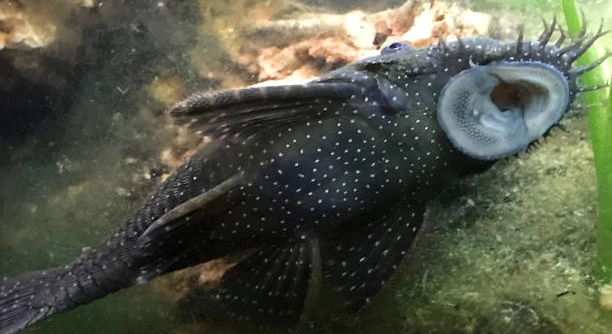
Are your plecos showing less interest in the usual algae wafers and vegetables you offer? Many fish owners seek ways to vary their diet while keeping them healthy and engaged. Offering variety can be rewarding.
Plecos can benefit from incorporating unusual foods into their diet, including fresh vegetables, certain fruits, and specific protein sources. These options can supplement their nutrition, promote natural foraging behaviors, and enhance overall health when offered appropriately.
Exploring these less common options can improve your pleco’s diet and make feeding time more enjoyable for both you and your fish.
Zucchini
Zucchini is a soft, easy-to-digest vegetable that many plecos enjoy. It provides essential nutrients like vitamins A and C, which support their immune system and overall health. When feeding zucchini, slice it into thin rounds or strips so your pleco can easily attach and scrape the surface. Boiling or steaming the zucchini slightly can make it even softer, though some plecos prefer it raw. Rotating zucchini with other vegetables ensures your pleco receives a balanced diet while keeping their interest in food high. Always remove uneaten pieces after 24 hours to prevent water quality issues in the tank. Including zucchini occasionally can encourage natural grazing behavior and provide a fresh alternative to processed wafers. Observing how your pleco interacts with zucchini helps you understand its preferences and adjust feeding routines. Consistency and variety are key for maintaining both nutrition and engagement in your fish.
Zucchini is a safe and nutritious option for plecos. Thin slices or strips work best.
Offering zucchini regularly helps prevent boredom and ensures your pleco receives important vitamins. Preparing it properly encourages healthy grazing behavior while keeping your aquarium clean and stable.
Cucumber
Cucumber is another vegetable plecos may enjoy. Its high water content keeps them hydrated and provides a refreshing texture they can easily scrape from.
To prepare cucumber for plecos, slice it into thin, manageable pieces. You can lightly blanch it to soften the texture, though raw cucumber is often preferred. Many plecos enjoy the mild taste, and it can complement their diet when served alongside other vegetables like zucchini or spinach. Cucumbers are low in calories but contain vitamins and minerals, contributing to overall health. Offering cucumber occasionally adds variety without overwhelming their digestive system. Removing uneaten pieces is important to maintain water quality, as cucumbers can quickly degrade in the tank. Observing which part of the cucumber your pleco prefers—skin, flesh, or seeds—can help refine feeding practices. Incorporating cucumber into your feeding routine encourages natural grazing behavior, keeps your pleco active, and prevents reliance on processed foods alone. Rotating vegetables like cucumber ensures they receive balanced nutrition while keeping their diet interesting.
Sweet Potato
Sweet potato is soft and naturally sweet, making it appealing to plecos. Slice it thinly or cook it slightly to make it easier for them to graze and digest.
Boiled or steamed sweet potato provides fiber and vitamins that support your pleco’s digestive system and overall health. Thin slices or small cubes work best, allowing the fish to attach and scrape pieces comfortably. Offering sweet potato a few times a week adds variety to their diet and helps prevent nutrient deficiencies. Be sure to remove uneaten portions after 24 hours to avoid water contamination. Sweet potato can complement vegetables like zucchini and cucumber, providing a mild flavor and texture difference that keeps feeding interesting. Observing how your pleco interacts with sweet potato can guide future feeding decisions.
Including sweet potato encourages natural foraging habits. Its soft texture and mild taste make it a gentle, nutritious option that most plecos accept readily, helping diversify their diet.
Peas
Peas are rich in fiber and can help prevent constipation in plecos. They should be peeled and softened before offering.
To prepare peas, remove the outer skin and boil or steam them until soft. The inner flesh is easy for plecos to eat and digest. Peas provide essential nutrients like vitamin C and promote digestive health. Offering them occasionally adds variety without overwhelming the tank. Many plecos enjoy picking at the soft flesh, and their natural scraping behavior is encouraged. Monitoring how your pleco consumes peas can help adjust portion sizes for optimal feeding. Always remove leftovers to maintain clean water. Peas are versatile and pair well with other vegetables, ensuring a balanced diet while keeping your pleco engaged during feeding times.
Spinach
Spinach is soft and packed with nutrients, making it an easy addition to a pleco’s diet. Wash it thoroughly to remove any chemicals and chop into small, manageable pieces before offering.
Blanching spinach briefly can soften it further, allowing plecos to scrape it easily. It provides vitamins A and C and minerals like iron, supporting overall health. Removing leftover spinach promptly prevents water quality issues, ensuring the tank remains clean and safe.
Lettuce
Romaine lettuce is mild and hydrating for plecos. Wash it well and cut it into strips or small pieces. It encourages natural grazing and is low in calories. Offering lettuce occasionally adds variety without upsetting digestion or water quality, keeping feeding simple and effective.
Bloodworms
Bloodworms are a protein-rich treat that plecos can enjoy occasionally. Freeze-dried or live forms work well, providing essential nutrients that support growth and vitality.
Carrot
Carrot offers a crunchy texture and natural sweetness that some plecos enjoy. Slice or grate it into thin pieces for easy grazing. Its beta-carotene content supports overall health while providing a change from typical vegetables.
What foods are safe for plecos besides algae wafers?
Plecos can eat a variety of vegetables, fruits, and protein sources in addition to algae wafers. Safe options include zucchini, cucumber, sweet potato, peas, spinach, and lettuce. Small amounts of bloodworms or shrimp can also be offered occasionally. It’s important to prepare vegetables by washing, peeling, or lightly cooking them to make them soft enough for your pleco to scrape and consume comfortably. Avoid offering citrus fruits or anything highly processed. Observing your pleco’s reaction to new foods can help determine which options it prefers, ensuring a balanced and engaging diet.
How often should I feed unusual foods to my pleco?
Unusual foods should complement the main diet rather than replace it. Offering these items two to three times per week is usually sufficient. Overfeeding can lead to water quality issues and digestive problems. Portion control is important—small slices or cubes are ideal, and uneaten food should be removed within 24 hours. Mixing vegetables with occasional protein sources helps maintain proper nutrition while keeping feeding interesting. Rotate foods to prevent boredom and encourage natural grazing behavior. Paying attention to how your pleco consumes these treats will allow you to adjust the frequency and type of food for optimal health.
Can plecos eat fruits?
Some fruits can be offered in small amounts, but moderation is key. Apples, pears, and melon are generally safe when peeled and chopped into small pieces. Avoid citrus fruits, which can irritate the digestive system. Fruits provide extra vitamins and hydration but should never replace vegetables or protein sources in the diet. Always remove uneaten fruit promptly, as it can quickly spoil and affect water quality. Introducing fruits gradually helps your pleco adjust and reduces the risk of digestive upset. Observing how your pleco reacts to each fruit can help you determine preferences and maintain a balanced feeding plan.
How do I prepare vegetables for plecos?
Vegetables should be washed thoroughly to remove chemicals and dirt. Soft vegetables like zucchini or cucumber can be sliced thin or cut into strips, while harder ones like sweet potato or carrot should be boiled or steamed briefly to soften them. Leafy greens such as spinach and lettuce can be lightly blanched or offered raw in small pieces. Peeling vegetables like peas or carrots helps plecos access the edible part more easily. Always remove uneaten portions within 24 hours to maintain water quality. Proper preparation ensures your pleco can feed effectively and receive the nutrients it needs without risking digestive issues.
Are there any protein options for plecos?
Yes, plecos can eat protein occasionally to supplement their diet. Bloodworms, brine shrimp, and small pieces of cooked shrimp are safe choices. Protein should only be offered in moderation, as their main diet should remain plant-based. Overfeeding protein can lead to water pollution and digestive issues. Freeze-dried options are convenient, but live or frozen alternatives may be more enticing. Observing how your pleco reacts helps you understand which protein sources it prefers. Combining protein with vegetables ensures balanced nutrition and encourages natural feeding behaviors without disrupting the overall diet plan.
How can I prevent water quality issues when feeding unusual foods?
Remove uneaten food after 24 hours to prevent spoilage and maintain water quality. Cut vegetables into small pieces to encourage full consumption. Monitor feeding closely, especially with soft fruits or vegetables that can quickly decay. A consistent feeding schedule and proper portion control reduce the risk of leftover food polluting the tank. Use a small feeding dish or clip vegetables to prevent them from floating and decomposing. Regular water changes and tank maintenance complement feeding habits, ensuring a clean and healthy environment. Maintaining good water quality is crucial for the overall health and longevity of plecos.
Is it normal for plecos to ignore new foods at first?
Yes, plecos can be cautious when introduced to unfamiliar foods. They may need several attempts before trying new vegetables, fruits, or protein. Offering food at different times or lightly preparing it, such as blanching vegetables, can encourage acceptance. Patience is important, and avoiding sudden diet changes reduces stress. Observing preferences over time helps create a varied and balanced diet that your pleco will consistently enjoy. Some plecos develop clear favorites, while others are more willing to experiment. Adjusting feeding methods and monitoring reactions ensures successful incorporation of unusual foods into their routine.
Can feeding too many unusual foods harm my pleco?
Yes, excessive feeding of unusual foods can disrupt digestion and affect water quality. A plant-based diet should remain the foundation, with other foods as occasional supplements. Overfeeding protein or high-sugar fruits may lead to obesity or health issues. Balanced portions and rotation help maintain proper nutrition without overwhelming the digestive system. Monitoring intake and removing leftovers prevents spoilage. Gradual introduction and careful observation are key to safely expanding your pleco’s diet. Keeping variety moderate ensures your fish benefits from the nutrients of unusual foods without compromising tank conditions or overall health.
How do I know if my pleco is getting enough nutrition?
A healthy pleco is active, maintains a good body shape, and shows consistent growth. Bright, clear eyes, intact fins, and regular grazing behavior indicate adequate nutrition. Lack of interest in food, lethargy, or weight loss may signal dietary deficiencies. Regularly rotating vegetables, protein, and occasional fruits ensures a varied diet. Monitoring feeding habits and tank conditions, including water quality, supports optimal health. If concerns arise, consult aquatic care guides or experts to adjust feeding routines. Consistent observation and careful management help maintain a pleco’s long-term well-being and dietary balance.
Can plecos share unusual foods with other fish?
Some plecos may share vegetables and protein with tank mates, but competition can occur. Monitor feeding to ensure all fish get access without stress or aggression. Offering multiple pieces or feeding in different areas helps prevent conflict. Observing interactions ensures fair distribution and maintains tank harmony. Certain foods, like soft vegetables or protein treats, may attract attention from other species, so careful management is essential. Rotating unusual foods and monitoring pleco behavior supports a healthy diet while minimizing disputes and ensuring every fish benefits from added nutrition.
Plecos are fascinating fish that benefit from a varied diet beyond the usual algae wafers. Incorporating vegetables like zucchini, cucumber, spinach, and lettuce provides essential nutrients while encouraging natural grazing behavior. Soft vegetables are easier for plecos to consume, but slightly harder options like sweet potato or carrots can also be offered if prepared properly. Including occasional protein sources such as bloodworms or shrimp helps maintain overall health and supports growth. Introducing a mix of these foods keeps feeding interesting for your pleco and allows you to observe their preferences, which can help refine your feeding routine. Over time, you may notice which foods your pleco enjoys most, making it easier to plan meals that are both nutritious and engaging. Proper preparation is important, from washing vegetables to lightly cooking or peeling when necessary. Removing uneaten food promptly is essential to avoid water quality issues, which can affect your pleco’s health and the overall tank environment.
Maintaining a balanced diet for your pleco is not difficult once you understand their needs. Vegetables should make up the bulk of their diet, while protein and fruit should be offered in moderation. Introducing unusual foods gradually allows your pleco to adjust without causing stress or digestive problems. Watching your pleco’s behavior during feeding can provide clues about its health and preferences. Active grazing, consistent appetite, and a healthy body shape are signs that your feeding plan is working well. Tank cleanliness and water quality remain important factors alongside diet. Uneaten food, especially soft vegetables or fruit, should be removed promptly to prevent decay and maintain a stable environment. Consistency in feeding schedules and proper portion control help ensure that your pleco receives the nutrition it needs without overfeeding. By observing and adjusting based on your fish’s reactions, you can create a routine that supports long-term health.
Variety is key for a healthy pleco diet. Rotating vegetables, occasional fruits, and small amounts of protein helps prevent boredom and ensures your fish receives a range of vitamins and minerals. Over time, plecos may show distinct preferences for certain foods, but providing multiple options allows them to choose while still meeting nutritional needs. Small changes in preparation or presentation can make certain foods more appealing, such as lightly blanching vegetables or cutting them into shapes that are easy to grasp. Feeding should remain simple and manageable while keeping the pleco engaged. Observing water quality, removing uneaten food, and monitoring your pleco’s overall health are all part of maintaining a successful diet. With careful planning and attention, plecos can enjoy a varied, nutritious, and balanced diet that supports their well-being and encourages natural behavior. A thoughtful approach to feeding ensures that your pleco remains healthy, active, and satisfied throughout its life.

Hello,
If you enjoy the content that we create, please consider saying a "Thank You!" by leaving a tip.
Every little bit helps us continue crafting quality advice that supports the health, happiness, and well-being of pets around the world, for pets of all shapes, sizes, and species.
We really appreciate the kindness and support that you show us!