Can Bristlenose Plecos Hear Sounds?

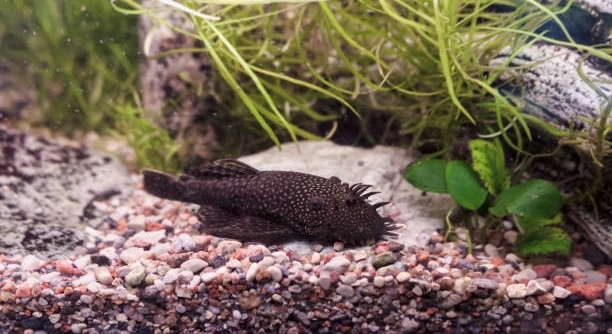
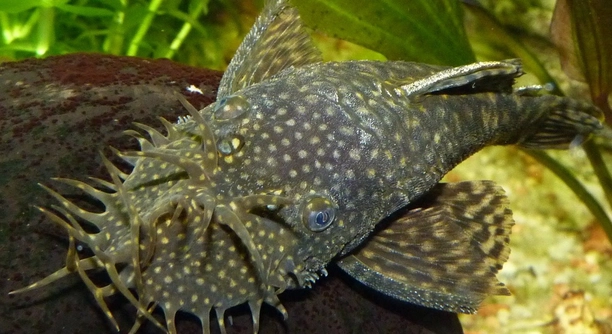
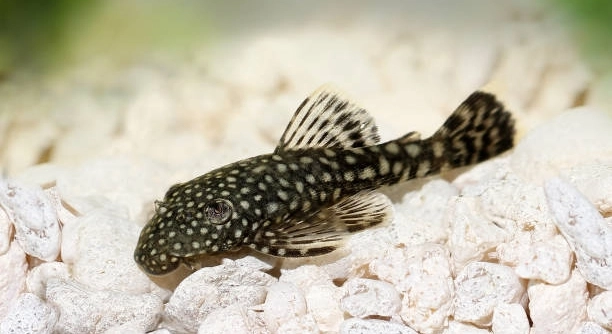
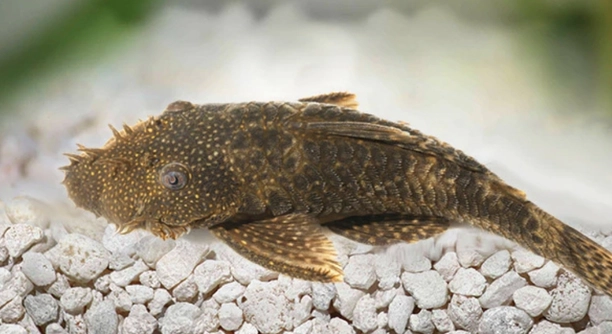
Bristlenose plecos are popular freshwater fish known for their algae-eating habits and unique appearance. Many aquarium enthusiasts enjoy observing their behavior, especially how they interact with their environment and respond to changes in their tank. Bristlenose plecos do not have traditional ears but can detect vibrations and low-frequency sounds through their inner ear and lateral … Read more
7 Ways to Boost Pleco Immune Health

Are your plecos showing signs of sluggishness or frequent illness? Maintaining their immune health is essential for a thriving aquarium. Ensuring the right environment, diet, and care routines can significantly improve their overall well-being. Boosting pleco immune health requires consistent attention to water quality, balanced nutrition, and environmental enrichment. Providing appropriate foods, maintaining stable tank … Read more

7 Times You Should Feed Plecos Differently

Paragraph 1:Plecos are popular aquarium fish, admired for their algae-eating habits. Feeding them properly can sometimes be tricky, as their diet needs change based on age, species, and tank conditions. Paragraph 2:Plecos require varied feeding approaches in different situations, including growth stages, health conditions, water temperature, and seasonal changes. Adapting their diet ensures proper nutrition, … Read more

Why Your Pleco Might Be Avoiding Light

Have you ever noticed your pleco spending most of its time hiding in dark corners or behind aquarium decorations instead of swimming freely? Plecos naturally avoid light because they are nocturnal fish. Their bodies are adapted for low-light environments, where they can safely feed and rest. Bright lighting can cause stress and discomfort, leading them … Read more

7 Weird Pleco Habits That Are Actually Normal

Do you ever notice your pleco scraping the glass or hiding in corners for hours at a time? These behaviors can seem strange, but they are common patterns in the daily life of these unique aquarium fish. Plecos display behaviors such as constant grazing, hiding in tight spaces, and nocturnal activity as part of their … Read more

Is It Normal for a Pleco to Be This Still?

Is your pleco staying unusually still in the aquarium, leaving you unsure about its health or behavior? Many pleco owners notice periods of inactivity and wonder if this is a cause for concern. Observing these patterns is normal. Plecos often remain motionless for extended periods due to their natural nocturnal behavior and resting patterns. Being … Read more

Do Bristlenose Plecos React to Tank Lights?

Have you ever noticed your Bristlenose Plecos moving differently when the tank lights are on or off? These small, armored catfish are fascinating pets that respond subtly to changes in their environment and routine. Bristlenose Plecos do respond to tank lighting, primarily through changes in activity levels. Bright lights may cause them to seek hiding … Read more

7 Things Plecos Do When They’re Anxious

Do you ever notice your pleco acting differently, hiding more often, or refusing to eat the way it usually does? Plecos display anxious behavior through several actions, including hiding excessively, rapid fin movement, loss of appetite, and erratic swimming patterns. These behaviors often indicate environmental stress, poor water conditions, or sudden changes in their surroundings. … Read more

7 Subtle Signs of Pleco Health Problems

Are your plecos showing unusual behavior or changes in appearance that you cannot explain? Many fish owners may overlook small details, yet these can be early signals of health concerns in their aquatic pets. Plecos often display subtle signs of health problems, including changes in appetite, coloration, and activity levels. Recognizing these indicators promptly can … Read more

Why Your Pleco Might Be Laying Still All Day

Is your pleco spending most of the day resting in one spot, barely moving? Many owners notice this behavior and feel concerned about their fish’s health and activity levels. It is a common situation in home aquariums. Plecos often remain still for extended periods due to environmental factors, water quality, or natural behaviors. Low oxygen … Read more