
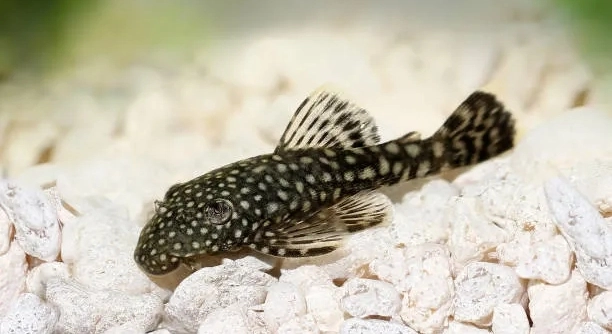
Do you ever notice your pleco scraping the glass or hiding in corners for hours at a time? These behaviors can seem strange, but they are common patterns in the daily life of these unique aquarium fish.
Plecos display behaviors such as constant grazing, hiding in tight spaces, and nocturnal activity as part of their natural instincts. These habits support feeding, protection, and territorial needs, ensuring their survival and overall well-being in a captive environment.
Understanding these odd yet normal habits can help you care for your pleco more effectively and appreciate their quirky daily routines.
Scraping the Glass
Plecos often spend a lot of time scraping algae off the aquarium glass. This behavior is completely normal and is part of their feeding routine. While it may look repetitive or obsessive, it is simply how plecos clean their environment and get nutrition. Plecos are bottom feeders and naturally graze on surfaces, which includes glass, decorations, and plants. The scraping motion helps them remove algae and biofilm while also exercising their mouths and bodies. Sometimes plecos will even scrape more when stressed, but as long as they have hiding spaces and proper water conditions, this is not a problem. Observing them can be oddly satisfying because it demonstrates their natural instincts. Keeping the tank clean and offering them algae wafers or fresh vegetables will also support this habit. Regular scraping indicates your pleco is active and healthy, following its instinctual feeding patterns.
This glass-scraping behavior helps maintain their diet and supports their natural instincts, contributing to overall health in the aquarium.
Plecos’ constant grazing on surfaces is normal. They do not overeat but instead nibble steadily. Providing additional food like zucchini or spinach ensures they get enough nutrients. Watching them scrape glass or driftwood is part of understanding their daily routine.
Hiding for Hours
Plecos love to hide during the day.
Hiding is natural because plecos are nocturnal. It allows them to feel safe and reduces stress. Providing caves, driftwood, or dense plants encourages this behavior and gives them privacy.
During the day, plecos often retreat to corners, under rocks, or behind decorations. This hiding instinct is a survival mechanism inherited from their natural habitat, where staying out of sight reduces the risk of predators. Even in a safe aquarium, plecos maintain this pattern. Some plecos may spend most of the light hours hidden, emerging only at night to feed or explore. It is important not to disturb them while hiding, as it can cause stress and affect their health. Offering multiple hiding spots of different sizes allows them to choose comfort and security. Over time, you will notice their preference for certain spots and patterns, which helps you understand their personality and habits. Respecting their need for concealment promotes a stress-free environment and ensures long-term well-being.
Nocturnal Activity
Plecos are most active at night. Their feeding, swimming, and exploration peak during dark hours. This nocturnal pattern is normal and reflects their natural behavior in rivers and streams.
At night, plecos leave their hiding spots and start grazing across the tank, inspecting surfaces for algae or leftover food. They may swim slowly, stopping frequently to nibble, or explore driftwood and decorations. This behavior can seem odd because it contrasts with daytime inactivity, but it is entirely expected. Nocturnal habits help them feel safe and allow them to feed efficiently without competing or being stressed by bright light. Tank lights can be dimmed to encourage activity during natural periods and reduce disruption of their rhythm. Understanding this cycle helps you provide a comfortable environment and anticipate their movement patterns. Observing them at night reveals their normal, instinctive behaviors in action.
Plecos’ nighttime activity includes grazing, swimming, and resting intermittently. They follow natural rhythms, which is essential for overall health and comfort.
Sucking on Objects
Plecos often attach themselves to tank surfaces or decorations with their mouths. This is a feeding behavior, not a sign of illness.
By sucking on objects, plecos remove algae and biofilm while exercising their mouths. This behavior mimics natural feeding in rivers where they cling to rocks and driftwood. The suction also provides stability in flowing water and helps them maintain position while grazing. Plecos are equipped with specialized mouths that allow them to cling securely without harm. Offering driftwood, smooth rocks, and other safe surfaces encourages this natural behavior. Over time, you may notice they prefer certain textures or locations for extended periods. This habit is normal and indicates a healthy feeding routine, reflecting their instinctive need to explore surfaces for nutrition and security.
Providing surfaces for plecos to attach to supports their grazing and helps replicate natural feeding behaviors. Regular observation ensures they remain active and healthy.
Tail Waving
Plecos sometimes wave their tails while resting or moving slowly. This small movement is normal and helps them maintain balance in flowing water or while gripping surfaces.
Tail waving can also help with breathing by circulating water around their gills. It is a subtle, natural behavior that indicates a healthy pleco.
Climbing Surfaces
Plecos occasionally climb decorations, rocks, or glass. This is part of their natural exploration and feeding routine, not a sign of distress. Climbing helps them reach algae, exercise their bodies, and find secure spots within the tank.
Breathing at the Surface
Some plecos rise to the surface to gulp air. This is normal, especially for species with modified digestive systems that can absorb oxygen from the air.
FAQ
Why does my pleco scrape the glass constantly?
Glass scraping is a natural feeding behavior. Plecos are bottom feeders that graze on algae and biofilm, and the glass provides a convenient surface. Frequent scraping does not indicate a problem as long as your pleco has proper nutrition and clean water. Providing algae wafers or fresh vegetables can supplement their diet.
Is it normal for my pleco to hide all day?
Yes, hiding is common because plecos are nocturnal. They feel safer in caves, under driftwood, or behind decorations. This behavior reduces stress and allows them to rest during daylight hours. Offering multiple hiding spots ensures comfort and security, helping them thrive in the aquarium.
Why is my pleco more active at night?
Plecos are naturally nocturnal, which means their activity peaks at night. They explore, graze, and swim more during dark periods. Maintaining a dim lighting schedule and leaving them undisturbed during the day supports this natural rhythm. Observing them at night reveals normal feeding and movement patterns.
Why does my pleco attach to objects in the tank?
Attaching to surfaces is a normal feeding and stabilization behavior. Plecos use their mouths to cling to rocks, driftwood, or glass while grazing on algae. This suction also helps them stay in place in flowing water. Providing various textures encourages natural exploration and supports their feeding instincts.
Why does my pleco wave its tail?
Tail waving helps with balance and stability. It allows plecos to maintain position on uneven or moving surfaces. This subtle movement also assists with water circulation around their gills, aiding respiration. Tail waving is normal and usually indicates an alert and healthy fish.
Why does my pleco climb decorations or rocks?
Climbing is part of natural exploration and feeding behavior. Plecos may climb to reach algae, navigate their environment, or find a secure resting place. This activity exercises their body and mirrors behaviors they would perform in the wild, helping maintain their physical and mental health.
Why does my pleco sometimes breathe at the surface?
Some pleco species gulp air from the surface to supplement oxygen intake. This is especially common in species with modified digestive systems that absorb oxygen. As long as the water is clean and well-oxygenated, occasional surface breathing is normal and not a cause for concern.
Can plecos coexist peacefully with other fish while displaying these habits?
Yes, plecos generally coexist well with other non-aggressive species. Their habits, including hiding, grazing, and climbing, usually do not disturb tank mates. Providing enough space, hiding spots, and feeding options minimizes stress and promotes harmony in a community aquarium.
How can I tell if my pleco’s behavior is unhealthy?
Signs of concern include lethargy, rapid breathing, discoloration, or refusal to eat. Deviations from normal grazing, hiding, or nocturnal activity may indicate stress or illness. Regular observation and maintaining clean water, appropriate temperature, and diet help prevent problems. Intervention should follow careful assessment of these factors.
Do plecos need special surfaces for grazing?
Plecos benefit from surfaces like driftwood, smooth rocks, and aquarium-safe decorations. These provide areas for algae growth and mimic their natural environment. Variety in surfaces encourages natural feeding behavior, keeps them active, and supports their physical and mental well-being in captivity.
Why do plecos sometimes ignore food during the day?
Being nocturnal, plecos are less active and may not eat much during daylight hours. Their feeding patterns are concentrated at night, so occasional daytime fasting is normal. Ensuring nighttime access to food and providing algae-covered surfaces aligns with their natural habits.
How much should I feed my pleco?
Feed plecos enough to maintain healthy growth without overfeeding. Algae wafers, vegetables, and occasional protein sources are appropriate. Monitor their grazing and adjust portions to prevent excess waste while ensuring they have adequate nutrition for normal behaviors.
Are these weird habits different for juvenile plecos?
Juvenile plecos often display more active grazing and exploration. Hiding may be more frequent due to size and vulnerability. As they grow, nocturnal patterns, tail movements, and surface attachment behaviors become more consistent. Observing changes over time helps understand their development and needs.
Can tank setup affect pleco behavior?
Yes, tank size, decoration, lighting, and water flow all influence behavior. Adequate hiding spots, varied surfaces, and appropriate water conditions encourage natural habits. Poorly set-up tanks may increase stress, reduce activity, or change grazing and hiding patterns. Optimizing the environment supports normal, healthy behaviors.
Do plecos need interaction or enrichment?
Plecos do not require social interaction but benefit from environmental enrichment. Driftwood, plants, and varied surfaces keep them active and reduce boredom. Rotating decorations or adding new grazing surfaces encourages exploration, supporting mental stimulation and maintaining natural habits over time.
Plecos are fascinating fish with a range of habits that can seem unusual at first glance. From scraping glass to hiding for hours and climbing surfaces, these behaviors are completely normal and rooted in their natural instincts. Understanding that plecos are nocturnal and prefer to explore at night helps put their daily routines into perspective. Many of their habits, such as tail waving or attaching to objects, are simply ways to maintain balance, feed efficiently, and interact with their environment. Recognizing these behaviors as normal allows aquarium owners to provide better care and a more suitable habitat, which contributes to the fish’s overall well-being. Observing them closely can also deepen appreciation for their unique patterns and personality, making the experience of keeping plecos both educational and rewarding.
Providing the right environment is key to supporting these natural behaviors. Plecos thrive in tanks with varied surfaces like driftwood, smooth rocks, and safe decorations that encourage grazing and exploration. Hiding spots, such as caves or densely planted areas, are essential for reducing stress and allowing the fish to feel secure. Water quality, proper filtration, and consistent temperature also play a major role in their comfort and activity levels. Feeding routines that include algae wafers, vegetables, and occasional protein supplements help maintain their nutrition while supporting natural grazing behavior. Paying attention to these elements ensures that plecos can express their instincts safely and comfortably, which in turn promotes longevity and health. Taking these steps demonstrates how understanding pleco behavior directly improves the aquarium experience.
Observing plecos over time reveals their individuality and natural tendencies. Some may prefer certain hiding spots or surfaces for grazing, while others may explore more actively at night. These patterns are not random but reflect their species-specific behaviors that have developed over generations. Accepting their quirks, such as occasional surface breathing or extended tail waving, as normal can reduce unnecessary concern and enhance the care provided. Maintaining a consistent routine, providing enrichment, and monitoring water conditions allows plecos to thrive while exhibiting these habits naturally. Overall, understanding and respecting the unique behaviors of plecos fosters a more harmonious tank environment and a more satisfying experience for both the fish and their caretaker.

Hello,
If you enjoy the content that we create, please consider saying a "Thank You!" by leaving a tip.
Every little bit helps us continue crafting quality advice that supports the health, happiness, and well-being of pets around the world, for pets of all shapes, sizes, and species.
We really appreciate the kindness and support that you show us!