
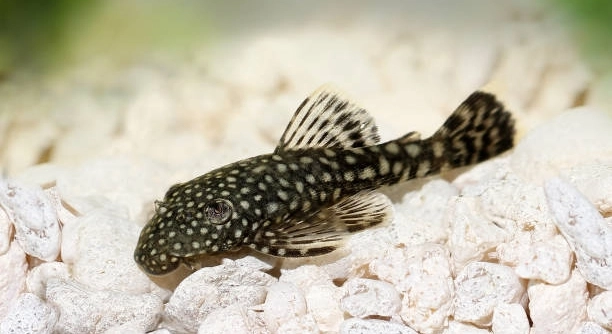
Have you ever noticed your Bristlenose Plecos moving differently when the tank lights are on or off? These small, armored catfish are fascinating pets that respond subtly to changes in their environment and routine.
Bristlenose Plecos do respond to tank lighting, primarily through changes in activity levels. Bright lights may cause them to seek hiding spots, while dim or off lights encourage exploration and feeding behavior, reflecting their nocturnal and crepuscular tendencies.
Understanding how lighting affects these fish can improve tank management and ensure their comfort and wellbeing over time.
How Tank Lights Affect Pleco Behavior
Bristlenose Plecos are mostly active during low-light conditions. When tank lights are on, they often hide under driftwood, plants, or cave decorations. This behavior is natural, as they evolved in environments where daytime activity was limited. Observing them during bright lighting may give the impression they are lazy or inactive, but they are simply adjusting to the conditions. These fish rely on subtle cues like light intensity and duration to regulate their feeding and resting schedules. By providing hiding spots and dim lighting periods, you can encourage natural activity. Over time, consistent lighting schedules help them feel secure, reducing stress. Many aquarists notice that Plecos will come out more readily during dawn or dusk simulations. The presence of other tank mates also influences their behavior, as Plecos prefer less competition for food in brightly lit areas. Keeping a balance between light and shade ensures they thrive.
Their activity is closely linked to how bright the tank lights are and the length of exposure.
Monitoring your tank lighting carefully can improve both behavior and overall health. Adjusting light levels gradually helps Plecos feel more comfortable, and observing their patterns provides insight into their needs. Some aquarists use timers to mimic natural light cycles, which can reduce stress and encourage regular feeding. The type of lighting matters too; softer, full-spectrum lights are less intrusive than harsh LEDs. By offering shaded zones, Plecos can choose when to rest or explore. This control over their environment also minimizes conflicts with more active fish. Over time, understanding these responses allows for better tank planning, including decoration placement and light scheduling. The goal is to replicate natural habitats as closely as possible while keeping feeding and maintenance practical. Watching Plecos adapt to these adjustments shows how sensitive they are to light and demonstrates that small changes can significantly affect their comfort and behavior in a home aquarium.
Signs Your Plecos Are Stressed by Light
Stress can appear as hiding excessively or avoiding feeding under bright lights.
If Plecos are uncomfortable with the lighting, you may notice reduced movement or reluctance to leave hiding spots. Excessive stress can weaken their immune system, making them prone to illness. Adjusting light intensity and offering shaded areas can restore natural behavior, helping them feel secure while encouraging healthy activity levels. It is important to observe these signs early, as prolonged stress may lead to more severe issues like stunted growth or aggression toward tank mates. Using natural decorations like plants or driftwood provides both cover and comfort. Gradual changes in lighting schedules also help them adapt without sudden disruptions. Consistent observation allows for timely interventions, ensuring Plecos maintain their normal feeding and swimming habits. Creating an environment that balances light exposure and hiding opportunities ensures a healthier, more active fish, reflecting their natural instincts while thriving in captivity.
Best Lighting Practices for Bristlenose Plecos
Providing a balance between light and shade helps Plecos feel secure. They respond well to soft lighting and areas where they can hide, which encourages natural activity patterns.
Using dim lighting or adjustable LEDs can mimic dawn and dusk, which aligns with their crepuscular nature. Too much brightness may cause them to hide for long periods, reducing feeding and interaction. Arranging driftwood, caves, and plants strategically gives them control over their environment, allowing them to come out when they feel safe. Timers can help maintain consistent light cycles, reducing stress. Over time, Plecos show more confidence and engage in natural behaviors, making them easier to care for. Gradual adjustments are better than sudden changes, as Plecos are sensitive to abrupt shifts in lighting conditions. Proper planning ensures a healthier, more active fish while maintaining a visually appealing aquarium.
Consistent lighting routines improve both comfort and health for your Plecos, preventing stress and irregular behaviors.
Observing Behavior Changes Under Different Light
Bristlenose Plecos show clear differences in activity when lighting changes. Bright lights often make them retreat, while dim or off lights encourage exploration.
When adjusting lighting, you might notice increased feeding and swimming during softer light periods. Bright, continuous lighting can lead to prolonged hiding and reduced interaction, which may affect growth and overall health. These fish benefit from having shaded areas that replicate natural hiding spots, letting them control exposure. Over time, careful observation allows you to see patterns in activity and rest. Recording these behaviors helps optimize tank lighting schedules. Observing changes under different light conditions also reveals preferences for specific hiding spots or surfaces, which can guide decoration placement. Properly balanced lighting contributes to natural behaviors, reduces stress, and encourages a thriving, active Pleco population.
Monitoring responses to light changes ensures Plecos remain healthy and adapt comfortably to their environment, improving their overall quality of life.
Common Mistakes with Tank Lighting
Leaving lights on for too long can stress Bristlenose Plecos. They need periods of darkness to maintain natural behavior.
Using overly bright bulbs or placing lights too close to hiding areas can make Plecos avoid feeding spots. Balanced lighting prevents unnecessary stress and supports healthy activity.
Using Timers to Regulate Light
Timers help maintain consistent light cycles, which Plecos respond to positively. Regular schedules reduce stress and encourage predictable feeding and activity patterns. Gradually adjusting on and off times replicates natural day-night cycles, helping Plecos feel secure. Consistency is key to promoting healthy behaviors.
Signs of Overexposure
Excessive light can cause Plecos to hide constantly, eat less, or appear lethargic. Watch for changes in movement patterns.
FAQ
Do Bristlenose Plecos need bright lighting?
Bristlenose Plecos do not require bright lighting. They are naturally adapted to shaded or dim environments, often hiding under driftwood or plants. Bright lighting can cause stress and reduce activity. Soft, indirect light with plenty of hiding spots is ideal to support their natural behaviors.
How long should the tank lights be on each day?
A daily cycle of 8 to 10 hours of light is sufficient for Bristlenose Plecos. This mimics their natural habitat and allows periods of darkness for resting. Using timers can help maintain consistent cycles, reducing stress and encouraging regular feeding patterns.
Can Plecos adapt to strong LED lighting?
They may adjust slowly, but constant exposure to strong LEDs can cause hiding and lethargy. Gradual increases in brightness and creating shaded areas allow them to choose their comfort level. Avoid sudden, high-intensity lighting.
Do Plecos come out at night?
Yes, they are mostly nocturnal or crepuscular. They are more active during dawn, dusk, or at night when light levels are low. Offering dim light or shaded areas during the day helps replicate their natural cycle.
Is it okay to use colored lights in the tank?
Colored lights can be used if they are not overly bright. Soft red or blue lighting can create a low-stress environment and may encourage activity, especially during feeding or night observation. Avoid intense or flashing colored lights.
What signs indicate my Pleco is stressed by light?
Hiding constantly, avoiding food, staying at the bottom without moving, or showing rapid breathing are common stress signs. Reducing brightness, creating shaded zones, and observing activity patterns can help alleviate stress.
Should I turn off the lights completely at night?
Yes, Plecos benefit from full darkness at night. A period of darkness helps regulate their biological rhythms and encourages normal nocturnal behavior. Use timers to ensure consistent light-off times.
Can lighting affect Pleco growth?
Indirectly, yes. Stress from inappropriate lighting may reduce feeding, which can slow growth. Providing proper light cycles and shaded areas supports natural feeding and activity, promoting healthy development.
Do Plecos need light for plants in their tank?
Plants do need light, but Plecos require dim areas. Using adjustable lighting or creating shaded spots with decorations allows both plants and fish to thrive without stress. This balance maintains healthy aquarium conditions.
Is it necessary to change the lighting type for Plecos as they grow?
Not necessarily. The key is maintaining soft, low-stress lighting with sufficient hiding spots. Growth does not require a change in light type, but lighting should continue to support comfort and natural behavior.
Can I observe Plecos without stressing them?
Yes, by keeping lights dim or indirect and approaching the tank slowly. Avoid sudden changes in lighting or movement near the tank to prevent startling them. Observing during dawn or dusk periods often provides the best view of activity.
Do Plecos respond to seasonal light changes?
They may react to longer or shorter light periods, showing changes in activity or hiding behavior. Simulating natural seasonal light cycles gradually can help maintain normal patterns without causing stress.
Are all Plecos equally sensitive to light?
Sensitivity varies slightly between individuals. Some may tolerate brighter areas better, while others prefer near-total shade. Providing a variety of light and hiding options allows each fish to choose its comfort level.
Does light intensity affect breeding behavior?
Yes, proper lighting encourages natural behaviors including breeding. Bright, constant lights may inhibit breeding by causing stress. Dim, consistent light cycles with shaded areas create a safer environment for spawning activities.
How do I know if my Pleco is comfortable with the lighting?
Comfortable Plecos will explore during low light, feed regularly, and use hiding spots as needed without excessive retreat. They display relaxed swimming and normal interaction with tank mates, showing healthy adjustment to their environment.
Final Thoughts
Bristlenose Plecos are fascinating fish that respond strongly to their environment, and lighting plays a big role in how they behave. Unlike some fish that can tolerate constant bright lighting, Plecos are naturally adapted to dim, shaded areas. Bright lights can make them retreat to hiding spots and reduce their activity, while softer or indirect light encourages them to explore and feed. Observing these responses can help you understand your Pleco’s preferences and adjust your tank setup accordingly. Over time, noticing when your Pleco is most active or comfortable can give insights into its daily routine and help you provide a more suitable environment.
Providing a balanced lighting schedule is essential for their wellbeing. Timers are very useful because they create consistent light cycles that mimic natural day and night patterns. Too much light or sudden changes can stress your Pleco, making it hide more often or eat less. By giving your fish a mix of shaded and open areas in the tank, you allow it to control its exposure to light. Driftwood, plants, and caves are excellent additions that create secure spots while still letting you see your fish during calmer periods. Gradual adjustments to light intensity are better than abrupt changes, as Plecos are sensitive to sudden shifts in their environment. Over time, you will notice that a Pleco in a well-managed lighting setup is more active, feeds reliably, and interacts comfortably with its surroundings.
Paying attention to lighting is also a part of overall tank health. Light affects not only the fish but also the plants and other decorations that make up the tank ecosystem. Proper lighting encourages normal behavior, reduces stress, and supports healthy growth. Watching your Pleco’s habits under different lighting conditions can help you make better decisions about tank placement, lighting type, and schedule. It also helps you recognize early signs of discomfort or stress so you can take action before problems develop. Ultimately, understanding how light influences Bristlenose Plecos allows you to create an environment that supports both their physical health and natural instincts, ensuring they remain active, comfortable, and thriving in your care.

Hello,
If you enjoy the content that we create, please consider saying a "Thank You!" by leaving a tip.
Every little bit helps us continue crafting quality advice that supports the health, happiness, and well-being of pets around the world, for pets of all shapes, sizes, and species.
We really appreciate the kindness and support that you show us!