
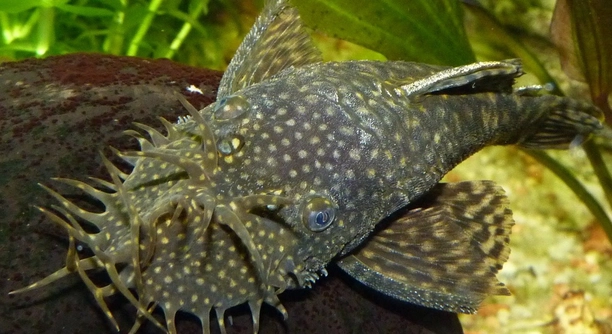
Is your pleco staying unusually still in the aquarium, leaving you unsure about its health or behavior? Many pleco owners notice periods of inactivity and wonder if this is a cause for concern. Observing these patterns is normal.
Plecos often remain motionless for extended periods due to their natural nocturnal behavior and resting patterns. Being still is typically a sign of normal activity cycles, rather than illness, unless accompanied by visible signs of stress or disease.
Monitoring your pleco regularly helps identify any unusual changes in behavior, ensuring its overall well-being and providing peace of mind for responsible care.
Understanding Pleco Resting Behavior
Plecos are naturally nocturnal, which means they are most active during the night and often remain still during the day. It is normal for them to cling to surfaces like driftwood, rocks, or tank glass, appearing motionless for hours at a time. This resting behavior allows them to conserve energy, digest food, and feel secure in their environment. Stress, sudden changes in water parameters, or tank overcrowding can make them hide or stay still longer than usual, but occasional inactivity is not a sign of illness. Observing the tank closely during feeding times or in low-light conditions can reveal that your pleco is actually moving more than it appears. Providing a well-structured environment with hiding spots and maintaining stable water conditions supports natural behavior. Over time, you will recognize your pleco’s unique routine and learn what is typical for your specific fish, helping you distinguish normal rest from potential health concerns.
Even if your pleco seems motionless, it may be actively digesting food or adjusting to the tank environment.
Monitoring water quality, maintaining regular feeding schedules, and providing hiding spots all encourage healthy rest and activity cycles.
When Stillness Becomes a Concern
Extended stillness can sometimes signal underlying health issues.
If your pleco remains motionless for unusually long periods, shows labored breathing, loses appetite, or develops discolored patches, it may be experiencing stress or illness. Common causes include poor water quality, low oxygen levels, or parasites. Testing water regularly for ammonia, nitrites, and nitrates, maintaining proper filtration, and ensuring the tank is not overcrowded are essential steps in preventing health problems. Observing how your pleco responds to feeding or gentle tank movement can indicate whether the inactivity is natural or concerning. Sudden changes in behavior often require prompt action, such as adjusting water conditions or consulting an aquatic veterinarian. Small interventions, like adding driftwood or plants, can reduce stress and encourage natural movement, while consistent care helps detect problems early. Recognizing the difference between normal resting behavior and signs of distress ensures your pleco stays healthy and your aquarium remains balanced.
Environmental Factors Affecting Pleco Activity
Water temperature and quality directly affect pleco activity. Sudden changes can make them lethargic or hide for longer periods. Stable conditions are essential.
Plecos thrive in warm, clean water with moderate flow. Fluctuating temperatures, high ammonia, or low oxygen can cause stress, leading to extended stillness. Providing hiding spots like caves or driftwood helps them feel secure and encourages normal movement. Consistent maintenance, including partial water changes and testing, supports a healthy environment. Observing your pleco during feeding and quiet hours gives insight into its true activity patterns. Noticing changes early helps prevent long-term stress and potential illness.
Tank decorations and layout can influence how often plecos move. Open spaces may make them stay still more, while hiding areas encourage exploration. Adjusting placement of structures gradually can increase comfort and activity.
Feeding and Activity Levels
Proper feeding impacts how active plecos are. Skipping meals or overfeeding can change their behavior.
Plecos often become still after eating as they digest food. A balanced diet with algae wafers, vegetables, and occasional protein ensures they get energy without overworking their digestive system. Overfeeding can cause bloating or water quality issues, resulting in less movement. Observing when your pleco feeds and how quickly it returns to hiding helps determine if inactivity is normal. Feeding at consistent times can create predictable activity patterns, reducing stress.
Monitoring eating habits, portion sizes, and the type of food helps maintain consistent activity. Adjusting diet based on behavior ensures plecos remain healthy and engaged with their environment. Encouraging movement through structured feeding and suitable tank layout can improve overall well-being.
Common Signs of Stress in Plecos
Stress can make plecos unusually still or hide for long periods. Changes in behavior often indicate discomfort.
Signs of stress include rapid breathing, loss of appetite, or clamped fins. Observing these early helps prevent health issues.
Lighting and Tank Setup
Bright lighting can make plecos hide or stay still. Dim, natural-like lighting encourages normal activity. Proper tank layout with caves, driftwood, and plants provides security and promotes movement. Adjusting light gradually helps plecos adapt without sudden stress.
Handling and Interaction
Frequent handling or tapping on the glass can make plecos freeze. Minimal disturbance allows natural behavior to continue uninterrupted.
FAQ
Why is my pleco so still during the day?
Plecos are naturally nocturnal, so daytime stillness is normal. They conserve energy while resting on surfaces like driftwood, rocks, or the tank glass. Being motionless during the day doesn’t automatically mean there’s a health problem. Observing them at night usually shows more activity.
Could my pleco be sick if it stays still too long?
Extended stillness combined with other signs like labored breathing, loss of appetite, or visible lesions may indicate stress or illness. Checking water quality, tank temperature, and oxygen levels is important. Prompt intervention, such as adjusting water parameters or consulting an aquatic veterinarian, can prevent serious health issues.
Is hiding all the time normal for plecos?
Yes, hiding is part of their natural behavior, especially if they feel threatened or the tank lacks sufficient hiding spots. Plecos feel secure in caves, behind driftwood, or dense plants. Over time, they will move around more when they feel safe, particularly during feeding.
Does tank size affect pleco activity?
Smaller tanks can make plecos feel confined, leading to longer periods of stillness. Providing adequate space and hiding areas encourages exploration. A tank that is too small or overcrowded can stress plecos and reduce their natural movement. Observing activity patterns helps assess if the environment is suitable.
Can water temperature make my pleco less active?
Yes. Plecos prefer stable, warm water. Sudden drops in temperature or inconsistent heating can make them lethargic. Maintaining a consistent temperature appropriate for the species, usually between 74–80°F (23–27°C), supports normal activity. Using a reliable heater and thermometer helps avoid unexpected stress.
How does diet affect pleco movement?
A balanced diet influences energy levels. Plecos often rest after eating while digesting food. Overfeeding can lead to bloating and inactivity, while underfeeding can leave them weak and still. Algae wafers, fresh vegetables, and occasional protein maintain energy and encourage normal movement. Feeding at consistent times helps regulate activity patterns.
Will bright lights make my pleco stay still?
Strong or constant lighting can stress plecos and make them hide or remain motionless. Dim, natural-like lighting helps them feel secure and encourages exploration. Gradually adjusting light intensity can reduce stress and promote a more active routine.
How often should I check my pleco’s behavior?
Daily observation is ideal to notice changes in activity or appetite. Short, regular checks during feeding or quieter periods give insight into normal behavior. Early detection of unusual stillness or stress helps address problems before they become serious.
Do plecos interact with other fish while staying still?
Even when motionless, plecos observe their surroundings and may interact minimally with tank mates. They rarely seek out social interaction but will respond if threatened or during feeding. Providing sufficient hiding spots ensures other fish do not disturb their rest.
When should I be concerned about a still pleco?
If stillness comes with visible physical changes, erratic breathing, or refusal to eat over several days, it is a sign to take action. Testing water quality, reviewing tank conditions, and consulting an expert are necessary steps to ensure the pleco’s health.
How can I encourage my pleco to be more active?
Offering appropriate hiding spots, maintaining stable water conditions, feeding a balanced diet, and minimizing disturbances encourages movement. Gradual adjustments to lighting or tank layout can also help your pleco feel secure enough to explore the tank naturally.
Are some plecos just naturally less active?
Yes. Different pleco species have varying energy levels. Some naturally rest more and move less, even at night. Learning the typical behavior for your specific species allows you to differentiate between normal inactivity and signs of stress or illness.
Can stress from tank changes make plecos still?
Yes. Sudden water changes, new tank mates, or rearranging decorations can cause stress. Plecos may stay still or hide more frequently until they adapt. Gradual introductions and maintaining familiar structures reduce stress and support normal activity.
Do plecos sleep like humans?
Plecos have resting periods but don’t sleep in the same way humans do. They enter a low-activity state, often hiding or clinging to surfaces. Recognizing these rest cycles helps distinguish normal behavior from potential health concerns.
What is the best way to monitor my pleco’s activity?
Regularly observe during feeding times and low-light periods. Note changes in movement, breathing, or interactions. Keeping a simple log of behavior patterns helps identify when stillness is normal versus when it might indicate a problem, ensuring long-term health and comfort.
This FAQ provides detailed answers to common concerns, helping you understand your pleco’s stillness, resting habits, and environmental needs.
Final Thoughts
Observing a pleco remain still in an aquarium can feel concerning, especially for new fish owners. It’s important to remember that stillness is often a natural part of a pleco’s behavior. Many plecos are nocturnal, spending much of the daytime resting on surfaces like rocks, driftwood, or tank glass. Their quiet periods allow them to conserve energy, digest food, and feel secure in their environment. Occasional inactivity does not automatically indicate illness. Paying attention to feeding times and subtle movements during low-light hours can give a better understanding of your pleco’s true activity patterns. Learning these habits over time helps distinguish between normal resting behavior and signs of potential stress or health issues.
Maintaining stable water conditions is one of the most significant ways to ensure a pleco’s comfort and health. Sudden changes in temperature, water chemistry, or oxygen levels can make a pleco hide or stay still longer than usual. Regular water testing, partial water changes, and proper filtration help create a balanced environment that supports natural activity. Tank layout also plays a role. Hiding spots, driftwood, and plants allow plecos to feel safe while encouraging movement when they are ready. Observing how a pleco interacts with its surroundings and other tank inhabitants helps monitor stress levels and overall well-being. Providing consistent care, balanced feeding, and a structured habitat ensures your pleco can maintain its natural routines without unnecessary stress.
Behavioral differences between species are another important consideration. Some plecos are naturally less active than others, even at night. A pleco that spends long periods resting but otherwise appears healthy, eats regularly, and responds to the environment is likely following its normal pattern. Stress, illness, or poor environmental conditions are usually accompanied by other signs such as labored breathing, discolored patches, or loss of appetite. Understanding your specific species’ tendencies allows for more accurate observation and care. By monitoring water quality, feeding routines, and tank conditions while respecting natural resting habits, you can support a pleco’s health and well-being. Over time, patience and careful observation will make it easier to distinguish normal stillness from behavior that requires attention, giving both you and your pleco a more comfortable and predictable aquarium experience.

Hello,
If you enjoy the content that we create, please consider saying a "Thank You!" by leaving a tip.
Every little bit helps us continue crafting quality advice that supports the health, happiness, and well-being of pets around the world, for pets of all shapes, sizes, and species.
We really appreciate the kindness and support that you show us!