
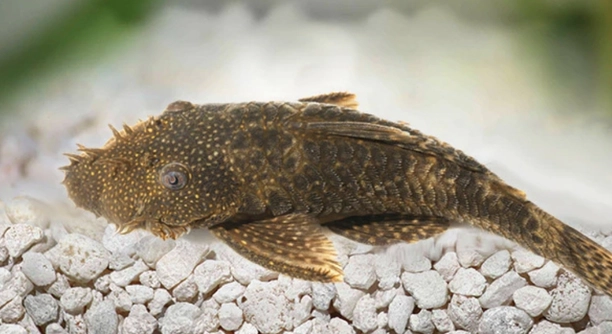
Are your plecos showing unusual behavior or changes in appearance that you cannot explain? Many fish owners may overlook small details, yet these can be early signals of health concerns in their aquatic pets.
Plecos often display subtle signs of health problems, including changes in appetite, coloration, and activity levels. Recognizing these indicators promptly can prevent serious illness and improve overall well-being, supporting a longer and healthier life in captivity.
Observing minor changes closely can make a significant difference in maintaining your pleco’s health and comfort in its environment.
Changes in Appetite
A sudden change in your pleco’s appetite is often one of the first signs of health issues. If your fish usually eats consistently but begins to refuse food, it may be experiencing stress, illness, or digestive problems. Changes in diet, water quality, or tank conditions can also impact feeding behavior. Observing mealtime carefully allows you to notice even slight shifts, like eating more slowly, nibbling less, or avoiding certain foods entirely. In some cases, a pleco may appear to be eating normally but still lose weight, signaling internal issues. Monitoring both quantity and quality of food intake is important. Adjusting the tank environment and maintaining stable conditions can prevent many minor feeding problems. If changes persist, consulting a vet or fish specialist is advisable. Early intervention improves the chance of recovery and prevents more severe complications.
Loss of appetite can indicate stress or disease, making it crucial to track feeding patterns regularly.
Tracking what and how much your pleco eats provides valuable insight into overall health. It allows you to identify subtle problems before they worsen. Sudden refusal of food is rarely normal and should always be investigated. Sometimes, small adjustments to diet, temperature, or water chemistry can restore appetite. Other times, medical attention is necessary. Observing how the fish interacts with food and noting any weight loss can prevent long-term health damage. Feeding habits are often the first sign something is wrong, giving owners a chance to act promptly.
Unusual Swimming Patterns
Odd or erratic swimming behavior often signals that something is off with your pleco. Floating at the surface, struggling to maintain position, or swimming in circles can indicate stress, swim bladder issues, or water quality problems.
Plecos may also cling more to surfaces or hide excessively if they feel unwell. Consistent monitoring of swimming habits helps detect subtle changes early. Adjusting tank parameters and maintaining stable conditions can improve behavior.
Observing movement patterns closely gives insight into the fish’s health status. Swim bladder disorders, caused by infection or poor diet, often result in floating or sinking problems. Stress from overcrowding, sudden temperature changes, or poor water quality can make plecos swim erratically or cling to tank walls. Even minor deviations from normal behavior are significant, as plecos are generally calm and steady swimmers. Providing a balanced diet, clean water, and adequate hiding spots reduces stress and promotes proper swimming. Documenting behavior over time helps track improvements or worsening conditions. Promptly addressing these issues supports recovery and prevents more serious complications, ensuring your pleco maintains normal activity levels and overall vitality.
Changes in Coloration
Color fading or unusual spots on your pleco can signal illness, stress, or poor water conditions. A healthy pleco usually has consistent, vibrant coloration.
Shifts in color may appear gradually or suddenly. Stress from overcrowding, rapid temperature changes, or poor water quality often causes paler skin. Fungal or bacterial infections can also create blotches, patches, or discoloration. Observing these changes early helps prevent long-term damage. Nutritional deficiencies sometimes lead to dull colors, so maintaining a balanced diet is important. Recording changes over time allows you to track the fish’s condition and adjust care as needed.
Coloration changes often accompany other symptoms like lethargy or reduced appetite. Noting whether spots are raised, fuzzy, or irregular helps identify possible infections. Water parameters like pH, ammonia, and nitrate levels directly affect skin health. Regular monitoring and timely treatment can restore normal coloration. Consistency in temperature, diet, and tank cleanliness reduces stress-related fading. Plecos may recover color once conditions stabilize, but prolonged neglect can lead to permanent dulling. Maintaining vigilance ensures your pleco stays vibrant and healthy.
Excessive Hiding
When a pleco hides more than usual, it may be stressed, sick, or uncomfortable with its environment. Increased hiding can indicate illness or poor tank conditions.
Stress from overcrowding, aggressive tank mates, or sudden environmental changes can drive plecos to seek shelter constantly. Hiding excessively may also be linked to infections or parasites. Observing when and how often a pleco hides provides insight into its overall health.
Consistent excessive hiding can mask other symptoms, making it harder to notice issues like changes in appetite or swimming behavior. Providing ample hiding spots is normal, but sudden increases in hiding time signal potential problems. Monitoring tank water quality, temperature, and compatibility with other fish helps address stress factors. Health issues such as infections, injuries, or internal parasites may also lead plecos to retreat more than usual. Tracking behavior and making small adjustments in tank care can reduce stress and encourage more visible, active behavior. Regular observation is key to maintaining both comfort and well-being.
Frayed Fins
Frayed or torn fins can be a clear sign of injury, infection, or poor water quality. Plecos rely on healthy fins for balance and movement, so damage should be addressed promptly.
Fins may deteriorate due to aggressive tank mates, rough decorations, or bacterial infections. Regularly inspecting fins helps catch problems early.
Labored Breathing
Labored breathing, such as rapid gill movement or gasping at the surface, often signals low oxygen levels or gill infections. Monitoring water parameters is crucial to prevent this condition.
Poor water quality, high ammonia, or nitrite levels can stress plecos, making breathing difficult. Infections caused by parasites or bacteria may also affect gill function. Ensuring adequate filtration, regular water changes, and proper oxygenation can improve breathing.
Swelling or Bloating
Swelling in the abdomen can indicate digestive issues, internal parasites, or organ problems. Observing shape and size changes helps detect these issues early.
FAQ
How can I tell if my pleco is stressed?
Signs of stress include hiding more than usual, loss of appetite, fading coloration, or erratic swimming. Stress often results from poor water quality, overcrowding, aggressive tank mates, or sudden environmental changes. Monitoring behavior and maintaining stable tank conditions can reduce stress.
What should I do if my pleco stops eating?
Loss of appetite can signal illness or environmental problems. First, check water parameters like temperature, pH, ammonia, and nitrate levels. Ensure the diet is appropriate and varied. If appetite doesn’t return within a few days, consult a vet or fish specialist.
Why is my pleco’s color fading?
Color changes often result from stress, poor water quality, illness, or dietary deficiencies. Consistent monitoring of tank conditions and providing a balanced diet can restore natural coloration. Discoloration paired with lethargy or loss of appetite may indicate infection.
What causes frayed fins in plecos?
Frayed fins can occur from physical injury, rough decorations, fighting with other fish, or bacterial infections. Maintaining clean water, separating aggressive tank mates, and observing for additional signs like redness or swelling helps prevent worsening.
How can I improve my pleco’s breathing?
Labored breathing may be caused by low oxygen, poor filtration, high ammonia, or gill infections. Ensure proper aeration, regular water changes, and monitor water quality closely. Prompt action prevents serious health problems.
Why is my pleco hiding all the time?
Excessive hiding often indicates stress, illness, or environmental discomfort. Plecos need hiding spots, but sudden changes in hiding behavior can signal problems. Check tank conditions, compatibility with other fish, and signs of infection or injury.
What does swelling or bloating mean?
Abdominal swelling can indicate constipation, digestive issues, internal parasites, or organ problems. Monitor feeding, provide fiber-rich foods like vegetables, and check for other symptoms like lethargy. Persistent swelling should be addressed by a professional.
Can water quality affect pleco health?
Yes, poor water quality is one of the main causes of illness. High ammonia, nitrite, or nitrate levels stress plecos and can lead to color fading, fin damage, labored breathing, or reduced appetite. Regular testing and water changes are essential.
How often should I check my pleco’s health?
Daily observation is ideal for spotting subtle changes in behavior, appetite, swimming, or appearance. Regular monitoring helps detect health issues early and prevents them from becoming severe. Keep a log to track changes over time.
Are diet changes necessary for pleco health?
A varied diet supports strong immunity, growth, and coloration. Plecos benefit from algae wafers, vegetables, and occasional protein. Dietary deficiencies can cause fading color, bloating, and reduced activity. Adjust food type and amount as needed for a healthy balance.
What are common signs of infection in plecos?
Redness, frayed fins, unusual spots, swelling, labored breathing, or persistent hiding may indicate bacterial, fungal, or parasitic infections. Quick intervention, maintaining clean water, and consulting a specialist improves recovery chances.
When should I consult a vet for my pleco?
Consult a professional if changes in behavior, appetite, coloration, or breathing persist beyond a few days despite proper tank care. Rapid deterioration, swelling, or multiple symptoms require urgent attention. Early intervention is key to successful treatment.
Can stress affect pleco lifespan?
Chronic stress weakens the immune system and can shorten lifespan. Maintaining stable water conditions, compatible tank mates, adequate hiding spots, and a proper diet helps reduce stress and supports long-term health.
How can I prevent common pleco health problems?
Regular water testing, consistent feeding, proper tank size, balanced diet, and monitoring for subtle signs of illness all contribute to preventing health issues. Early observation and care are the most effective strategies for keeping plecos healthy.
Is it normal for plecos to be active at night only?
Yes, plecos are nocturnal and often feed and swim actively at night. Daytime hiding is typical, but sudden increases in hiding or lethargy can indicate health or environmental issues that need attention.
What equipment helps maintain pleco health?
Reliable filtration, aeration, heaters (if needed), and water testing kits are essential. Clean tanks, stable temperatures, and proper oxygenation prevent stress and disease. Proper equipment makes routine monitoring easier and improves long-term health.
How do I identify subtle changes in pleco behavior?
Observe feeding, swimming, hiding patterns, and interactions with other fish daily. Note even small deviations like slower swimming, reduced feeding, or changes in coloration. Documenting behavior over time helps detect problems before they become serious.
Can tank mates impact pleco health?
Yes, aggressive or territorial fish can stress plecos, leading to hiding, fin damage, or reduced appetite. Choosing compatible species and providing enough space and hiding spots minimizes conflict and supports well-being.
Are there environmental signs that indicate pleco health issues?
Cloudy water, high ammonia, fluctuating temperature, or overcrowding can directly impact pleco health. Regular maintenance, water testing, and proper tank setup are key to preventing stress and illness.
How long does it take for plecos to recover from minor illness?
Recovery depends on the condition, water quality, diet, and care provided. Minor issues may improve within days with proper adjustments, while infections or internal problems can take weeks and may require professional treatment. Early detection improves recovery speed and outcome.
Final Thoughts
Taking care of plecos requires attention to detail and consistent observation. These fish are generally hardy, but subtle changes in behavior, appearance, or appetite can indicate health problems early. Regularly checking water quality, maintaining proper tank conditions, and monitoring interactions with other fish are essential for keeping your pleco healthy. By paying close attention to your pleco’s daily habits, you can spot issues before they become serious. Small adjustments, such as improving filtration, adjusting diet, or providing more hiding spots, can make a noticeable difference in their overall well-being. Even minor signs, like fading color, frayed fins, or hiding more than usual, deserve attention, as they often point to environmental stress or early stages of illness. Consistent care and observation are the foundation for preventing long-term health problems.
Providing a balanced diet is equally important for maintaining a pleco’s health. While they feed on algae, many plecos require additional vegetables or protein sources depending on the species. A varied diet supports strong immune function, healthy coloration, and proper growth. Observing feeding habits closely helps detect changes in appetite, which can be one of the first signs of health issues. If your pleco begins eating less or avoiding certain foods, it may indicate stress, digestive problems, or illness. Paying attention to these details allows you to make adjustments quickly, such as changing food type or portion size, without waiting for more obvious signs of poor health. Nutrition, combined with stable tank conditions, contributes greatly to a pleco’s long-term vitality and overall quality of life.
Maintaining a stable and clean environment is just as crucial as monitoring health and diet. Regular water changes, proper filtration, and temperature control reduce stress and prevent infections. Plecos are sensitive to sudden changes, so gradual adjustments and consistency help them thrive. Observing behavior patterns daily allows you to detect early warning signs, from labored breathing to unusual swimming. These observations, combined with proactive care, can prevent many common health problems. Investing time in monitoring, providing proper nutrition, and maintaining a stable environment ensures your pleco lives a longer, healthier life. Understanding the needs of your fish and responding promptly to subtle signs of trouble is the most effective way to support their well-being. By combining observation, diet, and tank management, you can create a safe and comfortable habitat that encourages natural behavior and promotes overall health.

Hello,
If you enjoy the content that we create, please consider saying a "Thank You!" by leaving a tip.
Every little bit helps us continue crafting quality advice that supports the health, happiness, and well-being of pets around the world, for pets of all shapes, sizes, and species.
We really appreciate the kindness and support that you show us!