7 Clues That Black Molly Want to Mate

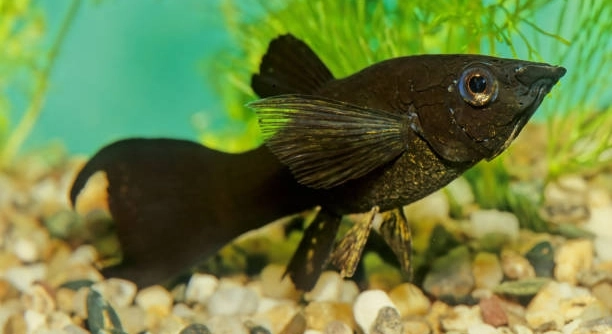
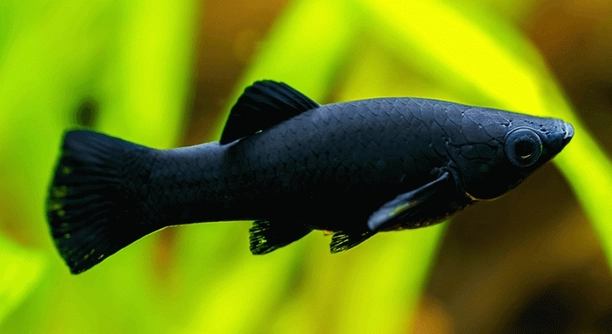
Have you ever watched your black mollies swim around and sensed a small change in their behavior? Their movements can become more focused and lively, creating a calm yet engaging atmosphere in their aquatic space. Black mollies display mating interest through increased chasing, flaring fins, and staying close to potential partners. These actions reflect rising … Read more
Why Black Molly Hang Around in Circles

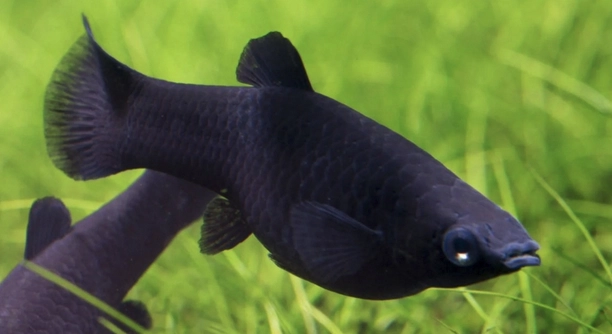
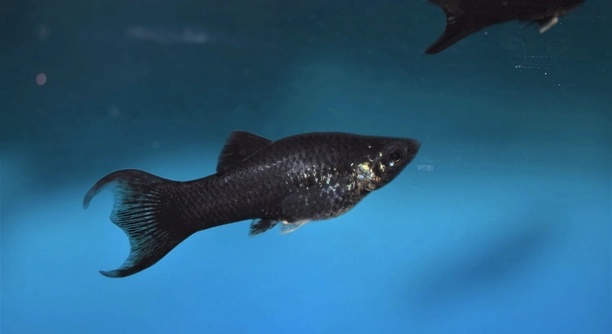
Keeping a Black Molly tank healthy relies on careful, consistent care. These lively fish do best in stable conditions, where predictable routines reduce stress and the risk of illness. Daily attention ensures they remain active and vibrant. Key aspects to monitor daily include water temperature, pH levels, ammonia, nitrite, nitrate, feeding patterns, and the behavior … Read more

7 Essential Tank Accessories for Black Molly

Do you ever find yourself admiring the lively colors of your Black Molly swimming gracefully in its tank? Keeping these fish healthy requires more than clean water; proper tank accessories can enhance their well-being and environment. The essential tank accessories for Black Molly include a reliable filter to maintain water quality, a gentle heater to … Read more

7 Things That Help Black Molly Adjust to New Tanks

Do you ever bring a new black molly home and notice it hiding or acting shy in the tank? Adjusting to a new environment can be stressful for these fish, especially in unfamiliar surroundings. Helping a black molly adapt to a new tank involves maintaining stable water conditions, providing hiding spots, introducing compatible tank mates, … Read more

7 Tank Flow Mistakes That Stress Black Molly

Are your Black Molly fish swimming frantically or hiding more than usual in your tank? Many aquarists overlook subtle water flow issues that can cause stress, impacting their fish’s health and overall behavior in the aquarium. Excessive or poorly directed tank flow can overwhelm Black Molly fish, leading to fatigue, weakened immune systems, and disrupted … Read more

7 Tank Adjustments to Make Black Molly More Active

Are your Black Mollies swimming slowly or hiding in corners more than usual? Many aquarists notice periods when these lively fish seem less active. Small changes in their environment can significantly affect their energy and behavior. To increase activity, consider seven key tank adjustments. Adjusting water temperature, enhancing filtration, improving lighting, providing adequate hiding spots, … Read more

7 Tips for Handling Black Molly During Water Changes

Do you ever notice your black molly acting nervous when you perform water changes? These small, lively fish can be sensitive to changes in their environment, making routine maintenance a bit more challenging for fishkeepers. Handling black molly during water changes requires careful attention to water parameters and stress reduction. Gradual water replacement, temperature matching, … Read more

Why Are My Black Molly Fry Resting Together in One Spot?

Do your Black Molly fry often gather in one corner of the tank, seemingly resting together? This behavior is something many fish owners notice, especially when the little fry seem unusually still and close to each other. Black Molly fry often rest together in a single spot due to environmental comfort, social behavior, and stress … Read more

What Causes Black Molly to Rub Against Gravel?

Black mollies are lively fish that add charm to any freshwater aquarium. Observing them closely can reveal interesting behaviors, such as rubbing against gravel, which may leave owners puzzled or concerned about their well-being. Black mollies often rub against gravel due to external parasites, skin irritation, or minor injuries. This behavior can also indicate a … Read more

What Fry Positioning Can Reveal About Their Health

Fry often display unique positions in their tanks, which can reflect how comfortable and healthy they are in their environment. Observing their movements can give insights into their daily habits and overall wellbeing. Fry positioning can indicate a range of health conditions, including swim bladder issues, stress levels, and potential nutrient deficiencies. Consistent monitoring of … Read more