
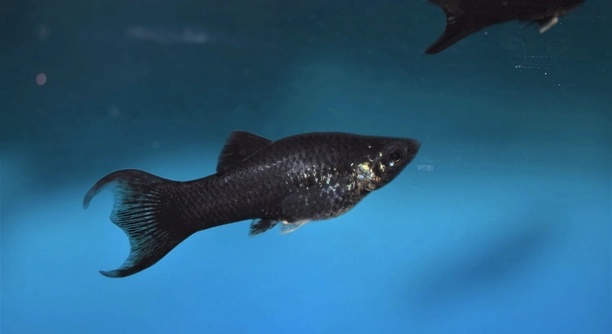
Do you ever find yourself admiring the lively colors of your Black Molly swimming gracefully in its tank? Keeping these fish healthy requires more than clean water; proper tank accessories can enhance their well-being and environment.
The essential tank accessories for Black Molly include a reliable filter to maintain water quality, a gentle heater to stabilize temperature, hiding spots for security, plants for natural enrichment, and monitoring tools to ensure optimal living conditions.
Understanding these key additions will improve your fish’s habitat and daily life. Each accessory plays a role in supporting their health, behavior, and long-term happiness in the aquarium.
Filter and Water Circulation
A strong filter is crucial for maintaining clean water in a Black Molly tank. These fish are sensitive to toxins like ammonia and nitrites, which can accumulate quickly in a small tank. A reliable filter not only removes debris but also promotes healthy bacteria growth. This bacteria helps break down waste naturally, keeping the environment safe. I always prefer a filter with adjustable flow because Black Mollies are not strong swimmers, and strong currents can stress them out. Regular maintenance of the filter, including rinsing and replacing filter media as needed, ensures consistent water quality. Adding an air stone alongside the filter can improve oxygenation, which is particularly important in warmer tanks. Clean water supports their immune system, encourages active swimming, and helps them maintain vibrant coloration. Investing in a good filter pays off in reduced stress and fewer health problems over time, making daily tank care much easier.
Filters not only clean the water but also keep it moving gently, which prevents stagnation and supports fish health consistently.
Beyond basic filtration, positioning plants and decorations strategically ensures smooth water flow throughout the tank. Combining biological filtration with natural elements creates a balanced environment that mimics their natural habitat. The filter’s location matters too; placing it near the tank’s corner avoids strong currents in swimming areas while still circulating water effectively. Over time, filter maintenance becomes part of a routine that prevents buildup of harmful chemicals and debris. Observing water clarity and smell is an easy way to track performance. Additionally, pairing filtration with regular partial water changes enhances overall stability. Black Mollies thrive in stable water conditions, and consistent filtration helps reduce stress-related behaviors such as hiding or lethargy. Understanding how filtration integrates with the tank ecosystem ensures that fish remain active and healthy. Filters also support live plants by circulating nutrients, contributing to a more natural and visually appealing aquarium.
Heater and Temperature Control
Maintaining a steady temperature is important because Black Mollies prefer slightly warm water.
A heater ensures the water stays between 74 and 80 degrees Fahrenheit. Sudden drops in temperature can stress the fish, weakening their immune system and making them more susceptible to illness. I recommend using a reliable heater with a built-in thermostat to avoid constant monitoring. Placing the heater near the tank’s flow helps distribute warmth evenly. Thermometers are also essential for tracking temperature daily. Even minor fluctuations can affect breeding behavior and activity levels. Some heaters come with safety features that turn off the unit if water levels drop, which adds peace of mind. Combining a heater with a timer-controlled lighting system helps mimic natural day and night cycles, contributing to healthier, more vibrant fish. Proper temperature control reduces the risk of disease and supports long-term growth.
A steady warm environment encourages active swimming and proper feeding behavior in Black Mollies.
When installing a heater, position it near the filter to help circulate warm water throughout the tank. Avoid placing decorations directly in front of the heater, which can block flow and create uneven temperature zones. Regularly check the thermometer and adjust the heater as needed, especially during seasonal changes. Combining heater use with partial water changes prevents sudden drops in temperature and maintains stability. Some aquarists use dual heaters in larger tanks to ensure even distribution. Temperature consistency also supports plant health, as fluctuating heat can cause leaves to deteriorate. Monitoring temperature alongside water quality parameters helps maintain an optimal environment for the fish. Consistent warmth encourages natural behaviors, reduces stress, and promotes reproduction in Black Mollies. Over time, managing temperature becomes second nature and contributes significantly to their overall well-being.
Hiding Spots and Decorations
Hiding spots reduce stress for Black Mollies by giving them safe areas to retreat. Caves, rocks, and dense plants help them feel secure and mimic natural shelter, encouraging more active and confident swimming throughout the tank.
Arranging decorations thoughtfully can prevent territorial disputes. Black Mollies enjoy exploring and resting in shaded areas, so placing plants and caves along the tank edges creates balance. Open swimming space in the center allows active movement, while secure corners reduce anxiety. I like to use a mix of natural and artificial elements, ensuring surfaces are smooth to prevent injury. Decorations also support breeding behavior, offering females safe spots to lay eggs. Regularly inspecting these areas ensures cleanliness and prevents algae buildup. Over time, a well-structured tank helps maintain calm and healthy fish interactions.
Dense plants or ornaments improve oxygen flow and create microhabitats, enhancing the aquarium’s environment. Combining multiple hiding spots keeps Black Mollies active, curious, and less prone to stress-related issues, making them easier to care for and observe daily.
Live and Artificial Plants
Plants provide cover and improve water quality by absorbing nitrates. They also create natural swimming zones, which keep Black Mollies active and less stressed.
Live plants such as Java Moss, Anubias, or Hornwort offer shelter and food sources for fry. Artificial plants are easier to clean but do not aid water chemistry. I often mix both types to balance aesthetics and practicality. Proper spacing prevents overcrowding while giving fish room to swim freely. Rooted plants also stabilize the substrate, reducing debris movement and supporting beneficial bacteria growth. Maintaining plant health involves trimming dead leaves and monitoring for algae. Plants encourage natural behavior, from grazing to hiding, which contributes to overall well-being. Their presence makes the tank visually appealing and supports a balanced ecosystem.
Healthy plants promote oxygenation and mimic natural habitats, providing both functional and aesthetic benefits. A combination of plant types ensures constant shelter and enrichment, enhancing Black Molly activity and overall tank harmony.
Substrate Choices
Substrate affects both the tank’s appearance and the health of Black Mollies. Fine gravel or sand is gentle on their fins and supports plant growth, while avoiding sharp edges that could injure the fish.
Darker substrates highlight the fish’s colors and reduce stress by providing a natural-looking environment. It also helps hide waste, making maintenance easier and promoting a balanced ecosystem.
Lighting
Proper lighting supports plant growth and regulates fish activity. LED lights are energy-efficient and provide consistent illumination.
Lighting should mimic a natural day-night cycle to prevent stress. About 8–10 hours of light per day is ideal. I often adjust intensity to avoid overexposure, which can encourage algae growth.
Water Testing Kits
Testing kits monitor ammonia, nitrites, nitrates, and pH levels, ensuring safe water conditions. Regular checks prevent sudden spikes that harm Black Mollies.
Consistent monitoring helps maintain stable water chemistry, supporting health and growth. I keep a small kit near the tank for weekly testing, making adjustments quickly if needed.
Aquarium Thermometer
An accurate thermometer ensures water stays in the optimal 74–80°F range. Temperature fluctuations stress Black Mollies and can lead to illness.
Digital or floating thermometers give reliable readings. I place mine near the center of the tank to track water conditions daily.
FAQ
What is the best tank size for Black Mollies?
A minimum 20-gallon tank is ideal for a small group of Black Mollies. They are active swimmers, and a larger tank provides enough space for movement, plants, and hiding spots. Overcrowding increases stress and can lead to health issues or aggressive behavior.
How often should I change the water?
Partial water changes of 25–30% once a week are recommended. This keeps nitrate levels low and maintains water clarity. I usually combine water changes with filter cleaning to ensure optimal conditions without disturbing the tank too much.
Can Black Mollies live with other fish?
Yes, but choose peaceful species of similar size. Guppies, Platies, and Corydoras work well. Avoid aggressive or fin-nipping fish, as Black Mollies have delicate fins that can easily be damaged.
Do Black Mollies need live plants?
Live plants are highly beneficial but not required. They improve water quality, provide shelter, and encourage natural behavior. Artificial plants can substitute, but they won’t support biological filtration or oxygenation. I often mix both types for convenience and aesthetics.
What temperature is best for Black Mollies?
Maintain 74–80°F consistently. Sudden drops or spikes stress the fish and can weaken their immune system. Using a reliable heater and thermometer ensures stable temperature. I monitor levels daily, especially during seasonal changes.
How should I feed them?
A varied diet of high-quality flake food, frozen or live brine shrimp, and vegetable matter works best. Feed small amounts 1–2 times daily. Overfeeding can pollute water quickly, so I only give what they can consume in a few minutes.
Do Black Mollies need a strong filter?
Yes, they produce waste quickly, so a reliable filter is essential. Adjustable flow is ideal, as strong currents can tire them. I pair the filter with an air stone for extra oxygen circulation.
How do I prevent algae growth?
Moderate lighting, proper feeding, and regular water changes keep algae in check. Live plants compete for nutrients, which also helps. I occasionally scrub decorations and tank walls to maintain cleanliness without disturbing the fish.
Can Black Mollies breed in a community tank?
Yes, but hiding spots are essential for fry survival. Dense plants or breeding boxes protect babies from adult fish. I prefer adding extra plants when breeding to reduce fry predation.
Is water hardness important?
Yes, Black Mollies prefer slightly hard water. Maintaining a stable pH around 7.0–8.0 supports their health and coloration. Sudden shifts in hardness can stress them, so regular monitoring is important.
How often should I check water parameters?
Weekly checks for ammonia, nitrites, nitrates, and pH are recommended. Consistent monitoring helps detect issues early. I keep a small test kit nearby to make quick adjustments and maintain stability.
What decorations are best?
Smooth rocks, caves, and dense plants provide hiding spots and reduce stress. Avoid sharp objects that could injure fins. I arrange open swimming areas in the center and hiding spots around edges to balance activity and security.
Are Black Mollies sensitive to sudden changes?
Yes, sudden temperature, pH, or water chemistry changes can stress them. I make gradual adjustments during water changes or when adding new tankmates to avoid shock.
Can I keep them without a heater?
In tropical climates, a heater may not be necessary, but temperature fluctuations are still a risk. I prefer using a heater to ensure stable conditions year-round and prevent stress.
How do I know if a Black Molly is healthy?
Active swimming, bright coloration, clear eyes, and normal feeding indicate health. Lethargy, torn fins, or abnormal swimming are warning signs. Regular observation helps catch problems early.
Should I quarantine new fish?
Yes, quarantine for at least 2 weeks to prevent disease introduction. I keep new arrivals in a separate tank, monitor health, and treat as needed before adding them to the main aquarium.
Do Black Mollies need a strong light?
Moderate lighting is sufficient. Too much light encourages algae growth, while too little affects plants and fish activity. I use a timer to maintain consistent day-night cycles.
How long do Black Mollies live?
With proper care, they typically live 3–5 years. Stable water conditions, a balanced diet, and a stress-free environment contribute to longevity. I find that attentive care consistently extends their healthy lifespan.
Can I use tap water directly?
No, always treat tap water to remove chlorine and chloramine. Using a water conditioner prevents gill damage and stress. I measure water parameters after treatment to ensure safety before adding it to the tank.
How do I clean the tank without stressing the fish?
Perform partial water changes, clean the substrate with a siphon, and gently wipe decorations. I avoid full water replacement or harsh scrubbing, which can disturb beneficial bacteria and upset the fish.
What is the ideal number of Black Mollies in a tank?
A small group of 4–6 in a 20-gallon tank works well. Overcrowding increases waste and stress. I recommend slightly more females than males to reduce chasing behavior.
Do they need supplemental oxygen?
In well-aerated tanks, additional oxygen is often unnecessary. Air stones or surface agitation from a filter improves circulation, which I find helpful, especially in warmer tanks where oxygen levels drop.
Can Black Mollies tolerate brackish water?
Yes, they can tolerate mild brackish conditions, but sudden changes can stress them. I gradually adjust salinity if needed, ensuring stable conditions.
Are they prone to diseases?
They can be susceptible to common freshwater illnesses like ich or fin rot. Maintaining clean water, stable temperature, and a balanced diet reduces risks. Early observation and treatment are key.
How often should I trim plants?
Trim plants as needed to prevent overcrowding and decay. I remove dead leaves weekly to maintain water quality and allow swimming space for the fish.
Is it necessary to monitor fish behavior?
Yes, changes in behavior often indicate stress or illness. I watch for lethargy, hiding, or loss of appetite to catch problems early.
Can Black Mollies live in community tanks with aggressive fish?
No, aggressive species can injure or stress them. I recommend peaceful tankmates to maintain harmony and protect their fins.
How do I acclimate new Black Mollies?
Float the bag in the tank to equalize temperature, then gradually mix tank water. I usually allow 30–60 minutes before releasing them to reduce shock.
What type of feeding schedule works best?
Small, frequent feedings are ideal. I feed 1–2 times daily, ensuring they finish quickly to avoid leftover food polluting the water.
Do Black Mollies require vitamins or supplements?
A balanced diet generally meets their needs, but occasional vegetable matter or live foods provides extra nutrients. I add blanched spinach or spirulina flakes occasionally.
How can I encourage breeding?
Provide plants for hiding and stable water conditions. I maintain slightly warmer temperatures and feed high-protein foods to stimulate spawning.
Is tank placement important?
Yes, avoid direct sunlight and drafts. I place my tank in a stable environment with consistent lighting and minimal disturbances.
Can they adapt to different pH levels?
They tolerate pH 7.0–8.0, but sudden changes are harmful. I monitor levels regularly and adjust gradually if necessary.
How do I reduce stress in Black Mollies?
Provide hiding spots, stable water, proper temperature, and peaceful tankmates. I also avoid sudden changes in light or water conditions.
Can Black Mollies live in a planted tank without fishless areas?
Yes, but ensure enough open swimming space. Dense planting is helpful, but open areas prevent overcrowding stress.
How often should I clean the filter?
Rinse filter media monthly in tank water to preserve beneficial bacteria. I replace media according to manufacturer instructions to maintain efficiency.
Do Black Mollies require specific water hardness?
Moderately hard water supports health and reproduction. I check GH and KH regularly to maintain a stable environment.
Are Black Mollies compatible with snails or shrimp?
Yes, they generally coexist peacefully. Snails help with algae control, while shrimp may need hiding spots to avoid being eaten.
Can they survive without plants entirely?
Yes, but lack of plants removes hiding spots and enrichment. I always add at least some decor to create a balanced habitat.
What is the recommended tank maintenance routine?
Weekly partial water changes, filter checks, plant trimming, and monitoring water parameters keep the tank stable. I follow this schedule consistently to prevent stress and disease.
How do I prevent fin damage?
Avoid sharp decorations, aggressive tankmates, and overcrowding. I also ensure water quality is stable, as poor conditions make fins more prone to tearing.
Are male and female Black Mollies different in appearance?
Yes, males are usually slimmer with larger dorsal fins, while females are fuller-bodied. Recognizing differences helps manage breeding and social dynamics in the tank.
How can I tell if they are stressed?
Signs include hiding, clamped fins, erratic swimming, or loss of appetite. I monitor behavior daily to intervene early and reduce stressors.
Can I use tap water conditioner instead of dechlorinating?
Yes, water conditioners neutralize chlorine and chloramine instantly. I always use a conditioner to protect gills and overall fish health.
How many times a day should I feed fry?
Fry need small, frequent feedings, 3–4 times daily, with fine food like infusoria or crushed flakes. I ensure constant growth without polluting water.
Do Black Mollies need aeration at all times?
Not always, but extra aeration supports oxygen levels in warmer tanks or heavily stocked aquariums. I usually run an air stone alongside the filter for safety.
Can they adapt to a new tank quickly?
Gradual acclimation helps. I float them in the bag, slowly mix water, and release carefully, reducing shock and ensuring smoother adaptation.
Is it necessary to remove uneaten food immediately?
Yes, leftover food pollutes water and promotes algae. I remove uneaten portions after a few minutes to maintain water quality and prevent stress.
Do Black Mollies interact with humans?
They recognize movement and may swim actively when people approach. I find this behavior enjoyable, though they remain shy compared to larger fish.
Are they hardy fish for beginners?
Moderately hardy, but require stable conditions. I recommend beginners monitor water and provide proper care to avoid common problems.
What is the best way to introduce new tankmates?
Quarantine new fish and gradually add them to the main tank. I observe interactions carefully to ensure compatibility.
How can I prevent diseases from spreading?
Maintain clean water, quarantine new arrivals, and avoid overcrowding. I also monitor health regularly for early intervention.
Can they live in cold water without a heater?
They tolerate mild drops but thrive in warm, stable water. I always use a heater to prevent stress and illness.
What plants are easiest to care for with Black Mollies?
Java Fern, Anubias, and Hornwort are low-maintenance, hardy, and survive moderate light, making them ideal for a low-effort setup.
Do Black Mollies require filtration in small tanks?
Yes, even in smaller tanks, a filter maintains water quality and reduces stress, making care easier and preventing health issues.
How long should the lights be on daily?
8–10 hours mimics a natural day-night cycle. I use a timer to maintain consistency and prevent algae overgrowth.
Are they sensitive to chemical cleaners near the tank?
Yes, fumes can harm fish. I avoid household cleaners near the aquarium and rinse hands thoroughly before touching the water.
Can Black Mollies live alone?
They prefer groups of at least 3–4. Solitary fish may become stressed or inactive. I recommend small schools to encourage natural behavior.
How do I control nitrate levels?
Regular water changes, live plants, and moderate feeding reduce nitrates. I test weekly to ensure levels remain safe for Black Mollies.
Do they require special substrates?
Sand or fine gravel works best, supporting plants and preventing fin injuries. I avoid sharp or coarse materials that could cause damage.
Can they eat vegetables directly?
Yes, blanched spinach, zucchini, or peas are good supplements. I provide small amounts occasionally to ensure variety and proper nutrition.
Are Black Mollies suitable for outdoor ponds?
Only in mild climates with controlled temperatures. They are tropical fish and cannot survive cold winters. I usually keep them indoors for safety.
Do they need regular observation?
Daily observation helps catch early signs of illness or stress. I watch swimming patterns, appetite, and interactions to maintain health.
Can they tolerate slightly salty water?
Yes, mild brackish conditions are tolerated, but I increase salinity gradually to avoid stress and monitor behavior carefully.
What is the ideal pH for Black Mollies?
Maintain pH around 7.0–8.0. Sudden fluctuations can harm them. I adjust slowly when needed to keep conditions stable.
How do I prevent overfeeding?
Feed only what they consume in 2–3 minutes. Excess food decays, polluting the water. I measure portions carefully to maintain balance.
Are they prone to fin rot?
Yes, poor water quality and aggressive tankmates increase risk. I maintain clean water and avoid overcrowding to prevent infections.
Do they require supplemental calcium?
Not usually, but moderate water hardness helps support skeletal and fin health. I monitor GH to maintain proper levels.
Can Black Mollies adapt to slightly cooler water temporarily?
They tolerate minor drops briefly, but prolonged exposure can stress them. I maintain warmth consistently to ensure health and activity.
How do I encourage natural behavior?
Provide plants, hiding spots, open swimming areas, and a stable environment. I arrange the tank to allow exploration and resting spaces for balance.
Do they interact with tank mates often?
Yes, social interaction occurs within peaceful groups. I observe them to ensure harmonious behavior and prevent stress or aggression.
Are males more aggressive than females?
Males can chase females, especially during breeding. I manage ratios and provide hiding spots to reduce stress and prevent fin damage.
How do I identify disease early?
Lethargy, clamped fins, unusual swimming, or spots indicate illness. I observe behavior daily to take prompt action.
Do Black Mollies require frequent water parameter adjustments?
No, stable conditions are most important. I make gradual adjustments only when necessary to avoid stress.
Can they live with bottom-dwelling fish?
Yes, species like Corydoras or small catfish coexist well. I ensure enough space and hiding spots for all species.
How often should I clean decorations?
Monthly or as needed to remove algae or debris. I avoid harsh chemicals to protect fish and beneficial bacteria.
Do they enjoy open swimming areas?
Yes, open areas allow exercise and social interaction. I balance these spaces with plants and hiding spots for safety.
Are they sensitive to sudden light changes?
Yes, abrupt lighting can stress them. I gradually adjust lighting and use timers for consistent cycles.
Can Black Mollies live without a filter if I do frequent water changes?
Possibly, but filtration stabilizes water chemistry and reduces stress. I prefer using a filter alongside partial water changes.
Do they require special decorations for breeding?
Dense plants or breeding boxes protect fry. I add extra shelter during spawning periods to increase survival rates.
How do I prevent aggression in the tank?
Maintain proper male-to-female ratios, provide hiding spots, and avoid overcrowding. I observe interactions to intervene if necessary.
Are Black Mollies hardy enough for beginner aquarists?
Moderately hardy with stable conditions and proper care. I recommend monitoring water and avoiding rapid changes for successful keeping.
What is the best way to acclimate fry?
Float in the tank, slowly mix water, and provide plenty of plants or breeding boxes. I feed small amounts frequently to support growth.
Can they adapt to different lighting conditions?
Moderate lighting works best. They tolerate minor changes, but sudden shifts can cause stress. I maintain consistency with a timer.
Do they require specific tank placement in the home?
Avoid direct sunlight, drafts, and vibration-prone areas. I place tanks in stable, quiet spaces to reduce stress and maintain water conditions.
How often should I monitor fish behavior?
Daily observation is ideal. I check for activity, appetite, and social interactions to catch early signs of illness or stress.
Are Black Mollies sensitive to other household chemicals?
Yes, fumes can harm them. I avoid sprays or cleaners near the tank and wash hands thoroughly before touching water.
Do they need substrate for breeding?
Not strictly, but plants and decorations provide protection for fry. I ensure safe hiding areas for higher survival rates.
Can they live without a heater in tropical climates?
Yes, but temperature fluctuations are still possible. I use a heater to maintain consistent warmth for stability and health.
Do they require water conditioners every time I change water?
Yes, to neutralize chlorine and chloramine. I treat all new water before adding it to the tank.
How do I prevent stress during tank maintenance?
Perform partial water changes, clean gently, and avoid disturbing fish for long periods. I plan tasks carefully to minimize disruption.
Can Black Mollies live with goldfish?
No, goldfish prefer colder water and produce more waste, which can harm Black Mollies. I avoid mixing these species.
Do they need supplemental vitamins?
A varied diet usually suffices. I occasionally provide vegetables or live foods for additional nutrients.
Are they compatible with small shrimp?
Yes, but provide hiding spaces for shrimp to prevent predation by curious adults. I place plants or rocks strategically for protection.
Can they tolerate slightly acidic water?
They prefer neutral to slightly alkaline conditions. I avoid pH below 7.0, as prolonged exposure can stress them and reduce activity.
Do they require a specific cleaning schedule for the substrate?
Weekly siphoning of debris prevents waste buildup. I focus on areas under plants and decorations to maintain cleanliness without disturbing beneficial bacteria.
Can they survive short-term neglect?
Black Mollies are hardy, but prolonged neglect can harm health. I maintain feeding, water quality, and observation consistently to prevent problems.
How do I prevent uneven swimming patterns?
Ensure adequate space, proper water flow, and hiding spots. I observe daily and adjust tank setup if needed to encourage balanced activity.
**Do they need additional aer
Black Mollies are lively, adaptable fish that thrive in well-maintained aquariums. Providing the right accessories is essential to support their health, activity, and overall well-being. Proper filtration keeps the water clean and safe, removing harmful substances while encouraging beneficial bacteria growth. A reliable heater and thermometer help maintain a stable temperature, which reduces stress and supports immune function. Hiding spots, plants, and decorations create a natural and secure environment, giving the fish places to rest, explore, and hide when needed. These elements not only protect the fish but also encourage natural behavior, making them more active and vibrant. Observing your Black Mollies regularly ensures that any signs of stress or illness are addressed promptly.
Feeding plays a significant role in maintaining their health. A balanced diet consisting of high-quality flake food, occasional live or frozen foods, and vegetable supplements provides essential nutrients for growth and reproduction. Overfeeding can lead to water quality issues, so offering small amounts that the fish consume quickly helps prevent waste buildup. Maintaining water parameters is equally important. Regular testing for ammonia, nitrites, nitrates, pH, and hardness ensures a stable environment. Partial water changes, combined with proper filtration, help maintain these conditions and prevent fluctuations that can stress the fish. I find that keeping a consistent routine for feeding, water testing, and tank maintenance significantly improves the long-term health of Black Mollies.
Choosing the right tank setup and accessories makes a noticeable difference in the well-being of Black Mollies. Open swimming areas paired with dense plant clusters or caves allow them to exhibit natural behaviors while staying safe. Substrate choices, such as sand or fine gravel, support plant growth and prevent injury. Lighting should be consistent, moderate, and mimic a natural day-night cycle to reduce stress and support plant health. Incorporating both live and artificial plants provides balance, offering shelter and aesthetic appeal without compromising maintenance. By investing time in proper tank setup, monitoring water conditions, and providing suitable nutrition, Black Mollies can live healthy, active lives. A well-planned aquarium encourages bright coloration, active swimming, and overall vitality, making them rewarding fish to care for over the years.

Hello,
If you enjoy the content that we create, please consider saying a "Thank You!" by leaving a tip.
Every little bit helps us continue crafting quality advice that supports the health, happiness, and well-being of pets around the world, for pets of all shapes, sizes, and species.
We really appreciate the kindness and support that you show us!