
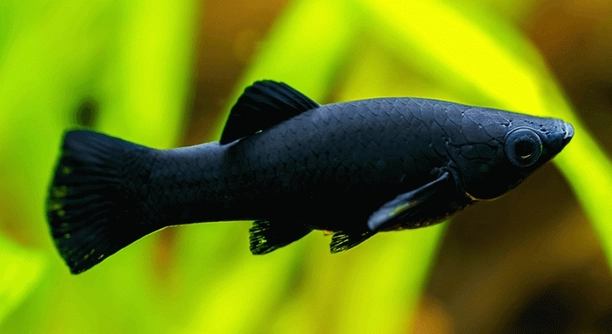
Black mollies are lively fish that add charm to any freshwater aquarium. Observing them closely can reveal interesting behaviors, such as rubbing against gravel, which may leave owners puzzled or concerned about their well-being.
Black mollies often rub against gravel due to external parasites, skin irritation, or minor injuries. This behavior can also indicate a natural cleaning instinct, helping them remove debris or excess mucus from their body surfaces.
Understanding why black mollies engage in this behavior can help improve tank conditions and ensure these fish remain healthy and active in their environment.
Common Causes of Gravel Rubbing
Observing black mollies rubbing against gravel can be alarming at first. One frequent cause is the presence of external parasites, which irritate their skin and prompt this behavior. Poor water quality can also lead to discomfort, as high nitrate or ammonia levels irritate their skin and gills. Another factor may be minor injuries or abrasions from decorations or rough gravel. Fish may instinctively rub against surfaces to relieve itchiness or remove loose scales and mucus. In some cases, nutritional deficiencies can contribute to skin problems, causing them to seek relief on gravel. Environmental stress, such as sudden temperature changes or overcrowding, also plays a role. Even healthy fish occasionally exhibit this behavior as part of their natural grooming. Carefully observing your mollies and monitoring water parameters helps identify whether the behavior is temporary or signals an underlying problem.
Regular water testing and maintaining clean conditions can significantly reduce rubbing behavior.
Addressing these causes often requires improving water quality, inspecting the tank for hazards, and adjusting diet to prevent recurring skin irritation. Proper care and observation can help mollies remain active, comfortable, and healthy. It is important to act promptly because prolonged rubbing may worsen skin damage or increase the risk of infections. Minor adjustments, like smoother gravel or hiding spots, may also reduce stress and irritation. Additionally, quarantining new fish before adding them to the main tank can prevent parasites from spreading. A balanced diet rich in vitamins supports their immune system and overall resilience. Observing behavior, coupled with consistent maintenance, ensures that black mollies thrive in a safe and stress-free environment. By taking these steps, owners can maintain both the health of their fish and the cleanliness of the aquarium, creating a more pleasant experience for everyone involved.
Preventive Measures for Healthy Mollies
Maintaining optimal tank conditions is key to preventing excessive rubbing behavior.
Regular water changes, proper filtration, and a balanced diet reduce stress and skin irritation in black mollies. Monitoring fish health closely ensures any emerging problems are addressed promptly, keeping the aquarium environment stable and comfortable.
Preventive care includes consistent water quality monitoring, maintaining appropriate temperature and pH, and providing smooth, safe substrates to avoid abrasions. Avoid overcrowding, which increases stress and susceptibility to parasites or infections. Feeding a nutrient-rich diet supports skin and immune health, reducing irritation that causes rubbing. Regular observation helps identify early signs of illness or discomfort, allowing timely intervention. Introducing new fish gradually and quarantining them minimizes the risk of disease transmission. Tank decorations should be inspected to ensure they do not have sharp edges or rough surfaces that could injure the fish. By combining these strategies, owners can minimize the risk of skin problems, promote natural behavior, and create a stable, healthy environment for black mollies to thrive over time.
Identifying Stress Factors
Stress in black mollies can lead to frequent rubbing against gravel. Overcrowding, sudden changes in temperature, or poor water quality often triggers this behavior. Recognizing these factors early helps prevent long-term health issues and improves overall fish well-being.
Black mollies are sensitive to environmental changes. Overcrowded tanks increase aggression and competition, causing stress that manifests as rubbing. Sudden temperature shifts or unbalanced pH can irritate their skin and gills, prompting similar behavior. Even minor disturbances, like loud noises or constant tank movement, may cause anxiety. Observing fish closely allows identification of triggers and necessary adjustments, such as adding hiding spots or reducing tank population. Minimizing stress is crucial to maintaining their natural activity and appearance.
Behavioral changes often accompany stress-induced rubbing. Fish may lose appetite, become less active, or hide frequently. Addressing the root cause requires gradual improvements in tank conditions, such as consistent water changes and maintaining a stable environment. Providing enrichment, like plants and safe decorations, helps mollies feel secure. Ensuring proper nutrition strengthens their immune system and reduces vulnerability to infections. Stress management through careful observation and environmental adjustments promotes healthier, more vibrant black mollies, reducing the likelihood of persistent rubbing and related health complications.
Observing Physical Health
Physical health issues can cause black mollies to rub against gravel frequently. Skin irritation, parasites, or minor injuries are common contributors that need immediate attention. Early detection prevents worsening conditions and promotes recovery.
External parasites like ich or flukes often attach to the skin, causing discomfort. Mollies may rub against gravel to relieve itchiness and remove debris. Minor injuries from rough gravel or decorations also lead to similar behavior. Nutritional deficiencies can weaken the skin and scales, increasing sensitivity. Monitoring color changes, scale loss, or unusual spots helps identify physical problems. Implementing targeted treatments, improving water quality, and adjusting diet ensures recovery. Consistent observation is key to maintaining healthy fish.
Addressing physical health issues involves a multi-step approach. Quarantining affected fish prevents disease spread, while medicated treatments target parasites or infections. Regular water testing reduces chemical irritants that worsen skin problems. Adjusting the tank substrate and removing sharp objects minimizes further injuries. A balanced diet rich in vitamins and minerals supports skin regeneration and strengthens immunity. Combining these measures improves fish comfort, reduces rubbing, and restores natural behavior. Tracking progress over time ensures interventions are effective and helps maintain a long-term, healthy aquarium environment for black mollies.
Water Quality Concerns
Poor water quality is a frequent reason black mollies rub against gravel. High ammonia or nitrate levels irritate their skin and gills, causing discomfort that prompts this behavior. Maintaining clean, balanced water is essential for their health.
Regular water changes and proper filtration reduce harmful chemicals. Monitoring parameters like pH, hardness, and temperature ensures a stable environment. Even small fluctuations can stress fish and trigger rubbing behavior.
Dietary Factors
A lack of essential nutrients can cause skin irritation in black mollies. Insufficient vitamins or proteins weaken their skin and scales, leading to frequent rubbing. Feeding a balanced diet supports overall health and prevents this behavior from becoming chronic.
Environmental Adjustments
Smooth gravel and safe tank decorations reduce rubbing incidents. Sharp or rough surfaces can injure delicate skin, increasing the urge to rub. Providing hiding spots also helps mollies feel secure and less stressed.
Monitoring Behavior
Consistent observation allows early detection of health or stress issues. Noting changes in activity, appetite, or rubbing frequency helps address problems promptly before they worsen.
Why is my black molly rubbing against gravel constantly?
Continuous rubbing against gravel often indicates stress, skin irritation, or parasites. Poor water quality, rough substrate, or overcrowded tanks can trigger this behavior. Observing the fish closely and checking water parameters helps identify the root cause. Addressing environmental or dietary issues often reduces rubbing and restores normal behavior.
Could parasites be causing this behavior?
Yes, external parasites like ich or flukes attach to the skin and cause irritation. Mollies rub against gravel to relieve discomfort and dislodge these parasites. Early detection is important, as untreated infestations can spread quickly and harm other tank inhabitants. Quarantining affected fish and using appropriate treatments is essential.
Is poor water quality a reason for rubbing?
Absolutely. High ammonia, nitrite, or nitrate levels irritate the skin and gills. Temperature fluctuations or unstable pH levels can also stress black mollies, prompting them to rub against surfaces. Regular water testing and consistent maintenance are key to preventing this behavior.
Can diet affect rubbing behavior?
Yes, nutritional deficiencies, particularly in vitamins and protein, can weaken skin and scales. A lack of essential nutrients may lead to increased sensitivity and frequent rubbing. Feeding a balanced diet designed for black mollies supports overall health and reduces irritation-related behavior.
Does stress cause black mollies to rub against gravel?
Stress is a common factor. Overcrowding, sudden environmental changes, or aggressive tank mates can trigger rubbing as a coping mechanism. Providing hiding spots, maintaining a stable environment, and avoiding sudden changes can help mollies feel secure and reduce stress-induced behaviors.
How can I tell if my molly is injured?
Visible abrasions, torn fins, or missing scales often indicate injury. Mollies may rub against gravel to soothe discomfort or remove debris. Inspecting the fish regularly, smoothing sharp decorations, and using soft substrate minimizes injury risks and promotes healing.
When should I treat rubbing behavior medically?
If rubbing persists despite proper care, medical intervention may be needed. Signs like white spots, redness, lethargy, or frayed fins suggest parasites or infections. Using targeted treatments and quarantining affected fish can prevent further complications.
Does the type of gravel affect rubbing?
Yes, rough or sharp gravel can irritate mollies’ skin. Choosing smooth, rounded substrate reduces friction and prevents abrasions. Even minor changes in substrate type can have a significant impact on behavior and comfort.
Can tank decorations influence rubbing?
Decorations with sharp edges or rough textures can cause minor injuries that lead to rubbing. Ensuring safe, smooth objects and providing adequate hiding places can reduce stress and prevent skin irritation. Observation is key to identifying problematic areas in the tank.
Is rubbing a sign of illness or normal grooming?
Occasional rubbing can be normal grooming behavior, helping mollies remove debris or excess mucus. However, frequent or aggressive rubbing usually signals stress, irritation, or illness. Monitoring patterns and related signs like color changes, appetite loss, or lethargy helps distinguish between normal and problematic behavior.
How can I prevent rubbing before it starts?
Maintaining clean water, providing a balanced diet, and avoiding overcrowding are preventive measures. Choosing smooth substrate, safe decorations, and stable environmental conditions keeps black mollies comfortable and reduces the risk of skin irritation or stress-related rubbing.
Can rubbing damage my fish permanently?
Prolonged or aggressive rubbing can lead to scale loss, skin infections, or open wounds. Early intervention and environmental adjustments prevent long-term damage. Ensuring mollies’ health through diet, tank conditions, and careful observation supports recovery and prevents recurrence.
Does quarantining new fish help prevent rubbing behavior?
Quarantining new fish prevents the introduction of parasites or diseases that may irritate existing mollies. Observing new arrivals for signs of illness before adding them to the main tank protects all fish and reduces behaviors like rubbing due to stress or infection.
How long does it take for rubbing behavior to stop after intervention?
Improvement varies depending on the cause. With proper water conditions, diet, and treatment for parasites or injuries, noticeable reduction in rubbing usually occurs within a few days to a week. Consistent observation ensures that adjustments are effective and mollies return to normal behavior.
Should I change anything in the tank to help my molly?
Yes, consider substrate type, hiding places, and tank layout. Smooth gravel, plants, and safe decorations reduce irritation. Proper lighting and water flow also contribute to a comfortable environment. Small adjustments can have a significant impact on reducing rubbing and stress levels in black mollies.
Is rubbing more common in certain ages or sizes of mollies?
Younger mollies or newly introduced fish are often more sensitive, making them prone to rubbing. Older fish can develop skin issues due to wear or past injuries. Monitoring different age groups helps ensure tailored care and prevents persistent irritation or stress-related behavior.
Can frequent observation prevent rubbing from becoming serious?
Regularly watching mollies allows early detection of stress, illness, or injury. Noticing changes in behavior, appetite, or appearance enables prompt intervention. Early action can prevent minor irritation from escalating into severe health issues, ensuring fish remain healthy and active.
What combination of steps works best to stop gravel rubbing?
A holistic approach works best: clean water, stable environment, balanced diet, safe substrate, proper decorations, and quarantine procedures. Treating parasites or infections when necessary, coupled with consistent observation, reduces rubbing behavior and promotes long-term health and comfort for black mollies.
Can rubbing indicate a hidden tank problem?
Yes, frequent rubbing may reveal unnoticed issues such as poor water quality, hidden parasites, or inappropriate tank setup. Careful inspection and monitoring help identify hidden problems and guide corrective measures, keeping mollies healthy and their environment safe.
Is rubbing behavior reversible?
With proper care, most rubbing behaviors are reversible. Improving tank conditions, addressing parasites, and reducing stress usually restore normal activity. Early intervention ensures mollies recover quickly, preventing permanent damage and maintaining a healthy, comfortable aquarium environment.
How often should I check my black mollies for signs of rubbing?
Daily observation is recommended. Noting behavior, physical appearance, and interactions with the environment helps detect early signs of irritation or stress. Consistent monitoring ensures timely interventions and maintains overall health and comfort.
Black mollies are fascinating freshwater fish that bring life and movement to any aquarium. Observing their behavior can reveal a lot about their health and comfort. One behavior that often draws attention is rubbing against gravel, which may seem concerning at first. While occasional rubbing can be part of normal grooming, frequent or aggressive rubbing usually signals that something in the tank needs attention. Factors like water quality, stress, injuries, diet, or parasites can all contribute to this behavior. Understanding the reasons behind it helps fish owners take the necessary steps to improve their mollies’ environment and overall well-being. By being aware of these causes, owners can prevent minor issues from developing into more serious health problems that could affect the fish long-term.
Maintaining a stable and healthy environment is key to reducing rubbing behavior. Regular water changes and careful monitoring of water parameters such as ammonia, nitrite, nitrate, pH, and temperature are essential. Ensuring a smooth and safe substrate, along with suitable decorations, can reduce irritation and prevent injuries. Providing hiding spots allows mollies to feel secure, especially in tanks with multiple fish. Nutrition also plays a major role in their overall health. Feeding a balanced diet that provides essential vitamins and proteins strengthens the skin, scales, and immune system. Combined with proper care and observation, these measures create conditions that allow black mollies to thrive while minimizing behaviors like gravel rubbing caused by irritation, stress, or minor injuries.
Observing mollies daily is an important part of responsible fish keeping. Changes in behavior, appearance, or activity often indicate issues before they become serious. Rubbing against gravel should not be ignored if it becomes frequent, as it may be a sign of stress, physical injury, or parasite infestation. Acting quickly by adjusting tank conditions, improving diet, or addressing health concerns helps mollies recover faster and prevents further complications. With consistent care, owners can ensure their black mollies remain active, healthy, and comfortable in their environment. Proper attention to water quality, diet, and stress reduction not only addresses immediate concerns but also promotes long-term health, giving these fish the best chance to live a vibrant and healthy life in the aquarium.

Hello,
If you enjoy the content that we create, please consider saying a "Thank You!" by leaving a tip.
Every little bit helps us continue crafting quality advice that supports the health, happiness, and well-being of pets around the world, for pets of all shapes, sizes, and species.
We really appreciate the kindness and support that you show us!