
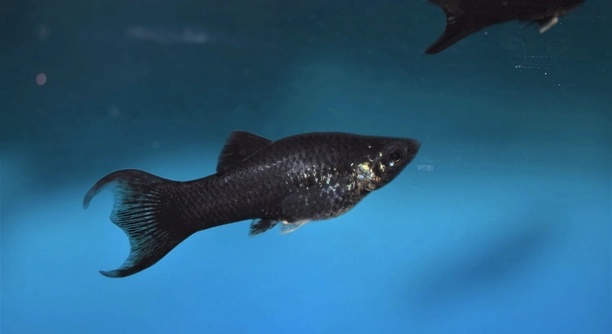
Do your Black Molly fry often gather in one corner of the tank, seemingly resting together? This behavior is something many fish owners notice, especially when the little fry seem unusually still and close to each other.
Black Molly fry often rest together in a single spot due to environmental comfort, social behavior, and stress minimization. Fry naturally cluster in safe areas where water conditions, light, and temperature feel stable and secure for their development.
Watching them closely can reveal more about their habits and tank conditions, helping you support their growth and overall well-being.
Why Fry Cluster in One Spot
Black Molly fry often cluster in one area because it feels safe. Young fry are small and vulnerable, so staying close together reduces their risk of being stressed or injured. When they find a calm spot with gentle water flow, they tend to remain there. Fry are sensitive to sudden movements, changes in light, and strong currents, so grouping together helps them feel secure. Temperature also plays a role, as slightly warmer areas may encourage them to gather. Fry may also follow each other instinctively, forming small groups as a survival behavior. Observing your fry can help you notice if the tank conditions are ideal or if adjustments are needed. Overcrowding or aggressive tank mates can cause them to hide or scatter more, while a peaceful environment encourages them to rest together. Small plants or decorations offer shelter, giving fry confidence to stay in one spot rather than constantly swimming.
This behavior is mostly natural and not a sign of illness, but attention to tank conditions is helpful.
Clustering can indicate comfort or environmental factors. Water quality, food availability, and light levels all influence where fry choose to rest. By ensuring gentle water flow, proper temperature, and calm surroundings, fry can thrive while feeling secure. Providing safe hiding spots, like small plants or smooth decorations, encourages them to stay together naturally. Observing these patterns helps owners maintain a balanced tank.
How to Encourage Healthy Fry Behavior
Offering plenty of small hiding spaces supports natural grouping habits.
Providing proper nutrition and water conditions ensures fry stay healthy. Feed small amounts frequently, as fry need consistent nutrition to grow. Water temperature should be stable, and ammonia, nitrite, and nitrate levels must be monitored regularly. Avoid overcrowding the tank to reduce stress, and make sure adult fish do not harass the fry. Gentle water flow helps them stay in safe areas without being swept away. Light should be moderate; intense light may force fry to hide excessively, while dim lighting encourages normal activity. Regular observation allows quick adjustments if fry appear lethargic or stressed. By maintaining these conditions, fry behavior remains natural, and their chances of survival improve. In addition, introducing small floating plants gives extra cover and shade, mimicking their natural environment. These steps help create a stable tank where fry feel comfortable resting together.
Fry will naturally cluster in areas that feel safe and comfortable, balancing exploration with security. Paying attention to these details supports healthy growth and social behavior.
Recognizing Safe Spots in the Tank
Fry often choose corners or areas with plants because these spots feel secure. Calm water, shade, and minimal disturbance attract them. Observing where they cluster helps you understand their preferred areas and adjust tank decorations for comfort.
Identifying safe spots requires noticing where fry spend most of their time. They usually avoid open, bright areas and currents that are too strong. Small plants, moss, or smooth decorations create hiding spaces and shade, which encourage them to rest together. Temperature differences in the tank can also influence their location. Slightly warmer areas tend to attract fry, while colder zones may be avoided. Ensuring these safe areas remain clean and free of aggressive tank mates helps fry feel secure. By observing their patterns, you can make small changes to support their comfort.
Safe spots also help fry conserve energy while growing. Clustering in sheltered areas reduces stress, making them less likely to swim excessively or hide constantly. Fry feel more confident in areas that mimic their natural environment. Maintaining these spots with proper water flow, gentle filtration, and soft lighting ensures fry continue to use them. By placing food near these safe zones, you encourage healthy feeding habits without forcing them into stressful areas. Over time, observing these patterns helps improve your overall tank setup.
Monitoring Fry Health
Regular observation can reveal early signs of stress or illness. Changes in color, movement, or clustering patterns may indicate problems.
Fry that are unusually lethargic, swimming erratically, or separating from the group may be experiencing stress or poor water conditions. Ammonia spikes, incorrect temperature, or lack of nutrition can all affect their behavior. Maintaining consistent feeding schedules, checking water parameters, and avoiding sudden changes in lighting or decorations help keep fry healthy. By monitoring closely, you can catch issues before they become serious.
Water quality, temperature, and diet all influence fry health. Even small fluctuations in pH or ammonia levels can affect their activity. Keeping the tank clean, performing partial water changes, and feeding high-quality fry food ensures proper growth. Monitoring behavior over time helps you understand their natural patterns, making it easier to identify abnormal activity. Safe spots and gentle water flow are important for reducing stress and promoting normal clustering. Consistent care and observation support their long-term survival and development.
Common Environmental Influences
Water temperature plays a big role in fry behavior. Slightly warmer areas make them feel comfortable, while colder zones are often avoided.
Light levels also affect where fry rest. Too bright light can make them seek shelter, while moderate lighting encourages normal activity and grouping in visible spots.
Feeding and Fry Grouping
Fry often gather where food is regularly provided. Consistent feeding schedules and small portions attract them to specific areas. Overfeeding can lead to leftover food, which may affect water quality and fry health. Observing their feeding patterns helps ensure all fry get enough nutrition without creating stress or unhealthy conditions. Grouping near feeding spots also allows fry to conserve energy while accessing food efficiently, supporting steady growth and reducing competition. Providing multiple feeding points or floating foods helps distribute fry evenly, encouraging natural behavior while maintaining a balanced environment in the tank.
Maintaining a Calm Tank
Reducing sudden movements and loud noises near the tank keeps fry relaxed and encourages them to stay in safe areas.
Why do my Black Molly fry rest together so often?
Black Molly fry rest together mainly for safety and comfort. Young fry are small and vulnerable, so staying close in one spot reduces stress and makes them feel secure. Calm water, gentle currents, and areas with plants or decorations give them a sense of protection. Clustering together is a natural behavior that helps them conserve energy and avoid potential threats. Observing where they rest can reveal which areas of the tank are most comfortable and safe for their growth.
Is it normal for fry to stay in one area for hours?
Yes, it is normal for fry to spend long periods in one area, especially if that spot is calm and has adequate shelter. They often pick corners, under floating plants, or near smooth decorations to feel secure. As they grow, they may explore more, but young fry tend to remain in safe spots for extended periods. This behavior helps them conserve energy, avoid stress, and stay close to other fry, which gives a sense of security.
Could this behavior indicate a problem with the tank?
Sometimes clustering can indicate water quality or environmental issues. Fry are sensitive to changes in temperature, pH, or ammonia levels. If water conditions are unstable, fry may cling to a safe area and avoid swimming freely. Overcrowding or aggressive tank mates can also force fry to stay together in sheltered spots. Regular testing of water parameters, gentle filtration, and monitoring tank conditions help ensure fry are healthy and comfortable, preventing stress-related clustering.
How can I encourage healthy movement without stressing them?
Creating multiple safe zones encourages fry to explore without feeling threatened. Adding floating plants, small hiding spaces, or smooth decorations helps them move naturally while feeling secure. Gentle water flow keeps them active without pushing them into stressful currents. Consistent feeding schedules near different areas also encourage movement, distributing fry throughout the tank. By carefully observing their behavior and adjusting conditions, you can support healthy activity and prevent lethargy while keeping their natural grouping habits intact.
Should I worry if fry cluster during feeding?
It is normal for fry to cluster near food. They instinctively gather where food is available because it ensures easy access without wasting energy. Providing small, frequent meals helps prevent overcrowding at a single feeding spot. Multiple feeding points or floating foods can reduce competition, allowing fry to feed safely while maintaining their natural resting patterns. Monitoring their behavior during feeding ensures all fry get proper nutrition and remain healthy while resting together comfortably afterward.
Do fry need hiding spots even if they stay together?
Yes, hiding spots are essential for fry safety. Even when clustering together, they need protection from sudden movements, strong currents, or potential tank mates. Plants, moss, or smooth decorations offer shade and cover, reducing stress. Proper hiding spots encourage natural behavior, promote growth, and support overall health. Fry feel secure when they have areas to rest and retreat, which prevents them from panicking or dispersing unnecessarily.
Can water temperature affect where fry cluster?
Water temperature directly impacts fry activity and comfort. Slightly warmer areas are often preferred because they boost metabolism and energy. Colder zones may be avoided, causing fry to gather where conditions feel stable. Maintaining a consistent, appropriate temperature throughout the tank helps fry spread naturally and reduces stress, preventing overcrowding in a single spot.
Is it normal for fry to follow each other closely?
Yes, fry often follow each other as a survival instinct. Staying in groups reduces the risk of predation and provides a sense of security. Social clustering is natural and helps fry learn safe spots, feeding areas, and resting zones. Observing their patterns can help adjust tank conditions to support their growth and comfort.
How do I know if clustering is a sign of illness?
Clustering alone is usually normal, but unusual signs may indicate illness. Lethargy, faded colors, erratic swimming, or separation from the group can signal stress, poor water quality, or disease. Regular water testing, proper feeding, and careful observation are key to preventing and addressing potential health issues.
What adjustments can improve fry comfort?
Providing gentle water flow, stable temperatures, moderate lighting, and multiple hiding spots improves fry comfort. Consistent feeding schedules and monitoring water quality keep them healthy and reduce stress. By observing their clustering patterns, you can make small adjustments to the tank layout, ensuring fry remain secure, active, and growing properly.
How often should I check on clustering behavior?
Daily observation helps identify patterns and detect any problems early. Monitoring their movement, feeding, and resting habits ensures tank conditions are optimal. Adjusting water parameters, decorations, or feeding practices based on their behavior supports healthy growth and natural grouping tendencies.
Can clustering affect fry growth?
Clustering itself does not harm growth, but limited movement or stress from poor conditions can slow development. Providing safe spaces, proper nutrition, and gentle water flow encourages healthy growth while allowing fry to cluster naturally. Monitoring activity ensures they remain active enough to develop normally.
Is it necessary to separate fry from adults?
Yes, separating fry from adult fish prevents harassment and stress. Adults may eat or chase fry, forcing them into one corner. Using a breeding box or fry tank allows safe clustering and proper growth, ensuring they develop without constant threats.
Do fry always cluster in the same spot?
Not always. While fry may favor certain areas, they can move if conditions change or food is introduced elsewhere. Observing preferred spots helps maintain safe and comfortable areas while allowing gradual exploration.
Black Molly fry resting together in one spot is a common and natural behavior. They do this for comfort, safety, and energy conservation. Fry are small and vulnerable, so clustering helps them feel secure. Calm areas with gentle water flow, moderate lighting, and small hiding spots give them a sense of protection. Even when they are active, they often return to these preferred areas to rest and regroup. Observing their clustering patterns can give valuable insights into which parts of the tank provide the best conditions for their growth. Providing an environment that feels safe and stable allows fry to develop normally without unnecessary stress or disruption.
Water quality, temperature, and feeding habits all play important roles in how fry behave. Fry are sensitive to changes in water chemistry, such as pH, ammonia, or nitrite spikes, and they may gather in one area if conditions elsewhere are less comfortable. Consistent feeding encourages natural movement but also creates spots where fry tend to cluster while eating. Offering multiple feeding points and safe resting areas helps reduce competition and prevents overcrowding in one location. Maintaining stable water parameters, proper nutrition, and a calm tank environment ensures that clustering is a positive, healthy behavior rather than a response to stress. Observing the fry regularly allows owners to identify patterns and make adjustments if needed, such as adding plants, adjusting water flow, or redistributing food.
Clustering behavior also supports social and developmental needs. Staying close to each other helps fry feel secure and can reduce stress caused by external disturbances. Small decorations or floating plants offer extra protection, giving fry places to hide and rest comfortably. While clustering is natural, ensuring that fry have enough space to explore and feed is important for proper growth. With careful observation, appropriate tank setup, and consistent care, fry can thrive while maintaining their natural tendency to group together. Creating a stable environment helps them develop healthy swimming habits, grow steadily, and stay protected, allowing them to flourish into healthy adult Black Mollies.

Hello,
If you enjoy the content that we create, please consider saying a "Thank You!" by leaving a tip.
Every little bit helps us continue crafting quality advice that supports the health, happiness, and well-being of pets around the world, for pets of all shapes, sizes, and species.
We really appreciate the kindness and support that you show us!