
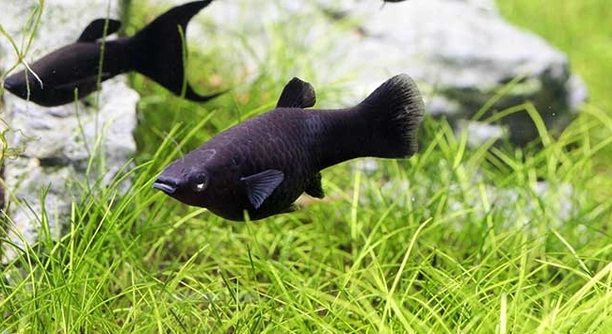
Have you ever watched your black mollies swim around and sensed a small change in their behavior? Their movements can become more focused and lively, creating a calm yet engaging atmosphere in their aquatic space.
Black mollies display mating interest through increased chasing, flaring fins, and staying close to potential partners. These actions reflect rising reproductive readiness and mark a clear shift in their social patterns, offering signs that mating behavior is beginning to develop.
Learning these subtle signs can help you understand your mollies better, guiding you through the moments that shape their interactions.
Increased Chasing Behavior
When black mollies start showing interest in mating, their chasing habits often become more noticeable, creating a clear shift in their daily routine. You might see the male following the female with steady focus, moving through the tank with more intention than usual. This behavior can look playful at first, but it often signals that the male is trying to stay close and show his readiness. The female may respond by swimming a bit faster or turning away, which is normal during these moments. While this behavior can seem a little tiring for the fish, it usually means everything is progressing in a natural way. Paying attention to how often the chasing occurs can help you understand the pace of their interactions. Watching these small changes can feel rewarding, especially when you start recognizing what each movement means and how it shapes the atmosphere inside the tank.
This stronger chasing pattern usually marks the beginning of mating interest and highlights a shift in how the fish interact with each other.
Noticing these moments will help you understand your mollies more clearly, giving you a better sense of their social habits and natural preferences.
Changes in Body Language
When black mollies want to mate, their posture and color intensity often shift in ways that become easy to recognize once you know what to look for.
These body language cues usually appear in stages that build on one another. Males may display brighter coloration, which becomes especially visible when they try to get the female’s attention. Their fins may appear wider and more pronounced, creating a clear contrast to their usual relaxed look. During these moments, the male often holds his body more rigidly, which makes his movements look sharper. The female may show lighter signs, such as slower turns or gentle pauses, indicating that she is aware of his presence. These interactions can bring a calm sense of rhythm to the tank, especially when both fish respond to each other in a steady pattern. Observing these subtle motions can help you understand how your mollies communicate, making it easier to support them during this natural phase.
Increased Restlessness
Male black mollies often become more active, moving around the tank with extra energy. Their behavior shifts from calm swimming to steady pacing, which shows a clear rise in interest. This restlessness can help you spot early signs of their developing mating behavior.
This increase in movement often appears before any direct interaction takes place. The male may patrol certain areas more frequently, especially spots where the female spends time. His swimming becomes sharper, and he reacts quicker to her movements, creating a noticeable change in the tank’s atmosphere. These moments can help you understand what is happening long before the behavior becomes obvious. When you watch closely, you will notice a pattern forming, which makes it easier to tell when things are progressing normally. Staying aware of these early signs helps you support your mollies without interrupting their natural rhythm.
As restlessness grows, the male may begin circling and adjusting his position around the female. This pattern can continue for short bursts or extend throughout the day, depending on their comfort level. The female may not respond immediately, and that is completely normal. Her slower movements and brief pauses help her decide how to react. This exchange creates a steady pattern that signals mating interest is building. Observing these small details brings a clearer understanding of their behavior and helps you follow their interactions with more confidence.
Prolonged Following
The male often keeps a steady distance behind the female, adjusting his pace to match hers. This prolonged following becomes more consistent during mating interest and shows that he is trying to stay within her range without overwhelming her.
During these moments, the male’s movements soften slightly, becoming smoother and more controlled. He watches the female closely, matching her speed as she moves through different areas of the tank. The female may change direction or slow down to create space, and he usually responds by giving her a little room. These motions create a calm, steady pattern that helps you recognize the shift in their social behavior. Understanding these signs makes it easier to follow their changing interactions and support their natural process.
Increased Displaying of Fins
The male often spreads his fins wider, holding them in a firm position that stays consistent as he moves. This creates a more noticeable appearance and signals clear interest, making it easier to tell when he is trying to impress the female.
These displays usually grow stronger when the female is near. The male may adjust his position to stay visible, turning slightly so his fins catch the light. This steady pattern makes his intentions clear and helps you recognize another sign of developing mating behavior.
More Frequent Hovering Near the Female
The male may begin hovering close to the female, maintaining a gentle but steady presence as she moves around the tank. His position often remains fixed for short moments, creating a quiet pattern that shows his continued interest without overwhelming her.
Subtle Shifts in Swimming Speed
Both fish may adjust their swimming pace, creating slow, steady movements that reflect growing comfort between them. This small change often becomes noticeable when you pay close attention, helping you understand how their behavior is gradually shifting toward mating interest.
How can I tell if my black molly is ready to mate?
Black mollies show readiness through specific behaviors. The male may chase the female, flare his fins, and swim more actively around her. The female may respond by pausing, slowing down, or allowing the male to follow closely. Changes in body color and fin display are also common signs. Observing these behaviors consistently over several days gives a reliable indication that mating interest is present.
Does chasing always mean the male wants to mate?
Chasing is often a key sign, but context matters. Black mollies can chase for play or territory, but sustained and focused chasing toward a female usually indicates reproductive behavior. Patterns like circling, following, and returning to her after she swims away are stronger indicators than a single quick chase.
Why do males flare their fins during this time?
Fin flaring is a visual signal. A male spreads his fins to appear larger and more attractive. This behavior communicates strength and readiness to mate. The female may react with interest or avoidance depending on her comfort level. Flaring is generally consistent and repeated when mating intent is high.
What role does color change play in mating behavior?
Color intensity often increases in males when they are ready to mate. Darker or brighter shades signal health and vitality, helping females assess their suitability. Females may also show subtle color shifts, indicating receptiveness. Watching these changes over time can help you gauge readiness and understand social dynamics.
How close should the male stay to the female?
During mating readiness, males often hover within a few inches of the female, adjusting their position to follow her movements. This close presence allows interaction without overwhelming her. Prolonged, gentle following is a clear indicator of mating behavior, while random or distant swimming is less meaningful.
Does the female always respond immediately?
Females may take time to show interest. They might slow down, pause, or change direction to signal willingness or hesitation. Immediate response is not required, and their behavior helps regulate the male’s pursuit. Patience and observation are key to understanding these interactions.
How long does mating behavior last?
Mating interest can persist for days or weeks, depending on the fish and environmental conditions. Patterns like chasing, hovering, and fin displays can appear intermittently throughout the day. Observing these behaviors in cycles helps track readiness and prevent unnecessary stress.
Are there environmental factors that influence mating behavior?
Yes. Water temperature, quality, and tank layout play important roles. Stable, clean water encourages natural behavior. Plants and hiding spots give the female a sense of security, allowing natural interactions. Sudden changes in light or disturbances can temporarily pause mating behaviors.
Can multiple males in one tank affect behavior?
Having several males can increase competition, leading to more chasing, fin displays, and aggressive interactions. This may overwhelm females or alter natural patterns. Monitoring interactions and providing sufficient space reduces stress and helps maintain healthy mating dynamics.
Is it necessary to separate fish after mating behavior begins?
Separation is usually not required unless aggression becomes extreme. Providing enough space and hiding spots ensures females are not constantly harassed. Observing interactions closely helps determine whether intervention is needed, allowing natural mating behavior without causing harm.
How do I know if mating was successful?
Successful mating may result in females developing a swollen belly due to fertilized eggs. You may also notice increased hiding or changes in feeding behavior as they prepare to give birth. Tracking these signs over time confirms reproductive success.
Can young mollies show mating interest?
Yes, even younger fish can display preliminary mating behaviors, but they may not be fully fertile. Watching their actions helps distinguish between play and actual reproductive interest. Age, size, and maturity all affect readiness, so observation over time is important.
What should I avoid doing during this period?
Avoid sudden changes in water, lighting, or tank layout, as stress can interrupt mating behaviors. Refrain from handling fish unnecessarily, as this can cause anxiety. Keeping the environment calm and stable supports natural interactions and ensures healthier outcomes.
How often should I observe their behavior?
Daily observation helps you notice subtle changes. Short, consistent periods of watching the tank are enough. Focus on chasing, fin displays, hovering, and color changes to build a clear picture of mating readiness without causing stress from constant attention.
What if the female is not responsive?
Females may not always respond immediately. Give them space and time, as forcing interaction can create stress. Monitor behavior, and allow natural pauses. Some females require multiple days or repeated approaches before showing receptiveness, which is normal.
Can stress affect mating behavior?
Yes. Poor water quality, overcrowding, or sudden disturbances can suppress mating interest. Maintaining stable, clean conditions with adequate hiding spaces encourages natural behavior and increases the likelihood of successful mating.
Should I feed them differently during this time?
Providing high-quality food supports energy levels and overall health. Small, frequent feedings can help maintain vitality, especially for active males chasing females. Proper nutrition ensures they have the stamina for natural reproductive behavior.
How can I support natural interactions without interfering?
Create a stable environment with enough space, hiding spots, and clean water. Observe from a distance, avoiding sudden movements or handling. This approach allows mollies to follow their instincts naturally, showing clear mating behaviors without unnecessary stress.
What are signs of aggression versus mating behavior?
Aggression involves chasing that is forceful, nipping, or targeting all fish indiscriminately. Mating behavior is focused, patterned, and generally involves hovering near a single female with displays. Recognizing the difference prevents misinterpretation and helps maintain a peaceful tank environment.
Is it common for males to compete for one female?
Yes, in tanks with multiple males, competition can be intense. Males will chase, display fins, and hover near the female more aggressively. Providing space and monitoring interactions reduces stress and ensures that natural mating behavior can occur safely.
How long after observing these signs should I expect fry?
Gestation in black mollies typically lasts four to six weeks. After successful mating, females may give birth to live fry. Observing mating behavior helps anticipate timing, allowing you to prepare the tank with hiding spots and proper care for newborn fish.
Can environmental enrichment improve mating behavior?
Yes. Plants, rocks, and hiding spaces provide security and reduce stress. A comfortable environment encourages males and females to interact naturally. Enrichment supports healthy social patterns and increases the likelihood of successful mating and fry survival.
How do I balance multiple pairs in the same tank?
Space, hiding spots, and observation are key. Multiple pairs can coexist if they have enough territory. Monitoring interactions prevents constant harassment and allows each pair to show mating behavior naturally, while reducing competition and stress.
Are there differences between males in showing these behaviors?
Yes. Individual males vary in energy, size, and confidence. Some are more persistent, while others are subtle. Recognizing these differences helps in understanding tank dynamics and anticipating how each male interacts with females.
Can females influence mating behavior actively?
Females control pacing, direction, and receptiveness. Their pauses, slow turns, and responses to male displays guide interaction. Observing how females react provides insight into their comfort and readiness, helping maintain natural and safe mating patterns.
Do all signs need to appear for mating interest to be present?
Not always. Some males may show only chasing and fin displays, while others may exhibit all behaviors. Consistency over time is more important than seeing every possible sign, and focusing on patterns gives a clearer picture of mating interest.
How important is water temperature for these behaviors?
Water temperature affects energy levels and reproduction. Slightly warmer, stable water encourages activity and mating behavior. Sudden changes or too low temperatures can reduce interest, while consistent, appropriate conditions support natural patterns and readiness.
Can I encourage mating without causing stress?
Yes, by providing a stable environment, proper food, and adequate space. Avoid forcing interactions, handling fish, or introducing sudden changes. Observing and allowing natural behaviors creates the best conditions for safe and successful mating.
Is it normal for males to chase multiple females?
Yes, males may show interest in several females if available. However, chasing is usually more focused on one female at a time. Monitoring interactions ensures that no female is stressed or harassed excessively, keeping the tank balanced.
How do I know if the tank setup supports mating behavior?
A supportive tank has clean water, stable temperature, hiding spots, and enough space for movement. Observing natural chasing, hovering, and fin displays confirms that the environment is suitable for mating behavior. Small adjustments can improve comfort and encourage natural interactions.
Can mating behavior occur at any time of day?
Yes, activity may peak at certain times, but black mollies can show signs throughout the day. Observing at different times helps capture patterns and ensures that natural behaviors are not missed, giving a complete understanding of readiness.
How do I care for the female after mating behavior is observed?
Provide a calm environment with hiding spots and clean water. Avoid overcrowding or excessive chasing by males. Balanced feeding supports her health, and observing her for signs of stress or swelling helps ensure a smooth gestation period.
Is it possible to misinterpret playful behavior as mating?
Yes, young or non-reproductive mollies may chase or hover without intent to mate. Focus on consistent, patterned behavior, fin displays, and color changes to distinguish mating behavior from general activity or play.
How can I track behavior without disturbing the fish?
Short observation periods at consistent times work best. Note chasing, hovering, fin flares, and color changes without tapping the glass or making sudden movements. Recording behaviors helps identify patterns and readiness over days and weeks.
Does diet influence mating behavior?
High-quality, nutrient-rich food supports energy and vitality. Active males chasing females need stamina, and females benefit from proper nutrition for gestation. Consistent feeding routines ensure fish remain healthy and capable of displaying natural mating behaviors.
Can stress from other tank mates prevent mating?
Yes. Aggressive or overly active tank mates can reduce comfort, making fish hide or avoid interaction. Providing space and monitoring dynamics ensures that males and females can interact safely and display natural behaviors without interference.
What are the most reliable signs of mating interest?
Consistent chasing, fin displays, hovering near the female, and subtle color changes are the most reliable. Observing these behaviors over time confirms reproductive readiness, while attention to female responses ensures that interactions remain natural and safe.
How can I support successful mating while minimizing risk?
Maintain stable water conditions, adequate space, and hiding spots. Feed balanced meals and avoid disturbing the fish. Observe patterns and intervene only if aggression or stress becomes apparent. Supporting their environment encourages natural interactions and successful mating outcomes.
Observing black mollies and recognizing their mating behavior can be a subtle but rewarding experience. Their actions, from chasing to fin displays, reveal how they communicate and interact within the tank. Each fish has its own rhythm and pace, so what may seem like minor movement often carries important meaning. Watching these behaviors helps you understand the social dynamics of your mollies and allows you to provide a supportive environment that encourages natural interaction. By paying attention to their patterns, you can see the way males and females respond to each other, how the female signals readiness, and how males adjust their behavior to match. This understanding makes caring for your mollies more enjoyable, as it gives a sense of connection and awareness of their daily life.
Maintaining a stable environment is key when your black mollies show signs of mating interest. Clean water, consistent temperature, and enough space in the tank help reduce stress and make their interactions smoother. Plants and hiding spots give females the security they need while allowing males to display natural behaviors without causing excessive harassment. A well-prepared tank ensures that mating behaviors can occur naturally, supporting both fish health and reproductive success. Feeding them regularly with nutrient-rich food keeps energy levels high, particularly for active males chasing females, while supporting females as they prepare for possible pregnancy. Observing without interfering helps mollies feel comfortable, allowing natural patterns to continue uninterrupted and reducing potential stress or aggression in the tank.
Understanding black mollies’ mating behavior also helps with anticipating and caring for the next stage, including gestation and the arrival of fry. Recognizing consistent signs, such as hovering, chasing, fin displays, and subtle color changes, can indicate that reproductive activity is underway. Females may show a slightly swollen belly or spend more time near hiding areas, which signals preparation for giving birth. By knowing what these behaviors mean, you can create a safe and calm environment that encourages healthy development. Taking the time to observe and understand your mollies’ interactions not only promotes a peaceful tank but also strengthens your ability to care for them effectively. Watching their natural behaviors unfold can be a quiet, informative experience, offering insight into how black mollies communicate, interact, and continue their life cycle in a healthy, balanced way.

Hello,
If you enjoy the content that we create, please consider saying a "Thank You!" by leaving a tip.
Every little bit helps us continue crafting quality advice that supports the health, happiness, and well-being of pets around the world, for pets of all shapes, sizes, and species.
We really appreciate the kindness and support that you show us!