
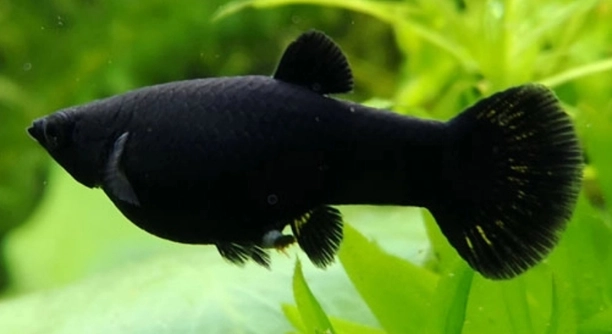
Do your Black Molly fish seem unusually restless or hide more than usual in their tank? Many owners notice subtle behavioral changes linked to their environment and daily noises around the home. Observing these patterns can improve care.
Black Molly fish are sensitive to certain auditory stimuli that mimic threats or sudden disturbances. Sounds such as loud clanging, rapid tapping on glass, motor vibrations, water splashes, predator noises, household alarms, and sudden loud voices can provoke stress responses, including erratic swimming and hiding.
Understanding these noise triggers is important for maintaining a calm, healthy tank environment. Recognizing the sources of stress can help keep Black Molly fish comfortable.
Loud Clanging and Metal Noises
Black Molly fish are highly sensitive to sudden, sharp sounds. Loud clanging from dishes, metal objects dropping, or construction near the home can startle them. These noises create stress, causing your fish to dart across the tank, hide behind decorations, or even knock into the glass. Constant exposure can impact their appetite and overall health, making them more susceptible to disease. It’s helpful to keep the tank in a quieter area and avoid sudden noises nearby. Even tapping the tank can have a surprising effect on their behavior. Over time, repeated disturbances can reduce their natural curiosity and make them skittish. Maintaining a peaceful environment helps Black Molly fish stay active and confident in exploring their space, which is important for their well-being.
Minimizing loud metallic sounds near the tank reduces stress and helps your fish maintain a calm routine. Small adjustments can make a big difference in their comfort.
Placing the tank in a quieter room, away from kitchens or areas of heavy traffic, allows your Black Molly fish to swim without interruptions. Adding plants and decorations can give them hiding spots when unexpected sounds occur. Soft background noise like low-volume music or gentle water flow can mask sudden disturbances. Observing their reactions can help you identify specific triggers, allowing better control of the environment. Creating a consistent, calm setting not only protects their health but also encourages natural behaviors, making them more vibrant and interactive over time. Simple awareness of noise levels around the tank is enough to reduce stress significantly.
Rapid Tapping on Glass
Even light tapping on the tank glass can unsettle Black Molly fish. They perceive vibrations as potential threats and react by swimming erratically or hiding.
Repeated tapping causes stress that affects feeding and social behavior. Fish may avoid certain areas of the tank and show prolonged signs of fear. Carefully monitoring visitors or children near the tank helps reduce these incidents. Keeping interaction gentle maintains their sense of safety.
Glass tapping generates vibrations that travel through water, which Black Molly fish detect with their lateral line system. This system helps them sense movement and pressure changes in the water. When vibrations are sudden or frequent, fish interpret them as a predator or environmental danger. Over time, frequent tapping can lead to chronic stress, resulting in weaker immune systems and reduced activity levels. To protect their well-being, avoid knocking on the tank or using tools near it. Instead, feed and interact with them calmly, giving them time to adjust. A stable, low-stimulation environment allows Black Molly fish to swim freely, engage with tank mates, and display normal behaviors without unnecessary stress. Understanding how these vibrations affect them ensures a healthier and happier tank.
Motor Vibrations
Motor vibrations from nearby appliances or pumps can disturb Black Molly fish. They react to constant low-frequency hums by hiding or swimming nervously, which affects their feeding and social patterns in the tank.
Even small vibrations from washing machines, vacuum cleaners, or air conditioners can travel through floors and walls into the water. Black Molly fish are particularly sensitive to these subtle movements, which can mimic natural predators or environmental instability. Stress from continuous vibrations can reduce their appetite, make them less active, and even cause long-term health issues. Ensuring that the tank is placed on a stable surface away from heavy machinery helps minimize these disturbances. Using vibration-absorbing mats or repositioning appliances can significantly reduce their exposure, allowing your fish to feel safe.
Maintaining a calm environment with minimal motor noise allows Black Molly fish to swim freely and interact naturally. Providing gentle water flow and stable conditions encourages normal behaviors, feeding, and overall well-being. Awareness of vibration sources is key to creating a comfortable habitat.
Water Splashing
Sudden splashes of water near the tank startle Black Molly fish, causing immediate hiding or frantic swimming. Even small amounts hitting the surface can trigger stress reactions.
When water is splashed from cleaning, refilling, or accidental spills, the impact creates ripples and vibrations that fish interpret as threats. These disturbances can interrupt feeding patterns, increase aggression among tank mates, and cause them to avoid certain areas. Repeated exposure may lead to chronic stress, making them more vulnerable to illness. Positioning the tank away from sinks, fountains, or areas where water movement is frequent helps prevent these incidents. Using a gentle pour when adding water and minimizing sudden motions near the tank is essential for their comfort.
Providing a stable water environment with careful handling ensures that Black Molly fish remain relaxed and healthy. Small adjustments, like slower water changes and avoiding splashes, help maintain normal behaviors. Over time, creating consistent routines and minimizing sudden water disturbances allows them to thrive naturally in their habitat. Observing their reactions during water changes helps fine-tune care practices and reduces unnecessary stress.
Loud Voices
Black Molly fish are startled by sudden loud voices near the tank. Shouting or raised conversations can make them dart around or hide behind decorations, disrupting their calm environment.
Even normal speaking volumes can feel intense to them if it is close to the tank. Keeping voices lower near the tank helps maintain a peaceful atmosphere and encourages natural swimming and feeding behaviors.
Predator Noises
Sounds resembling predator activity, such as birds pecking or large animals moving, trigger defensive behaviors in Black Molly fish. They may freeze, hide, or swim erratically to avoid perceived threats. Consistent exposure can increase stress levels and reduce appetite, affecting overall health.
Black Molly fish have evolved to detect potential danger through vibrations and sounds. Even distant predator noises outside the tank can elicit stress responses. Maintaining a secure, quiet environment helps them feel safe. Introducing background noise like gentle music or aquarium filters can mask alarming sounds. Observing their behavior during different environmental sounds allows better management of stressors and ensures a stable habitat for healthy growth and activity.
Household Alarms
Unexpected alarms, such as smoke detectors or security systems, can frighten Black Molly fish. They respond by hiding or swimming quickly around the tank.
Why do Black Molly fish react to loud sounds?
Black Molly fish are naturally sensitive to their environment. Loud noises or sudden sounds create vibrations in the water, which they detect through their lateral line system. This system helps them sense movement and potential threats, so even everyday household noises can startle them. Reacting quickly is part of their survival instinct.
How can I reduce stress from household noises?
Placing the tank in a quieter part of the home helps significantly. Avoid areas near loud appliances, speakers, or heavy foot traffic. Using a stable surface and adding plants or decorations gives your fish hiding spots. Gentle background noise, such as a low-volume filter or soft water flow, can mask sudden sounds.
Are all Black Molly fish equally sensitive to sound?
Individual fish vary in sensitivity. Some may tolerate minor disturbances without showing stress, while others hide or swim erratically even with small noises. Age, health, and past experiences with stress can influence how strongly each fish reacts to sound. Observing your fish helps identify their comfort levels.
Can sound stress affect feeding habits?
Yes, prolonged exposure to stressful noises can reduce appetite. Black Molly fish may swim less actively and avoid feeding areas if they feel unsafe. Stress weakens their immune system, making them more prone to disease. Maintaining a calm environment encourages regular eating and natural behaviors.
What types of sounds are most disturbing?
Sudden, sharp sounds such as clanging metal, tapping on glass, or alarms are the most disruptive. Constant low-frequency hums from appliances or motors can also create ongoing stress. Even water splashes and loud voices near the tank can startle them, especially if repeated frequently.
Is it okay to interact with my fish near loud noises?
Minimizing interactions during high-noise periods is best. Black Molly fish respond better when the environment is calm. Gentle, predictable movements around the tank and avoiding tapping or sudden motions help maintain their sense of safety.
How can I make the tank environment more secure?
Adding plants, rocks, or other decorations provides hiding spots and reduces exposure to sudden disturbances. Placing the tank away from windows, doors, or areas with frequent activity reduces stress triggers. A stable stand and careful placement of equipment prevent vibrations from affecting the water.
Do background sounds help or hurt?
Gentle, consistent background noise can help mask sudden, alarming sounds. Filters, small pumps, or low-volume music can create a stable auditory environment. Consistency is key—unexpected variations in background noise may startle the fish rather than soothe them.
How quickly do Black Molly fish recover from sound stress?
Recovery time depends on the intensity and duration of the disturbance. Minor disturbances may only cause temporary hiding, while repeated or loud noises can result in longer periods of stress. Providing calm conditions, stable water quality, and regular feeding helps them return to normal behavior faster.
Can I train my Black Molly fish to tolerate sounds?
Gradual exposure to mild, controlled sounds may help them become less reactive over time. Avoid loud, sudden noises, and allow the fish to explore the tank freely. Positive environmental conditions, like hiding spots and steady water flow, reinforce a sense of security, reducing stress reactions overall.
What are signs my fish are stressed by sound?
Common signs include hiding, erratic swimming, clinging to decorations, loss of appetite, and increased aggression among tank mates. Observing changes in behavior compared to normal activity is the most reliable way to detect sound-induced stress. Regular monitoring allows timely adjustments to their environment.
Can repeated sound stress cause long-term issues?
Chronic exposure to stress can weaken the immune system, reduce growth, and make Black Molly fish more prone to illness. Maintaining a calm, predictable environment and minimizing exposure to sudden or loud sounds helps prevent long-term health problems. Consistency and observation are essential for their well-being.
Is it necessary to modify household routines for my fish?
Adjusting noisy activities near the tank, such as vacuuming, cooking, or appliance use, can improve your fish’s comfort. Even minor changes, like reducing tapping on the tank or lowering voice volume, make a noticeable difference in their stress levels. Simple, consistent measures support a healthier habitat.
How do I balance tank care and noise reduction?
Routine care like water changes and feeding should be done calmly and methodically. Use slow, steady movements and avoid splashing. Choosing a quiet time of day for tank maintenance helps minimize stress while ensuring proper care. Observing your fish during these tasks ensures they remain comfortable and relaxed.
Are there tools to measure fish stress from noise?
While there’s no simple household tool, monitoring behavior is effective. Signs like hiding, erratic swimming, and reduced feeding indicate stress. Water quality and overall health are also indicators. Keeping a journal of behaviors during noisy events helps track patterns and adjust the environment appropriately.
Can sound stress affect breeding?
Yes, excessive noise can disrupt mating behaviors. Black Molly fish may hide instead of exploring the tank or showing normal social interaction. Maintaining a calm, stable environment with hiding spots and minimal disturbances encourages natural reproductive behaviors. Quiet conditions support both health and successful breeding.
What is the best overall approach to protecting my fish from sound stress?
Focus on creating a calm, consistent environment. Position the tank in quiet areas, add hiding spaces, and reduce exposure to sudden or loud sounds. Observe reactions, adjust household activities, and maintain steady routines. This approach minimizes stress and promotes healthy, active Black Molly fish.
Black Molly fish are sensitive creatures that respond strongly to sounds in their environment. Loud noises, vibrations, sudden splashes, or even household alarms can startle them, causing stress and changes in behavior. Stress may lead to hiding, erratic swimming, reduced feeding, or even long-term health issues if the disturbances are frequent. Understanding their reactions and being mindful of the sounds around the tank is key to maintaining their well-being. A calm and stable environment helps Black Molly fish feel secure and allows them to explore, feed, and interact naturally without fear.
Creating a supportive environment involves careful placement of the tank, reducing exposure to sudden or constant noise, and providing hiding spots for safety. Plants, rocks, and decorations not only enhance the tank’s appearance but also give the fish areas to retreat when they feel threatened. Positioning the tank away from high-traffic areas or noisy appliances limits the impact of vibrations and loud sounds. Small adjustments, such as using low-volume background noise or avoiding tapping on the glass, can significantly reduce stress. Monitoring your fish regularly allows you to notice changes in behavior and respond appropriately, ensuring that their habitat remains safe and comfortable.
Consistency and awareness are essential when caring for Black Molly fish. Paying attention to their reactions to various sounds, adjusting household routines, and maintaining steady feeding and cleaning practices help prevent unnecessary stress. Gentle handling during maintenance, gradual exposure to mild noises, and a peaceful environment encourage normal behavior and promote overall health. Over time, providing a calm and stable tank allows Black Molly fish to thrive, displaying their natural curiosity and social behaviors. Protecting them from sound-related stress not only supports their physical health but also contributes to a more enjoyable experience for anyone caring for them.

Hello,
If you enjoy the content that we create, please consider saying a "Thank You!" by leaving a tip.
Every little bit helps us continue crafting quality advice that supports the health, happiness, and well-being of pets around the world, for pets of all shapes, sizes, and species.
We really appreciate the kindness and support that you show us!