
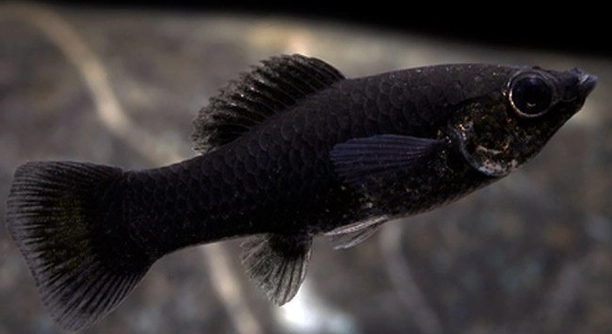
Do your black mollies sometimes show signs of sluggishness or unusual swimming patterns? Maintaining a healthy aquarium environment is essential to keep these lively fish thriving and prevent common illnesses that can affect their wellbeing.
Preventing black molly illness involves several key practices, including monitoring water quality, maintaining proper temperature, ensuring a balanced diet, reducing stress factors, regular tank cleaning, quarantining new fish, and observing fish behavior daily for early signs of disease.
Understanding these steps will help your mollies stay healthy and active, ensuring a vibrant and harmonious aquarium environment for the long term.
Monitor Water Quality Regularly
Keeping your black mollies healthy starts with clean water. Test the water frequently for ammonia, nitrites, nitrates, and pH levels. Mollies are sensitive to poor water conditions, and even small changes can stress them. Regular water changes, about 25% weekly, help maintain stability. Avoid overcrowding the tank as it can lead to higher waste levels, impacting water quality. A reliable filter is important to remove debris and keep the water oxygenated. Observe your fish daily for signs of stress, such as gasping at the surface or clamped fins. Using a water conditioner to remove chlorine and chloramines from tap water is essential. Temperature fluctuations should also be monitored because sudden changes can weaken their immune system. Maintaining stable water parameters reduces the risk of common illnesses like fin rot, ich, or fungal infections. Consistency is key to keeping your mollies active and vibrant in the tank.
Regular water checks prevent illness before it starts.
A consistent routine of testing water, performing partial water changes, and monitoring fish behavior keeps the aquarium balanced. Over time, this reduces stress and allows black mollies to thrive. Even small adjustments, like keeping the temperature stable or removing uneaten food promptly, make a big difference in their long-term health.
Provide a Balanced Diet
A nutritious diet is essential for black mollies to resist disease. Feed them high-quality flake or pellet food designed for livebearers. Supplementing with vegetables such as zucchini or spinach supports their digestive system. Occasional live or frozen foods, like brine shrimp or daphnia, provide protein and stimulate natural behaviors. Avoid overfeeding, as leftover food can pollute the tank and affect water quality. Feed small portions two to three times a day, ensuring they consume it within a few minutes. Variety in their diet strengthens their immune system, making them less susceptible to infections. Observing your mollies’ eating habits can indicate their health, as decreased appetite may signal illness.
Balanced nutrition keeps mollies strong and less prone to disease.
Offering a mix of flake food, vegetables, and occasional live foods ensures black mollies get all essential nutrients. Maintaining proper feeding habits prevents water contamination and encourages healthy growth. A stable diet, paired with good tank conditions, is a cornerstone of preventing illness and keeping your fish lively, colorful, and resilient against common aquarium diseases.
Maintain Proper Temperature
Black mollies thrive in stable water temperatures between 75°F and 82°F. Sudden fluctuations can stress them and weaken their immune system, making them more prone to disease. Using a reliable heater and thermometer helps keep conditions consistent.
Consistently maintaining the right temperature prevents stress-related illnesses. Avoid placing the tank near drafts, air conditioners, or direct sunlight, as these can cause sudden shifts. Monitoring the temperature daily ensures stability. Mollies are sensitive to colder water, which can slow their metabolism and make them vulnerable to infections. A stable environment allows them to feed well, swim actively, and resist common diseases like fin rot or velvet.
Proper temperature also affects breeding and overall activity. Mollies in stable, warm water display brighter colors and healthier behavior. A consistent thermal environment reduces energy spent on adjusting to changes, allowing the immune system to function optimally. Observing how your fish respond to temperature variations helps detect early signs of stress, supporting long-term health.
Reduce Stress Factors
Stress in black mollies can trigger illness and lower immunity. Keep the tank peaceful by avoiding sudden loud noises, rapid movements, or overcrowding.
A calm environment supports strong health. Mollies are social but need enough space to swim freely. Introduce tank mates carefully, avoiding aggressive species that may chase or nip them. Adding hiding spots, plants, and decorations gives them security and reduces tension. Consistent lighting with a day-night cycle prevents disorientation, while maintaining routine feeding and cleaning habits builds stability. Observing their behavior helps detect stress early, such as hiding, erratic swimming, or loss of appetite. Reducing stress directly strengthens their natural defenses and minimizes the risk of infections.
Reducing stress requires attention to tank layout, compatible companions, and consistent routines. Providing adequate space, visual barriers, and a stable schedule allows black mollies to feel secure and focus energy on growth and immunity rather than constant vigilance. A stress-free environment makes them more active, colorful, and resilient against disease.
Regular Tank Cleaning
Cleaning the tank regularly prevents the buildup of harmful bacteria and waste. Remove uneaten food, vacuum the substrate, and replace 20–25% of the water weekly to maintain a healthy environment for your black mollies.
Filters should be checked and cleaned as needed. A well-maintained filter keeps water clear, removes toxins, and ensures proper oxygen levels. Regular cleaning prevents sudden spikes in ammonia or nitrites, which can stress or even harm your fish. Consistency in maintenance supports overall tank stability and mollies’ long-term health.
Quarantine New Fish
New fish can carry diseases that are not immediately visible. Quarantining them in a separate tank for two to four weeks helps prevent introducing infections into your main aquarium.
Observe Fish Behavior Daily
Watching your black mollies each day allows you to notice changes in swimming, appetite, or appearance. Early detection of unusual behavior is key to addressing potential illness before it spreads.
Use a Reliable Water Conditioner
A water conditioner removes harmful chemicals from tap water, such as chlorine and chloramines, that can harm black mollies. It ensures a safe and stable environment for them to thrive.
FAQ
What are the common signs of illness in black mollies?
Black mollies may show signs like lethargy, clamped fins, loss of appetite, rapid gill movement, or unusual swimming patterns. White spots, fuzzy patches, or discoloration on their body or fins can indicate infection or parasites. Observing behavior and appearance daily helps detect problems early.
How often should I test the water?
Testing water weekly is ideal for black mollies. Check ammonia, nitrite, nitrate, and pH levels regularly. Monitoring ensures any changes are detected early. Sudden spikes in toxins can stress fish and trigger illness, so consistent testing supports a stable and healthy tank environment.
Can diet prevent illnesses?
Yes. A balanced diet strengthens immunity and reduces disease risk. Feed high-quality flake or pellet food designed for livebearers, supplemented with vegetables like spinach or zucchini. Occasional live or frozen foods such as brine shrimp provide protein and stimulate natural behaviors. Avoid overfeeding to keep water clean.
Do tank mates affect black molly health?
Aggressive or incompatible fish can stress black mollies, weakening their immune system. Choose peaceful tank mates and avoid overcrowding. Adding hiding spots and plants gives security, reducing tension and preventing stress-related illnesses. Observation helps ensure compatibility.
How important is temperature control?
Very important. Black mollies need stable water temperatures between 75°F and 82°F. Sudden changes can stress them, weaken immunity, and trigger disease. Use a reliable heater and thermometer, and avoid placing the tank near drafts, windows, or air conditioners. Consistency promotes health and activity.
Should I quarantine new fish?
Always. New fish can carry infections not visible immediately. Quarantine them in a separate tank for two to four weeks before introducing them to the main aquarium. This prevents spreading disease to healthy mollies and protects the entire tank.
How often should I clean the tank?
Partial water changes of 20–25% weekly are recommended. Remove uneaten food, vacuum the substrate, and clean filters regularly. Consistent maintenance prevents harmful waste buildup and stabilizes water quality, keeping mollies active and healthy.
Can stress cause illness in black mollies?
Yes. Stress weakens their immune system, making them vulnerable to disease. Stress can result from overcrowding, aggressive tank mates, sudden temperature changes, or loud noise. Providing space, hiding spots, and a calm environment reduces stress and promotes long-term health.
What should I do if a fish shows signs of disease?
Separate the sick fish immediately to prevent spreading illness. Test water parameters, adjust conditions, and consider treatments specific to the disease. Observing all fish for similar symptoms is crucial. Quick action increases the chance of recovery and protects the rest of the aquarium.
Are water conditioners necessary?
Yes. Tap water contains chlorine and chloramines harmful to black mollies. Using a water conditioner ensures a safe environment, neutralizes toxins, and supports stable water chemistry. Regular use prevents unnecessary stress and health issues.
Can black mollies recover from minor illnesses?
With proper care, they often can. Correcting water quality, adjusting diet, reducing stress, and using appropriate treatments helps recovery. Early detection is key. Sick mollies recover faster in a stable, clean environment with minimal stress and consistent feeding.
How do I prevent future illnesses?
Maintain water quality, provide a balanced diet, reduce stress, quarantine new fish, and monitor behavior daily. Consistency in care ensures a strong immune system and reduces the likelihood of illness. Prevention is more effective than treatment and keeps your mollies vibrant and active.
Is overfeeding harmful to black mollies?
Yes. Excess food decays and pollutes the water, increasing ammonia and nitrate levels, which can trigger disease. Feed small portions they can consume in a few minutes, two to three times daily, to maintain clean water and support their health.
How can I tell if a treatment is working?
Observe behavior, appetite, and physical appearance daily. Improvement in swimming, color, and feeding indicates treatment is effective. If symptoms persist or worsen, review water conditions and consult aquarium resources for alternative solutions. Consistent monitoring ensures better recovery outcomes.
Can black mollies live with other species safely?
Yes, if tank mates are peaceful and similar in size. Avoid aggressive fish or overcrowding. Providing hiding spaces and stable conditions reduces stress, preventing illness and allowing mollies to thrive alongside compatible species.
What is the best way to keep black mollies active?
Stable water, proper nutrition, enough space, and a stress-free environment encourage activity. Regular observation ensures any changes are detected early, supporting long-term health. Stimulating their environment with plants and decorations also promotes natural behaviors.
How do I manage fin rot or fungal infections?
Remove affected fish from the main tank if necessary. Improve water quality, maintain stable temperature, and consider antifungal or antibacterial treatments. Early detection and proper care can reverse mild infections, preventing permanent damage and spread to other fish.
Can seasonal changes affect black molly health?
Yes. Temperature fluctuations and light changes can stress fish. Maintain consistent heater settings, protect the tank from drafts, and ensure a stable day-night cycle. Minimizing environmental changes supports their immune system and prevents stress-related illnesses.
Are live plants beneficial for black mollies?
Yes. Live plants improve water quality, provide hiding spots, and reduce stress. They create a natural environment that encourages exploration and activity while helping maintain oxygen levels and filtering waste. Plant coverage supports both physical and mental health.
What are the most preventable illnesses in black mollies?
Common preventable illnesses include fin rot, ich, fungal infections, and stress-related diseases. Proper tank maintenance, balanced diet, stable temperature, stress reduction, and quarantining new fish can largely prevent these issues, keeping mollies healthy and resilient.
This FAQ provides practical advice for maintaining healthy black mollies, addressing common concerns, and offering preventative measures to ensure a thriving aquarium environment.
Black mollies are lively and resilient fish when their needs are met, but like any aquatic species, they require consistent care to stay healthy. Maintaining a stable environment, including proper water quality, temperature, and clean surroundings, is the foundation of their wellbeing. Regular water testing and partial water changes prevent harmful chemical buildup that can stress fish and trigger illness. Using a reliable filter and conditioner ensures the tank remains safe and oxygenated, which supports overall health. Paying attention to the tank’s layout, including plants, hiding spots, and enough space for swimming, reduces tension and helps mollies feel secure. Observing their daily behavior and appearance allows you to detect early signs of stress or illness, giving you the opportunity to intervene before minor issues become serious problems.
Nutrition also plays a critical role in preventing disease. Feeding black mollies a balanced diet of high-quality flakes or pellets, supplemented with fresh vegetables and occasional live or frozen foods, strengthens their immune system. Overfeeding should be avoided because leftover food can pollute the water and create conditions that encourage harmful bacteria and parasites. Providing variety in their diet not only ensures proper nutrition but also encourages natural feeding behaviors that keep them active and alert. Combined with a stable and calm environment, proper nutrition makes black mollies more resilient to common illnesses, such as fin rot, ich, or fungal infections. Regularly observing feeding patterns can indicate whether a fish is healthy or may need additional attention.
Finally, reducing stress and preventing disease go hand in hand. Avoid overcrowding the tank and select compatible tank mates to minimize aggressive behavior. Sudden changes in temperature, lighting, or water chemistry can weaken their immune system, so maintaining a consistent environment is essential. Quarantining new fish before introducing them to the main tank prevents the spread of infections. By combining preventive care, proper nutrition, and attentive observation, black mollies can thrive for years, displaying vibrant colors, energetic swimming, and natural behaviors. Consistent care and awareness of their needs are the best ways to keep these fish healthy, ensuring a stable and enjoyable aquarium.

Hello,
If you enjoy the content that we create, please consider saying a "Thank You!" by leaving a tip.
Every little bit helps us continue crafting quality advice that supports the health, happiness, and well-being of pets around the world, for pets of all shapes, sizes, and species.
We really appreciate the kindness and support that you show us!