
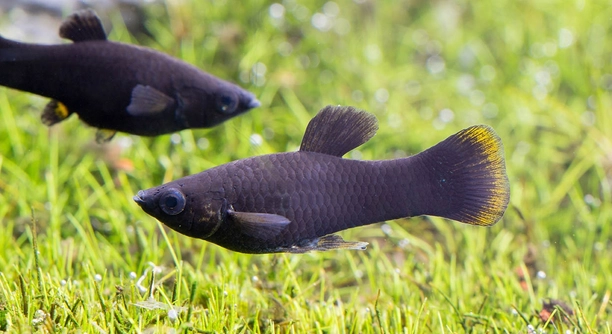
Is your black molly swimming back and forth without pause, seemingly restless in its tank? This constant pacing can be concerning, especially when you are trying to provide a calm and healthy environment for your fish to thrive.
The most common reasons for a black molly’s nonstop pacing include inadequate tank size, poor water quality, stress from tank mates, or insufficient environmental enrichment. Addressing these factors promptly can restore the fish’s comfort and overall well-being.
Understanding what drives this behavior is essential for maintaining a healthy aquarium. Proper care and adjustments can improve your molly’s behavior and quality of life.
Common Causes of Nonstop Pacing in Black Mollies
Black mollies often pace constantly when their tank conditions are not ideal. Small tanks limit their swimming space, which can cause frustration. Poor water quality, including high ammonia, nitrite, or nitrate levels, stresses fish and leads to erratic swimming. Rapid temperature changes or improper pH can also trigger nervous behavior. Tank mates that are aggressive or overly active may intimidate black mollies, prompting them to swim continuously. Lack of hiding spots or plants leaves the fish feeling exposed, increasing stress levels. In some cases, pacing occurs if the fish is adjusting to a new environment or recovering from illness. Observing these patterns closely helps identify what needs to be changed. By assessing water conditions, tank size, and social dynamics, you can provide a more comfortable and stimulating environment. Regular maintenance and careful monitoring are key to preventing pacing behavior and improving the molly’s overall health.
Adjusting tank conditions and monitoring behavior regularly can help your black molly feel more secure and less restless.
Providing adequate space, clean water, and peaceful tank mates reduces stress. Adding plants or decorations can give the molly places to explore, minimizing constant swimming and improving its overall well-being.
Environmental Adjustments That Help
Small adjustments in the tank can greatly reduce nonstop pacing.
Improving the tank environment involves ensuring proper size, stable water parameters, and enrichment. Black mollies thrive in tanks with sufficient swimming space, well-filtered water, and a consistent temperature. Adding live plants, rocks, or other structures creates hiding spots and mental stimulation. Proper diet and regular feeding schedules contribute to calmer behavior. Observing interactions with other fish ensures harmony in the tank. Water changes should be done regularly to maintain clarity and reduce harmful chemicals. Even minor improvements in lighting and tank layout can make a noticeable difference. Consistent care and attention help black mollies feel secure and content. Over time, pacing decreases as the fish adapts to a better environment, making the tank a calmer and healthier place for all its inhabitants. These steps ensure your fish remain active but not stressed, promoting long-term health and comfort.
Health Issues That Cause Pacing
Nonstop pacing can be a sign of illness or internal stress. Common health problems include parasites, bacterial infections, or swim bladder issues, which affect movement. Early detection is important to prevent serious complications.
Monitoring your black molly closely can reveal early signs of health issues. Look for changes in appetite, discoloration, clamped fins, or abnormal swimming patterns. Swim bladder problems may make the fish struggle to maintain balance, leading to constant movement as it tries to stabilize. Parasites or infections can cause irritation, prompting restless behavior. Quarantining sick fish and consulting a veterinarian or experienced aquarist ensures timely treatment. Keeping the tank clean and maintaining optimal water conditions reduces the risk of disease, helping your molly remain active but calm.
Treatment depends on the specific health problem. Swim bladder issues may be addressed through diet adjustments, while infections require medications. Regular observation and preventative care are essential to avoid recurring pacing caused by health complications.
Stress Factors and Social Dynamics
Stress can arise from overcrowding, aggressive tank mates, or sudden environmental changes, leading to persistent pacing.
Black mollies are sensitive to their surroundings. Overcrowded tanks limit space and create competition for food, while aggressive fish can intimidate them, causing constant movement. Sudden changes in water temperature or pH can trigger stress responses. Even subtle changes, like moving decorations or introducing new fish, may unsettle them. Creating a stable, calm environment with sufficient space and compatible tank mates reduces anxiety and promotes normal swimming behavior. Plants and hiding spots allow the molly to retreat when needed, lowering stress levels. Consistent feeding and gentle interactions also contribute to a secure and balanced environment, helping reduce pacing.
Observing how your molly interacts with others and adjusting social dynamics is key. Ensure the tank population is appropriate, maintain water quality, and introduce changes gradually. This approach minimizes stress, supports healthy behavior, and helps mollies feel comfortable. Monitoring interactions allows you to identify and separate aggressive fish if necessary. Providing enrichment and hiding places reduces tension and keeps them engaged. Over time, these adjustments promote a peaceful, well-functioning tank where pacing becomes less frequent, allowing the black molly to thrive physically and mentally.
Tank Size and Space Limitations
Limited swimming space can lead to constant pacing in black mollies. Small tanks prevent natural movement, increasing stress and restlessness.
Providing a larger tank allows mollies to swim freely, explore, and reduce repetitive pacing. Space is essential for mental and physical well-being.
Water Quality and Maintenance
Dirty or unbalanced water contributes to nonstop pacing. High ammonia, nitrite, or nitrate levels irritate fish and affect their health. Regular water testing and maintenance are crucial. Keeping the tank clean and monitoring water parameters ensures the black molly feels comfortable and secure, reducing stress-induced pacing.
Feeding and Diet
Improper feeding can affect behavior. Irregular feeding schedules or low-quality food may lead to restlessness and constant swimming. Maintaining a consistent, nutritious diet supports overall health and keeps black mollies calmer.
FAQ
Why is my black molly constantly pacing?
Constant pacing is often a sign of stress, discomfort, or health issues. Common causes include small tank size, poor water quality, aggressive tank mates, lack of hiding spots, and illnesses like swim bladder problems or parasites. Observing your fish and checking these factors helps identify the problem.
Can poor water conditions make my molly pace nonstop?
Yes, water quality directly affects fish behavior. High levels of ammonia, nitrites, or nitrates, sudden pH changes, or fluctuating temperatures can stress black mollies. Regular water testing, partial water changes, and maintaining stable conditions reduce pacing and promote healthy behavior.
Does tank size really matter for black mollies?
Absolutely. Black mollies need sufficient space to swim and explore. A small tank limits movement, causing frustration and nonstop pacing. Providing a larger tank with room to swim freely reduces stress and allows more natural behavior.
Can aggressive tank mates cause pacing?
Yes, aggressive or overly active fish can intimidate black mollies, forcing them to swim constantly to avoid conflict. Ensuring compatible species and avoiding overcrowding helps mollies feel secure, which reduces stress-induced pacing.
Do black mollies need hiding spots?
Yes, hiding spots are essential. Plants, rocks, and decorations provide shelter, allowing mollies to retreat when feeling stressed. A lack of hiding places increases anxiety, leading to continuous pacing as the fish feels exposed and unsafe.
Can diet affect my molly’s behavior?
Yes, an inconsistent or poor diet can contribute to restless swimming. Feeding high-quality, balanced food on a regular schedule supports overall health. Malnourished or underfed mollies may become more active or anxious, pacing as a response to discomfort or hunger.
Is pacing a sign of illness?
It can be. Health issues like swim bladder disorders, parasites, or bacterial infections may cause restless movement. Watch for other symptoms such as clamped fins, discoloration, or loss of appetite. Early detection and treatment are critical to prevent serious health problems.
How do I reduce stress in my black molly?
Stress can be minimized by maintaining stable water conditions, providing sufficient space, including hiding spots, and avoiding sudden changes in the tank. Regular observation and a calm environment help mollies feel safe and reduce nonstop pacing.
Should I isolate my pacing molly?
Isolation may be necessary if the pacing is caused by aggressive tank mates or illness. Quarantining the fish allows for observation and treatment while preventing further stress. Ensure the isolated environment replicates proper water conditions and enrichment.
How long does it take for pacing to stop after improvements?
Behavior improvement depends on the cause. Some mollies respond within a few days to better water quality and tank setup. Health-related pacing may take longer, requiring treatment and recovery. Continuous observation ensures changes are effective and mollies remain healthy.
Can environmental enrichment stop pacing?
Yes, adding live plants, rocks, and decorations gives mollies mental stimulation and areas to explore. Enrichment reduces boredom and stress, which are common triggers for nonstop swimming. A well-structured tank encourages natural behavior and calmer fish.
Are all black mollies prone to pacing?
Not all. Pacing usually occurs when environmental, social, or health needs are unmet. With proper care, sufficient space, stable water, compatible tank mates, and a nutritious diet, black mollies can thrive without exhibiting nonstop swimming.
Can temperature fluctuations cause pacing?
Yes, sudden temperature changes can stress mollies. Consistent water temperature within the ideal range for black mollies helps maintain comfort and normal activity levels, preventing restlessness and pacing.
How can I monitor pacing effectively?
Observe your molly at different times of the day and note patterns. Check water parameters, tank mates, feeding schedules, and behavior alongside any physical changes. Consistent monitoring helps pinpoint causes and evaluate whether interventions are working.
What should I do if pacing persists despite changes?
Persistent pacing may indicate an underlying health issue or chronic stress. Consulting an experienced aquarist or veterinarian ensures proper diagnosis and treatment. Continuous monitoring and careful adjustments remain important to support the molly’s long-term well-being.
Can stress from moving to a new tank cause pacing?
Yes, black mollies often pace when adjusting to a new environment. Gradual acclimation, proper water conditions, and minimizing disturbances help them settle and reduce restless behavior over time.
Does overcrowding make pacing worse?
Definitely. Overcrowding increases competition for food, reduces swimming space, and raises stress levels. Ensuring an appropriate number of fish per tank size allows mollies to swim freely and feel secure, reducing nonstop pacing.
Are pacing mollies at risk for long-term health problems?
Chronic stress from pacing can weaken the immune system, making fish more susceptible to disease. Addressing environmental, social, and health factors promptly supports both physical health and mental well-being.
How often should I check water quality to prevent pacing?
Regular testing, at least weekly, is recommended. Monitor ammonia, nitrites, nitrates, pH, and temperature. Prompt action when parameters are off ensures a healthy environment, reducing stress and preventing constant pacing.
Is pacing normal in young black mollies?
Young mollies may be more active as they explore their surroundings, but constant pacing often signals environmental or health issues. Ensuring proper tank conditions and monitoring their behavior helps prevent stress-related movement.
Can adding more fish reduce pacing?
Adding fish only helps if social balance is maintained. Introducing compatible species can provide interaction, but overcrowding or aggressive additions may worsen pacing. Plan carefully and observe interactions to maintain harmony.
Does light affect pacing?
Yes, sudden changes or overly bright lighting can stress black mollies. Using a consistent light schedule and avoiding harsh lighting reduces anxiety and supports calm behavior.
Can frequent water changes stop pacing?
Regular water changes maintain clean, stable conditions. This reduces stress and harmful chemical buildup, which are major triggers for nonstop swimming. Proper maintenance is crucial for preventing pacing and supporting healthy behavior.
How important is routine observation?
Routine observation is essential. Monitoring swimming patterns, interactions, feeding behavior, and physical health helps detect problems early. Early intervention prevents pacing from becoming a chronic issue and ensures long-term well-being of your black molly.
What’s the quickest way to calm a pacing molly?
Immediate relief often comes from correcting water quality, providing hiding spots, and adjusting tank mates. Addressing the root causes directly is the fastest way to reduce stress-induced pacing and restore normal behavior.
Are pacing patterns the same for all black mollies?
No, each molly may show different pacing behaviors depending on personality, tank conditions, and health. Observing individual behavior helps identify specific needs and tailor interventions for the best results.
How can I prevent pacing in the future?
Maintaining a stable, clean environment, ensuring proper tank size, providing enrichment, feeding high-quality food, and monitoring social dynamics all prevent pacing. Consistency and attention to your black molly’s needs support calm and natural behavior over time.
Black mollies are sensitive and intelligent fish that respond strongly to their environment. When they pace nonstop, it is usually a sign that something in their tank or routine is not meeting their needs. Many factors can influence this behavior, including water quality, tank size, diet, and interactions with other fish. Each of these elements plays a role in the overall well-being of your molly. Addressing these areas one by one can help reduce pacing and create a calmer, healthier environment. Regular observation is key. By paying close attention to their swimming patterns, feeding behavior, and interactions, you can spot potential problems early. Early detection allows you to make adjustments before stress or health issues worsen. Small changes, like adding plants or providing more space, can make a noticeable difference in how your molly behaves.
Water quality is one of the most important factors in preventing nonstop pacing. Black mollies are particularly sensitive to ammonia, nitrite, nitrate levels, and sudden changes in pH or temperature. Keeping the water clean and stable is essential. Regular partial water changes, testing, and maintaining filtration systems ensure that your fish are living in optimal conditions. A tank that is too small or overcrowded can also cause stress. Providing enough space for swimming allows mollies to engage in natural behaviors, reducing restlessness. Environmental enrichment, like plants, rocks, or decorations, gives them areas to hide and explore, which further lowers stress. A balanced diet is equally important. Consistent feeding with high-quality food keeps them healthy and supports calm behavior. Combining good water conditions, sufficient space, enrichment, and proper nutrition creates a stable environment where your black molly can thrive.
Pacing can also indicate health or social issues, so monitoring their behavior is crucial. Illnesses, such as swim bladder problems or parasites, often manifest as restless swimming. Aggressive tank mates or sudden changes in the tank environment can also trigger nonstop pacing. Addressing these issues requires observation and, in some cases, intervention, such as isolating a sick fish or adjusting the social balance of the tank. Over time, providing stable conditions, appropriate tank mates, and a calm environment will help your black molly feel secure and reduce pacing behavior. Taking a proactive approach ensures that your fish remain healthy, active, and content. Understanding your molly’s needs and consistently meeting them is the best way to prevent stress and support long-term well-being. By focusing on these simple, essential factors, you can create an environment where your black molly is comfortable, healthy, and able to display natural behaviors without constant restlessness.

Hello,
If you enjoy the content that we create, please consider saying a "Thank You!" by leaving a tip.
Every little bit helps us continue crafting quality advice that supports the health, happiness, and well-being of pets around the world, for pets of all shapes, sizes, and species.
We really appreciate the kindness and support that you show us!