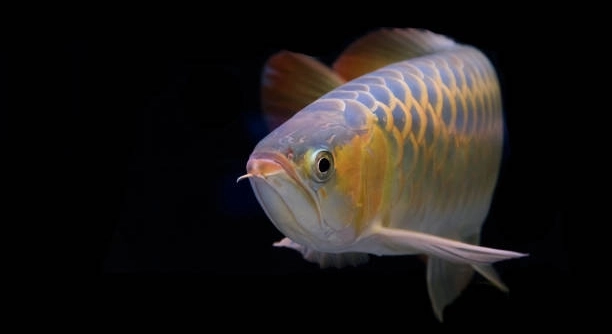
7 Mistakes That Can Lead to Arowana Injury
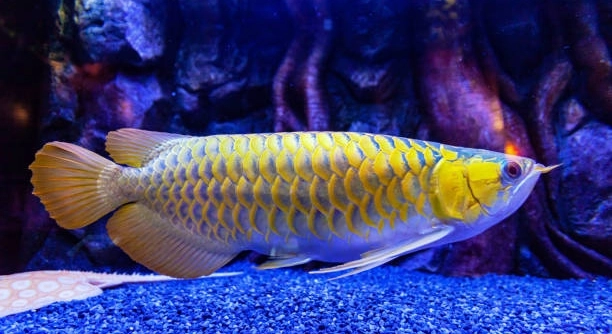
Do you love keeping arowanas but worry about their safety in the tank? Many new owners enjoy watching these elegant fish swim but might unknowingly put them at risk of injury through small mistakes in care routines. Arowana injuries most often result from improper tank setup, sharp decorations, aggressive tank mates, poor water quality, and … Read more
Can Arowana Bond With Other Fish?

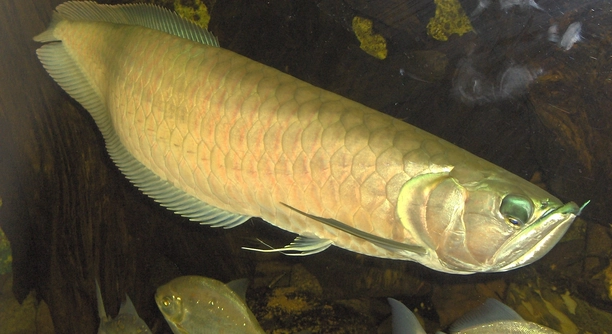
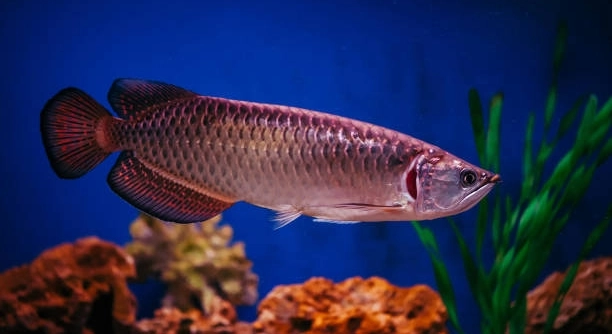
Have you ever kept an Arowana and noticed it swimming alone in its tank? Many fish owners wonder about the social habits of this elegant species. Its size and temperament often make companionship seem tricky. Arowanas can coexist with other fish under specific conditions, including tank size, temperament, and careful selection of compatible species. Successful … Read more

What to Do If Arowana Refuse New Tankmates

Have you ever struggled to introduce new tankmates to your arowana, only to find the usually calm environment turning tense and unpredictable as the fish resists sharing its space with unexpected stress and persistent conflict? Arowana often refuse new tankmates due to territorial behavior and stress from environmental changes, making careful acclimation essential. Providing ample … Read more

Can You Keep Arowana with Other Fish? (Compatibility Guide)

Arowanas are majestic, long-bodied fish that bring elegance to any aquarium. Their shimmering scales and graceful movements make them a captivating addition, but keeping them alongside other fish requires careful planning and consideration of their natural behavior. Arowanas can coexist with certain tank mates, but compatibility depends on size, temperament, and habitat needs. Aggressive or … Read more

7 Clues That Your Arowana Is Getting Older

Have you ever noticed your arowana behaving a little differently over time? Watching it grow and adapt in its tank can be fascinating, but small changes may hint that your fish is entering a new stage of life. As arowanas age, their physical appearance, activity levels, and feeding habits gradually shift. Common indicators include slower … Read more

7 Tank Setup Tricks for Healthier Arowana

Setting up an arowana tank can feel simple at first, yet subtle details often make a big difference. A gentle approach to their environment helps reduce stress and encourages steady growth, creating a stable habitat. Healthier arowana rely on seven precise tank adjustments that support stable water quality, proper space, and consistent filtration. These targeted … Read more

How to Tell the Gender of an Arowana (Male vs Female)

Do you ever find yourself admiring your Arowana and wondering if it is male or female? These majestic fish are a popular choice for aquariums, and identifying their gender can be both interesting and useful for breeders. The most reliable methods for distinguishing male and female Arowanas involve examining body shape, fin structure, and mouth … Read more

Why Is My Arowana Pacing Back and Forth?

Have you noticed your arowana moving back and forth in its tank more than usual? Watching this graceful fish swim endlessly can feel a little unsettling, especially when it seems restless or uneasy. Observing your pet closely helps you understand its habits. Arowanas often pace due to stress, insufficient space, or environmental changes. Inadequate tank … Read more

Why Is My Arowana Flinching at Shadows?

Many arowana owners notice their fish reacting suddenly to shadows or quick movements near the tank. These large, elegant fish are naturally cautious, and their sensitive eyesight makes them easily startled by sudden changes in light or motion around them. Arowanas flinch at shadows primarily due to instinctive survival behavior. Shadows can mimic predators or … Read more

Why Is My Arowana Ignoring Live Food?

Arowanas are beautiful and powerful fish that many enthusiasts enjoy keeping in home aquariums. Their striking appearance often makes feeding them live food a highlight of daily care routines. Observing them eat can be very satisfying. Arowanas may ignore live food due to stress, poor water quality, recent illness, or inappropriate prey size. These factors … Read more