
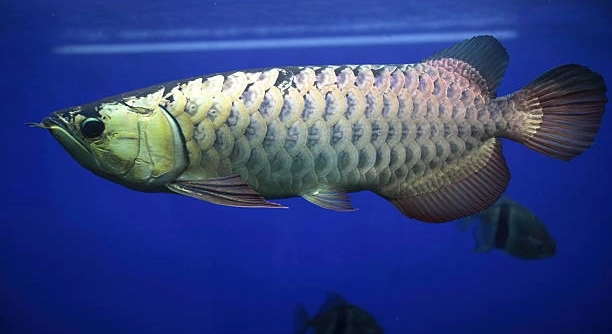
Do you ever find yourself admiring your Arowana and wondering if it is male or female? These majestic fish are a popular choice for aquariums, and identifying their gender can be both interesting and useful for breeders.
The most reliable methods for distinguishing male and female Arowanas involve examining body shape, fin structure, and mouth size. Males generally have longer pectoral fins, slimmer bodies, and more pronounced mouths, while females tend to be rounder with shorter fins and less pronounced mouths.
Understanding these characteristics will help you care for your Arowana more effectively and make informed decisions about breeding or tank management.
Physical Differences Between Male and Female Arowanas
Male and female Arowanas show distinct physical differences that become more noticeable as they mature. Males typically have longer, more pointed pectoral fins and a leaner body shape. Their heads are slightly more angular, and their mouths appear more pronounced, which helps during breeding. Females, on the other hand, tend to have a rounder body and shorter fins. Their heads are softer in shape, and the mouth is less prominent. Observing the scales can also provide hints; males often have slightly larger, more defined scales along the lateral line. Coloration may vary depending on the species, but it is less reliable for determining gender. Paying close attention to these traits over time is essential, as young Arowanas often look very similar. Handling the fish gently and observing them in a calm environment can reduce stress and give a clearer view of these differences.
Noticing these traits early allows for better tank management and preparation for breeding.
Consistent observation is key when trying to determine an Arowana’s gender. Looking at multiple characteristics rather than just one provides a more accurate assessment. Over time, patterns in body shape, fin length, and mouth size become clearer, especially when comparing several fish in the same tank. Documenting these differences with photos or notes can help track development, making identification easier as the fish grow. Environmental factors like tank size, diet, and water quality can influence their appearance, so consider these when assessing physical traits. Patience is crucial, as hasty conclusions may lead to errors. Experienced breeders often rely on subtle distinctions that take months to become obvious. Observing behavior alongside physical traits can provide additional clues, especially during feeding or interactions with other fish.
Behavioral Traits That Reveal Gender
Male and female Arowanas often display different behaviors even outside breeding periods.
Males tend to be more territorial and exhibit dominant swimming patterns, while females usually show calmer behavior and less frequent chasing of tank mates.
Behavioral differences provide insight beyond physical appearance. Males often guard a specific area in the tank, showing increased activity along tank borders and sometimes nudging other fish away. During feeding, they may strike first or display assertive movements, signaling their dominant role. Females are usually less aggressive, maintaining a steady presence without claiming territory. When observing interactions, males may perform more exaggerated displays of movement, like rapid fin flaring, which can indicate readiness for mating or asserting dominance. Understanding these behavioral patterns can make gender identification more reliable, especially when physical traits are ambiguous. Keeping a log of observed behaviors over several weeks allows you to see consistent patterns and better distinguish males from females. Behavioral observation, combined with physical assessment, ensures a well-rounded understanding of each Arowana’s gender.
Using Venting to Identify Gender
Venting is a reliable method to determine the gender of mature Arowanas, involving careful observation of the genital area. This method should be done gently to avoid stressing the fish.
During venting, males show a longer, narrower genital papilla, while females have a shorter, rounder one. Proper lighting and a calm tank environment make this process easier. It is best to perform venting when the fish is relaxed and slightly lifted from the water surface. Observing from different angles can help confirm the gender. Venting works best for adult Arowanas, as young fish do not yet show clear distinctions. Handling should be minimal to reduce the risk of injury or stress. Experienced breeders often combine venting with other physical traits to ensure accuracy.
Venting, while effective, requires practice and patience. It is not always conclusive on the first attempt. Combining this method with body shape, fin length, and behavior gives the most reliable results. Proper technique and careful observation are essential to identify gender without harming the fish.
Seasonal and Breeding Behavior
Male Arowanas display increased territorial behavior and courtship displays during breeding seasons, often becoming more active and aggressive.
Females show readiness for spawning by developing a slightly fuller body and staying near the male during courtship rituals. They may accept food less eagerly as spawning approaches. Observing these seasonal changes can give clearer indications of gender. Males typically take on a protective role over nesting areas or fry, while females focus on maintaining position nearby. Recognizing these patterns helps when planning breeding or separating fish for tank management. Environmental cues like temperature and lighting can influence these behaviors, so keeping a consistent schedule is beneficial. Tracking behavior over weeks allows clearer distinctions between males and females.
Seasonal and breeding behaviors are strong indicators when physical differences are subtle. Monitoring changes in swimming patterns, feeding, and interactions provides clues about gender. Males often display flaring fins, chasing, and guarding specific areas, while females move calmly and show readiness for mating. Consistent observation over time ensures accurate identification, especially when used alongside venting and body shape assessment. Seasonal patterns are predictable, allowing for careful planning of breeding efforts without causing undue stress. Maintaining a healthy tank environment supports natural behaviors, making gender identification easier.
Coloration Differences
Males and females may show subtle differences in coloration, though this varies by species. Males often have slightly brighter or more intense colors, while females may appear a bit muted or softer in hue. Observing these differences over time can help confirm gender.
Lighting and tank conditions can affect perceived color. A well-lit tank with stable water quality allows the natural tones to show more clearly. Seasonal changes or diet can also influence color intensity. Comparing multiple fish side by side makes differences easier to notice, especially in mature Arowanas.
Head Shape and Jaw Structure
Male Arowanas generally have a more angular head with a pronounced jaw, which aids in guarding territory and breeding. Females usually have rounder heads and softer jawlines, making them easier to distinguish when observed carefully over time. Head shape is a consistent gender indicator.
Fin Shape and Size
Males typically have longer, more pointed pectoral and anal fins, while females show shorter and rounder fins. Observing fin shape in a calm environment helps confirm gender.
FAQ
How can I tell the gender of a young Arowana?
Determining the gender of a young Arowana is challenging because physical and behavioral differences are not fully developed. Young fish often appear very similar in body shape, fin length, and head structure. Patience is essential; waiting until they reach sexual maturity makes identification more reliable. Observing their growth over time, noting subtle differences in fin development and body proportion, and keeping a record of changes can help. It is also useful to compare multiple fish in the same tank, as relative differences are easier to notice when viewed side by side.
Is venting safe for Arowanas?
Venting is safe when performed correctly and gently. The fish should be relaxed and partially lifted from the water surface, minimizing stress and avoiding injury. Proper lighting and observation from multiple angles improve accuracy. Venting works best for adult Arowanas, as young ones do not show clear distinctions. Combining venting with physical traits like body shape, head structure, and fin length increases reliability. Always handle the fish minimally and carefully, and ensure the tank is calm before and after the process to prevent stress-related health issues.
Do males and females behave differently in a shared tank?
Yes, males often display more territorial behavior, patrolling tank edges and asserting dominance over other fish. They may chase or nudge other fish, particularly during feeding. Females tend to be calmer and less aggressive, maintaining a steady presence without claiming specific areas. Observing behavior over time can provide clear clues to gender. Seasonal changes and breeding periods may amplify these differences, with males showing more active displays and females becoming more stationary and receptive during courtship. Keeping notes on behavior helps confirm observations alongside physical characteristics.
Can color help determine gender?
Color differences are subtle and vary by species. Males may show slightly brighter or more intense coloration, while females appear softer or muted. Lighting, tank conditions, and diet can influence perceived color, so it is not a fully reliable method on its own. Comparing multiple fish in the same tank often helps highlight subtle variations. Color observation is most effective when combined with other traits like body shape, fin size, and behavior to provide a clearer picture of gender.
When do Arowanas show the clearest physical differences?
Physical differences become most noticeable once Arowanas reach sexual maturity, usually around two to three years old. Body shape, head structure, mouth size, and fin length become more defined over time. Young fish often look nearly identical, so early identification is difficult. Careful observation of multiple traits rather than relying on a single characteristic provides the most accurate results. Documenting changes with photos or notes ensures patterns are easier to track and confirms gender with higher confidence.
How does breeding season affect identification?
During breeding season, males may display heightened territorial behavior, flaring fins, and guarding specific areas. Females show readiness by developing slightly fuller bodies and staying close to males. Feeding habits can also change, with females sometimes eating less. Observing these seasonal behaviors alongside physical traits provides stronger evidence of gender. Environmental factors like water temperature and lighting influence these patterns, so maintaining a stable tank schedule is important. Consistent observation over several weeks allows clear distinctions between males and females.
What is the best approach for accurate gender identification?
The most reliable approach combines multiple methods. Observe physical traits such as body shape, head structure, mouth size, and fin length. Use venting for adult fish to confirm genital differences. Track behavioral patterns, especially during feeding and breeding seasons. Note subtle color differences if species variations allow. Document observations over time to see consistent patterns, reducing the risk of errors. A careful, patient approach ensures identification without causing stress or harm to the fish. Combining traits rather than relying on a single indicator produces the most confident results.
Can stress affect gender indicators?
Yes, stress can temporarily alter behavior, posture, and even coloration, making identification more difficult. Aggressive or scared fish may hide or display unusual movements. Maintaining stable water conditions, minimal handling, and a calm tank environment helps the fish show natural traits more clearly. Observing over time reduces the risk of misidentification due to stress-related changes. Consistent observation in a stable environment is essential for accurate gender determination.
How long should I observe my Arowana before confirming gender?
Observation should continue for several weeks or months, depending on the fish’s maturity. Watching multiple traits—body shape, fin length, head structure, behavior, and venting results—ensures consistent patterns. Avoid making quick judgments, especially in young Arowanas. Tracking changes over time provides a reliable foundation for gender identification, reducing errors and ensuring the health of the fish.
Are there species-specific differences in gender identification?
Yes, different Arowana species may show slight variations in physical and behavioral traits. For example, color intensity and head shape differences can vary between Asian, Silver, and Jardini Arowanas. Understanding your species’ typical characteristics improves accuracy in gender identification. Cross-referencing multiple traits within the species reduces misidentification and ensures a more precise assessment.
Determining the gender of an Arowana takes time, patience, and careful observation. Physical traits like body shape, fin length, head structure, and mouth size are some of the most reliable indicators. Males generally have longer fins, more angular heads, and slimmer bodies, while females tend to be rounder with shorter fins and softer head shapes. Observing multiple fish together can make these differences easier to see, especially as the fish grow. Young Arowanas often look very similar, so waiting until they are more mature helps avoid mistakes. Consistency in observation and recording the changes you notice can make the process much clearer. Keeping notes, taking photos, and tracking behavior over time ensures you can compare traits accurately, making it easier to identify gender correctly without relying on guesswork.
Behavioral patterns also play an important role in distinguishing male and female Arowanas. Males tend to be more territorial, patrolling the tank, chasing other fish, and displaying dominant movements during feeding or interactions. Females usually show calmer behavior, moving steadily without claiming territory or displaying aggression. During breeding seasons, these behaviors become even more noticeable, with males often showing flared fins and increased activity, while females may develop slightly fuller bodies and remain near the males. Combining behavioral observations with physical characteristics improves accuracy. Environmental factors like water quality, lighting, and diet can influence both appearance and behavior, so maintaining a stable tank environment is essential. Careful, patient observation over several weeks allows patterns to emerge, making gender identification much more reliable.
Venting can also provide a clear confirmation for adult Arowanas. By carefully examining the genital area, you can identify males by their longer, narrower genital papilla and females by their shorter, rounder one. This method should always be performed gently, with minimal handling, to avoid stress or injury. Venting is most effective when combined with physical and behavioral traits. Understanding seasonal and breeding patterns, along with the subtle differences in coloration, can further help confirm gender. Taking a careful and methodical approach allows you to manage your Arowanas effectively, whether for breeding purposes or tank management. Observing these fish closely and consistently not only ensures accurate gender identification but also helps maintain their health and well-being, supporting a harmonious and thriving aquarium environment.

Hello,
If you enjoy the content that we create, please consider saying a "Thank You!" by leaving a tip.
Every little bit helps us continue crafting quality advice that supports the health, happiness, and well-being of pets around the world, for pets of all shapes, sizes, and species.
We really appreciate the kindness and support that you show us!